Best Mouthwash for Receding Gums? (🦷 GENTLE GUM CARE!) Discover the right mouthwash options and simple tips to protect your gums and exposed teeth.
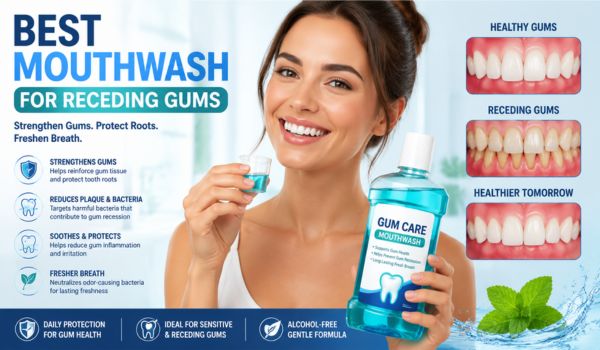

Receding gums can be frustrating because they may make your teeth look longer, expose sensitive areas near the roots, and increase your concern about gum health.
If you are dealing with receding gums, you may wonder whether a good mouthwash can stop the problem or help your gums recover.
The short answer is that mouthwash can support healthier gums, but it cannot rebuild gum tissue that has already receded.
The right mouthwash may help reduce plaque, control gingivitis, protect exposed teeth from cavities, and support your daily oral-care routine.
For people with gum recession, choosing a mouthwash is less about finding the strongest formula and more about choosing one that matches your oral-health needs.
A fluoride rinse may be useful when exposed roots increase your risk of tooth decay, while an antimicrobial rinse may be more appropriate when plaque and gingivitis are concerns.
The American Dental Association (ADA) explains that therapeutic mouthrinses can help control conditions such as plaque, gingivitis, bad breath, and tooth decay.
However, mouthwash should be considered an addition to—not a replacement for—brushing, flossing, and professional dental care.
What Are Receding Gums?
Gum recession occurs when the gum tissue surrounding a tooth pulls back or wears away, exposing more of the tooth or its root.
You may notice:
- Teeth appearing longer than before
- Increased tooth sensitivity
- Sensitivity when drinking something hot or cold
- Tenderness around the gumline
- Notches or exposed areas near the roots
- Food is becoming trapped near the gumline
- Greater concern about cavities around exposed roots
Gum recession can have several causes. Aggressive tooth brushing, gum disease, naturally thin gum tissue, poor oral hygiene, tobacco use, grinding or clenching, and certain dental factors may contribute.
Because the causes vary, treating the underlying problem is more important than simply adding mouthwash to your routine.
Can Mouthwash Help Receding Gums?
Mouthwash can help create a healthier oral environment, but it does not cause receded gum tissue to grow back.
If plaque and gingivitis are contributing to gum inflammation, an appropriate therapeutic mouthwash may help reduce plaque and gingivitis when used alongside brushing and flossing.
The ADA recognizes several active ingredients used in therapeutic mouthrinses, including cetylpyridinium chloride, chlorhexidine, essential oils, fluoride, and peroxide.
If recession is significant, a dentist or periodontist can determine the cause and recommend appropriate treatment.
Depending on the situation, treatment may involve improved oral hygiene, management of gum disease, changes to brushing technique, treatment for grinding, or procedures designed to cover exposed roots.
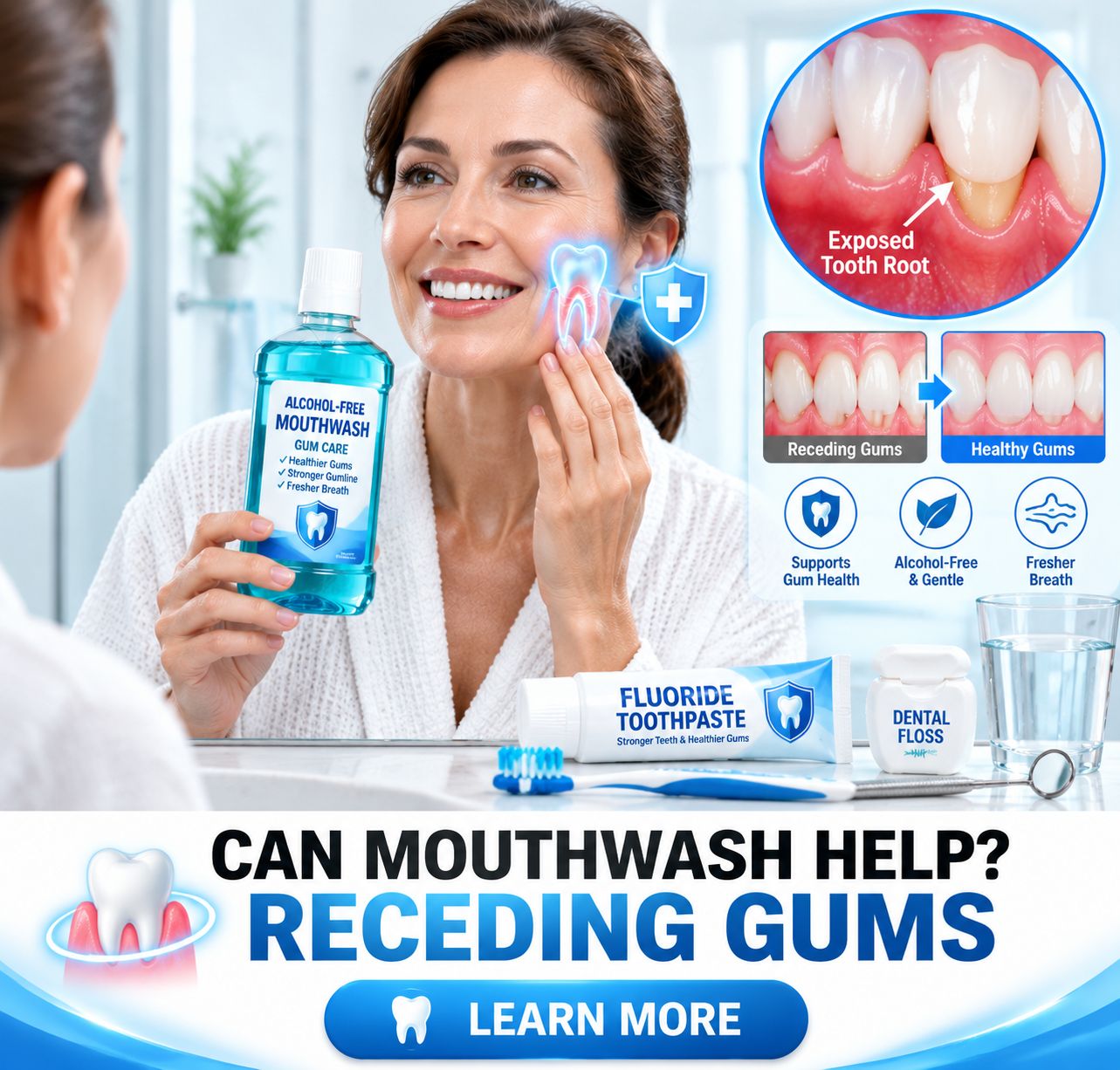
What Is the Best Mouthwash for Receding Gums?
There isn’t one mouthwash that is automatically best for everyone with receding gums. The best option depends on whether your primary concern is plaque, gingivitis, tooth decay, sensitivity, dry mouth, or irritation.
For many adults with gum recession, a good starting point is an alcohol-free therapeutic mouthwash that provides fluoride protection, particularly when exposed tooth roots increase the concern about cavities.
One example is Listerine Total Care Mild Alcohol Free Anticavity Fluoride Mouthwash, which has earned the ADA Seal of Acceptance for helping prevent tooth decay when used as directed.
The ADA Seal is useful when comparing oral-care products because manufacturers must provide evidence supporting the safety and effectiveness of products for their claimed benefits.
That does not mean everyone with receding gums needs this specific product. Rather, it demonstrates the type of evidence and formulation you can look for when selecting a mouthwash.
Fluoride Mouthwash for Exposed Tooth Roots
One of the biggest concerns with gum recession is that the roots of teeth can become exposed.
The ADA explains that fluoride helps strengthen teeth, supports remineralization, and makes tooth surfaces more resistant to acid attacks. Fluoride can also be delivered through mouthrinses.
A fluoride mouthwash may therefore be a sensible choice for someone with gum recession, particularly if a dentist has identified an elevated risk of root decay.
When shopping, look for an appropriate fluoride-containing mouthrinse and follow the product’s directions.
Remember that fluoride mouthwash does not regrow gums. Its benefit is protecting the exposed tooth surfaces from decay.
Alcohol-Free Mouthwash for Sensitive Gums
Some people with gum recession find strong mouthwashes uncomfortable. Burning, dryness, or irritation can make it difficult to maintain a consistent routine.
The ADA specifically notes that alcohol can be drying and that an alcohol-free mouthrinse may be prudent for people dealing with dry mouth.
This is one reason an alcohol-free formula can be appealing for people with sensitive or receding gums.
However, “alcohol-free” does not automatically mean “better for everyone.” The active ingredients still matter.
Look for a product designed to provide a specific oral-health benefit rather than choosing based solely on whether it contains alcohol.
Antimicrobial Mouthwash for Plaque and Gingivitis
If your gum recession occurs alongside bleeding, redness, swelling, or significant plaque buildup, controlling gingivitis and plaque becomes especially important.
The ADA states that antimicrobial ingredients such as cetylpyridinium chloride, chlorhexidine, and essential oils can help reduce plaque and gingivitis when combined with daily brushing and flossing.
Some antimicrobial mouthwashes are available over the counter, while others are prescription products.
Chlorhexidine, for example, is generally used under professional guidance. It can be effective for plaque control, but it can also cause tooth or tongue staining and other side effects, so it should not be treated like an everyday mouthwash that everyone needs.
If your gums are persistently inflamed or bleeding, it is better to identify the cause than to simply keep switching mouthwashes.
Mouthwash for Tooth Sensitivity From Gum Recession
Gum recession can expose areas of the tooth that are more sensitive to temperature, sweetness, touch, or brushing.
If sensitivity is your main complaint, don’t assume that a strong antibacterial mouthwash is necessarily the best choice.
Instead, consider an oral-care routine focused on reducing sensitivity and protecting exposed tooth surfaces. A dentist may recommend a desensitizing toothpaste or other treatment depending on the cause.
A fluoride mouthwash may also provide additional cavity protection, especially when exposed roots are at higher risk.
If sensitivity is sudden, severe, worsening, or concentrated around one tooth, schedule a dental evaluation. Sensitivity is not always caused by gum recession; decay, cracks, worn fillings, or other dental problems can produce similar symptoms.
Mouthwash for Dry Mouth and Receding Gums
Dry mouth can make oral health more difficult to manage. Saliva naturally helps protect the teeth and tissues in the mouth. When saliva production is reduced, the risk of oral discomfort and dental decay can increase.
For people experiencing dry mouth, alcohol-containing mouthwashes may feel particularly irritating or drying.
The ADA recommends avoiding irritants such as alcohol-containing mouthrinses when managing dry mouth and notes that alcohol-free mouthrinses are available as an over-the-counter option.
Discuss the problem with your dentist or healthcare professional, especially if it began after starting a medication or is accompanied by other symptoms.
How to Choose the Best Mouthwash for Receding Gums
Choosing the right mouthwash for receding gums means looking beyond strong flavors and marketing claims.
Look for Fluoride
- Exposed tooth roots can be more vulnerable to decay. A fluoride mouthwash may provide additional protection and help strengthen teeth.
Consider Alcohol-Free Formulas
- If your gums are sensitive or your mouth feels dry, an alcohol-free mouthwash may be gentler and more comfortable for regular use.
Choose Evidence-Based Ingredients
- Look for proven ingredients such as fluoride for cavity protection and antimicrobial ingredients that can help control plaque and gingivitis.
Check for the ADA Seal
- The ADA Seal of Acceptance can help you identify oral-care products that have been evaluated for safety and effectiveness based on their stated benefits.
Don’t Choose Only by “Natural” Claims
- A natural label does not automatically mean a mouthwash is more effective. Consider the ingredients, evidence, safety, and your individual gum-health needs when making your choice.
How to Use Mouthwash Correctly?
Even the best mouthwash cannot replace proper brushing and flossing. For healthy gums, brush twice a day with fluoride toothpaste and clean between your teeth daily.
Mouthwash can be added to this routine based on the product instructions or your dentist’s recommendation.
Always measure and use mouthwash as directed, rinse it around your mouth, and spit it out without swallowing.
If you have sensitive or receding gums, avoid using more mouthwash than recommended because stronger or more frequent use does not necessarily provide better results.
Children need additional care when using mouthwash. Young children may accidentally swallow it, so follow the age recommendations on the product label and ask a dentist before introducing mouthwash to a child.
Should You Use Mouthwash Before or After Brushing?
There is no single rule that applies to every mouthwash. The ideal timing can depend on the specific product, its active ingredients, and the toothpaste you use.
Some mouthwash ingredients may work differently when used immediately after certain toothpastes. For this reason, follow the instructions provided with your mouthwash and toothpaste.
If your main goal is fluoride protection, avoid immediately rinsing your mouth thoroughly with water after brushing, as this can wash away some of the fluoride left on your teeth.
When in doubt, ask your dentist or dental hygienist whether you should use your particular mouthwash before or after brushing.
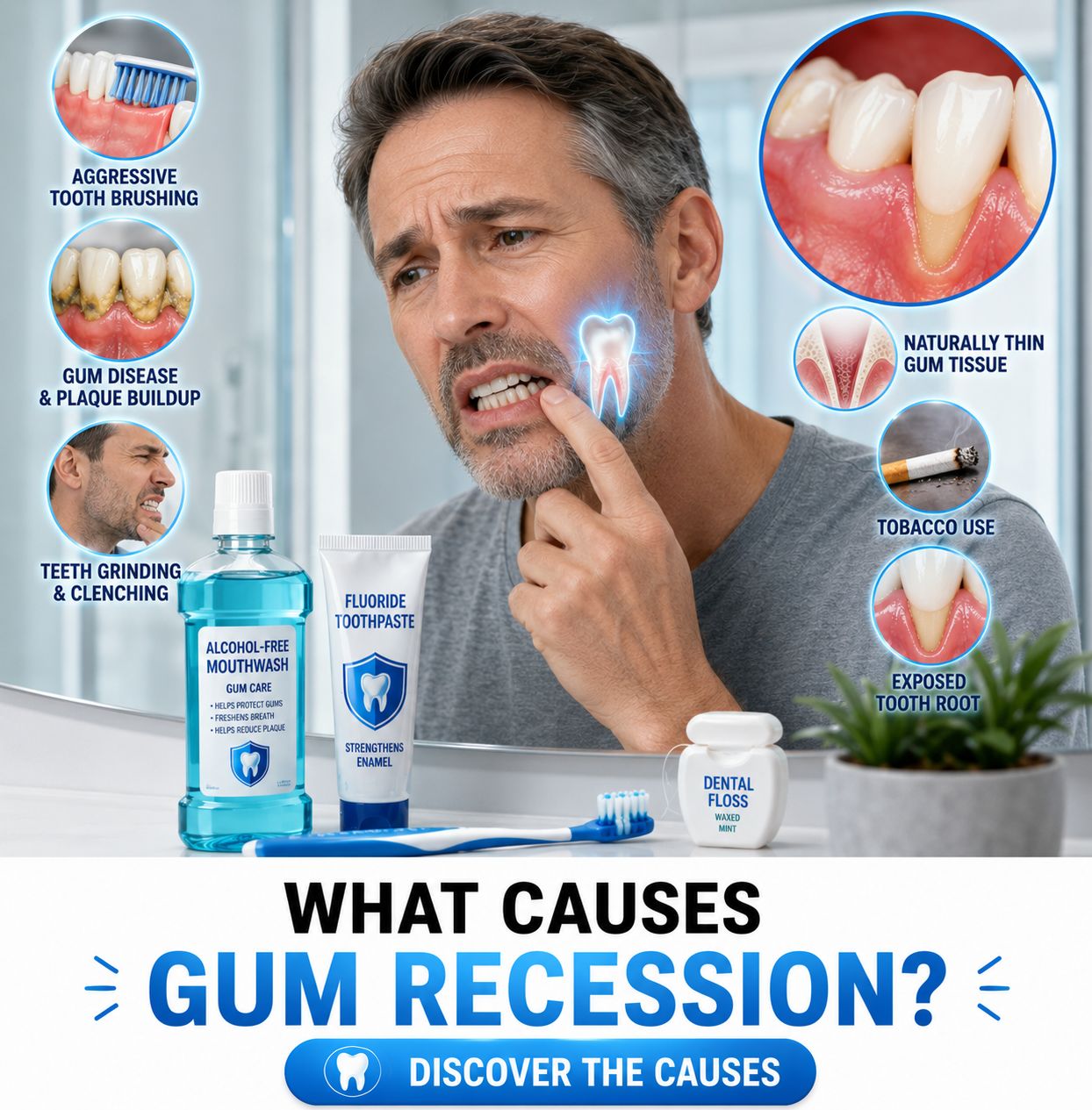
What Causes Gum Recession?
Choosing the best mouthwash is only part of managing receding gums. Understanding why your gums are receding is much more important because mouthwash cannot correct the underlying cause.
- Aggressive Brushing: Brushing harder does not mean brushing better. Using too much pressure or a hard-bristled toothbrush may irritate the gumline and contribute to gum wear over time.
- Gum Disease: Gum disease is an important cause of gum and bone damage around the teeth. Plaque buildup can trigger inflammation, and untreated periodontal disease can eventually affect the tissues supporting the teeth.
- Teeth Grinding or Clenching: Regularly grinding or clenching your teeth can place additional stress on the teeth and surrounding structures.
- Naturally Thin Gum Tissue: Not everyone has the same thickness or shape of gum tissue. Some people naturally have thinner gums and may be more susceptible to recession.
- Tobacco Use: Tobacco use can negatively affect oral health and increase the risk of gum problems. If you use tobacco, quitting can be an important step toward protecting your gums and supporting better overall oral health.
What Mouthwash Cannot Do for Receding Gums?
Mouthwash can support daily oral hygiene, but it has clear limitations. It is important to be cautious of products that promise to completely reverse gum recession or “grow back” lost gum tissue.
Mouthwash cannot:
- Regrow permanently lost gum tissue
- Replace professional periodontal treatment
- Repair significant bone loss
- Reverse advanced gum disease on its own
- Repair cracked or damaged teeth
- Replace brushing and interdental cleaning
- Remove the underlying cause of gum recession
A good mouthwash can help support cleaner, healthier conditions in the mouth, but established gum recession may require professional dental treatment.
When Should You See a Dentist for Receding Gums?
If your gums are continuing to recede, don’t wait for a mouthwash to solve the problem. Gum recession can have different causes, and early evaluation can help determine what is happening.
Consider scheduling a dental appointment if you experience:
- Increasing gum recession
- Persistent gum bleeding
- Swollen, red, or painful gums
- Pus around the gums
- Ongoing bad breath
- Loose or shifting teeth
- Significant tooth sensitivity
- New gaps between your teeth
- Teeth appearing noticeably longer
- Pain while chewing
A dentist can examine your gums, teeth, and supporting structures to determine the cause of the recession and recommend treatment based on your individual needs.
Best Daily Oral-Care Routine for Receding Gums
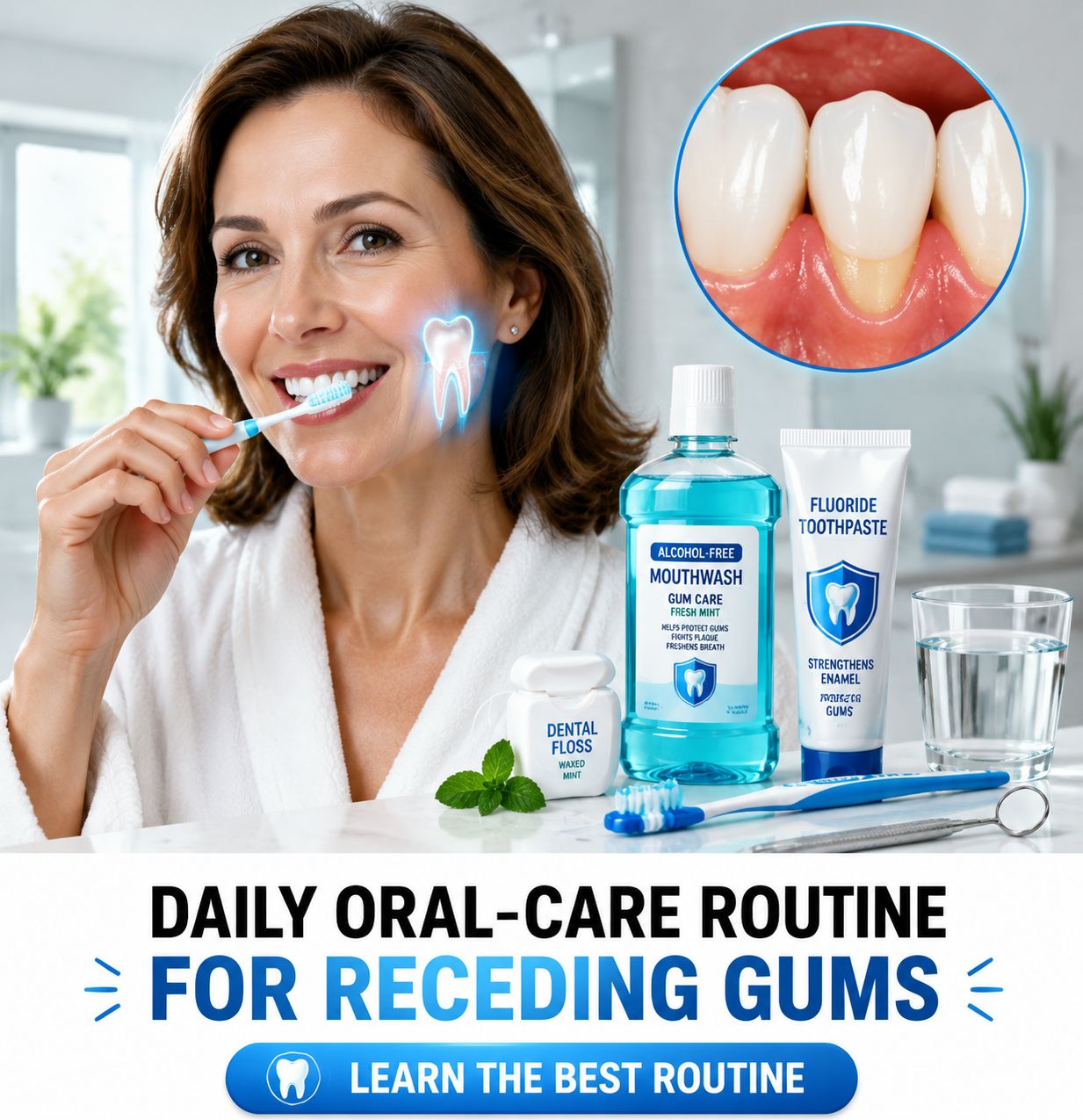
Protecting receding gums requires more than choosing the right mouthwash. A consistent daily routine is one of the most important parts of maintaining good oral health.
Morning
- Start your day by brushing gently with a soft-bristle toothbrush and fluoride toothpaste. Spend about two minutes cleaning all tooth surfaces, paying particular attention to the gumline without applying excessive pressure.
During the Day
- Stay hydrated, especially if your mouth tends to feel dry. Drinking water can help keep your mouth comfortable and support normal saliva function.
Evening
- Clean between your teeth using floss or another interdental cleaning method recommended for you. Then brush gently with fluoride toothpaste.
Final Thoughts
If you’re looking for the best mouthwash for receding gums, a gentle, alcohol-free fluoride mouthwash can be a practical choice for everyday oral care.
Fluoride helps protect exposed tooth surfaces from decay, while an alcohol-free formula may feel more comfortable if your gums are sensitive or your mouth feels dry.
However, the right mouthwash depends on your individual needs. If plaque buildup or gingivitis is your main concern, an antimicrobial mouthwash may be more suitable.
Most importantly, remember that mouthwash cannot regrow gum tissue that has already receded.
If your gums continue to pull away from your teeth, or you experience bleeding, swelling, pain, loose teeth, or significant sensitivity, consult a dentist to identify the underlying cause.
For daily gum care, choose a gentle, alcohol-free fluoride mouthwash that fits your oral-health needs.
Combine it with gentle brushing, daily interdental cleaning, and regular dental checkups for the best overall approach to protecting your gums and exposed teeth.
.
.
.
