Table of Contents
ToggleWhy Does My Breath Smell So Bad? (✨FRESH BREATH CARE!) Learn common causes and simple tips for fresher, cleaner breath.
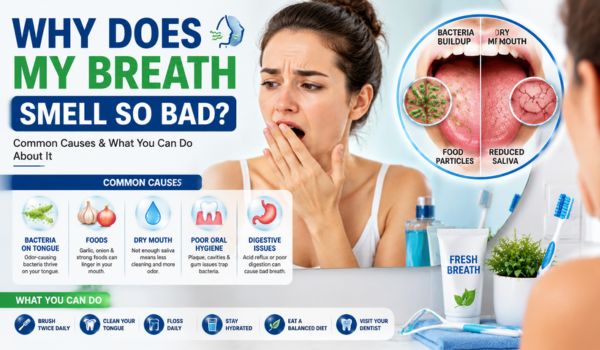

Have you ever brushed your teeth, used mouthwash, and still wondered, “Why does my breath smell so bad?” You are not alone.
Bad breath, medically known as halitosis, is extremely common and can happen even when you regularly brush your teeth.
However, persistent bad breath can also be related to plaque buildup, bacteria on the tongue, gum disease, tooth decay, dry mouth, tonsil stones, certain medications, or other health conditions.
The good news is that most cases of bad breath can be improved once the underlying cause is identified.
Temporary solutions such as mints and gum may mask an odor, but addressing the source is usually more effective.
Mayo Clinic notes that most bad breath begins in the mouth and recommends good oral hygiene, tongue cleaning, flossing, hydration, and dental evaluation when the problem continues.
What Is Bad Breath?
Bad breath is an unpleasant odor coming from the mouth. Occasional bad breath is normal, particularly after waking up, eating certain foods, or going several hours without eating or drinking.
Persistent bad breath is different. If the odor continues throughout the day despite brushing and other basic hygiene measures, there may be an underlying reason that needs attention.
The odor can vary depending on its cause. Some people notice a sour, sulfur-like, rotten, metallic, or unusually strong smell.
One reason bad breath can be difficult to identify is that people often become accustomed to their own smell.
You may not notice it even when other people do. Mayo Clinic recommends asking a trusted person for an honest assessment if you are unsure whether you have bad breath.
Bacteria on Your Tongue May Be the Cause
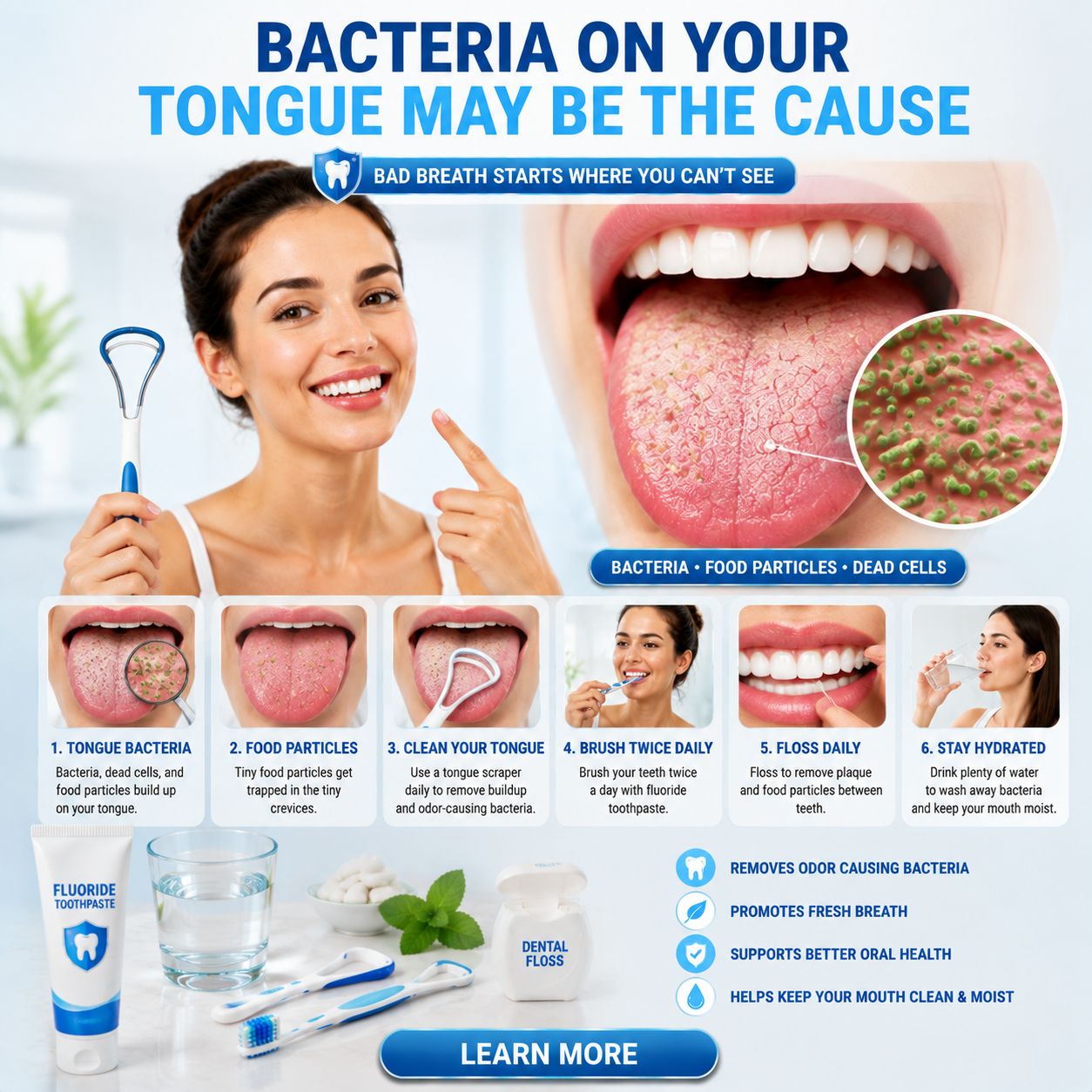
When people think about bad breath, they often focus entirely on their teeth. However, your tongue can also play a major role.
The tongue has a naturally uneven surface containing tiny structures that can trap food particles, mucus, dead cells, and bacteria.
If you brush your teeth regularly but rarely clean your tongue, bacteria may continue to contribute to bad breath.
What Can Help?
Gently clean your tongue once a day using a toothbrush or tongue scraper. You do not need to scrub aggressively. Excessive pressure can irritate the tongue.
A simple routine can include:
- Brush your teeth twice daily.
- Gently brush your tongue.
- Floss or use an interdental cleaner daily.
- Drink enough water.
- Visit your dentist regularly.
Mayo Clinic specifically recommends brushing the tongue because bacteria can accumulate there and contribute to odor.
Poor Oral Hygiene Can Create Strong Odors
If food particles and plaque remain in your mouth, bacteria can break them down and produce unpleasant odors.
Plaque is a sticky bacterial film that forms on teeth. When it is not removed regularly, it can irritate the gums and contribute to gum disease.
Food can also become trapped between teeth. Over time, those particles may contribute to an unpleasant smell.
You need to clean the areas between your teeth as well. Flossing or using another interdental cleaner can remove material that a toothbrush cannot easily reach.
Mayo Clinic recommends brushing regularly, flossing at least once a day, and maintaining routine dental checkups to help control bad breath and protect oral health.
Gum Disease May Make Your Breath Smell Bad
One important answer to “why does my breath smell so bad?” is gum disease.
Gum disease can develop when plaque accumulates around the gumline. Early gum disease, called gingivitis, may cause red, swollen, or bleeding gums.
If gum disease progresses, deeper pockets can develop around the teeth. These areas can collect bacteria and debris, making them difficult to clean with normal brushing.
Persistent bad breath can, therefore, sometimes be an indication that your gums need professional evaluation.
Pay attention if you experience bad breath along with:
- Bleeding gums
- Swollen gums
- Tender gums
- Persistent bad taste
- Receding gums
- Loose teeth
- Increased tooth sensitivity
If these symptoms occur, make an appointment with a dentist rather than relying only on breath mints or mouthwash.
Professional treatment may be necessary when bacteria and buildup are located below the gumline.
Dry Mouth Can Cause Bad Breath
Saliva is more important than you might realize. It helps keep your mouth moist and naturally washes away food particles and other substances that can contribute to odor.
When saliva production decreases, bacteria and debris can remain in the mouth for longer. This condition is commonly called dry mouth, or xerostomia.
Dry mouth can happen temporarily during sleep, which is one reason morning breath is so common.
Other potential contributors include certain medications, tobacco use, dehydration, and some medical conditions.
Ways to Support a Moist Mouth
You can try:
- Drinking water regularly.
- Limiting tobacco.
- Choosing sugar-free gum to stimulate saliva.
- Avoiding excessive alcohol.
- Paying attention to caffeine intake if it worsens dryness.
- Addressing persistent nasal congestion or mouth breathing with a healthcare professional.
Mayo Clinic recommends keeping the mouth moist and notes that sugar-free gum or candy can stimulate saliva production.
Certain Foods Can Make Your Breath Smell Strong
Garlic and onions are well-known examples, but they are not the only foods or beverages that can affect breath.
After certain foods are digested, their compounds can enter the bloodstream and eventually affect the air you exhale through your lungs. This means brushing your teeth may not immediately eliminate the odor.
Other common contributors may include:
- Garlic
- Onions
- Strong spices
- Coffee
- Alcohol
- Certain strongly flavored foods
This type of bad breath is usually temporary.
If you notice that your breath consistently smells worse after a particular food or drink, keep a simple food-and-symptom journal for several days. This may help you identify patterns.
Smoking and Tobacco Can Cause Bad Breath
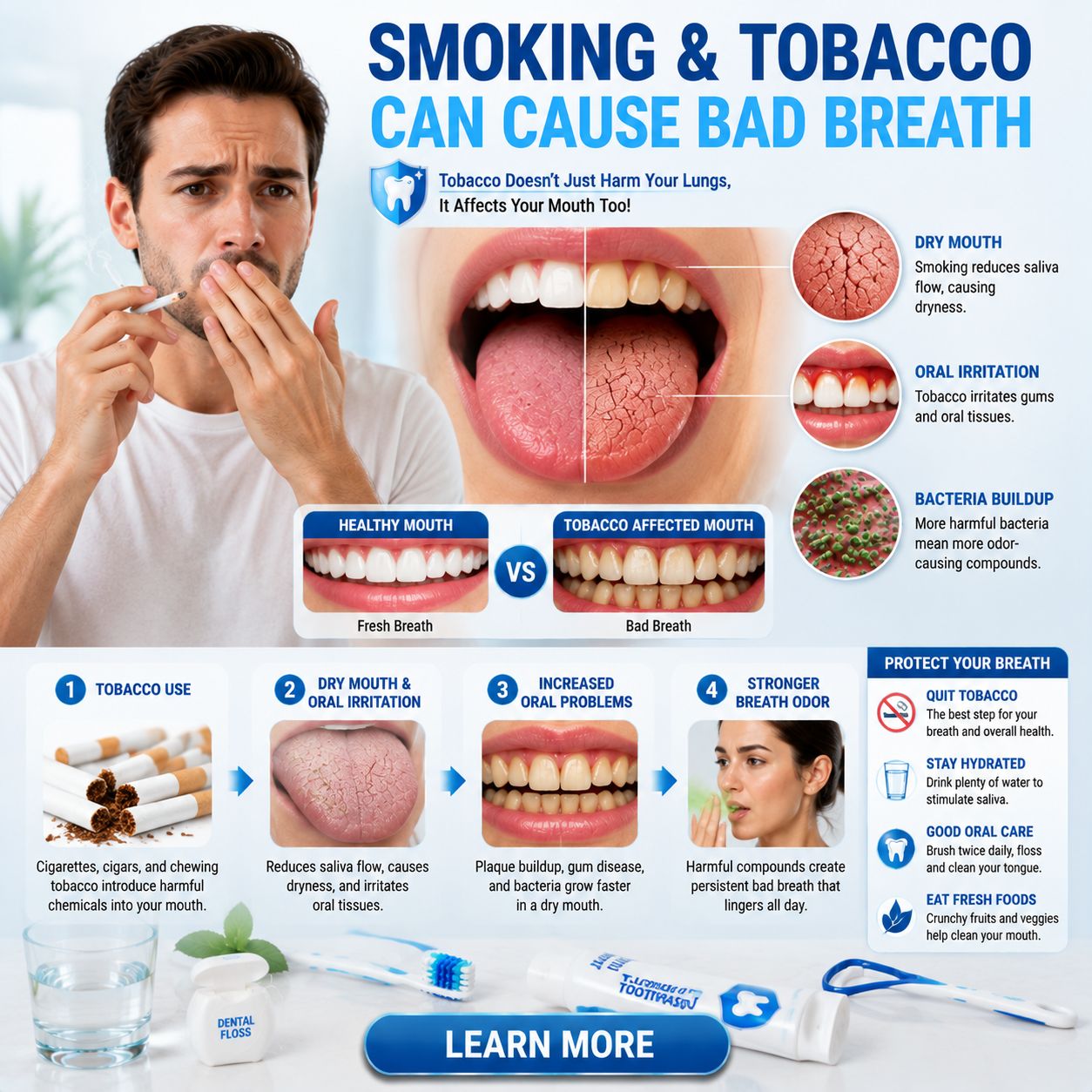
Tobacco use is another common contributor to unpleasant breath.
Smoking can leave strong-smelling substances in the mouth while also contributing to dryness. Tobacco users also have a higher risk of gum disease, which itself can cause persistent bad breath.
So the problem can become a cycle:
Stopping tobacco use can benefit much more than breath freshness. It can also support overall oral and general health.
If quitting is difficult, speak with a healthcare professional about evidence-based cessation support.
Tooth Decay or Dental Problems May Be Responsible
Bad breath can sometimes come from a dental problem that isn’t obvious when you look in the mirror.
Cavities, infected areas, damaged fillings, food trapped around dental work, and other oral problems can create environments where odor-producing bacteria thrive.
You might suspect a dental issue if bad breath occurs alongside:
- Tooth pain
- Sensitivity
- Swelling
- A persistent bad taste
- Pain when chewing
- Visible cavities
- Gum bleeding
If the odor continues despite careful oral hygiene, a dental examination can help determine whether a tooth or gum problem is responsible.
Mayo Clinic notes that tooth decay, gum disease, mouth sores, and other oral infections can contribute to bad breath.
Tonsil Stones Can Cause Very Bad Breath
Tonsil stones are small deposits that can develop in the crevices of the tonsils. They may contain bacteria, mucus, food debris, and other material.
Because bacteria can become trapped in these areas, tonsil stones may produce a noticeable, unpleasant odor.
Some people may notice:
- Bad breath that keeps returning
- A bad taste
- White or yellow material around the tonsils
- A sensation that something is stuck in the throat
- Small particles coming from the tonsils
Not everyone with tonsil stones has symptoms, and not every case of bad breath is caused by them.
If you frequently experience tonsil stones or throat symptoms, talk with a healthcare professional or dentist about appropriate treatment.
Postnasal Drip and Sinus Problems May Play a Role
Nasal and throat conditions can sometimes contribute to unpleasant breath, although they are not the most common explanation.
Sinus infections or other nose and throat problems may be more likely when bad breath occurs alongside symptoms such as:
- Persistent nasal congestion
- Facial pressure
- Thick nasal discharge
- Sore throat
- Reduced sense of smell
- Frequent mouth breathing
Mayo Clinic notes that infections or persistent swelling in the nose, sinuses, or throat can sometimes contribute to bad breath.
How to Get Rid of Bad Breath Naturally?
If you’re asking, “Why does my breath smell so bad and how can I fix it?”, start with these simple daily habits.
Brush Twice a Day
- Brush your teeth for about two minutes twice a day using fluoride toothpaste. Gently clean around the gumline and hard-to-reach areas without brushing too aggressively.
Clean Your Tongue
- Gently brush your tongue or use a tongue scraper once a day. This helps remove bacteria, food particles, and debris that can contribute to unpleasant breath.
Floss Every Day
- Flossing helps remove food particles and plaque from between your teeth, where a toothbrush cannot reach effectively. Interdental cleaners can also be useful if traditional floss is difficult to use.
Drink More Water
- Drinking water regularly helps keep your mouth hydrated and supports normal saliva production. Staying hydrated may also help reduce the dry-mouth conditions that contribute to bad breath.
Choose Sugar-Free Gum
- Chewing sugar-free gum can stimulate saliva production and may help freshen your breath, especially when your mouth feels dry between meals.
Avoid Tobacco
- Smoking and other tobacco products can contribute to dry mouth, oral irritation, and stronger breath odor. Avoiding tobacco can also support better overall oral health.
Limit Strong-Smelling Foods When Necessary
- Foods such as garlic, onions, and certain strong spices can temporarily affect your breath. If you notice a particular food consistently causes stronger odors, consider limiting it before important social events.
When Should You See a Dentist?
Occasional bad breath usually isn’t something to worry about. However, make a dental appointment if your breath remains unpleasant despite consistently practicing good oral hygiene.
You should also consider a professional evaluation if you have:
- Persistent bad breath
- Bleeding or swollen gums
- Tooth pain
- Loose teeth
- Persistent bad taste
- Visible tooth decay
- Significant dry mouth
- Recurrent tonsil stones
- Mouth sores that don’t heal
- Unexplained changes in your oral health
A dentist can examine your teeth, gums, tongue, and other oral tissues to identify potential sources.
Mayo Clinic recommends seeing a dentist when lifestyle and oral-hygiene changes do not resolve persistent bad breath.
What Happens During a Bad Breath Evaluation?
A dentist will generally start by asking questions about when the problem began and whether it occurs constantly or occasionally.
They may ask about:
- Your brushing routine
- Flossing habits
- Diet
- Tobacco use
- Medications
- Dry mouth
- Snoring or mouth breathing
- Sinus symptoms
- Dental history
- Other health symptoms
The dentist may examine your teeth and gums and assess the tongue and other areas of the mouth.
If the dental examination does not reveal the cause, your dentist may recommend evaluation by another healthcare professional.
This is one reason it is better to investigate persistent bad breath instead of repeatedly covering it with mints.
A Simple Daily Routine for Fresher Breath
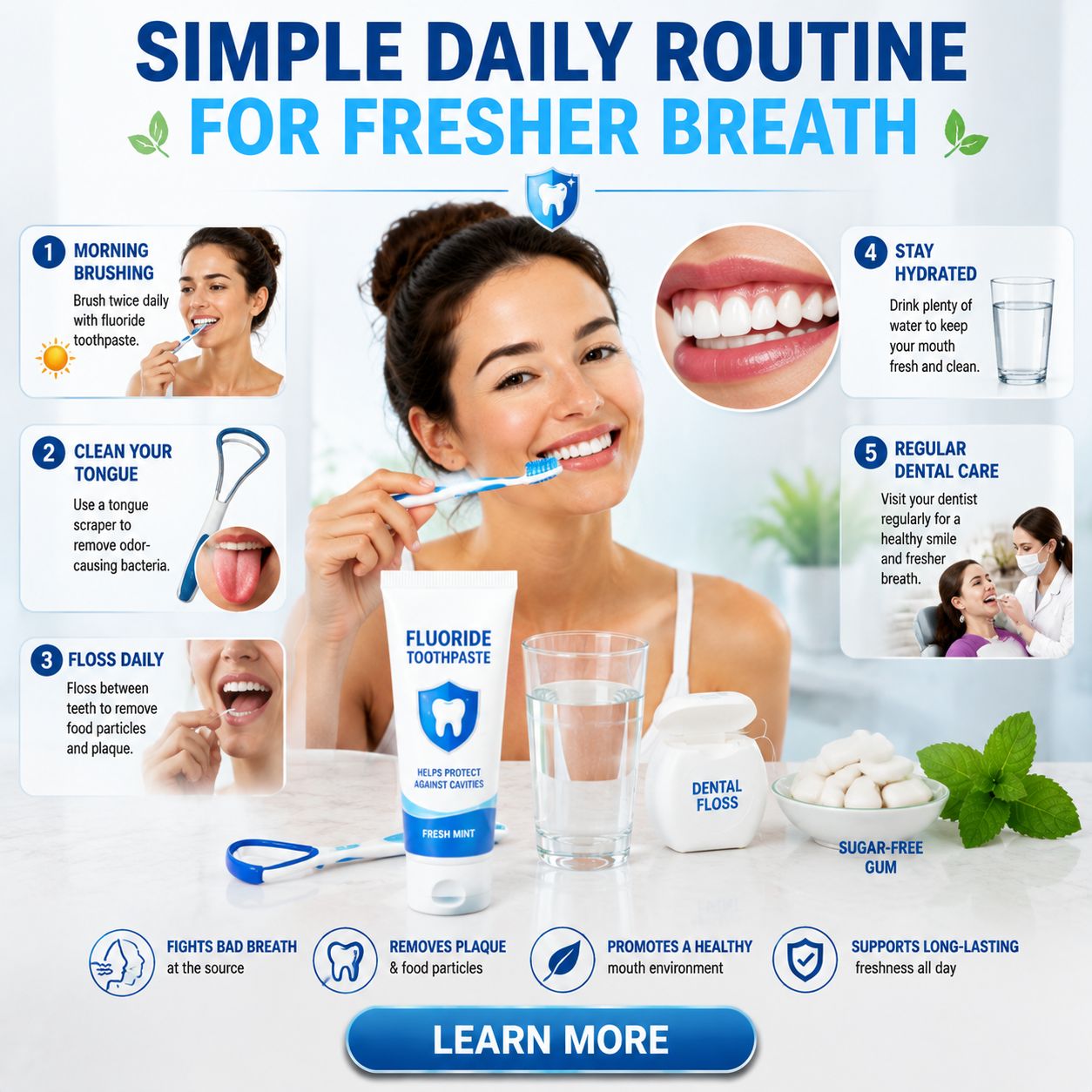
A consistent routine can make a significant difference.
- Morning: Brush your teeth with fluoride toothpaste and gently clean your tongue. Drink water after waking.
- After meals: Rinse your mouth with water when brushing isn’t practical. Sugar-free gum can also help stimulate saliva.
- Evening: Brush thoroughly and floss or use an interdental cleaner. Clean dental appliances as recommended.
- Throughout the day: Drink water regularly, limit tobacco, and pay attention to foods or drinks that seem to make your breath worse.
- Regularly: Visit your dentist for preventive examinations and professional care when needed.
Final Thoughts
So, why does my breath smell so bad? In most cases, the answer is somewhere in your mouth.
Bacteria on the tongue, plaque, food trapped between teeth, gum disease, tooth decay, dry mouth, tobacco use, and certain foods are among the most common explanations.
Tonsil stones, sinus problems, reflux, medications, and certain health conditions can also contribute in some people.
Start with the fundamentals: brush twice daily, clean between your teeth, gently clean your tongue, drink enough water, keep dental appliances clean, and avoid tobacco.
If your breath remains noticeably unpleasant despite these steps, schedule a dental examination.
Persistent bad breath isn’t something you have to simply live with. Once the underlying cause is identified, the right treatment can often make a meaningful difference.
Medical disclaimer: This article is for general educational purposes and is not a substitute for professional dental or medical advice. Persistent, severe, or unexplained symptoms should be evaluated by a qualified healthcare professional.
.
.
.
