Table of Contents
ToggleGum Swollen Around One Tooth? (🦷GUM CARE TIPS!) Learn common causes, simple home-care steps, and when to see a dentist for persistent swelling.
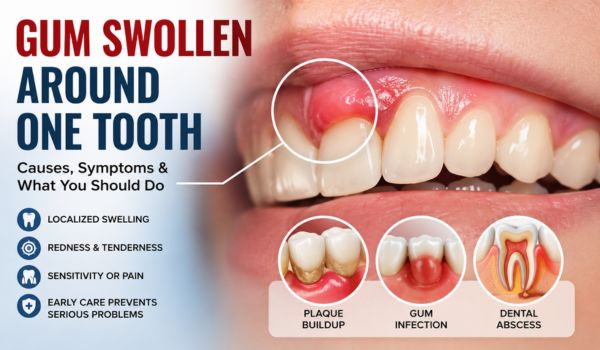

Noticing a swollen gum around one tooth can be uncomfortable and worrying. You may see a small area of puffiness near your tooth, feel tenderness while brushing, or experience discomfort when chewing.
Because the swelling appears in only one location, many people wonder whether it is a simple irritation or a sign of a deeper dental concern.
A swollen gum around one tooth often happens because something is affecting the tissue surrounding that specific tooth.
Common causes include trapped food particles, plaque buildup, gum inflammation, irritation from brushing, tooth problems, or localized infection.
Understanding why the swelling occurs, how to care for the area, and when to visit a dentist can help protect your teeth and maintain healthy gums.
What Does Gum Swollen Around One Tooth Mean?
When the gum tissue around a single tooth becomes enlarged, red, or tender, it usually indicates inflammation in that specific area.
Your gums act as a protective barrier around your teeth, and swelling is often the body’s natural response to irritation, bacteria, or injury.
generalized gum swelling that affects several areas of the mouth, swelling around one tooth usually points toward a localized problem.
For example, a small piece of food trapped near the gumline may irritate the tissue, or bacteria around one tooth may trigger inflammation.
In some cases, the swelling may appear as a small bump or raised area on the gum. This can sometimes be associated with an abscess or infection that requires professional evaluation.
Although mild swelling may improve with proper oral care, persistent or worsening symptoms should not be ignored.
Common Causes of Gum Swelling Around One Tooth
1. Trapped Food Between Teeth
One of the most common reasons for a swollen gum around one tooth is food getting stuck between the tooth and the gum tissue.
Small particles from foods such as popcorn, seeds, nuts, or fibrous vegetables can become lodged in tight spaces.
When the body detects this irritation, the surrounding gum tissue may become inflamed and swollen.
You may notice:
- Tenderness around one tooth
- A feeling of pressure in the gum
- Mild discomfort while biting
- Redness near the affected area
Carefully flossing the area and rinsing with water may help remove the trapped debris. Avoid using sharp objects because they can damage the gum tissue and increase irritation.
2. Plaque Buildup and Gum Inflammation
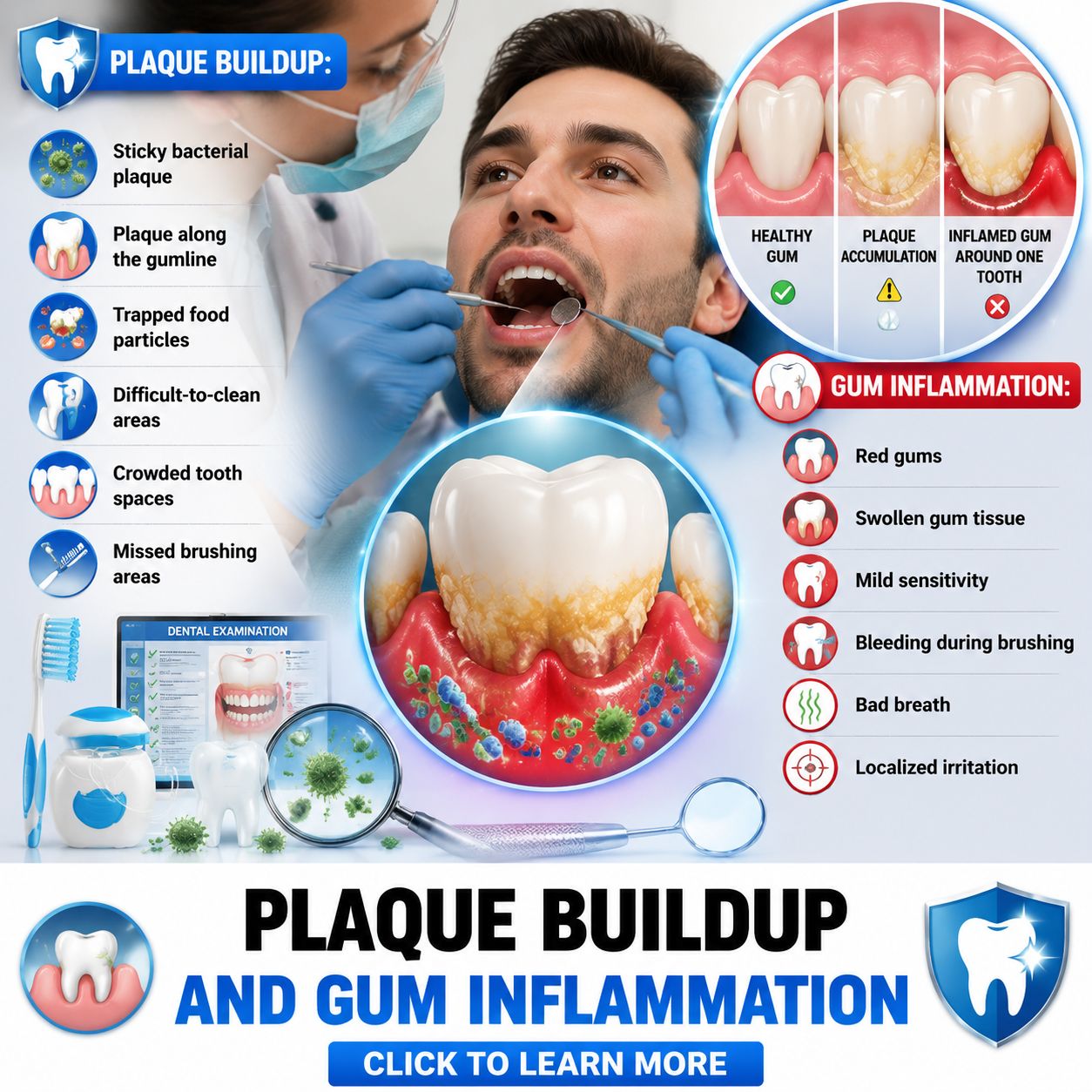
Plaque is a sticky layer of bacteria that naturally forms on teeth. When plaque remains along the gumline, it can irritate the surrounding tissue and contribute to swelling.
Sometimes plaque buildup is concentrated around one tooth because of difficult-to-clean areas, crowded teeth, or missed brushing spots.
Early gum inflammation may cause:
- Swollen gums
- Redness
- Bleeding while brushing
- Mild sensitivity
- Bad breath
Maintaining daily brushing and flossing habits can help control plaque and support healthier gums.
3. Gum Infection or Abscess
A swollen gum around one tooth can sometimes be caused by an infection. A dental abscess occurs when bacteria collect in an area around the tooth or gum tissue.
An abscess may cause:
- A swollen bump on the gum
- Throbbing discomfort
- Tooth sensitivity
- Pain while chewing
- Bad taste in the mouth
- Facial swelling in more serious cases
A dental infection generally requires professional treatment because the underlying source needs to be addressed. Ignoring an infection may allow it to spread to surrounding tissues.
4. Brushing or Flossing Injury
Sometimes gum swelling is caused by physical irritation rather than bacteria.
Brushing too aggressively, using a hard-bristle toothbrush, or flossing too forcefully can injure delicate gum tissue around one tooth.
Signs of irritation may include:
- Localized swelling
- Mild soreness
- Sensitivity when touching the area
Using gentle brushing techniques and a soft toothbrush can help protect gum tissue.
5. Tooth Decay or Tooth Problems
A problem inside the tooth can sometimes affect the surrounding gum. Deep cavities, cracks, or damage may allow bacteria to reach areas near the tooth root.
This can lead to inflammation around the affected tooth.
Possible signs include:
- Tooth pain
- Sensitivity to hot or cold
- Gum swelling near the tooth
- Discomfort when chewing
A dentist can examine the tooth and determine whether treatment is needed.
6. Gum Disease
Gum disease develops when bacteria in plaque irritate and damage the gum tissues. It commonly begins with symptoms such as redness, swelling, and bleeding.
While gum disease often affects multiple areas, one tooth may show more noticeable swelling because of increased plaque buildup or an area that is harder to clean.
Symptoms That May Appear With a Swollen Gum Around One Tooth
Red or Puffy Gum
The gum around one tooth may look red, swollen, or puffy because of irritation, plaque buildup, or inflammation.
Gum Tenderness
The swollen area may feel sore or tender when brushing, flossing, touching, or chewing near the affected tooth.
Bleeding Gums
Gums may bleed while brushing or flossing. Frequent bleeding around one tooth can be a sign of irritation or gum disease.
Tooth Pain or Sensitivity
You may feel pain or sensitivity when eating hot, cold, sweet, or acidic foods and drinks.
Bad Taste or Bad Breath
An unpleasant taste or bad breath may happen when bacteria, trapped food, or an infection is present around the tooth.
Pus or a Small Bump
A small bump, pus, or drainage near the swollen gum may be a sign of infection and should be checked by a dentist.
Pain While Chewing
The affected tooth may hurt or feel uncomfortable when biting or chewing, especially if decay or infection is present.
Facial or Jaw Swelling
Swelling that spreads toward the cheek or jaw can be more serious and may require prompt professional dental care.
Home Care Tips for Mild Gum Swelling
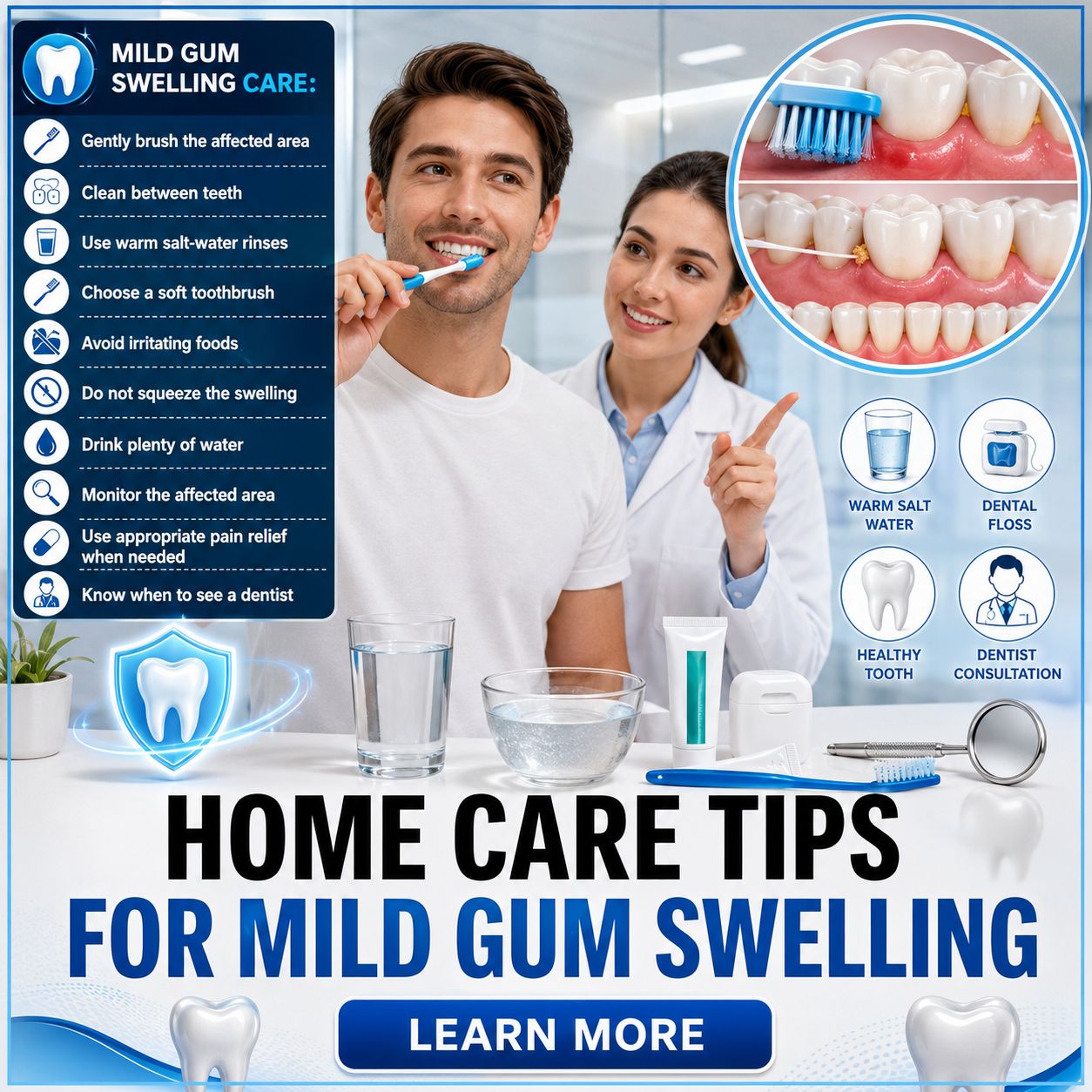
If the swelling is mild and there are no serious warning signs, several steps may help improve comfort.
- Keep the Area Clean: Gently brush around the swollen tooth twice daily with fluoride toothpaste to remove plaque and food particles without irritating the gum further.
- Clean Between Your Teeth: Use floss or an interdental brush gently around the affected tooth to remove trapped food and plaque that may be irritating.
- Rinse With Warm Salt Water: A gentle warm salt-water rinse may soothe irritated gums and help keep the area clean. Avoid using very hot water or rinsing forcefully.
- Choose a Soft Toothbrush: Use a soft-bristled toothbrush and gentle brushing movements around the swollen area. Avoid scrubbing too hard, which can worsen irritation.
- Avoid Irritating Foods: Temporarily avoid very hot, spicy, acidic, hard, or crunchy foods if they cause pain or make the swollen gum feel more uncomfortable.
- Do Not Touch or Squeeze the Swelling: Avoid popping, squeezing, or puncturing the swollen area. Doing this may injure the gum and could make an infection worse.
- Drink Plenty of Water: Staying hydrated can help keep your mouth comfortable and wash away loose food particles between regular brushing and flossing.
- Monitor the Swelling: Keep an eye on the affected area. If swelling becomes worse, returns repeatedly, or does not improve, consider seeing a dentist for proper evaluation.
- Use Pain Relief When Appropriate: If discomfort is bothersome, an over-the-counter pain reliever may provide temporary relief when used as directed on the product label and in accordance with your healthcare provider’s advice.
- Know When to See a Dentist: Persistent swelling, severe pain, pus, fever, facial swelling, or difficulty swallowing or breathing requires prompt professional dental or medical attention.
When Should You See a Dentist?
Some cases of gum swelling improve with proper oral care, but professional evaluation is important if symptoms continue.
You should contact a dentist if you experience:
- Swelling lasting several days
- Increasing pain
- Pus or drainage
- Fever
- Swelling in the face or jaw
- Difficulty opening your mouth
- Loose tooth sensation
- Repeated swelling in the same area
A dentist can identify whether the cause is related to gum inflammation, infection, tooth damage, or another condition.
How Dentists Treat Gum Swelling Around One Tooth?
The treatment for gum swelling around one tooth depends on the underlying cause. During a dental examination, the dentist will check the swollen area, evaluate the tooth and surrounding gums, and determine the most suitable treatment approach.
Professional Dental Cleaning
If plaque or tartar buildup is irritating the tooth, a professional dental cleaning can help remove the buildup and reduce gum inflammation.
Deep Cleaning Treatment
When swelling is linked to gum disease below the gumline, a dentist may recommend deep cleaning to remove bacteria and buildup around the tooth roots.
Treatment for Tooth Infection
If an infected tooth is causing the swelling, the dentist may recommend treatment to remove the source of infection and protect the affected tooth.
Drainage and Infection Management
For a gum abscess or localized infection, a dentist may drain the affected area and provide appropriate treatment to control the infection and swelling.
Tooth Restoration or Repair
If decay, cracks, or tooth damage contribute to gum swelling, the dentist may repair or restore the tooth to prevent further irritation.
Remember: Getting professional care when swelling does not improve can help identify the exact cause and support healthier gums and teeth.
Warning Signs That Require Dental Attention
A gum swollen around one tooth may sometimes improve with proper oral hygiene and gentle care.
However, certain symptoms may indicate a deeper dental issue that requires professional attention.
Paying attention to these warning signs can help prevent the condition from becoming more serious and protect your overall oral health.
- Persistent Swelling
- Severe or Worsening Pain
- Pus or Bad Taste
- Facial Swelling or Fever
- Pain While Chewing
- Loose Tooth or Tooth Movement
- Repeated Swelling in the Same Area
- Bleeding or Increased Gum Sensitivity
Prevention Tips for Healthy Gums
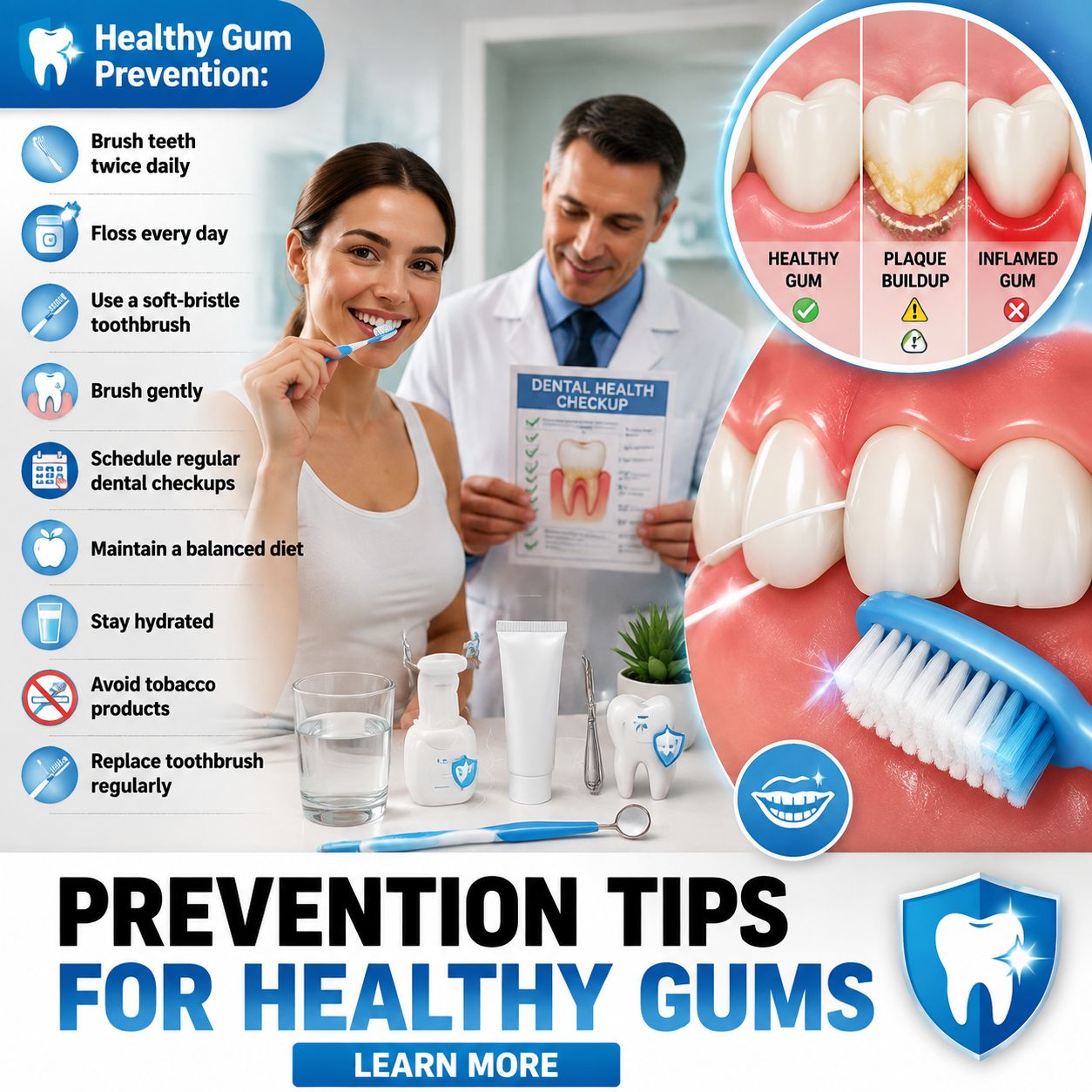
Maintaining healthy gums requires consistent daily care and good oral hygiene habits. Simple preventive steps can help reduce the risk of gum irritation, swelling, and other dental concerns while supporting a healthier smile.
Brush Your Teeth Twice Daily
- Brush your teeth at least two times a day using a soft-bristle toothbrush and gentle motions. Proper brushing helps remove plaque, bacteria, and food particles that can irritate the gumline.
Floss Every Day
- Flossing helps clean areas between teeth where a toothbrush cannot reach. Daily flossing can remove trapped debris and reduce the buildup that may contribute to gum swelling around specific teeth.
Schedule Regular Dental Checkups
- Routine dental visits allow dentists to identify early signs of gum inflammation, cavities, or other oral health issues. Regular cleanings also help maintain a cleaner, healthier mouth.
Use Gentle Brushing Techniques
- Avoid brushing too aggressively, as excessive pressure can irritate gum tissue and cause sensitivity. Gentle circular movements are usually effective for cleaning teeth while protecting the gums.
Maintain a Balanced Diet
- Eating a nutrient-rich diet supports strong teeth and healthy gum tissue. Limiting excessive sugary foods and drinks can also help reduce plaque buildup.
Stay Hydrated
- Drinking enough water supports saliva production, which naturally helps wash away food particles and bacteria from the mouth.
Avoid Tobacco Products
- Tobacco use can negatively affect gum health and increase the risk of dental problems. Avoiding tobacco supports better healing and overall oral wellness.
Replace Your Toothbrush Regularly
- Change your toothbrush when the bristles become worn or approximately every few months. A fresh toothbrush helps maintain effective plaque removal.
By consistently following these preventive habits, you can help protect your gums, reduce the likelihood of swelling around a single tooth, and support long-term oral health.
Final Thoughts
A swollen gum around one tooth may seem like a small issue, but it can provide important clues about your oral health.
The cause may be something simple, such as trapped food or mild irritation, or it may indicate a condition that requires dental attention.
Maintaining good brushing and flossing habits, paying attention to changes in your gums, and seeking professional advice when symptoms persist are important steps toward protecting your smile.
Healthy gums support strong teeth, better comfort, and long-term oral wellness. Taking action early can help prevent minor concerns from becoming more serious dental problems.
.
.
.
