Table of Contents
ToggleRed Light Therapy for Vision – (🔴ADVANCED EYE WELLNESS SUPPORT!) Explore how this light-based approach may support eye health and visual comfort.
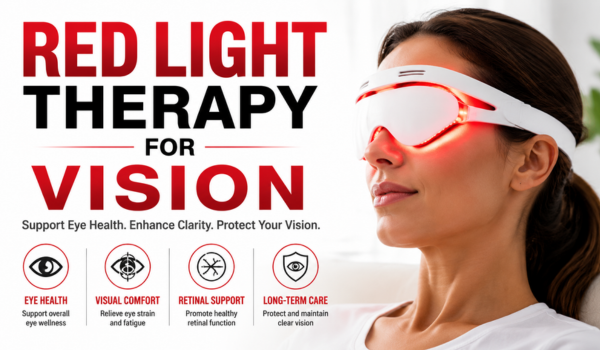

Red Light Therapy for Vision: Benefits, Science & Safety
Vision plays an essential role in everyday life, helping us read, work, recognize faces, and experience the world around us.
As people spend more time using digital devices and facing environmental stressors, interest in natural approaches that support long-term eye wellness continues to grow.
One emerging area gaining attention is red light therapy for vision, a non-invasive approach that uses specific wavelengths of light to support cellular activity in the eyes.
Red light therapy, also known as photobiomodulation, has been studied for its potential effects on cellular energy production, the balance of inflammation, and tissue recovery.
While it is not considered a replacement for professional eye care, researchers are exploring how controlled exposure to red and near-infrared light may influence eye health and support normal visual function.
This article explores what red light therapy for vision is, how it works, potential benefits, scientific research, safety considerations, and how it fits into a healthy eye-care routine.
What is Red Light Therapy for Vision?
Red light therapy for vision is a wellness approach that uses specific wavelengths of red or near-infrared light to stimulate biological processes within eye tissues.
The eyes contain highly active cells, particularly within the retina, which require significant energy to function properly.
The retina converts light into signals that the brain interprets as images, making its health essential for clear vision.
Red light therapy focuses on supporting the mitochondria, which are often described as the energy centers of cells.
By influencing mitochondrial activity, red light may help improve cellular efficiency and support healthy eye function.
How Does Red Light Therapy Work for Vision?
Red light therapy works through a process called photobiomodulation, in which specific wavelengths of light interact with cells and stimulate natural biological responses.
When red or near-infrared light reaches the tissues around the eyes, it may be absorbed by cellular components involved in energy production.
This interaction can support the production of cellular energy molecules, helping cells perform their normal functions more efficiently.
The retina has one of the highest energy demands of any tissue in the human body.
Photoreceptor cells continuously process incoming light signals, so they require a reliable energy supply. Supporting cellular energy pathways may help maintain normal retinal performance.
Red light exposure may also influence oxidative stress balance. The eyes are naturally exposed to factors that can contribute to cellular stress, including sunlight, aging, and prolonged screen use.
Maintaining healthy antioxidant activity is an important part of protecting overall eye wellness.
Potential Benefits
Supports Retinal Cell Health
- The retina contains specialized cells responsible for detecting light and sending visual information to the brain. These cells require continuous energy to function effectively.
- Red light therapy may support retinal cell health by encouraging efficient cellular energy production. Maintaining healthy retinal function is an important part of preserving overall visual wellness.
Helps Maintain Eye Energy Production
- The eyes require significant energy to perform daily visual tasks. Activities such as reading, driving, and focusing on screens place continuous demands on eye cells.
- Red light therapy may help support mitochondrial activity, allowing cells to maintain normal energy processes. This may contribute to healthier eye function over time.
Supports Healthy Aging of the Eyes
- Aging naturally affects many parts of the body, including the eyes. Changes in cellular efficiency and oxidative balance may influence overall visual performance.
- Red light therapy is being studied as a potential tool for support healthy aging by promoting cellular resilience and maintaining normal ocular processes.
May Support Visual Comfort
- Many people experience temporary eye discomfort due to prolonged screen exposure, artificial lighting, or demanding visual activities.
- By supporting cellular function and reducing environmental stress on eye tissues, red light therapy may contribute to improved visual comfort as part of a balanced eye-care routine.
Promotes Cellular Recovery Processes
- Healthy cells constantly repair and maintain themselves. Light-based therapies have been studied for their ability to encourage natural recovery mechanisms within tissues.
- Red light therapy may support these processes by stimulating biological pathways involved in cellular maintenance.
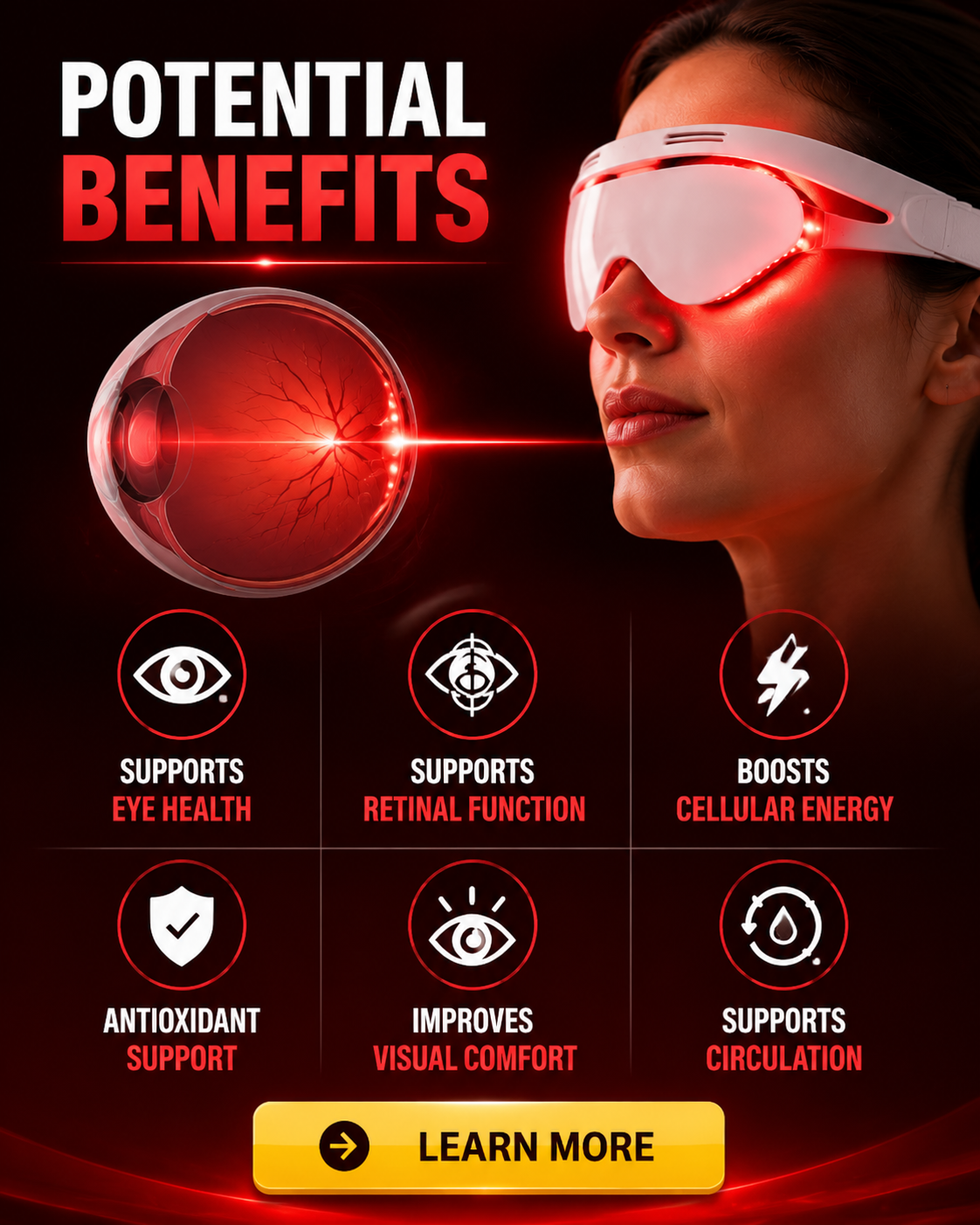
The Science Behind Red Light Therapy and Eye Health
Scientific interest in red light therapy has increased due of its connection to cellular biology.
Researchers have examined photobiomodulation in different areas of health, including tissue recovery, inflammation management, and cellular performance.
The main concept behind red light therapy involves the interaction between light energy and cellular structures.
When specific wavelengths reach cells, they may influence mitochondrial activity and encourage increased energy availability.
The retina is particularly interesting to researchers because retinal cells contain high numbers of mitochondria. These structures help produce the energy required for vision-related activities.
Studies investigating red light exposure have explored whether it may influence retinal metabolism and support normal function.
Some research has suggested that carefully controlled wavelengths may have positive effects on certain aspects of visual health.
However, red light therapy is still an emerging field. Research continues to determine the ideal wavelength, exposure time, and long-term impact for different eye-related concerns.
It is important to understand that red light therapy should be viewed as a supportive wellness method rather than a guaranteed solution for vision problems.
Red Light Therapy for Age-Related Vision Changes
As people get older, maintaining eye health becomes increasingly important. Natural aging can affect the efficiency of eye cells and the ability of tissues to handle everyday stress.
Researchers are exploring whether red light therapy may help support aging eyes by improving cellular energy function.
Since mitochondrial performance can decline with age, supporting these cellular pathways may be beneficial for maintaining normal eye activity.
Some studies have examined whether specific light exposure may influence retinal function in older adults. While early findings are encouraging, experts emphasize that more large-scale research is needed before making strong conclusions.
Can Red Light Therapy Help With Digital Eye Strain?
Digital eye strain has become increasingly common as people spend extended periods looking at computers, smartphones, and tablets.
Common experiences associated with screen-related eye strain include:
- Temporary eye fatigue
- Difficulty maintaining focus
- Dry or uncomfortable eyes
- General visual tiredness
Red light therapy is being explored as a potential supportive approach due of its potential effects on cellular energy and tissue health.
However, it does not replace healthy screen habits. Taking regular breaks, adjusting screen brightness, maintaining proper distance, and practicing good eye-care habits remain important.
The combination of healthy lifestyle choices and supportive technologies may provide a more complete approach to maintaining visual comfort.
How to Use?
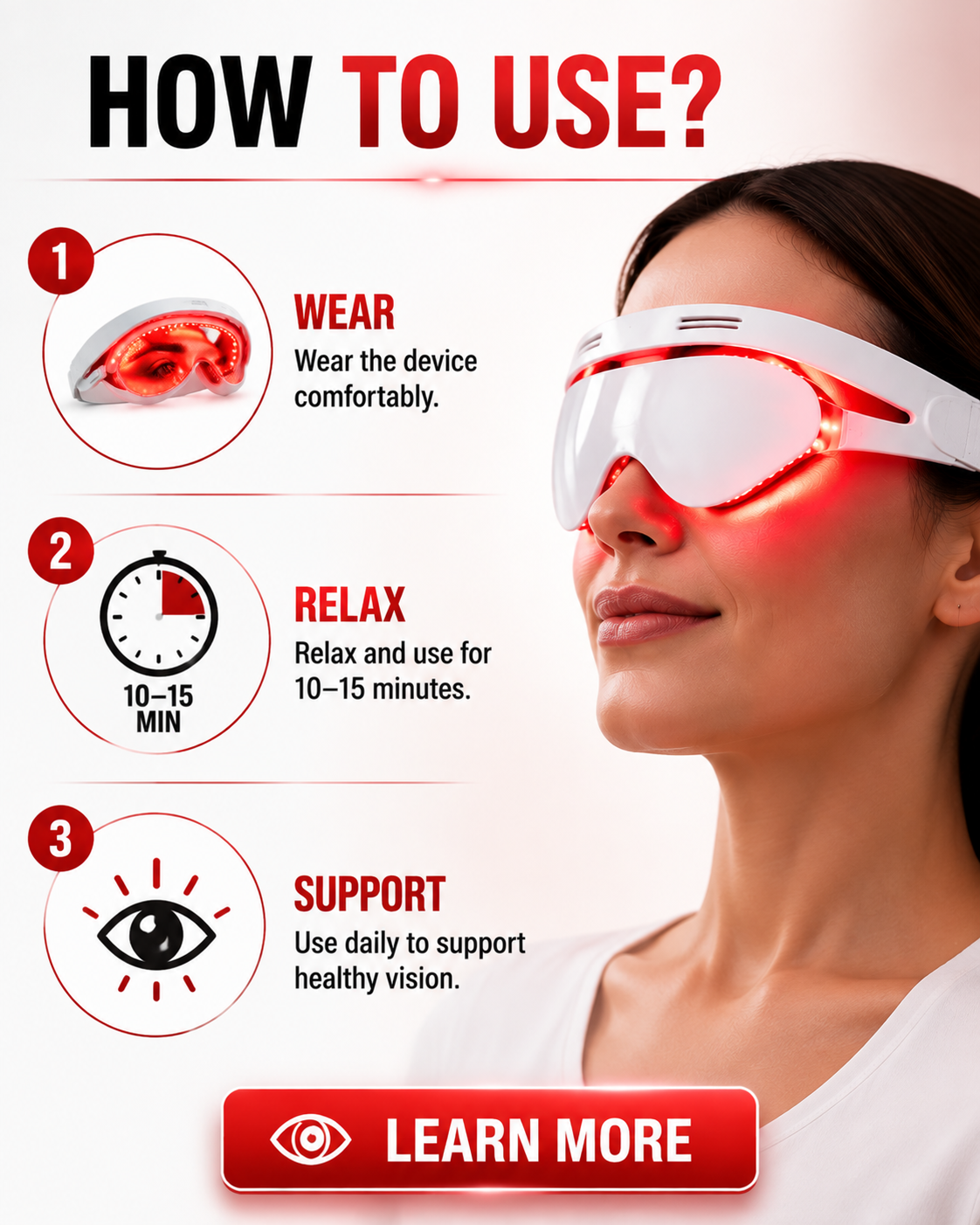
The exact method of using red light therapy depends on the specific device and manufacturer instructions. Most approaches involve controlled exposure to red or near-infrared wavelengths for a specific amount of time.
General considerations include:
1. Follow Device Instructions
- Always use a red light therapy device according to the provided guidelines. Different devices may have different recommended distances, exposure times, and settings.
2. Maintain Consistency
- Like many wellness practices, consistent use is generally considered important. Occasional exposure may not provide the same supportive effects as a regular routine.
3. Combine With Healthy Eye Habits
- Red light therapy works best when combined with overall eye care practices, including proper nutrition, regular eye exams, and reducing unnecessary screen strain.
Safety Considerations of Red Light Therapy for Vision
Red light therapy is generally considered a non-invasive wellness approach, but eye safety should always be a priority.
Important safety considerations include:
- Use only devices designed for eye-related applications.
- Follow recommended exposure times.
- Avoid looking directly into intense light sources unless instructed.
- Consult an eye-care professional if you have existing eye conditions.
Not all red light devices are created equally. Device quality, wavelength accuracy, and proper usage can influence safety and effectiveness.
People with specific eye concerns should discuss new therapies with a qualified healthcare professional before use.
Red Light Therapy vs Traditional Eye Care
Red light therapy and traditional eye care serve different purposes.
Traditional eye care focuses on diagnosis, prevention, correction, and treatment of vision problems. Eye examinations help identify changes early and allow professionals to recommend appropriate solutions.
Red light therapy is considered a complementary wellness approach that may support normal cellular function and eye health.
A balanced approach combines professional eye care with healthy lifestyle choices and evidence-based supportive methods.
Lifestyle Habits That Support Better Vision
Red light therapy may be one part of a broader eye wellness routine. Several daily habits can help maintain healthy vision:
Eat a Nutrient-Rich Diet
- A balanced diet rich in a variety of whole foods supports overall health, including eye health.
Protect Eyes From Excessive Sun Exposure
- Wearing appropriate eye protection outdoors can help reduce unnecessary exposure to harmful UV rays.
Reduce Screen Strain
- Following the 20-20-20 rule, where you look away every 20 minutes for about 20 seconds, may help reduce digital eye discomfort.
Get Regular Eye Exams
- Routine eye examinations help monitor changes and support early detection of potential concerns.
Maintain Healthy Sleep Patterns
- Adequate sleep allows the body to recover and supports normal eye comfort.
Is Red Light Therapy for Vision Worth Considering?
Red light therapy for vision has gained attention because of its potential ability to support cellular health, retinal function, and overall eye wellness.
Its non-invasive nature makes it an interesting option for people looking for additional ways to support healthy vision.
However, it should not be considered a replacement for professional eye care, corrective lenses, or medical treatments when needed.
The most effective approach to maintaining vision includes regular eye examinations, healthy lifestyle habits, and informed choices about supportive technologies.
As research continues, red light therapy may provide valuable insights into how light-based approaches can contribute to long-term eye health.
Final Thoughts
Red light therapy for vision represents an exciting area of research focused on supporting eye health through advanced light-based technology.
By encouraging cellular energy production, supporting retinal wellness, and promoting healthy aging processes, red light therapy may offer a complementary approach for maintaining visual function.
While more research is needed to understand its full potential, current scientific interest suggests that photobiomodulation could become an important part of future eye wellness strategies.
For anyone considering red light therapy, the best results come from combining it with professional eye care, healthy habits, and responsible usage.
Maintaining vision is a lifelong process, and every supportive step can contribute to healthier eyes.
