Table of Contents
ToggleBest Eye Drops for Blurry Vision – (👁️Clear Vision Support!) Discover top eye drop options, causes of blurry vision, usage tips, and what to know before choosing the right solution.
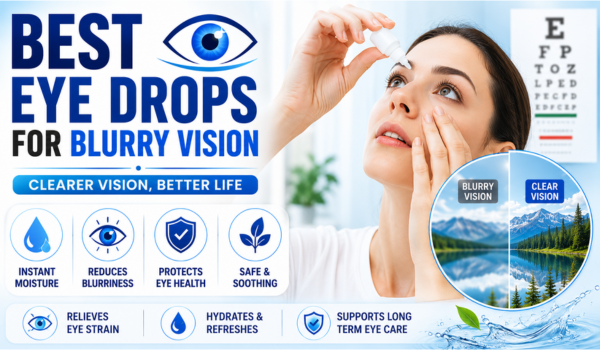

Blurry vision can be frustrating, whether you’re reading a book, working on a computer, driving, or simply trying to enjoy everyday activities.
While blurry vision isn’t always caused by a serious eye condition, it should never be ignored. One of the most common causes of temporary blurry vision is dry eyes, but allergies, digital eye strain, contact lens wear, and minor irritation can also affect how clearly you see.
For millions of people, the right eye drops provide quick relief by restoring moisture, reducing irritation, and improving the tear film that keeps the eye’s surface smooth.
However, choosing the best eye drops isn’t as simple as grabbing the first bottle from the pharmacy shelf.
Different formulas are designed for different causes of blurry vision, and using the wrong type may not solve the problem.
In this guide, you’ll learn what causes blurry vision, how eye drops work, the best over-the-counter options available, ingredients to look for, when eye drops aren’t enough, and how to protect your long-term eye health.
What Causes Blurry Vision?
Blurry vision isn’t a disease itself; it’s a symptom. Understanding the underlying cause helps determine whether eye drops are likely to help.
Dry Eyes
Dry eye syndrome is among the leading causes of temporary blurry vision. Tears are essential because they keep the eye surface smooth and clear.
If your eyes don’t produce enough tears or if tears evaporate too quickly, the tear film becomes unstable.
This uneven tear layer scatters light entering the eye, making vision appear blurry. Artificial tears often improve this problem within minutes.
Common symptoms include:
- Burning sensation
- Scratchy feeling
- Fluctuating blurry vision
- Eye fatigue
- Excessive tearing after dryness
Digital Eye Strain
Modern lifestyles involve hours staring at computers, tablets, and smartphones.
When focusing on screens, people blink less frequently. Reduced blinking causes tears to evaporate faster, leading to dry eyes and temporary blurry vision.
Digital eye strain often includes:
- Dry eyes
- Headaches
- Neck pain
- Eye fatigue
- Difficulty focusing
Lubricating eye drops combined with regular screen breaks often help.
Allergies
Seasonal allergies commonly cause:
- Itchy eyes
- Watery eyes
- Swelling
- Redness
- Temporary blurry vision
When allergies affect the tear film, vision may become cloudy until inflammation settles.
Contact Lenses
Wearing contact lenses for extended periods may reduce oxygen reaching the cornea and contribute to dryness.
Rewetting drops designed specifically for contacts may improve comfort and visual clarity.
Environmental Factors
Wind, smoke, air conditioning, pollution, and dry climates increase tear evaporation, making blurry vision more likely.
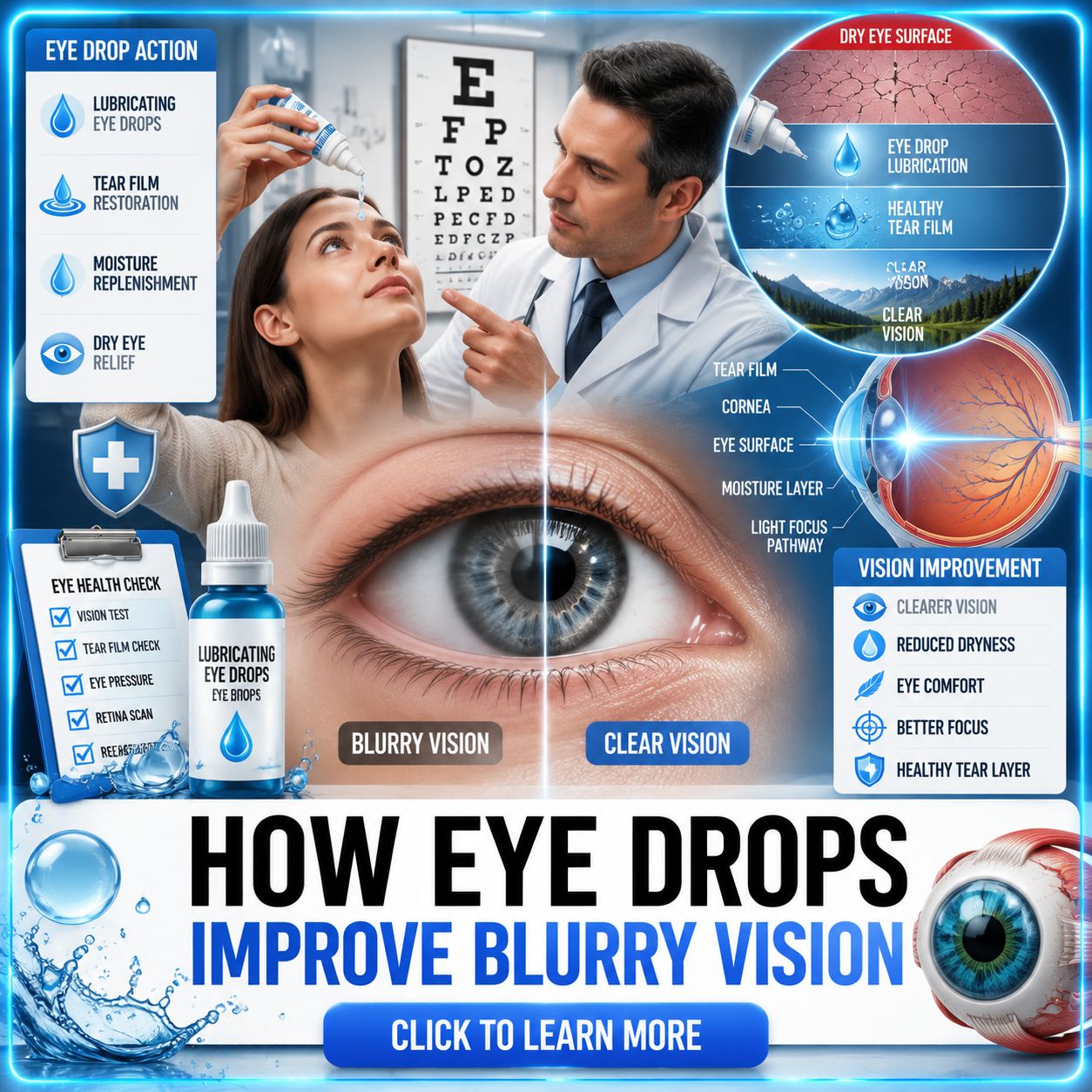
How Eye Drops Help Improve Blurry Vision?
Eye drops can help improve blurry vision when the underlying cause is dry eyes, allergies, minor irritation, or digital eye strain.
However, they won’t correct blurry vision caused by refractive errors, cataracts, or serious eye diseases.
Restore the Natural Tear Film
- A healthy tear film creates a smooth surface over the eyes, allowing light to focus properly. Lubricating eye drops replace lost moisture, helping restore clear, sharp vision when dryness is the cause.
Reduce Dryness and Irritation
- Dry, irritated eyes can make vision appear hazy or fluctuate throughout the day. Artificial tears soothe the eye’s surface, reducing discomfort and improving visual clarity.
Relieve Digital Eye Strain
- Long hours spent using computers, smartphones, or tablets reduce blinking, causing tears to evaporate faster. Eye drops rehydrate the eyes, easing fatigue and helping restore clearer vision after extended screen time.
Wash Away Allergens and Irritants
- Artificial tears can flush out dust, pollen, smoke, and other small particles that irritate the eyes. Removing these irritants helps reduce inflammation and may improve temporary blurry vision.
Support Contact Lens Comfort
- Contact lens wearers often experience dryness that leads to blurry vision. Rewetting eye drops designed for contact lenses keep lenses moist, improve comfort, and help maintain clearer vision throughout the day.
Calm Allergy Symptoms
- Antihistamine eye drops reduce itching, redness, and swelling caused by allergies. As inflammation decreases, vision often becomes clearer and more comfortable.
Protect the Eye Surface
- Many modern eye drops create a protective moisture barrier that reduces tear evaporation and shields the eye from environmental factors like wind, air conditioning, and dry indoor air.
Improve Overall Eye Comfort
- When your eyes feel hydrated and comfortable, they can focus more effectively. Using the right eye drops can reduce strain, improve visual quality, and make daily activities like reading, driving, and computer work more comfortable.
Best Eye Drops for Blurry Vision
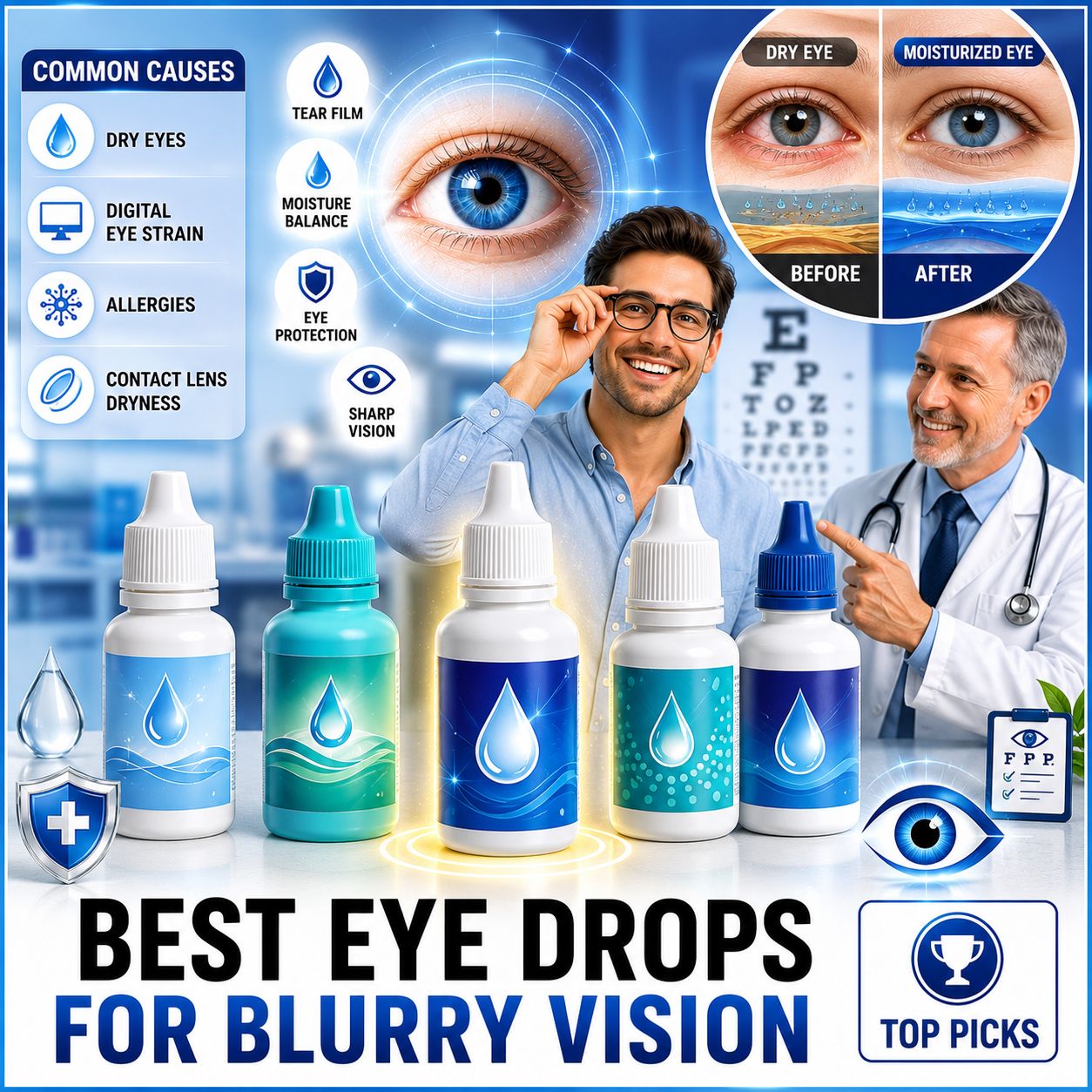
Choosing the best eye drops for blurry vision depends on what’s causing your symptoms.
Blurry vision from dry eyes, allergies, digital eye strain, or contact lens use often improves with the right over-the-counter eye drops. Below are some of the top options and what they’re best suited for.
1. Systane Ultra Lubricant Eye Drops (Best Overall)
Systane Ultra is one of the most trusted artificial tear products for relieving blurry vision caused by dry eyes. Its advanced lubricating formula helps restore moisture, stabilize the tear film, and improve visual clarity. It’s suitable for everyday use and provides fast, long-lasting relief.
Best For:
- Dry eye-related blurry vision
- Computer users
- Daily eye lubrication
- Mild to moderate dry eye symptoms
2. Refresh Optive Lubricant Eye Drops (Best for Long-Lasting Hydration)
Refresh Optive is designed to hydrate the eyes while supporting the natural tear film. It helps relieve dryness, irritation, and fluctuating blurry vision caused by prolonged screen time or dry environments.
Best For:
- Frequent dry eyes
- Office workers
- Air-conditioned environments
- Extended screen use
3. TheraTears Lubricant Eye Drops (Best for Sensitive Eyes)
TheraTears closely mimics natural tears, making it an excellent option for people with sensitive eyes. It provides gentle, long-lasting moisture and is available in preservative-free formulations for frequent use.
Best For:
- Sensitive eyes
- Chronic dry eye
- Daily lubrication
- Frequent eye drop users
4. Blink Tears Lubricating Eye Drops (Best for Digital Eye Strain)
Blink Tears provide soothing hydration that helps relieve eye fatigue and blurry vision caused by long hours of screen use. The formula keeps the eyes comfortable throughout the day.
Best For:
- Computer users
- Digital eye strain
- Mild dry eyes
- Everyday comfort
5. Rohto Dry-Aid Eye Drops (Best for Severe Dry Eyes)
Rohto Dry-Aid features a thicker, long-lasting formula that helps protect the eye surface and relieve persistent dryness. It offers extended moisture for people with moderate to severe dry eye symptoms.
Best For:
- Severe dry eyes
- Long-lasting lubrication
- Dry climates
- Overnight comfort
6. Refresh Relieva Eye Drops (Best for Everyday Moisture)
Refresh Relieva helps restore moisture while protecting the eye’s surface from further irritation. It is ideal for people who experience blurry vision due to everyday dryness or environmental factors.
Best For:
- Every day dry eye relief
- Screen fatigue
- Indoor environments
- General eye comfort
7. Systane Complete PF (Best Preservative-Free Option)
Systane Complete PF is a preservative-free artificial tear that hydrates all layers of the tear film. It provides long-lasting relief without preservatives, making it an excellent choice for people who need frequent eye drop use.
Best For:
- Frequent use
- Sensitive eyes
- Moderate to severe dry eye
- Preservative-free care
8. Zaditor Antihistamine Eye Drops (Best for Allergy-Related Blurry Vision)
If blurry vision is caused by seasonal allergies, Zaditor helps reduce itching, redness, watering, and inflammation. As allergy symptoms improve, vision often becomes clearer and more comfortable.
Best For:
- Seasonal allergies
- Itchy eyes
- Watery eyes
- Allergy-related blurry vision
Ingredients to Look for in Eye Drops
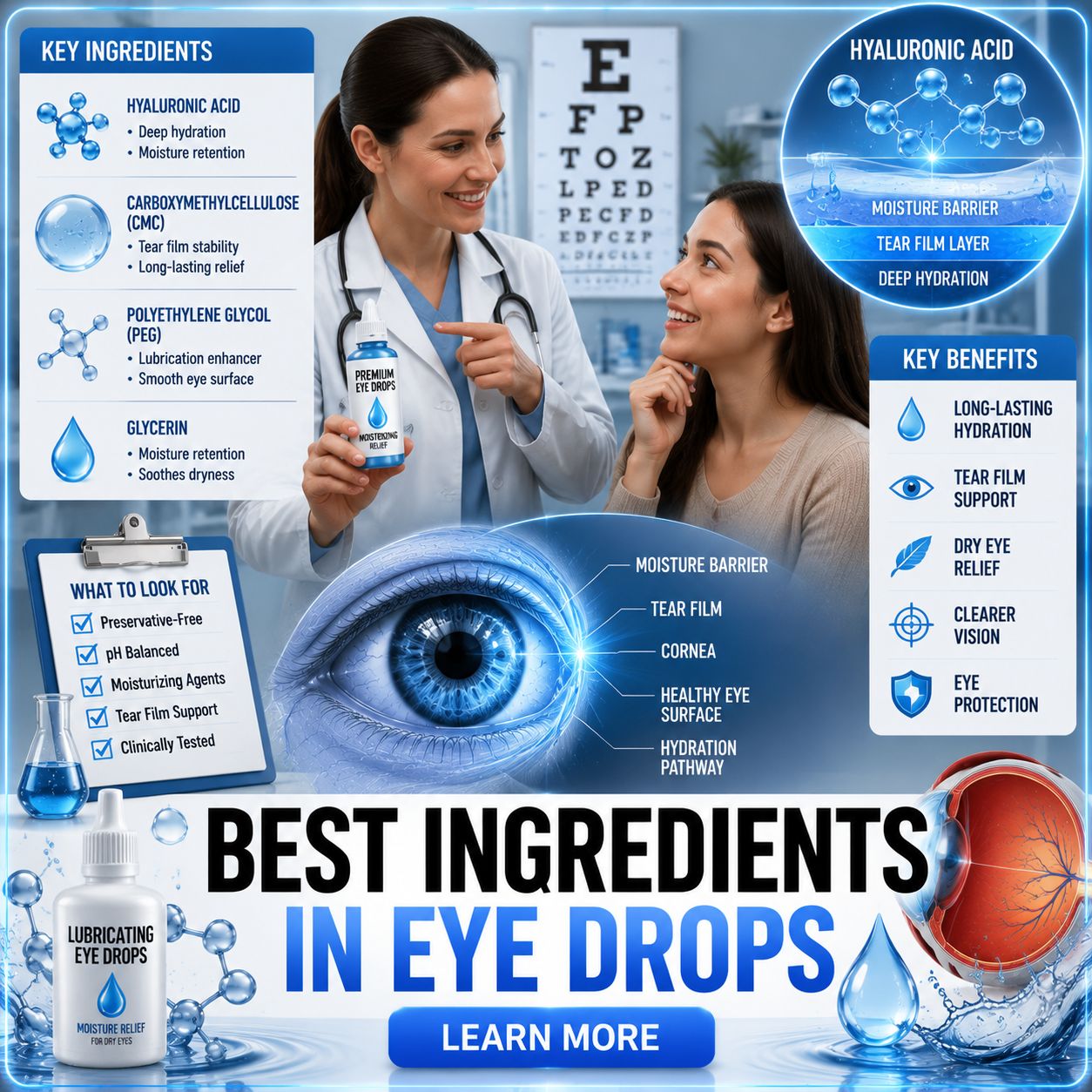
Choosing the right eye drops starts with understanding their ingredients. Different formulas are designed to treat specific causes of blurry vision, such as dry eyes, allergies, or irritation. Here are the key ingredients to look for when selecting eye drops.
Hyaluronic Acid
Hyaluronic acid is a powerful moisturizer that helps the eyes retain water and stay hydrated for longer periods.
It forms a protective layer over the eye’s surface, reducing dryness and improving comfort. Eye drops containing hyaluronic acid are ideal for people with chronic dry eyes or those who spend long hours using digital devices.
Benefits
- Provides long-lasting hydration
- Helps stabilize the tear film
- Reduces dryness and irritation
- Improves overall eye comfort
Carboxymethylcellulose (CMC)
Carboxymethylcellulose is a common lubricant found in many artificial tears. It coats the eye’s surface, reducing friction and helping restore moisture. This ingredient is particularly effective for relieving mild to moderate dry eye symptoms and temporary blurry vision.
Benefits
- Lubricates dry eyes
- Soothes irritation
- Supports a clear vision
- Provides lasting moisture
Polyethylene Glycol (PEG)
Polyethylene glycol is another effective lubricant that helps keep the eyes moist by reducing tear evaporation. It is often combined with other moisturizing ingredients to provide longer-lasting relief from dryness and eye fatigue.
Benefits
- Enhances eye lubrication
- Reduces tear evaporation
- Relieves dry eye discomfort
- Helps maintain a healthy tear film
Glycerin
Glycerin acts as a humectant, attracting and retaining moisture on the eye’s surface. It helps keep the eyes hydrated while reducing irritation caused by environmental factors such as wind, smoke, and air conditioning.
Benefits
- Locks in moisture
- Reduces eye dryness
- Improves comfort during blinking
- Protects the eye surface
Electrolytes
Electrolytes such as potassium, calcium, and magnesium help mimic the composition of natural tears. They support healthy eye cells and maintain the balance of the tear film, promoting better eye comfort and clearer vision.
Benefits
- Supports healthy tear production
- Maintains eye surface balance
- Promotes long-term eye comfort
- Helps protect eye tissues
Antihistamines
Antihistamines are commonly found in eye drops designed to treat allergy-related symptoms. They work by blocking histamine, a chemical released during allergic reactions, helping reduce itching, redness, watering, and temporary blurry vision caused by allergies.
Benefits
- Relieves itchy eyes
- Reduces redness and swelling
- Controls allergy symptoms
- Improves comfort during allergy season
Preservative-Free Formulas
While not an ingredient, choosing preservative-free eye drops can be beneficial for people who use eye drops several times a day or have sensitive eyes. These formulas reduce the risk of irritation associated with certain preservatives found in multi-dose bottles.
Benefits
- Gentle on sensitive eyes
- Suitable for frequent use
- Reduces the risk of preservative-related irritation
- Ideal for chronic dry eye sufferers
Choosing the Right Eye Drops for Your Needs
Selecting the right eye drops depends on the reason behind your eye discomfort or blurry vision. Different formulas are designed to address specific concerns, such as dryness, allergies, redness, or irritation.
- For Dry, Blurry Eyes: If blurry vision is caused by dry eyes, lubricating artificial tears may help restore moisture and improve eye comfort. Look for hydrating formulas that support a healthy tear film and provide long-lasting relief.
- For Allergy-Related Symptoms: If your eyes are itchy, watery, or irritated due to allergies, allergy-focused eye drops may help calm discomfort and reduce symptoms associated with seasonal triggers.
- For Frequent Eye Drop Use: People who need eye drops multiple times a day may prefer preservative-free options, which are often gentler for sensitive eyes and regular use.
- For Screen-Related Eye Strain: Long hours on digital devices can contribute to dryness and temporary blurry vision. Moisturizing eye drops combined with regular screen breaks may help maintain eye comfort.
- When to Seek Professional Advice: If blurry vision is sudden, persistent, worsening, or accompanied by pain, flashes, or vision loss, consult an eye care professional to identify the underlying cause and receive appropriate guidance.
Tips for Keeping Your Vision Clear Naturally
Eye drops work best when combined with healthy habits.
- Follow the 20-20-20 Rule: Every 20 minutes, look 20 feet away for 20 seconds to reduce eye strain.
- Blink frequently: Regular blinking keeps your eyes naturally lubricated and prevents dryness.
- Stay Hydrated: Drink plenty of water to support healthy tear production.
- Eat Eye-Healthy Foods: Include leafy greens, carrots, salmon, and citrus fruits for essential eye nutrients.
- Wear UV-Protective Sunglasses: Protect your eyes from harmful UVA and UVB rays outdoors.
- Get Regular Eye Exams: Routine checkups help detect vision problems early and keep your eyes healthy.
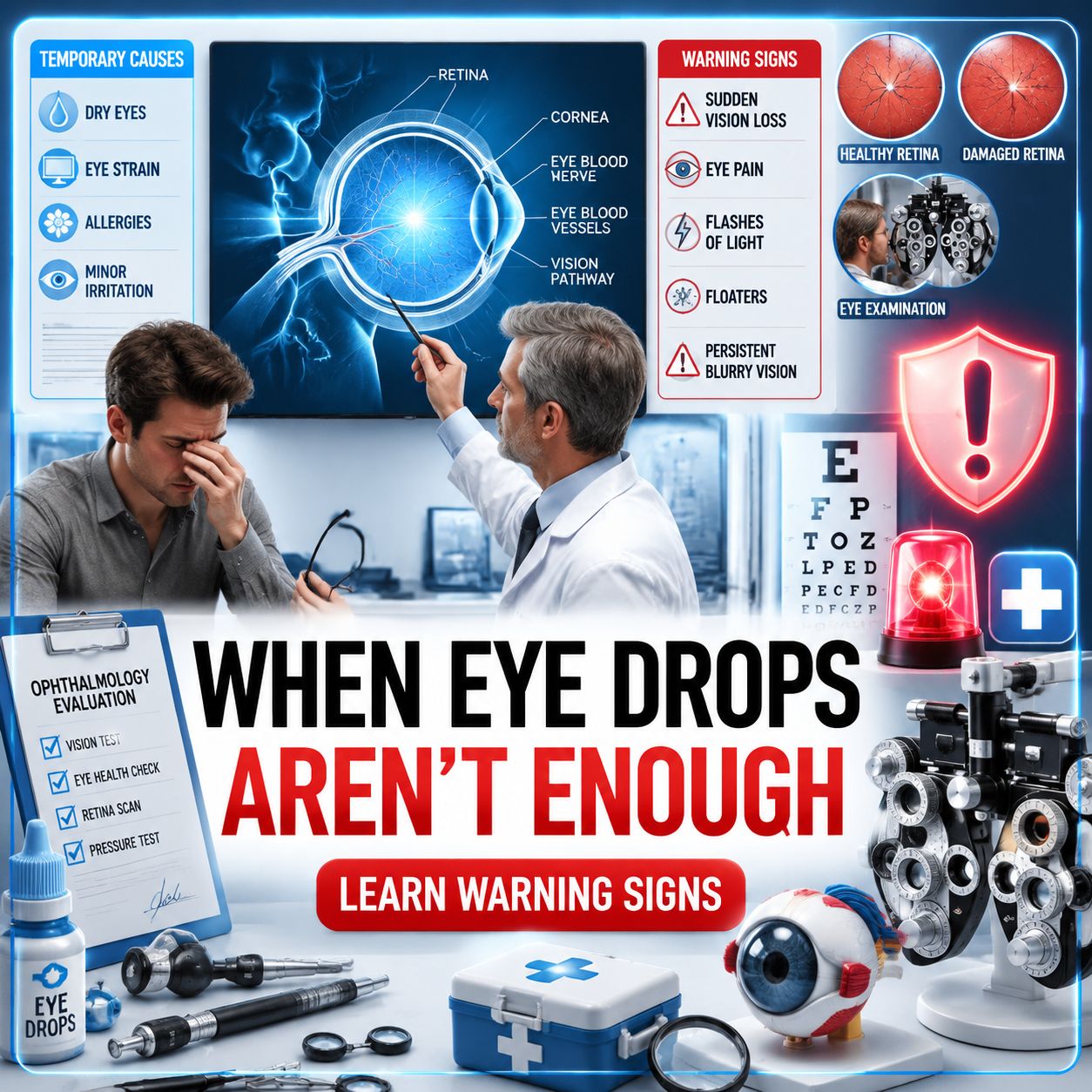
When Eye Drops Aren’t Enough?
Although artificial tears help many people, blurry vision sometimes signals a more serious condition.
Seek medical care immediately if blurry vision occurs with:
- Severe eye pain
- Sudden vision loss
- Double vision
- Flashes of light
- New floaters
- Eye injury
- Persistent redness
- Chemical exposure
These symptoms may indicate glaucoma, retinal problems, infections, or neurological conditions requiring prompt treatment.
Final Thoughts
Finding the best eye drops for blurry vision starts with identifying the cause of your symptoms. Temporary blurry vision from dry eyes, prolonged screen use, allergies, or environmental irritation often responds well to quality lubricating eye drops like Systane Ultra, Refresh Optive, TheraTears, or Blink Tears.
Those with allergy-related symptoms may benefit from antihistamine eye drops such as Zaditor.
While over-the-counter eye drops can provide fast, soothing relief, they are not a cure for every vision problem.
If your blurry vision is persistent, worsens over time, or is accompanied by pain, flashes of light, or sudden vision changes, seek prompt evaluation from an eye care professional.
Pairing the right eye drops with healthy habits such as staying hydrated, taking regular screen breaks, blinking often, and protecting your eyes from UV exposure can help maintain clearer, healthier vision for years to come.
.
.
.
