Honey Trick for Alzheimer’s – (🧠TRUTH REVEALED!) Learn what honey can and cannot do for brain health, memory, and Alzheimer’s support based on science.
Alzheimer’s disease is one of the most challenging neurological conditions affecting millions of people worldwide.
As memory loss progresses, many individuals and caregivers search for natural ways to support brain health.
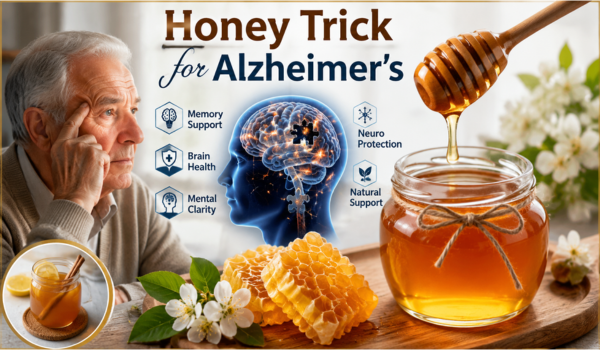
One topic gaining attention online is the Honey Trick for Alzheimer’s. Social media videos and health blogs often suggest that eating honey daily may improve memory or even help fight Alzheimer’s disease.
In this guide, we’ll explore what the Honey Trick for Alzheimer’s really is, what current research says, its potential benefits, limitations, safety considerations, and the best evidence-based ways to support long-term cognitive health.
Table of Contents
ToggleWhat Is the Honey Trick for Alzheimer’s?
The Honey Trick for Alzheimer’s generally refers to the idea of consuming a small amount of natural honey regularly as part of a brain-healthy lifestyle.
Some online sources recommend eating one teaspoon of raw honey in the morning or before bedtime, believing that its antioxidants and natural compounds may help protect brain cells.
These claims are often based on the fact that honey contains:
- Natural antioxidants
- Flavonoids
- Phenolic acids
- Vitamins and minerals in small amounts
- Natural sugars that provide energy
Supporters believe these nutrients may help reduce oxidative stress, one of the factors associated with aging and cognitive decline.
However, it is important to understand that this practice is considered a wellness habit—not a medically proven therapy for Alzheimer’s disease.
Why Has the Honey Trick Become Popular?
Natural remedies have become increasingly popular because many people prefer foods and lifestyle approaches that may support overall wellness.
Several reasons explain why the Honey Trick has gained attention:
Honey Is Rich in Antioxidants
- Honey contains plant-based antioxidants that help neutralize harmful free radicals in the body. Oxidative stress has been linked to aging and several chronic diseases, including neurodegenerative conditions.
Honey Is Less Processed Than Refined Sugar
- Replacing refined sugar with moderate amounts of honey may be a healthier dietary choice for some people, although honey is still a form of sugar and should be consumed in moderation.
Interest in Natural Brain Health
- People increasingly seek foods that support healthy aging, including berries, nuts, olive oil, leafy greens, and honey.
Social Media Claims
- Videos and blogs sometimes exaggerate preliminary research, creating the impression that honey alone can reverse memory loss.
Can Honey Cure Alzheimer’s?
At present, there is no clinical evidence showing that honey cures Alzheimer’s disease or reverses memory loss.
Researchers continue studying honey because of its natural antioxidant and anti-inflammatory properties, but most available research involves:
- Laboratory studies
- Animal research
- Small observational studies
Human clinical trials remain limited.
This means honey may contribute to a healthy dietary pattern, but it cannot replace medical care, prescription medications, or professional treatment plans for Alzheimer’s disease.
What Does Science Say About Honey and Brain Health?
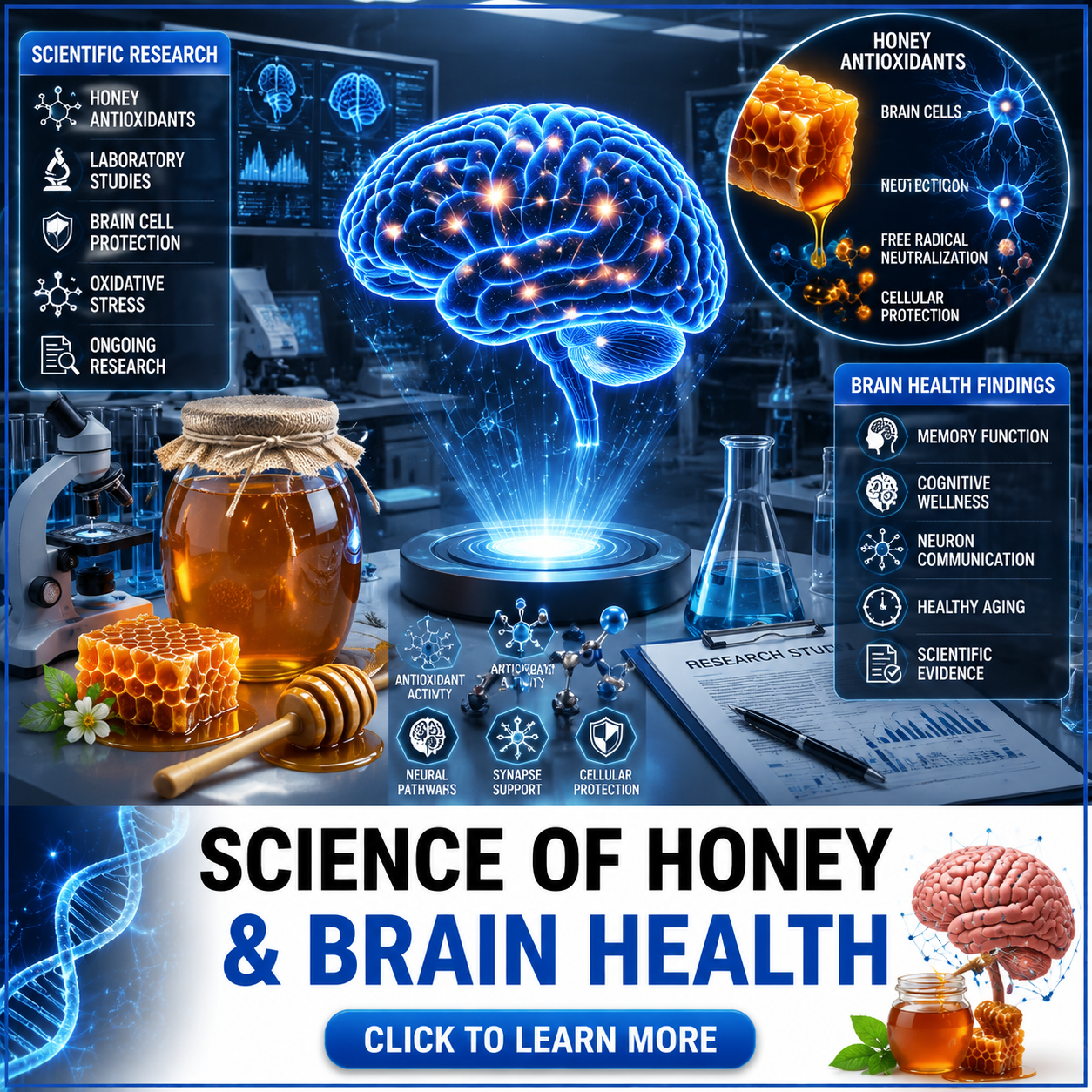
Scientists have explored honey because it contains natural compounds that may influence brain function.
Antioxidant Properties
- Honey is rich in antioxidants that help neutralize free radicals, unstable molecules that can damage cells over time.
- Some laboratory studies suggest these antioxidants may help protect brain cells from oxidative stress, but more human research is needed to confirm these findings.
Anti-Inflammatory Effects
- Chronic inflammation has been associated with several neurodegenerative diseases, including Alzheimer’s.
- Experimental studies indicate that certain natural compounds in honey have anti-inflammatory properties, although there is no clinical evidence that consuming honey significantly reduces Alzheimer’s-related inflammation in humans.
Brain Cell Protection
Animal studies have suggested that honey might support learning and memory under certain experimental conditions.
Researchers believe this could be related to:
- Reduced oxidative stress
- Improved cellular communication
- Protection against inflammation
These promising findings still require confirmation through larger human studies.
Improved Overall Diet Quality
Replacing highly processed sweets with moderate amounts of natural honey may help some individuals improve dietary quality when combined with:
- Fruits
- Vegetables
- Whole grains
- Healthy fats
- Regular exercise
Potential Benefits of Honey for Brain Health
Although honey is not a treatment for Alzheimer’s disease, it contains nutrients and plant compounds that may contribute to overall health when enjoyed as part of a balanced diet.
Researchers continue to investigate how these natural components might support healthy aging.
Supports Antioxidant Defense
- Honey contains naturally occurring antioxidant compounds that may help protect cells from oxidative stress. Since brain cells require high energy levels and oxygen, supporting antioxidant activity may contribute to overall brain wellness and healthy aging.
Provides Natural Energy Support
- The natural carbohydrates in honey provide glucose, which serves as an important energy source for the brain. Consuming honey in moderation may help support daily mental activities and maintain normal energy levels.
May Help Maintain Healthy Inflammation Balance
- Some compounds found in honey have been studied for their potential role in supporting a balanced inflammatory response. Maintaining healthy inflammation levels is important for overall wellness, including long-term brain health.
Supports Overall Cognitive Wellness
- Honey can be included as part of a nutrient-rich diet that supports healthy aging. When combined with fruits, vegetables, whole grains, and other brain-supportive foods, it may contribute to overall cognitive wellness.
May Promote Healthy Dietary Habits
- Using honey as part of a balanced eating routine may encourage mindful food choices. Replacing highly processed sweeteners with small amounts of honey can be one simple step toward a more wholesome nutrition approach.
Supports Healthy Aging
- A diet rich in natural, nutrient-containing foods may help support the body’s normal aging processes. Honey can be a small addition to a lifestyle focused on maintaining overall health and wellness.
What the Honey Trick Cannot Do?
Many online articles make claims that are not supported by current scientific evidence. Understanding the limitations helps set realistic expectations.
The Honey Trick cannot:
- Cure Alzheimer’s disease
- Reverse memory loss
- Remove amyloid plaques from the brain
- Replace Alzheimer’s medications
- Stop disease progression
- Restore damaged brain cells
How to Include Honey in a Brain-Healthy Diet
If you enjoy honey, it can be part of a nutritious eating pattern. The key is moderation and combining it with other healthy foods.
Honey With Warm Water or Tea
Adding honey to warm water or tea is a simple way to include it in a daily routine. This method allows you to enjoy honey’s natural sweetness while maintaining a balanced approach to nutrition.
- Morning Wellness Habit: Enjoy a small amount of honey in the morning as part of a consistent routine.
- Natural Sweetness: Use honey to add flavor without relying on highly processed sweeteners.
- Daily Hydration Support: Combine honey with beverages to encourage regular fluid intake.
Honey With Oatmeal or Yogurt
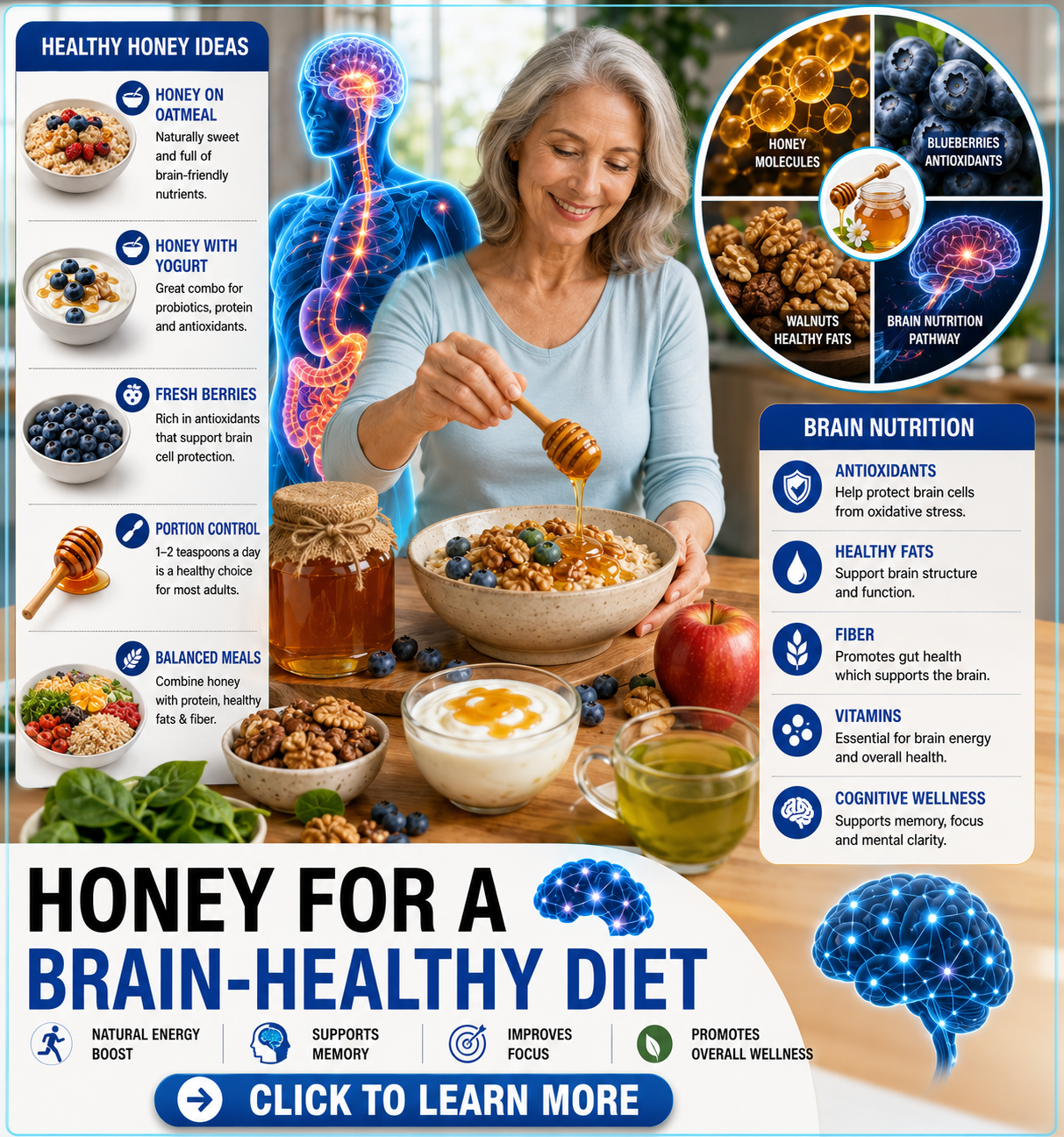
Honey can be paired with oatmeal or yogurt to create a nutritious meal or snack option that supports a balanced eating pattern.
- Balanced Breakfast Choice: Combine honey with fiber-rich oatmeal or protein-rich yogurt for a satisfying meal.
- Added Nutritional Value: Include fruits, nuts, or seeds to increase the overall nutrient content.
- Energy Support: This combination may provide lasting energy throughout the day.
Honey With Fruits and Nuts
Combining honey with fruits and nuts creates a flavorful option that includes different nutrients important for overall wellness.
- Antioxidant-Rich Foods: Pair honey with berries and fruits that contain beneficial plant compounds.
- Healthy Fat Support: Add nuts and seeds for beneficial fats that complement a brain-supportive diet.
- Healthy Snack Option: Enjoy this combination as a convenient and nutritious snack.
Honey as a Natural Sweetener
Honey can be used in place of some refined sweeteners to add flavor to meals and beverages.
- Recipe Enhancement: Add honey to smoothies, homemade snacks, or healthy recipes for natural sweetness.
- Mindful Food Choice: Choose honey as part of a balanced approach to reducing processed ingredients.
- Moderate Usage: Use appropriate portions since honey still contains natural sugars.
Honey in Homemade Smoothies
Adding honey to smoothies allows it to be combined with other healthy ingredients that support overall nutrition.
- Nutrient Combination: Blend honey with fruits, vegetables, yogurt, or seeds for a balanced drink.
- Convenient Option: Smoothies provide an easy way to include multiple healthy foods together.
- Flexible Preparation: Adjust smoothie ingredients based on personal taste and dietary needs.
Best Foods to Pair with Honey for Cognitive Health
Honey can be a delicious addition to a brain-healthy diet when paired with nutrient-rich foods. Although no single food can prevent or treat Alzheimer’s disease, combining honey with antioxidant-rich fruits, healthy fats, whole grains, and protein sources may support overall cognitive function and healthy aging.
The key is to enjoy honey in moderation as part of a balanced eating pattern that includes a variety of wholesome foods.
- Blueberries: Rich in antioxidants called anthocyanins, blueberries may help protect brain cells from oxidative stress. Pair them with a small drizzle of honey for a naturally sweet snack.
- Walnuts: Walnuts provide healthy fats, including plant-based omega-3 fatty acids, which support normal brain function. They pair well with honey in oatmeal or yogurt.
- Greek Yogurt: Greek yogurt offers protein and probiotics that support gut health. Adding honey and fresh fruit creates a nutritious breakfast or healthy snack.
- Oatmeal: Whole-grain oatmeal supplies fiber and steady energy. Top it with honey, berries, and nuts for a filling meal that supports overall wellness.
- Almonds: Almonds contain vitamin E, healthy fats, and magnesium, making them a great snack when lightly coated with honey.
- Cinnamon: Cinnamon complements honey naturally and adds flavor to oatmeal, yogurt, or tea without needing extra sugar.
- Chia Seeds: Chia seeds are rich in fiber, omega-3 fatty acids, and antioxidants. Sprinkle them over yogurt with honey for added nutrition.
- Fresh Fruits: Apples, strawberries, bananas, oranges, and pears pair well with honey while providing vitamins, minerals, and antioxidants.
- Green Tea: Green tea contains antioxidant-rich catechins. A teaspoon of honey can naturally sweeten it while supporting a healthy lifestyle.
- Leafy Green Vegetables: Spinach, kale, and other leafy greens provide essential vitamins and antioxidants. A light honey-based dressing can make salads more flavorful and nutritious.
Is Raw Honey Better?
Many people believe raw honey is healthier because it undergoes less processing than regular commercial honey.
Raw honey may retain slightly more natural enzymes, pollen, and antioxidant compounds. However, there is no strong evidence that raw honey provides unique protection against Alzheimer’s disease compared with other types of honey.
Whichever type you choose, remember that honey remains a source of added sugar and should be consumed in moderation as part of a balanced diet.
Risks and Safety Considerations
Although honey is a natural food enjoyed by many people, it is not suitable for everyone.
Understanding its potential risks can help you make informed decisions, especially if you or a loved one has Alzheimer’s disease or other health conditions.
Honey Is Still a Source of Sugar
Many people assume that because honey is natural, it can be consumed without limits. However, honey contains natural sugars that contribute calories and can raise blood sugar levels.
Eating excessive amounts may contribute to:
- Weight gain
- Blood sugar spikes
- Increased calorie intake
- Tooth decay
Moderation is important, even when choosing natural sweeteners.
People with Diabetes Should Be Cautious
Individuals living with diabetes or prediabetes should monitor honey intake carefully. While honey may have a slightly different nutritional profile than refined sugar, it still affects blood glucose.
Before making significant dietary changes, consult your healthcare provider or a registered dietitian.
Not Safe for Infants
Honey should never be given to babies younger than 12 months because it may contain bacterial spores that can cause infant botulism, a rare but serious illness.
Allergic Reactions
Although uncommon, some people may experience allergic reactions to honey, especially if they are allergic to pollen or bee products.
Symptoms may include:
- Itching
- Swelling
- Hives
- Difficulty breathing (requires immediate medical attention)
If you notice any allergic symptoms, stop using honey and seek medical care.
What Does Current Research Say?
Research into honey and brain health continues, but it’s important to distinguish between promising laboratory findings and proven clinical benefits.
Laboratory Studies
- Scientists have found that honey contains antioxidants and plant compounds capable of reducing oxidative stress in laboratory settings. These findings help researchers understand how natural compounds interact with cells.
Animal Studies
- Several animal studies suggest honey may support learning and memory under controlled experimental conditions. Researchers believe these effects may be linked to antioxidant and anti-inflammatory properties.
Human Studies
- Human research is currently limited. Some small studies have explored the relationship between honey consumption and cognitive performance, but the evidence remains insufficient to recommend honey as an Alzheimer’s treatment.
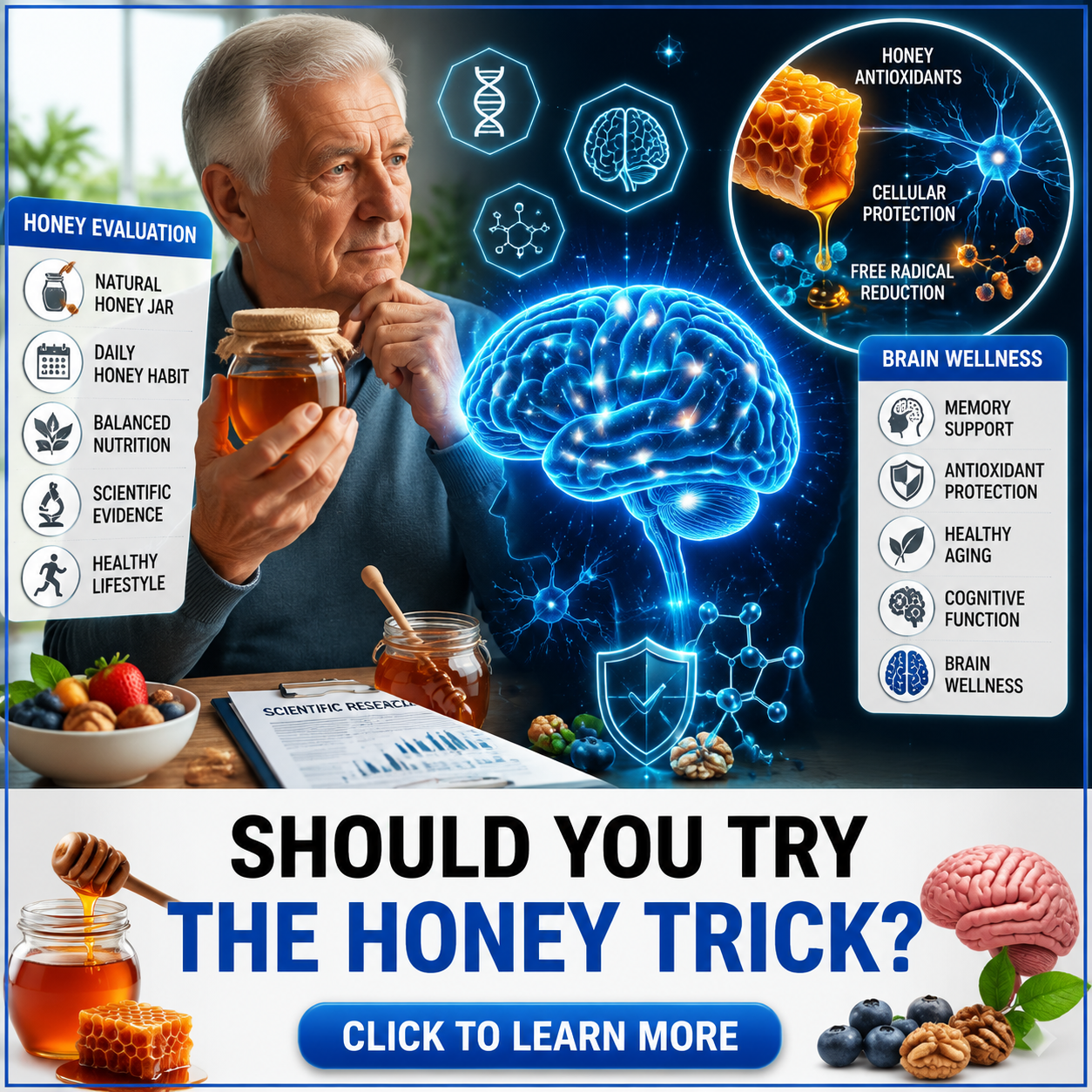
Should You Try the Honey Trick for Alzheimer’s?
If you enjoy honey, including small amounts as part of a balanced diet is generally reasonable for most healthy adults.
However, it is important to keep realistic expectations.
The Honey Trick may:
- Add natural sweetness to healthy meals
- Provide antioxidants
- Support an overall nutritious diet
- Replace some refined sugar in moderation
The Honey Trick cannot:
- Reverse dementia
- Replace prescribed medications
The strongest approach to protecting brain health remains a combination of healthy eating, regular exercise, quality sleep, mental stimulation, social engagement, and ongoing medical care.
Conclusion
The Honey Trick for Alzheimer’s has attracted attention because honey contains antioxidants and natural plant compounds that may contribute to overall health.
However, current scientific evidence does not support claims that honey can prevent, treat, or cure Alzheimer’s disease.
Rather than relying on viral health trends, focus on habits backed by stronger research: eat a nutrient-rich diet, stay physically active, get enough sleep, keep your mind engaged, manage chronic health conditions, and maintain regular medical care.
Honey can certainly be enjoyed as part of a healthy lifestyle, but it should be viewed as a nutritious food, not a miracle remedy.
When combined with other evidence-based wellness strategies, it can contribute to a balanced diet that supports overall health and healthy aging.
.
.
.
