Table of Contents
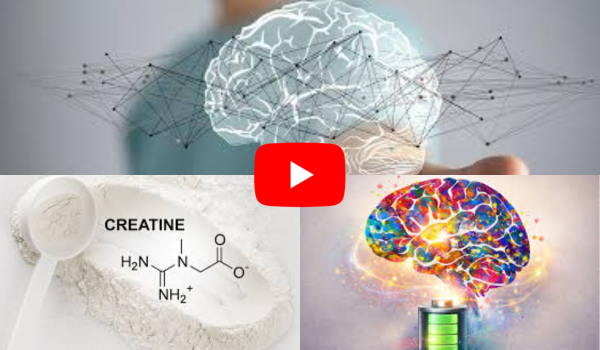
ToggleCreatine for Brain Health – (🧠BOOST MEMORY & MENTAL ENERGY!) Supports focus, cognition & brain energy naturally with science-backed fatigue reduction.
Introduction
Creatine is one of the most well researched nutritional compounds in modern science, widely recognized for its role in physical performance and muscle strength.
However, in recent years, growing attention has shifted toward an equally important area brain health and cognitive function.
The human brain is an energy-intensive organ, relying heavily on a constant supply of ATP to power thinking, memory formation, attention, and decision making.
When this energy system becomes strained, mental fatigue, brain fog, and reduced focus can follow.This is where creatine becomes particularly interesting.
Beyond its well-known benefits in sports nutrition, creatine plays a fundamental role in cellular energy recycling within the brain.
It helps regenerate ATP, allowing neurons to maintain optimal function even during periods of stress, sleep deprivation, or intense mental workload.
Creatine for Brain Health
Creatine is widely known as a supplement for athletes and muscle performance, but its role in brain health is gaining serious scientific attention.
Beyond the gym, creatine acts as a critical energy buffer for brain cells, helping support memory, focus, mental clarity, and even resilience against fatigue and aging related decline.
At its core, creatine helps regenerate ATP, the brain’s primary energy currency.
Since the brain consumes a large portion of the body’s energy, maintaining optimal ATP levels is essential for cognitive performance.
This is why researchers are now exploring creatine not just as a fitness supplement, but as a potential cognitive enhancer.
In this article, we’ll break down how creatine works in the brain, its benefits, safety, and who may benefit most from supplementation.
What is Creatine?
Creatine is a naturally occurring compound made from amino acids arginine, glycine, and methionine.
It is primarily stored in muscles but is also present in the brain.
The body produces creatine in the liver, kidneys, and pancreas, and we also obtain it from foods like red meat and fish.
However, dietary intake alone may not fully saturate brain creatine levels, especially in vegetarians or individuals with high cognitive demands.
Creatine exists in two forms in the body:
- Free creatine
- Phosphocreatine (PCr) – the stored, energy-ready form
Phosphocreatine plays a key role in rapidly regenerating ATP when energy demand spikes such as during intense thinking, problem-solving, or mental fatigue.

How Creatine Works in the Brain?
The brain is an energy-hungry organ, consuming about 20% of the body’s total energy despite being only 2% of body weight.
It relies heavily on ATP for nearly every function thinking, memory formation, and neural communication.
Here’s where creatine becomes important:
- ATP breaks down into ADP when energy is used
- Creatine phosphate donates a phosphate group to ADP
- This rapidly regenerates ATP
This “energy recycling system” helps the brain maintain performance during high-demand situations.
When creatine levels are optimized in the brain:
- Neurons recover energy faster
- Cognitive endurance improves
- Mental fatigue is reduced
This mechanism is especially important under stress, sleep deprivation, or intense mental workloads.
Cognitive Benefits: Memory, Focus, and Intelligence Support
Creatine’s role in brain health becomes most interesting when we look at how it may influence core cognitive functions such as memory, attention, and higher level thinking.
While it is not a stimulant or a “brain booster” in the traditional sense, its impact on cellular energy metabolism can indirectly support how efficiently the brain performs under demand.
At the center of all cognitive activity is energy. Every thought, memory, and decision requires ATP.When ATP levels drop, mental performance often follows.
Creatine helps buffer this energy system by supporting the rapid regeneration of ATP in brain cells, which can be especially important during mentally demanding tasks.
Memory Enhancement
Memory is one of the most energy dependent functions in the human brain.
Every time you learn something new, recall information, or store an experience, your neurons require a steady supply of ATP to communicate effectively.
When energy availability drops, memory performance can weaken information feels harder to retain, recall becomes slower, and mental clarity may decline.
Improved Focus and Attention
Focus and attention are among the most fragile aspects of cognition because they rely heavily on sustained brain energy.
Unlike short bursts of thinking, maintaining attention over time requires continuous ATP production to keep neural networks active and coordinated.
When energy levels fluctuate, the result is often mental drifting, reduced concentration, and difficulty staying engaged with tasks.
When ATP availability is high, the brain can:
- Sustain attention on a single task
- Filter out irrelevant distractions
- Switch between tasks efficiently when needed
When energy levels drop, these systems become less efficient, leading to reduced focus and increased mental distraction.
Reasoning and Intelligence Tasks
Some studies show small but meaningful improvements in reasoning and problem-solving performance, particularly under stress or fatigue conditions.
While creatine is not a “smart drug,” it supports the brain’s ability to perform at its natural best by optimizing energy metabolism.
Mental Fatigue and Sleep Deprivation Resistance
Mental fatigue is one of the most common barriers to clear thinking in modern life.
It builds up gradually during long work hours, intense study sessions, or periods of poor sleep.
Unlike physical fatigue, it doesn’t always feel like exhaustion it often shows up as slow thinking, reduced focus, irritability, and difficulty processing information.
How Sleep Deprivation Affects the Brain?
Sleep is essential for restoring brain energy. During sleep, the brain replenishes ATP stores, clears metabolic waste, and strengthens memory connections.
When sleep is reduced or disrupted, these processes become less efficient.
As a result, sleep deprivation leads to:
- Reduced attention span
- Slower reaction time
- Impaired decision-making
- Increased mental effort for simple tasks
- Greater susceptibility to distraction
Even a single night of poor sleep can significantly reduce cognitive performance, especially in demanding mental tasks.
What research suggests:
- Improved cognitive performance during sleep deprivation
- Reduced reaction time decline under fatigue
- Better mental resilience during stressful tasks
This makes creatine particularly useful for students, shift workers, healthcare professionals, and anyone with irregular sleep patterns.
Neuroprotection and Aging Brain Support
As the brain ages, one of the most important changes is a gradual decline in energy efficiency.
Neurons become less effective at producing and using ATP, mitochondrial function weakens, and the brain’s ability to recover from stressors becomes slower.
These changes can contribute to memory lapses, reduced processing speed, and overall cognitive decline.
Creatine may offer neuroprotective benefits by:
- Supporting mitochondrial function
- Reducing oxidative stress
- Maintaining cellular energy balance
Potential relevance in aging:
Researchers are exploring several ways creatine may support brain health at a cellular level:
- Energy stabilization: Helps maintain ATP levels during metabolic stress
- Mitochondrial support: May improve the efficiency of energy-producing structures
- Oxidative stress reduction: Energy balance may indirectly reduce cellular damage
- Improved cellular resilience: Helps neurons recover more effectively from stress
While these mechanisms are still being studied, they highlight why creatine is considered more than just a performance supplement.
Dosage and Supplementation Guidelines
Creatine is one of the most studied and straightforward supplements available, but when it comes to brain health, people often wonder whether dosing differs from athletic use.
The good news is that the same well researched forms and general dosing strategies apply, with a focus on consistency rather than timing or complex protocols.
Common form:
The most common and well-researched form of creatine used for both physical performance and brain health is creatine monohydrate.
- Creatine monohydrate (most researched and effective)
Typical dosing:
The most commonly recommended dose of creatine for both physical and brain health support is 3 to 5 grams per day of creatine monohydrate.
- Loading phase (optional): 20g per day for 5–7 days
- Maintenance phase: 3–5g per day
For brain health benefits, a loading phase is not always necessary. Many users benefit from consistent daily dosing.
Best practices:
- Take with water or a meal
- Consistency matters more than timing
- Hydration is important
Creatine also takes time to build up in the brain, so benefits may appear gradually over days to weeks.
Safety, Side Effects, and Common Myths
Creatine is one of the most extensively studied supplements in nutrition science, yet it is also surrounded by persistent misconceptions.
When used at recommended doses, it has a strong safety profile in healthy individuals and is considered well tolerated for long-term use.
Still, understanding both the facts and the myths is important for making informed decisions.
Common misconceptions:
Myth 1: Creatine damages kidneys
Research in healthy individuals does not support this claim.
Myth 2: It causes dehydration
Creatine may increase water retention in muscles but does not inherently dehydrate the body.
Myth 3: It is only for bodybuilders
Its cognitive benefits are increasingly recognized in scientific literature.
Possible mild side effects:
- Temporary bloating in some individuals
- Mild stomach discomfort if taken in high doses
Overall, creatine has one of the strongest safety profiles among dietary supplements.
Who Should Consider Creatine for Brain Health?
Creatine is not just for athletes or people focused on muscle performance.
Because it plays a direct role in cellular energy production, it may be relevant for anyone whose brain is regularly under high demand.
Since the brain relies heavily on ATP for thinking, focus, memory, and decision-making, creatine’s energy-supporting properties can be meaningful in several real-world situations.
Students and learners
Students and learners are among the groups most likely to benefit from creatine’s brain-supporting properties because academic life places continuous pressure on memory, focus, and mental endurance.
From long study sessions to exam stress, the brain is often required to perform at a high level for extended periods without adequate recovery time
Professionals under cognitive stress
Modern professional life is increasingly mentally demanding. Long working hours, constant decision making, multitasking, and digital overload can place sustained pressure on the brain.
Over time, this cognitive strain can lead to mental fatigue, reduced focus, slower decision-making, and a general sense of “brain exhaustion.”
Older adults
As the brain ages, one of the most important biological changes is a gradual decline in cellular energy efficiency.
Neurons become less effective at producing and using ATP, and mitochondrial function tends to slow down.
Over time, this can contribute to common age-related cognitive changes such as slower thinking, reduced memory recall, and decreased mental stamina.
Vegetarians and vegans
Vegetarians and vegans are among the populations most likely to experience meaningful differences from creatine supplementation in both physical and cognitive domains.
Sleep-deprived individuals
Helps reduce mental fatigue and cognitive slowdown.
However, individuals with kidney disease or specific medical conditions should consult a healthcare professional before supplementation.
Final Thoughts
Creatine is no longer just a sports supplement it is increasingly recognized as a brain energy optimizer.
By enhancing ATP regeneration, creatine helps the brain function more efficiently under stress, fatigue, and high cognitive demand.
While it is not a magic solution for intelligence, it can support clearer thinking, better memory performance, and improved mental stamina.
As research continues to evolve, creatine may become one of the most widely recommended supplements for both physical and cognitive performance.
For anyone looking to support brain energy and mental clarity in a simple, evidence-based way, creatine stands out as a promising option worth considering.

.
.
.
