Table of Contents
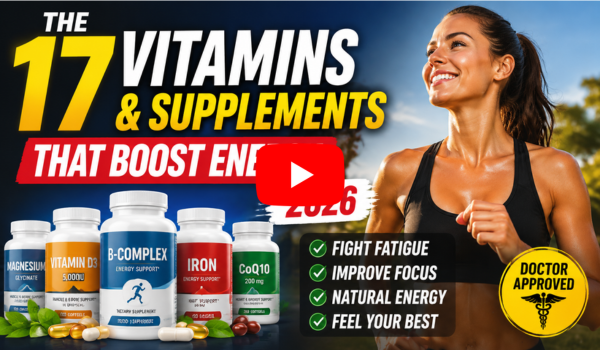
ToggleThe 17 Vitamins and Supplements That Boost Energy 2026 (✨NATURAL ENERGY!). Improve vitality, reduce fatigue & enhance focus naturally for everyday performance.

Feeling tired has become a common part of modern life. Long work hours, poor sleep habits, stress, nutritional deficiencies, and demanding schedules can all contribute to low energy levels.
While no supplement can replace a healthy lifestyle, certain vitamins and supplements may help support the body’s natural energy production processes and combat fatigue.
Energy is produced within cells through complex biochemical reactions that rely on essential nutrients.
When the body lacks key vitamins and minerals, these processes may become less efficient, leading to sluggishness and decreased performance.
Fortunately, research continues to identify nutrients that can help support physical and mental energy.
This guide explores the 17 best vitamins and supplements that may help boost energy levels in 2026 and explains how they work, who may benefit most, and what to consider before adding them to your routine.
Why Energy Levels Matter for Overall Health?
Energy affects nearly every aspect of daily life. It influences productivity, mood, physical performance, mental focus, and overall well-being. When energy levels are consistently low, even simple tasks can feel challenging.
Maintaining healthy energy levels supports:
- Better concentration and cognitive performance
- Improved physical endurance
- Enhanced productivity at work
- Better mood stability
- Greater motivation and resilience
- Healthier exercise performance
- Improved quality of life
Because energy production depends heavily on nutrient availability, deficiencies can significantly impact how energetic you feel throughout the day.
How the Body Produces Energy?
The body converts food into usable energy through a process called cellular respiration. This occurs primarily in mitochondria, often referred to as the “powerhouses” of cells.
Several nutrients play critical roles in this process:
- B vitamins help convert carbohydrates into energy.
- Iron helps transport oxygen throughout the body.
- Magnesium supports hundreds of enzyme reactions.
- CoQ10 assists mitochondrial energy production.
- Amino acids help build proteins and support metabolism.
When these nutrients are insufficient, fatigue may become more noticeable.
The 17 Vitamins and Supplements
1. Vitamin B12
Vitamin B12 is one of the most important nutrients for energy production. It helps the body create red blood cells and supports proper nervous system function.
Low B12 levels can lead to fatigue, weakness, brain fog, and reduced stamina. Older adults, vegetarians, vegans, and individuals with digestive disorders may be particularly vulnerable to deficiency.
Potential benefits include:
- Supports cellular energy production
- Helps reduce fatigue caused by a deficiency
- Promotes healthy nerve function
- Supports red blood cell formation
- May improve mental clarity
Foods rich in B12 include fish, meat, dairy products, and eggs.
2. Vitamin B Complex
Rather than relying on a single B vitamin, many people choose a complete B-complex supplement.
B vitamins work together to help convert proteins, fats, and carbohydrates into usable energy. They also support nervous system health and cognitive performance.
A quality B-complex typically contains:
- B1 (Thiamine)
- B2 (Riboflavin)
- B3 (Niacin)
- B5 (Pantothenic Acid)
- B6 (Pyridoxine)
- B7 (Biotin)
- B9 (Folate)
- B12 (Cobalamin)
These nutrients are especially valuable during periods of stress or increased physical activity.
3. Iron
Iron deficiency is one of the most common causes of fatigue worldwide.
Iron helps red blood cells carry oxygen from the lungs to tissues throughout the body. Without sufficient oxygen delivery, energy production can decline significantly.
Benefits of adequate iron levels may include:
- Reduced tiredness
- Improved endurance
- Better physical performance
- Enhanced oxygen transport
- Support for cognitive function
Women of reproductive age, athletes, and individuals with certain medical conditions may be at greater risk for low iron levels.
4. Magnesium
Magnesium participates in more than 300 enzymatic reactions throughout the body, many of which are directly involved in energy production.
Even mild magnesium deficiency may contribute to fatigue, muscle weakness, and poor exercise performance.
Potential benefits include:
- Supports ATP production
- Helps maintain muscle function
- Promotes relaxation and sleep quality
- Supports nerve function
- Helps reduce feelings of exhaustion
Many people fail to obtain adequate magnesium through diet alone.
5. Coenzyme Q10 (CoQ10)
CoQ10 is a naturally occurring compound found in every cell of the body. It plays a central role in mitochondrial energy production.
CoQ10 levels tend to decline with age, which may contribute to reduced vitality and endurance.
Research suggests CoQ10 may help:
- Support cellular energy production
- Improve exercise performance
- Promote heart health
- Reduce fatigue
- Support healthy ageing
It is particularly popular among older adults seeking natural energy support.
6. Vitamin D
Vitamin D is known primarily for bone health, but it also influences energy levels, immune function, and muscle performance.
Low vitamin D levels have been associated with:
- Fatigue
- Muscle weakness
- Reduced physical performance
- Low mood
- Decreased motivation
Because many people spend limited time outdoors, vitamin D deficiency remains common in numerous populations.
7. Rhodiola Rosea
Rhodiola Rosea is an adaptogenic herb traditionally used to combat stress and improve stamina.
Adaptogens help the body respond more effectively to physical and mental stressors.
Potential benefits may include:
- Reduced mental fatigue
- Improved focus
- Enhanced endurance
- Better stress resilience
- Increased productivity
Many professionals and students use Rhodiola to support cognitive performance during demanding periods.
8. Ashwagandha
Ashwagandha is another well-known adaptogen that has gained popularity for its potential effects on stress and energy.
Chronic stress can drain energy reserves over time. By supporting the body’s stress response, Ashwagandha may help improve vitality and overall well-being.
Possible benefits include:
- Reduced stress levels
- Improved stamina
- Enhanced exercise performance
- Better recovery
- Support for mental clarity
Regular supplementation may contribute to a greater sense of balance and sustained energy.
9. Acetyl-L-Carnitine
Acetyl-L-Carnitine is an amino acid derivative involved in transporting fatty acids into mitochondria, where they are converted into energy.
This supplement is often used for both physical and cognitive support.
Potential advantages include:
- Supports energy metabolism
- May improve mental focus
- Supports exercise performance
- Promotes healthy ageing
- Assists mitochondrial function
It is particularly popular among active adults and older individuals.
10. Creatine Monohydrate
Creatine is widely recognised for athletic performance, but its benefits extend beyond the gym.
It helps replenish ATP, the body’s primary energy molecule.
Research suggests creatine may:
- Improve strength and power
- Support muscle recovery
- Enhance exercise capacity
- Promote cognitive performance
- Support short-term energy production
Creatine remains one of the most extensively studied supplements available.
11. Ginseng
Ginseng has been used in traditional medicine for centuries to support vitality and endurance.
Some studies suggest it may help combat fatigue and improve physical performance.
Potential benefits include:
- Enhanced energy levels
- Improved mental alertness
- Better stress management
- Support for immune health
- Increased stamina
Various forms are available, including Asian and American ginseng.
12. L-Theanine and Caffeine Combination
While caffeine alone can increase alertness, combining it with L-theanine may provide smoother energy with fewer unwanted effects.
Benefits may include:
- Improved concentration
- Enhanced mental performance
- Reduced jitters
- Better focus
- Increased productivity
This combination is commonly found in green tea and specialised supplements.
13. Omega-3 Fatty Acids
Omega-3 fatty acids support brain health, cardiovascular function, and inflammation management.
Although they are not direct stimulants, they may help support sustained energy through improved overall health.
Potential benefits include:
- Better cognitive performance
- Enhanced mood
- Reduced inflammation
- Support for heart health
- Improved mental endurance
Fatty fish remain one of the best natural sources.
14. Cordyceps Mushroom
Cordyceps is a medicinal mushroom often used by athletes and fitness enthusiasts.
Research suggests it may support oxygen utilisation and exercise performance.
Potential advantages include:
- Improved endurance
- Better oxygen efficiency
- Enhanced stamina
- Support for physical performance
- Increased exercise capacity
Its popularity continues to grow in sports nutrition.
15. Zinc
Zinc plays a role in numerous biochemical processes, including metabolism and immune function.
Low zinc levels may contribute to fatigue and reduced physical performance.
Benefits may include:
- Supports energy metabolism
- Promotes immune health
- Supports hormone balance
- Helps cellular repair
- Contributes to overall vitality
Zinc is commonly found in meat, shellfish, legumes, and nuts.
16. Alpha-Lipoic Acid
Alpha-Lipoic Acid is a powerful antioxidant that supports mitochondrial function and energy production.
Potential benefits include:
- Supports glucose metabolism
- Promotes cellular energy
- Helps reduce oxidative stress
- Supports nerve health
- Enhances mitochondrial efficiency
It is often used as part of comprehensive wellness programs.
17. Beetroot Extract
Beetroot extract contains naturally occurring nitrates that help improve blood flow and oxygen delivery.
This may support:
- Exercise endurance
- Physical performance
- Oxygen utilization
- Stamina
- Cardiovascular health
Many athletes use beetroot supplements before workouts to enhance performance naturally.
How to Choose the Right Energy Supplement?
Not every supplement works the same way. The best choice depends on the underlying cause of fatigue.
Identify Your Energy Needs
- Determine if your fatigue is due to nutrient deficiency, stress, sleep deprivation, or lifestyle factors.
- Supplements work best when targeted to the cause—e.g., B vitamins for metabolic energy, iron for anaemia-related fatigue.
Check the Ingredients
- Look for clinically supported ingredients like B12, B6, iron, magnesium, CoQ10, L-carnitine, Rhodiola, or Ashwagandha.
- Avoid products with excessive caffeine or unknown proprietary blends.
Consider Your Health Conditions
- People with heart conditions, diabetes, or kidney issues should consult a healthcare provider before taking energy supplements.
- Some minerals (like iron) can be harmful if taken unnecessarily.
Formulation and Dosage
- Choose supplements with clear dosage information.
- Consider forms that your body absorbs well, e.g., methylcobalamin for B12, citrate/glycinate for magnesium.
Check for Third-Party Testing
- Look for GMP-certified, NSF-certified, or third-party tested supplements to ensure safety and potency.
Lifestyle Integration
- Supplements are most effective alongside healthy sleep, balanced nutrition, hydration, and regular exercise.
Start Low and Monitor
- Begin with recommended dosages and track your energy levels, focus, and any side effects. Adjust with professional guidance.
Lifestyle Habits That Naturally Support Energy
Maintaining consistent energy throughout the day isn’t just about supplements; it’s also about adopting lifestyle habits that support your body’s natural vitality.
Simple, daily practices can significantly boost energy, improve focus, and reduce fatigue without relying solely on external stimulants.
By combining proper nutrition, physical activity, stress management, and sleep hygiene, you can sustain higher energy levels naturally and feel more alert throughout the day.
Important energy-supporting practices include:
- Getting seven to nine hours of sleep
- Eating a nutrient-rich diet
- Staying hydrated
- Exercising regularly
- Managing stress effectively
- Limiting excessive alcohol consumption
- Maintaining consistent meal patterns
These foundational habits often provide the greatest long-term impact on energy levels.
Safety Considerations
Ensuring safe use of energy supplements is crucial for effectiveness and avoiding side effects:
- Consult a Healthcare Professional: Especially if you have medical conditions or take medications.
- Follow Recommended Dosages: Avoid excessive intake of vitamins or minerals.
- Check Ingredients: Be cautious of proprietary blends or hidden stimulants.
- Monitor Side Effects: Watch for insomnia, jitters, digestive issues, or palpitations.
- Avoid Overlapping Supplements: Prevent exceeding safe levels of the same nutrient.
- Store Properly: Keep in a cool, dry place away from children.
- Combine with Healthy Habits: Supplements support, not replace, sleep, diet, and exercise.
These steps ensure safe and effective energy support while using The 17 Vitamins and Supplements That Boost Energy 2026.
Final Thoughts
Maintaining high energy levels requires a holistic approach that combines proper nutrition, lifestyle habits, and smart supplementation.
The 17 Vitamins and Supplements That Boost Energy 2026 offer essential nutrients to support cellular energy production, reduce fatigue, and improve mental focus.
Pairing these supplements with consistent sleep, a balanced diet, regular exercise, hydration, and stress management maximises their effectiveness.
Always choose products with transparent ingredients, follow recommended dosages, and monitor your body’s response.
Consult a healthcare professional if you have medical conditions or take medications. By integrating these strategies, you can naturally sustain energy, enhance productivity, and promote overall wellness safely and effectively.
.
.
.
