✅ Microdosing GLP-1 for Autoimmune ⚡Conditions: Benefits, Risks, Research, and What You Need to Know (💥2026 Guide)
Autoimmune conditions affect millions of people worldwide and can create ongoing challenges related to inflammation, fatigue, weight changes, metabolism, and overall quality of life.
While traditional autoimmune treatments focus on controlling immune activity and managing symptoms, many people are exploring additional approaches that may support better metabolic health and overall wellness.
One emerging topic gaining attention is microdosing GLP-1 for autoimmune conditions.

GLP-1 medications have become widely known for their role in blood sugar control and weight management, but researchers and patients are increasingly interested in how GLP-1 pathways may influence inflammation, metabolism, and immune system activity.
Microdosing GLP-1 refers to using smaller doses of GLP-1 medications than in traditional treatment plans, usually of improve tolerance and provide gradual support.
However, it is important to understand that GLP-1 medications are not currently approved as treatments for autoimmune diseases themselves.
Research is still developing, and most evidence focuses on their approved uses, including type 2 diabetes and chronic weight management.
For people living with autoimmune conditions, the interest in GLP-1 microdosing often comes from several overlapping concerns:
- Difficulty managing weight changes
- Metabolic issues linked with chronic inflammation
- Insulin resistance
- Medication-related weight gain
- Fatigue and reduced energy
- The desire for a more personalized approach
This guide explores what microdosing GLP-1 means, why some patients with autoimmune conditions are considering it, its potential benefits and risks, and what you should discuss with a healthcare provider before starting any GLP-1 medication.
What Is Microdosing GLP-1?
Microdosing GLP-1 generally refers to taking a lower-than-standard dose of a GLP-1 medication.
The idea behind this approach is to introduce the medication gradually while minimizing adverse effects and improving individual tolerance.
GLP-1 medications belong to a class of drugs called glucagon-like peptide-1 receptor agonists (GLP-1 RAs).
These medications mimic a naturally occurring hormone called GLP-1, which plays an important role in digestion, appetite regulation, and blood sugar balance.
Common GLP-1 medications include:
- Semaglutide-based medications
- Tirzepatide (a dual GLP-1/GIP medication)
- Liraglutide-based medications
These medications are typically prescribed with a gradual dose increase schedule. Some people use the term “microdosing” to refer to starting at a lower dose, staying at a lower dose longer, or using a personalized dosing approach under medical supervision.
The goal of microdosing is usually improved tolerance and gradual adjustment, not faster results.
People exploring GLP-1 microdosing often hope to gain metabolic benefits while reducing common medication-related challenges, such as digestive discomfort or difficulty adjusting to higher doses.
What Are GLP-1 Medications?
GLP-1 medications are prescription treatments designed to imitate the actions of the natural GLP-1 hormone produced in the body.
Normally, GLP-1 is released after eating and helps regulate several important processes.
GLP-1 can help:
- Encourage insulin release when blood sugar rises
- Slow digestion
- Reduce appetite signals
- Support feelings of fullness
- Improve blood sugar regulation
Because of these effects, GLP-1 medications have become popular tools for managing type 2 diabetes and supporting weight management in eligible patients.
Some commonly discussed GLP-1 medications include:
➥ Semaglutide
Semaglutide is a GLP-1 receptor agonist that has been studied extensively for blood sugar control and weight management. It works by mimicking GLP-1 activity and helping regulate appetite and glucose levels.
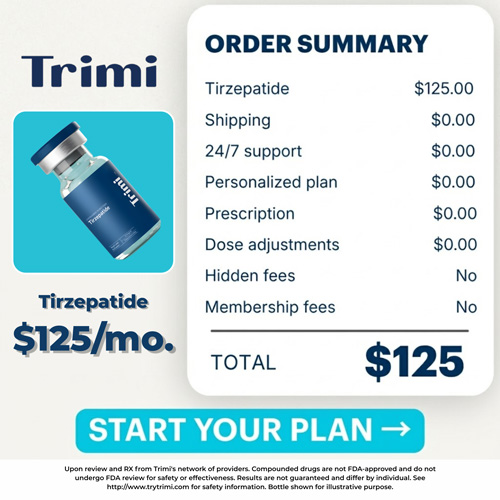
➥ Tirzepatide
Tirzepatide works on both GLP-1 and GIP pathways. This dual action may provide additional metabolic support for some individuals.
➥ Liraglutide
Liraglutide is another GLP-1 medication used for blood sugar management and weight-related health concerns.
Although these medications have become widely discussed for weight loss, researchers are also studying their broader effects on metabolism and inflammation.
Why Are People Exploring Microdosing GLP-1 for Autoimmune Conditions?
The interest in microdosing GLP-1 for autoimmune conditions comes from the connection between metabolism, inflammation, and immune health.
Autoimmune diseases occur when the immune system mistakenly attacks healthy tissues. These conditions can involve complex interactions between immune responses, hormones, metabolism, and inflammatory pathways.
Many autoimmune patients experience challenges such as:
- Changes in body weight
- Reduced physical activity due to pain or fatigue
- Blood sugar fluctuations
- Increased inflammation markers
- Difficulty maintaining a healthy metabolism
Because GLP-1 medications influence appetite, metabolism, and certain inflammatory pathways, some researchers are investigating whether they may have effects beyond glucose control.
The potential connection between GLP-1 and autoimmune health is an area of ongoing research, not a proven treatment approach.
Some people with autoimmune conditions are interested in GLP-1 medications because they may support areas that are commonly affected by chronic illness.
For example:
- A person with autoimmune disease may struggle with weight management due to reduced mobility.
- Some medications used for autoimmune conditions may contribute to weight changes.
- Chronic inflammation may affect metabolic health.
- Improving metabolic balance may support overall wellness.
However, GLP-1 medications should be considered as part of a broader healthcare plan rather than a replacement for prescribed autoimmune treatments.
How GLP-1 Medications Work in the Body?
To understand why people are interested in GLP-1 microdosing, it helps to understand how these medications function.
1. Supporting Blood Sugar Regulation
GLP-1 medications help the body respond more effectively to increases in blood sugar.
After eating, GLP-1 signals the pancreas to release insulin when needed. This helps move glucose from the bloodstream into cells where it can be used for energy.
2. Slowing Stomach Emptying
GLP-1 medications can slow the movement of food through the stomach.
This may:
- Increase feelings of fullness
- Reduce hunger
- Support portion control
3. Influencing Appetite Signals
GLP-1 interacts with areas of the brain involved in hunger and satisfaction.
This can help some people naturally reduce calorie intake.
4. Supporting Metabolic Health
By improving glucose regulation and supporting healthier eating patterns, GLP-1 medications may improve metabolic markers.
The Connection Between GLP-1 Pathways and the Immune System
One reason GLP-1 medications have attracted researchers’ interest is their potential association with inflammation.
The immune system and metabolism are closely connected. Problems with metabolic health can influence inflammatory pathways, and chronic inflammation can affect metabolic processes.
Researchers have explored whether GLP-1 receptor activation may influence:
- Inflammatory signaling
- Immune cell activity
- Oxidative stress pathways
- Metabolic inflammation
Some early research suggests GLP-1 pathways may have anti-inflammatory effects in certain situations. However, much of this research is still developing, and more human studies are needed to understand how these effects apply to autoimmune diseases.
GLP-1 medications may influence inflammatory pathways, but they are not currently considered treatments for autoimmune disease.
For autoimmune patients, the most appropriate approach usually involves combining:
- Doctor-recommended autoimmune treatments
- Healthy nutrition habits
- Physical activity when possible
- Stress management
- Regular medical monitoring

Potential Benefits of Microdosing GLP-1 for Autoimmune Conditions
The growing interest in microdosing GLP-1 for autoimmune conditions comes from the possibility that GLP-1 medications may support several areas that are often challenging for people with chronic inflammatory conditions.
While GLP-1 medications are not approved to treat autoimmune diseases, some potential benefits are being explored because of their effects on metabolism, appetite regulation, and inflammation-related pathways.
👉 1. May Support Healthy Weight Management
Weight management can be challenging for many people living with autoimmune conditions.
Factors that may contribute to weight difficulties include:
- Chronic inflammation
- Limited physical activity due to pain or fatigue
- Hormonal changes
- Certain medications
- Changes in metabolism
GLP-1 medications may help regulate appetite signals and promote feelings of fullness, which can support healthier eating patterns.
For some individuals, a lower-dose GLP-1 approach may provide gradual appetite support while allowing the body time to adjust.
Healthy weight management may help support overall wellness, mobility, and metabolic health in people managing autoimmune conditions.
However, weight changes should always be approached individually, especially for people with chronic illnesses.
👉 2. May Help Support Metabolic Balance
Autoimmune conditions are sometimes associated with metabolic challenges, including changes in insulin sensitivity and energy regulation.
GLP-1 medications may help support:
- More stable blood sugar levels
- Improved insulin response
- Better appetite control
- Healthier eating habits
Improved metabolic health may be beneficial, as metabolism and immune function are closely linked.
When the body has better glucose regulation and balanced nutrition, it may create a stronger foundation for overall health.
👉 3. May Support Inflammation Management
Inflammation plays an important role in many autoimmune conditions.
Some early studies have explored whether GLP-1 receptor activation may influence inflammatory pathways.
Researchers have investigated possible effects involving:
- Inflammatory molecules
- Immune system signaling
- Cellular stress responses
However, these findings do not mean GLP-1 medications can treat autoimmune diseases.
Current evidence does not show that GLP-1 medications cure or directly control autoimmune disorders.
Instead, the interest stems from the possibility that improving metabolic health may indirectly support a healthier inflammatory environment.
👉 4. May Improve Appetite Control During Chronic Illness
Many people with autoimmune conditions experience changes in appetite.
Some may struggle with:
- Increased hunger
- Emotional eating
- Weight changes from medications
- Difficulty maintaining consistent nutrition
Because GLP-1 medications influence hunger and fullness signals, they may help some individuals create more predictable eating patterns.
A microdosing approach is sometimes discussed because a smaller dose may provide gradual support for appetite.
👉 5. May Support Energy and Daily Function
Fatigue is one of the most commonly reported challenges among people with autoimmune conditions.
While GLP-1 medications do not directly treat autoimmune-related fatigue, improving metabolic health may help some people feel better overall.
Possible indirect benefits may include:
- Better nutrition habits
- Improved weight balance
- More comfortable movement
- Increased confidence with lifestyle changes
Energy improvements are highly individual and depend on many factors, including disease activity, sleep, nutrition, and treatment plans.
GLP-1 Microdosing and Common Autoimmune Conditions
Many people searching for microdosing GLP-1 for autoimmune conditions are interested in whether GLP-1 medications may help specific conditions.
Currently, GLP-1 medications are not approved for the treatment of autoimmune diseases. However, researchers are studying how metabolic health and inflammation interact with different autoimmune conditions.
Below are some conditions where people are exploring this topic.
📌 Rheumatoid Arthritis and GLP-1
Rheumatoid arthritis (RA) is an autoimmune condition where the immune system attacks the joints, leading to inflammation, pain, and stiffness.
People with rheumatoid arthritis may experience challenges related to:
- Chronic inflammation
- Reduced activity levels
- Weight management difficulties
- Increased cardiovascular risk
Because GLP-1 medications may support metabolic health and may influence inflammatory pathways, researchers are investigating their broader effects.
Potential areas of interest include:
- Supporting healthy body weight
- Improving metabolic markers
- Reducing strain on joints through weight management
However, GLP-1 medications do not replace rheumatoid arthritis treatments such as disease-modifying medications prescribed by healthcare providers.
📌 Lupus and GLP-1
Lupus is an autoimmune disease that can affect multiple parts of the body, including the skin, joints, kidneys, and other organs.
People with lupus may experience:
- Fatigue
- Inflammation
- Medication-related weight changes
- Increased risk of metabolic concerns
GLP-1 medications are being studied for their relationship with inflammation and metabolic health.
Some lupus patients may discuss GLP-1 therapy with their healthcare provider if they also have weight-related or metabolic concerns.
Careful medical monitoring is especially important because lupus can affect multiple body systems.
📌 Hashimoto’s Thyroid Disease and GLP-1
Hashimoto’s thyroid disease is an autoimmune condition affecting the thyroid gland.
Some individuals with Hashimoto’s experience:
- Weight changes
- Low energy
- Metabolism changes
- Difficulty managing body composition
Because GLP-1 medications affect appetite and metabolism, some people explore them as a possible supportive option.
However, GLP-1 medications do not correct thyroid hormone imbalance.
People with thyroid-related autoimmune conditions should continue appropriate thyroid care and discuss any medication changes with their healthcare provider.
📌Psoriasis and Psoriatic Arthritis
Psoriasis and psoriatic arthritis involve immune system activity that can affect the skin and joints.
Some research has explored the relationship between:
- Obesity
- Inflammation
- Psoriasis severity
- Metabolic health
Since GLP-1 medications may support weight management, researchers are interested in whether metabolic improvements could influence inflammatory conditions.
More research is needed before GLP-1 medications can be considered a treatment option for psoriasis itself.
📌 Multiple Sclerosis and GLP-1
Multiple sclerosis (MS) is an autoimmune condition in which the immune system attacks parts of the nervous system.
People with MS may experience:
- Fatigue
- Mobility challenges
- Changes in weight
- Metabolic concerns
Researchers are investigating how metabolic pathways may interact with immune function.
Although GLP-1 medications are not MS treatments, improving overall metabolic health may be an important part of a comprehensive wellness approach.
📌 Inflammatory Bowel Disease and GLP-1
Inflammatory bowel diseases such as Crohn’s disease and ulcerative colitis involve chronic inflammation in the digestive system.
Because GLP-1 medications affect digestion and gastric emptying, people with digestive autoimmune conditions should discuss their potential use carefully with a healthcare professional.
Digestive symptoms and medication tolerance can vary significantly between individuals.
What Does GLP-1 Microdosing Actually Mean?
The term “microdosing GLP-1” does not have one official medical definition.
Different people may use the term to describe:
- Starting with a very low dose
- Staying longer at an introductory dose
- Increasing medication more slowly
- Using a personalized dosing schedule
Traditional GLP-1 treatment usually follows a structured dose-escalation schedule created to improve tolerance.
Some people prefer slower adjustments to minimize challenges as they adapt to the medication.
Any GLP-1 dosing plan should be determined under the guidance of a qualified healthcare professional.
How GLP-1 Microdosing Differs From Standard Dosing
The primary difference is the amount and pace of medication adjustment.
Standard GLP-1 Approach
A typical treatment plan may involve:
- Starting with a low introductory dose
- Increasing gradually over time
- Following approved prescribing guidelines
Microdosing Approach
A microdosing approach may involve:
- Remaining at a lower dose longer
- Making slower increases
- Prioritizing individual tolerance
The goal is generally not faster results but creating a more comfortable experience.
Possible Risks and Side Effects of Microdosing GLP-1 for Autoimmune Conditions
While many people are interested in microdosing GLP-1 for autoimmune conditions, it is important to understand that GLP-1 medications can still cause side effects, even at lower doses.
A smaller dose may help some individuals tolerate treatment more comfortably, but it does not completely eliminate the possibility of unwanted effects.
Common considerations include:
Digestive System Changes
Because GLP-1 medications affect digestion and gastric emptying, some people may notice changes in their digestive system.
Possible experiences may include:
- Feeling full more quickly
- Changes in appetite
- Temporary digestive adjustment
- Changes in meal patterns
People with autoimmune digestive conditions should discuss these factors carefully with their healthcare provider.
Medication Interactions and Autoimmune Treatments
Many patients with autoimmune diseases take prescription medications to manage immune activity, inflammation, or symptoms.
Before starting GLP-1 medication, it is important to review:
- Current medications
- Existing health conditions
- Previous treatment history
- Nutritional needs
- Overall health goals
A healthcare provider can help determine whether GLP-1 therapy can be safely incorporated into an existing treatment plan.
GLP-1 medications should be viewed as a possible supportive option for certain health goals, not as a replacement for autoimmune disease treatment.
Nutritional Considerations
Because GLP-1 medications may reduce appetite, some people may unintentionally consume fewer calories or nutrients.
This is especially important for individuals managing chronic conditions.
Maintaining adequate nutrition can help support:
- Muscle health
- Energy levels
- Immune function
- Recovery
- Overall wellness
People using GLP-1 medications may benefit from focusing on:
- Protein-rich foods
- Fiber-rich vegetables
- Balanced meals
- Proper hydration
A healthcare provider or registered dietitian can provide personalized nutrition guidance.
Who Should Avoid GLP-1 Microdosing?
GLP-1 medications are not suitable for everyone.
A healthcare provider may recommend avoiding GLP-1 use or carefully evaluating it for people with certain health concerns.
Extra caution may be needed for individuals with:
- Certain thyroid-related medical histories
- Serious digestive disorders
- Specific pancreatic conditions
- Severe medication sensitivities
- Pregnancy or plans for pregnancy
Anyone considering GLP-1 microdosing should have a medical discussion before beginning treatment.
How Doctors Evaluate GLP-1 Use for Autoimmune Patients
Healthcare providers typically consider several factors before recommending GLP-1 medication.
1. Overall Health Assessment
A provider may review:
- Weight history
- Blood sugar levels
- Metabolic health
- Current symptoms
- Medical history
2. Autoimmune Condition Status
Doctors may consider:
- Current disease activity
- Current autoimmune medications
- Inflammation levels
- Treatment stability
3. Personal Health Goals
GLP-1 medications may be considered for goals such as:
- Weight management
- Blood sugar support
- Appetite regulation
- Metabolic improvement
4. Ongoing Monitoring
Regular follow-up helps evaluate:
- How the medication is tolerated
- Progress toward goals
- Any necessary adjustments
Lifestyle Habits That May Support GLP-1 Therapy
Medication is only one part of improving health. Lifestyle habits can play an important role, especially for individuals managing autoimmune conditions.
Focus on Balanced Nutrition
A nutrient-rich eating pattern may help support:
- Energy
- Metabolism
- Healthy inflammation response
Many people focus on:
- Lean protein sources
- Whole foods
- Healthy fats
- High-fiber foods
Prioritize Quality Sleep
Sleep plays an important role in:
- Hormone balance
- Immune regulation
- Recovery
- Stress management
Creating consistent sleep habits may support overall wellness.
Maintain Appropriate Movement
Exercise can be adjusted based on individual abilities and symptoms.
Possible options include:
- Walking
- Stretching
- Strength training
- Low-impact activities
Movement may help support:
- Mobility
- Muscle maintenance
- Mood
- Metabolic health
Manage Daily Stress
Chronic stress can affect overall well-being.
Helpful approaches may include:
- Relaxation techniques
- Mindfulness practices
- Spending time outdoors
- Social support
Final Thoughts: Is Microdosing GLP-1 for Autoimmune Conditions Worth Considering?
Microdosing GLP-1 for autoimmune conditions is an emerging topic that combines interest in metabolic health, inflammation research, and personalized healthcare.
While GLP-1 medications have demonstrated benefits for blood sugar management and weight-related health concerns, their role in autoimmune conditions is still being explored.
Some people with autoimmune conditions may find GLP-1 medications helpful for supporting areas such as:
- Appetite regulation
- Weight management
- Metabolic balance
- Healthy lifestyle changes
However, GLP-1 medications are not a cure for autoimmune diseases and should not replace established treatments prescribed by healthcare professionals.
The best approach is personalized. Every person’s autoimmune condition, health history, medications, and goals are different.
If you are considering GLP-1 microdosing while managing an autoimmune condition, the most important step is having an informed conversation with a qualified healthcare provider.
With the right guidance, GLP-1 therapy may become one part of a broader wellness strategy focused on improving metabolic health, supporting daily function, and enhancing quality of life.
.
