How Much Is GLP-1 Without Insurance?🖊️ Complete Cost Guide, Pricing Breakdown & Ways to Save (🚀 2026)
GLP-1 medications have become some of the most talked-about treatments for weight management and metabolic health.
Medications like Ozempic, Wegovy, Mounjaro, and Zepbound have gained popularity because they can help support weight loss and blood sugar management when prescribed by a qualified healthcare provider.
However, one of the biggest questions many people have before starting treatment is:
👉 “How much is GLP-1 without insurance?”
Without insurance coverage, GLP-1 medications can be expensive. The final cost depends on several factors, including the specific medication, dosage, pharmacy, location, whether the medication is brand-name or compounded, and whether a patient qualifies for savings programs.
For many patients paying out of pocket, monthly GLP-1 costs can range from a few hundred dollars for certain affordable options to more than $1,000 per month for some brand-name medications.
Understanding the true cost of GLP-1 treatment can help you make informed decisions, compare options, and find ways to reduce expenses while receiving appropriate medical care.
This guide explains how much GLP-1 medications cost without insurance, what affects pricing, how different medications compare, and practical strategies that may help lower your monthly expenses.
⚡ What Are GLP-1 Medications?
GLP-1 medications are prescription treatments that mimic a naturally occurring hormone called glucagon-like peptide-1 (GLP-1).
The body releases GLP-1 after eating, and this hormone plays several important roles related to metabolism. GLP-1 medications may help:
- Support healthy blood sugar regulation
- Slow stomach emptying
- Increase feelings of fullness after meals
- Reduce appetite
- Support weight management efforts
Originally developed for type 2 diabetes management, some GLP-1 medications later received approval for chronic weight management under specific brand names and eligibility requirements.
Common GLP-1 medications include:
- Ozempic® (semaglutide)
- Wegovy® (semaglutide)
- Rybelsus® (oral semaglutide)
- Mounjaro® (tirzepatide)
- Zepbound® (tirzepatide)
- Compounded semaglutide or tirzepatide options from licensed compounding pharmacies
While these medications can provide meaningful support for eligible patients, affordability remains a major concern, especially for those without insurance coverage.
How Much Does GLP-1 Cost Without Insurance?
The cost of GLP-1 medication without insurance varies widely.
On average, patients paying cash may expect:
| Medication | Estimated Monthly Cost Without Insurance |
| Ozempic | Around $900–$1,000+ per month |
| Wegovy | Around $1,300–$1,400+ per month |
| Mounjaro | Around $1,000+ per month |
| Zepbound | Around $1,000+ per month |
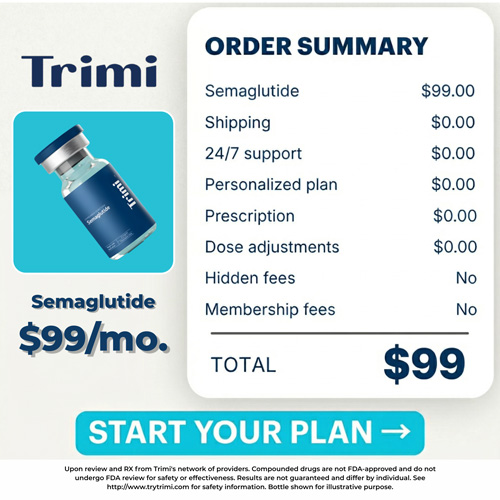
| Compounded GLP-1 options | Approximately $100–$500+ per month |
These prices are estimates and may change depending on pharmacy pricing, dosage requirements, location, and available discounts.
For many people, the biggest challenge is not only starting GLP-1 therapy but maintaining treatment long term. Since these medications are often used for ongoing health management, understanding monthly and yearly costs is important.
Why Are GLP-1 Medications So Expensive Without Insurance?
There are several reasons GLP-1 medications can have high out-of-pocket costs.
1. Brand-Name Medication Pricing
Many popular GLP-1 medications are brand-name prescriptions developed by large pharmaceutical companies. Research, clinical trials, manufacturing, and regulatory approval contribute to the overall cost.
Brand-name medications often have higher prices compared with generic medications because patent protections may limit competition.
2. Limited Generic Alternatives
Unlike many older medications, most GLP-1 drugs currently lack widely available generic versions.
When fewer alternatives exist, patients often have fewer lower-cost options.
3. Long-Term Treatment Costs
GLP-1 medications are generally not a one-time treatment. Many patients use them for months or longer at their healthcare provider’s recommendation.
Even a few hundred dollars per month can add up to a significant yearly expense.
For example:
- $300/month = $3,600 per year
- $500/month = $6,000 per year
- $1,000/month = $12,000 per year
This is why comparing pricing options is important before starting treatment.
Ozempic Cost Without Insurance
Ozempic is one of the most recognized GLP-1 medications.
Without insurance, the monthly cost of Ozempic is commonly around:
$900 to over $1,000 per month
The exact amount depends on:
- Dosage strength
- Pharmacy pricing
- Location
- Available discounts
Ozempic is primarily approved for adults with type 2 diabetes, although some healthcare providers may prescribe medications off-label based on individual medical judgment.
Patients interested in Ozempic should speak with a healthcare provider to determine whether it is an appropriate option.
Wegovy Cost Without Insurance
Wegovy contains the same active ingredient as Ozempic (semaglutide) but is specifically approved for chronic weight management for eligible adults and adolescents.
Without insurance, Wegovy can cost approximately:
$1,300–$1,400+ per month
Because Wegovy is designed specifically for weight management, some patients seek it as a dedicated obesity treatment option.
However, insurance coverage varies significantly. Some plans cover Wegovy, while others exclude weight-loss medications entirely.
Mounjaro Cost Without Insurance
Mounjaro is a medication containing tirzepatide, which works on both GLP-1 and GIP pathways.
Without insurance, Mounjaro may cost approximately:
$1,000 or more per month
The cost depends on:
- Prescription dosage
- Pharmacy
- Discounts or savings programs
- Availability
Mounjaro was initially approved for the management of type 2 diabetes, while tirzepatide is also available under another brand name for weight management.
Zepbound Cost Without Insurance
Zepbound contains tirzepatide and is approved for chronic weight management in eligible individuals.
Without insurance, the monthly cost may be:
Approximately $1,000+ per month
Because Zepbound is specifically marketed for weight management, many patients compare it with Wegovy when exploring prescription weight-loss options.
Compounded GLP-1 Cost Without Insurance
For patients who cannot afford brand-name GLP-1 medications, compounded options may be considered through licensed healthcare providers and compounding pharmacies.
Typical compounded GLP-1 pricing may range from:
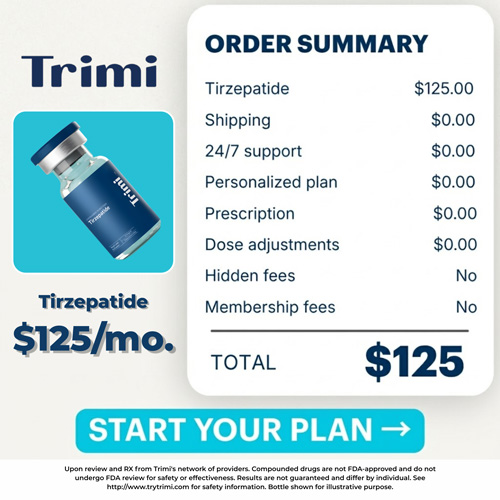
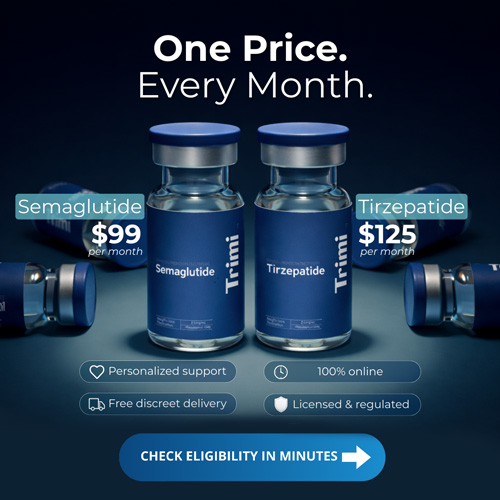
$100 to $500+ per month
The cost depends on:
- Medication type
- Dosage
- Provider fees
- Consultation costs
- Pharmacy fees
- Shipping expenses
Some telehealth providers offer monthly packages that include:
- Online medical consultation
- Prescription review
- Medication fulfillment
- Provider support
- Shipping
However, patients should always verify that they are working with legitimate healthcare providers and properly licensed pharmacies.
GLP-1 Cost Comparison: Brand Name vs Compounded Options
| Option | Average Monthly Cost | Main Consideration |
| Brand-name GLP-1 | $900–$1,400+ | FDA-approved medications with higher cost |
| Compounded GLP-1 | $100–$500+ | May be more affordable but availability varies |
| Insurance-covered GLP-1 | Depends on plan | Requires eligibility and approval |
The best choice depends on your health needs, medical eligibility, budget, and provider recommendations.
Ways to Lower GLP-1 Costs Without Insurance
Paying full price for GLP-1 medication can be challenging, but there are several strategies that may help reduce monthly expenses. The right approach depends on your medical situation, the medication prescribed, and available programs.
1. Compare Different GLP-1 Medication Options
Not all GLP-1 medications have the same price.
Some brand-name options may cost over $1,000 per month, while other options may have lower out-of-pocket costs depending on availability and provider recommendations.
Before choosing a medication, discuss:
- Expected monthly cost
- Long-term affordability
- Available alternatives
- Dosage requirements
- Potential savings options
A medication that fits your budget is more likely to be sustainable over time.
2. Check Manufacturer Savings Programs
Some pharmaceutical companies offer savings programs for eligible patients.
These programs may provide discounts for individuals who:
- Have commercial insurance
- Do not qualify for government insurance programs
- Meet specific eligibility requirements
Savings amounts and requirements can change, so patients should check current program details and discuss options with their healthcare provider.
3. Explore Telehealth GLP-1 Providers
Telehealth platforms have become a popular option for people seeking more convenient access to weight-management care.
Many online healthcare providers offer:
- Virtual consultations
- Medical evaluations
- Prescription support
- Medication delivery
- Ongoing provider communication
Some telehealth providers may offer lower monthly pricing compared with paying retail pharmacy prices directly.
However, patients should carefully review:
- Provider credentials
- Pharmacy licensing
- Medication sources
- Total monthly fees
- Included services
A lower price should not replace quality medical care.
4. Ask About Alternative Treatment Options
If a specific GLP-1 medication is too expensive, your healthcare provider may discuss alternative options.
Depending on your health goals, alternatives may include:
- Different GLP-1 medications
- Different dosage strategies
- Other FDA-approved weight management medications
- Lifestyle-based support combined with medical care
Every person’s situation is different, so treatment decisions should be personalized.
Hidden Costs to Consider When Taking GLP-1 Medication
When calculating the cost of GLP-1 treatment without insurance, many people only consider the medication price.
However, additional expenses may include:
Medical Consultation Fees
Some providers charge consultation or membership fees.
These may include:
- Initial evaluation
- Follow-up appointments
- Prescription management
- Provider messaging
Laboratory Testing
Some healthcare providers recommend lab testing before or during treatment.
Possible tests may include:
- Blood sugar measurements
- Kidney function tests
- Liver function tests
- Other health assessments
Lab costs vary depending on location and coverage.
Injection Supplies
Some injectable medications may require supplies such as:
- Needles
- Alcohol wipes
- Sharps containers
These costs are usually small compared with medication expenses but should still be considered.
Shipping Fees
Online providers may include shipping, while others may charge separately.
Before starting treatment, ask:
- Is shipping included?
- Are refill costs different?
- Are consultation fees separate?
Understanding the complete cost prevents unexpected expenses.
Are GLP-1 Medications Worth the Cost Without Insurance?
Whether GLP-1 medication is worth the cost depends on your personal health goals, medical needs, and financial situation.
For some eligible patients, GLP-1 medications may provide valuable support for:
- Weight management
- Appetite control
- Blood sugar improvement
- Building healthier habits
However, the cost can be a major factor because many patients use these medications long term.
Before starting treatment, consider:
✔ Can I comfortably afford the monthly cost?
✔ Does this medication fit my healthcare goals?
✔ Have I discussed benefits and risks with a qualified provider?
✔ Are there more affordable options available?
A healthcare provider can help determine whether GLP-1 treatment is appropriate.
How Much Does GLP-1 Cost Per Year Without Insurance?
Looking at yearly costs can provide a clearer picture.
Lower-Cost Options
If medication costs approximately:
$150/month
Annual cost:
$1,800 per year
Mid-Range Options
If medication costs approximately:
$400/month
Annual cost:
$4,800 per year
Brand-Name Retail Pricing
If medication costs approximately:
$1,000/month
Annual cost:
$12,000 per year
For many patients, finding a sustainable monthly option is more important than choosing the most expensive medication available.
Does Insurance Usually Cover GLP-1 Medications?
Insurance coverage for GLP-1 medications varies significantly.
Some insurance plans may cover GLP-1 medications for:
- Type 2 diabetes treatment
- Certain medical conditions
- Specific eligibility requirements
However, many plans do not cover medications when they are prescribed only for weight loss.
Coverage depends on:
- Insurance provider
- Employer plan
- Medical diagnosis
- Prior authorization requirements
- Formulary restrictions
Patients should contact their insurance company or review their plan documents to understand coverage.
Can You Get GLP-1 Medication Without Insurance?
Yes, some people receive GLP-1 medication without insurance by paying out of pocket.
Common options include:
- Paying directly at a retail pharmacy
- Using manufacturer discounts if eligible
- Working with telehealth providers
- Exploring affordable prescription options through licensed providers
A prescription and medical evaluation are still required.
GLP-1 medications should only be used under healthcare supervision.
Retail Pharmacy vs Online GLP-1 Providers: Cost Comparison
| Option | Potential Advantages | Possible Costs |
| Retail Pharmacy | Traditional prescription process | Medication may cost $900–$1,400+ monthly |
| Telehealth Provider | Convenience and bundled support | Monthly membership or consultation fees |
| Compounding Pharmacy | Potentially lower cost | Availability and eligibility vary |
The best option depends on your medical needs, budget, and preferred level of support.
How to Choose an Affordable GLP-1 Option Without Insurance
When comparing GLP-1 options, consider more than just the advertised price.
Look at:
Total Monthly Cost
Include:
- Medication
- Consultation fees
- Shipping
- Follow-up care
- Supplies
Provider Support
Quality care may include:
- Medical evaluation
- Progress monitoring
- Dosage guidance
- Communication with healthcare professionals
Medication Availability
Some medications may experience shortages or availability changes.
Ask your provider:
- Is the medication currently available?
- How are refills handled?
- What happens if availability changes?
Long-Term Sustainability
The most affordable option is usually the one you can maintain safely over time.
A lower monthly cost with reliable medical support may be more practical than choosing an expensive option that becomes difficult to continue.
Common Mistakes People Make When Paying for GLP-1 Without Insurance
Mistake 1: Choosing Based Only on Price
The cheapest option is not always the best option.
Patients should consider:
- Safety
- Provider qualifications
- Medication source
- Ongoing support
Mistake 2: Ignoring Additional Fees
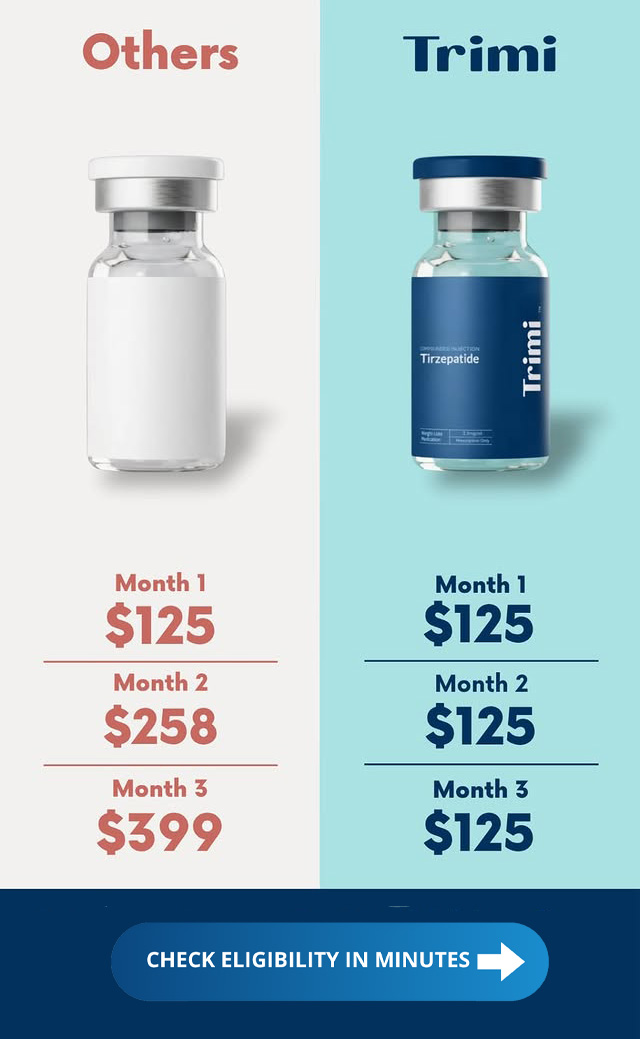
Some programs advertise low medication prices but add:
- Consultation fees
- Membership charges
- Shipping fees
Always calculate the complete monthly cost.
Mistake 3: Buying From Unverified Sources
GLP-1 medications require proper medical oversight.
Avoid purchasing prescription medications from unknown websites or sources that do not require healthcare evaluation.
Mistake 4: Not Asking About Alternatives
Many patients assume they only have one option.
A healthcare provider may recommend different approaches based on:
- Health history
- Budget
- Treatment goals
Conclusion: How Much Is GLP-1 Without Insurance?
GLP-1 medication costs without insurance can vary significantly depending on the medication, provider, pharmacy, and treatment approach.
Brand-name options like Ozempic, Wegovy, Mounjaro, and Zepbound may cost around $1,000 or more per month, while some compounded options and telehealth solutions may offer lower-cost alternatives.
When considering GLP-1 treatment, price is only one factor. Choosing a reliable healthcare provider, understanding total costs, and finding a sustainable treatment option are equally important.
I highly recommend discussing your options with a qualified healthcare provider before starting GLP-1 medication.
A personalized medical evaluation can help determine the right approach based on your health goals, budget, and individual needs.
With careful research and the right support, many patients can find a GLP-1 option that fits both their healthcare needs and financial situation.
.
