
Introduction
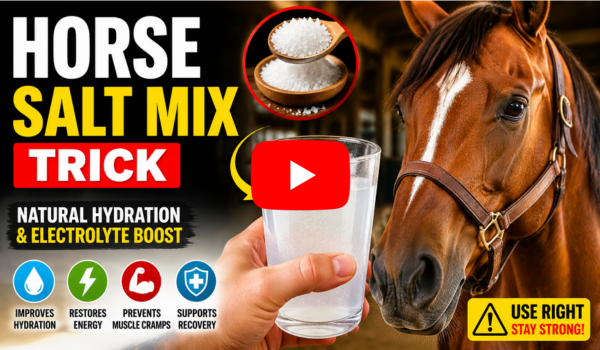
The Horse Salt Trick Video has recently become one of the most searched viral health-related terms on social media platforms.
Many users are curious about videos claiming that a simple salt-based mixture can dramatically improve hydration, stamina, or even athletic performance within minutes.
At first glance, these videos may look convincing, especially when presented in a fitness or “natural health hack” style.
However, when examined through scientific and medical understanding, the Horse Salt Trick Video trend raises serious concerns about misinformation and unsafe health practices.
This detailed guide explains everything you need to know: what the trend is, why it became viral, what people claim, what actually happens inside the body, the real risks, and what safer alternatives exist for hydration and energy.
What is the Horse Salt Trick Video?
The Horse Salt Trick Video refers to viral online content that promotes or demonstrates unusual salt-water mixtures, often claiming they can boost energy, improve hydration, or enhance physical strength.
The word “horse” is often used symbolically to suggest extreme strength or endurance, making the content more appealing and attention-grabbing.
In some cases, videos reference animals or athletic performance to make the claims sound more powerful.
However, there is no recognised scientific or medical method called the Horse Salt Trick. It is not used in hospitals, sports science, or nutrition therapy.
Instead, it is an internet trend created for engagement, curiosity, and viral attention rather than health improvement.
Origin of the Horse Salt Trick Video Trend
The origin of this trend can be traced back to social media platforms where short videos dominate user attention.
Content creators often experiment with shocking or unusual health ideas to increase views, likes, and shares.
Several factors contributed to its rise:
- Short video platforms like TikTok, Instagram Reels, and YouTube Shorts
- Rapid spread of fitness-related “hack” content
- Misinterpretation of electrolyte science
- Viral exaggeration of natural remedies
- Engagement-driven algorithms promoting sensational content
Over time, the term “Horse Salt Trick Video” became a keyword used in searches, even though the concept itself lacks a scientific foundation.
Why the Horse Salt Trick Video Became Viral?
The Horse Salt Trick Video became viral mainly because of how social media amplifies shocking, simple, and curiosity-driven health content.
Even though the concept has no scientific backing, it spread quickly due to a mix of psychology, algorithm behaviour, and misinformation trends.
Curiosity-Driven Content
- People are naturally drawn to unusual health “tricks” or hacks. The idea of a simple salt method improving energy or stamina creates immediate curiosity, making users click, watch, and share the video.
Short-Form Video Algorithms
- Platforms like TikTok, Instagram Reels, and YouTube Shorts prioritise engagement. Videos that get quick views, watch time, and shares are pushed to larger audiences even if the information is not accurate. This helps trends like the Horse Salt Trick spread rapidly.
“Quick Fix” Health Appeal
- Many viewers are looking for instant solutions for energy, fitness, or weight-related concerns. The idea of a fast and easy trick without effort feels attractive, even when it is not scientifically valid.
Misleading Presentation Style
- These videos often use confident tone, dramatic visuals, or fitness-related storytelling. This makes the content appear more credible than it actually is, even without medical evidence.
Lack of Scientific Awareness
- Most viewers are not deeply familiar with electrolyte science or safe salt intake levels. Because of this knowledge gap, it becomes easier for misleading content to be accepted as truth.
Influencer and Repost Effect
- Once a few creators post similar content, others repost or recreate it to gain views. This repetition creates the illusion that the trend is widely accepted or effective.
Emotional and Fitness Motivation
- The idea of gaining “horse-like strength” or instant stamina connects emotionally with fitness enthusiasts. This emotional trigger plays a big role in viral spread.
Common Claims in Horse Salt Trick Videos
Most Horse Salt Trick Video content includes bold claims such as:
- Instant boost in physical energy
- Faster hydration compared to water or sports drinks
- Improved endurance and stamina
- Detoxification of toxins from the body
- Enhanced athletic performance similar to animals
These claims sound appealing, but they are not supported by medical research or nutritional science.
In reality, proper hydration and energy balance require carefully regulated nutrient intake, not random salt mixtures.
Salt and Electrolytes in the Body
To understand why this trend is misleading, it is important to understand how salt works in the body.
Salt contains sodium, which is an essential electrolyte. Electrolytes help regulate:
- Fluid balance
- Nerve function
- Muscle contraction
- Blood pressure
However, the key factor is balance. The human body requires sodium in controlled amounts. Both deficiency and excess can cause serious health problems.
Medical electrolyte solutions are carefully formulated with precise ratios of sodium, potassium, and glucose. The Horse Salt Trick ignores this balance completely.
What Happens When You Consume Excess Salt Water?
When you consume excess salt water, the body reacts immediately to restore balance because sodium levels in the bloodstream become too high. This disrupts normal hydration and can affect multiple organs and systems.
Rapid Increase in Blood Sodium Levels
- Excess salt causes sodium concentration in the blood to rise. This condition is known as hypernatremia. The body struggles to maintain a safe balance, which can quickly affect normal cellular function.
Water Movement Out of Cells
- To dilute the excess sodium in the bloodstream, the body pulls water from inside the cells. This leads to cell dehydration, making tissues and organs function less efficiently.
Dehydration Instead of Hydration
- Although salt water is consumed, it actually causes the opposite effect. Instead of hydrating the body, it leads to overall dehydration, increased thirst, and dry mouth.
Increased Workload on Kidneys
- The kidneys are responsible for filtering excess sodium. When too much salt is consumed, they must work harder than normal. Over time, this can put stress on kidney function.
Rise in Blood Pressure
- High sodium levels cause the body to retain fluid in the bloodstream, which can lead to increased blood pressure. This is especially risky for people with hypertension or heart conditions.
Neurological Effects
Severe sodium imbalance can affect brain function. This may lead to symptoms such as:
- Headache
- Confusion
- Dizziness
- Fatigue
In extreme cases, it can become medically dangerous.
Muscle Cramps and Weakness
- Electrolyte imbalance caused by excess salt disrupts normal muscle function. This can result in cramps, weakness, or reduced physical performance.
Nausea and Digestive Discomfort
- High salt concentration can irritate the stomach, leading to nausea, bloating, or stomach discomfort.
Health Risks of Horse Salt Trick Video
Following viral health trends like this can result in several risks, especially when repeated or consumed in large quantities:
Short-Term Effects
- Headaches
- Fatigue
- Nausea
- Thirst
- Dizziness
Medium-Term Effects
- Electrolyte imbalance
- Muscle cramps
- Digestive discomfort
- Weakness
Long-Term Risks
- High blood pressure
- Kidney strain or damage
- Heart complications
- Chronic dehydration issues
People with pre-existing conditions such as hypertension, diabetes, or kidney disease are at even greater risk.
Horse Salt Trick vs Scientific Electrolyte Solutions
One of the biggest misconceptions is that the Horse Salt Trick is similar to sports drinks or medical hydration solutions.
Scientific Electrolyte Drinks
- Balanced sodium, potassium, and glucose
- Tested in laboratories and clinical studies
- Used in hospitals and sports medicine
- Safe when used correctly
Horse Salt Trick Method
- No standardised formulation
- No clinical testing
- Unbalanced salt concentration
- Not recommended by health experts
This comparison clearly shows that viral hacks cannot replace medical science.
Why People Trust Viral Health Trends?
Unfortunately, popularity often replaces accuracy in online environments.
Myths vs Facts About the Horse Salt Trick Video
Myth 1: The horse salt trick is a secret human health hack
- Fact: The behaviour shown in Horse Salt Trick Videos is standard animal nutrition. Horses lick salt blocks to meet mineral needs, not to unlock any special human health benefit.
Myth 2: Salt alone can boost energy and stamina
- Fact: Salt supports electrolyte balance, but it does not directly increase energy levels in humans. Energy comes from overall nutrition, hydration, and metabolism, not a single mineral.
Myth 3: This trick is an ancient wellness remedy
- Fact: Providing salt to horses is a routine veterinary practice, not a hidden or ancient healing technique. It has always been part of basic animal care management.
Medical Expert Opinions
Doctors and nutritionists consistently warn against following unverified viral health hacks. According to medical understanding:
- Sodium intake must remain within the daily recommended limits
- Excess salt leads to cardiovascular stress
- Kidney function can be negatively impacted
- Hydration must be balanced with proper fluids
Healthcare professionals strongly recommend using evidence-based hydration methods instead of experimental online trends.
Safe and Healthy Alternatives
Instead of relying on viral trends, these safe practices are recommended:
- Drink adequate clean water throughout the day
- Consume fruits rich in potassium, such as bananas and oranges
- Maintain a balanced diet with essential nutrients
- Use medically approved electrolyte solutions when necessary
- Ensure proper sleep and recovery
These methods support natural energy production and hydration without harmful side effects.
The Role of Social Media in Health Misinformation
Social media plays a major role in spreading trends like the Horse Salt Trick Video. Algorithms prioritise engagement, not accuracy.
As a result:
- Misleading content spreads faster than corrections
- Viral videos influence health decisions
- Viewers may trust influencers over medical professionals
This highlights the importance of critical thinking when consuming online health content.
How to Identify Fake Health Trends?
To avoid misinformation, look for these warning signs:
- Claims of “instant results”
- Lack of scientific references
- No medical expert involvement
- Overly dramatic or sensational language
- Viral challenges without safety warnings
If a health method sounds too good to be true, it usually is.
Conclusion
The Horse Salt Trick Video is a viral internet trend that promotes misleading and potentially harmful health claims.
While it may appear interesting or innovative on social media, it lacks scientific validation and does not provide real health benefits.
Instead of relying on viral shortcuts, it is always safer to follow proven medical advice, maintain a balanced diet, and stay properly hydrated with scientifically approved methods.
Health is not something that should be based on trends; it should always be based on evidence, safety, and expert guidance.
.
.
.
