Himalayan Salt Diet For Beginners – (COMPLETE STARTER GUIDE!) Learn uses, benefits, risks, and safe daily intake tips.
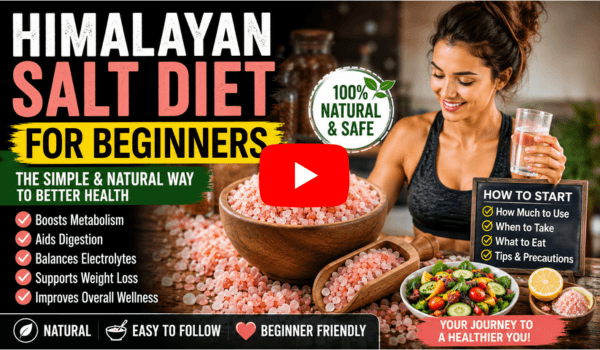

The Himalayan Salt Diet for Beginners has become a popular wellness trend among people looking for natural ways to improve hydration, digestion, and overall health.
Many beginners are drawn to Himalayan pink salt because it is less processed than regular table salt and contains trace minerals that give it a natural appeal.
However, it is important to understand that this diet is not a structured medical plan or a scientifically proven weight-loss method. Instead, it is more of a lifestyle approach that involves using Himalayan salt in moderation as part of a balanced diet.
For beginners, the key focus should be learning how to use Himalayan salt safely without overestimating its health benefits.
What Is Himalayan Pink Salt?
Himalayan pink salt is a naturally occurring rock salt mined from ancient deposits in the Himalayan region. Its pink color comes from trace minerals such as iron, magnesium, calcium, and potassium.
Unlike heavily refined table salt, Himalayan salt undergoes minimal processing.
This makes it appealing to people who prefer natural food options. However, the mineral content is very small and does not significantly impact overall nutrition.
Beginners Use Himalayan Salt in Diet
Beginners typically include Himalayan salt in their diet in simple ways such as:
- Replacing table salt in cooking
- Adding it to homemade meals
- Using it in warm water routines (in small amounts)
- Seasoning vegetables, proteins, and soups
The goal is usually to adopt a more natural seasoning option rather than drastically change eating habits.
Replace Regular Table Salt
Beginners often start by swapping refined table salt with Himalayan pink salt in daily cooking. This simple switch helps reduce processed additives while keeping meals flavorful and familiar.
Season Home-Cooked Meals
Himalayan salt is commonly used to season homemade dishes like vegetables, soups, rice, and lean proteins, making healthy meals more enjoyable and easier to maintain consistently.
Add to Warm Water (Minimal Use)
Some beginners use a pinch of Himalayan salt in warm water routines, believing it supports hydration. However, it should be used sparingly and not considered a detox solution.
Enhance Healthy Recipes
It is often added to salads, grilled foods, and whole grains to improve taste naturally, encouraging beginners to stick to nutrient-rich foods instead of processed options.
Support Mindful Eating Habits
Using Himalayan salt can increase awareness of food choices, helping beginners become more conscious of what they eat and how they prepare their meals daily.
Encourage Home Cooking Lifestyle
Many beginners find that using natural salt motivates them to cook more at home, reducing reliance on fast food and packaged meals that are often high in sodium and unhealthy fats.
Use in Moderation for Balance
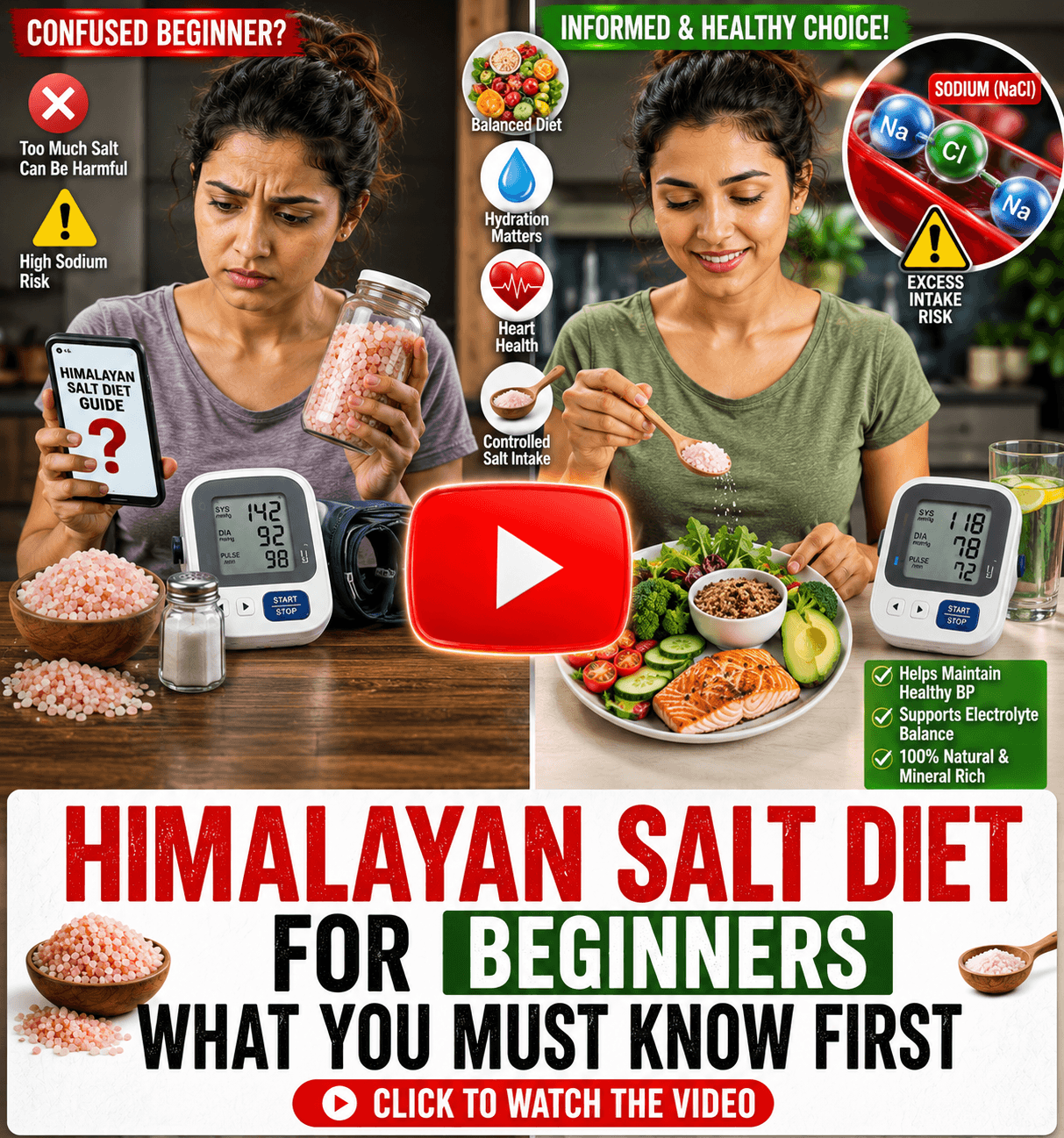
The most important rule for beginners is moderation. Himalayan salt should be used as a seasoning, not in excess, since it still contains sodium and affects overall daily intake.
Possible Benefits for Beginners
While not a medical treatment, beginners may experience some general lifestyle benefits:
- Encourages home cooking instead of processed foods
- Enhances flavor of healthy meals
- May increase awareness of hydration habits
- Provides a more natural alternative to refined salt
- Supports mindful eating practices
These benefits are mostly behavioral rather than physiological.
Does It Help with Weight Loss?
There is no scientific evidence that Himalayan salt directly causes weight loss. Any weight changes observed are usually due to:
- Improved diet quality
- Reduced processed food intake
- Better hydration habits
- Increased health awareness
For beginners, it is important to understand that weight loss depends on calorie balance, physical activity, and long-term lifestyle consistency—not salt type.
Himalayan salt does not directly cause weight loss or burn fat.
Any weight changes seen when using it are usually due to improved lifestyle habits such as eating more home-cooked meals, reducing processed foods, and increasing hydration awareness.
Weight loss depends on overall calorie balance, physical activity, and consistent healthy routines.
While Himalayan salt can be used as a natural seasoning, it should not be considered a weight-loss solution or substitute for a proper diet and exercise plan.
Safety and Recommended Intake for Beginners
| Aspect | Recommendation | Explanation |
|---|---|---|
| Daily Salt Intake | Keep within recommended limits | Excess sodium can affect blood pressure and overall health |
| Usage Level | Use in moderation | Himalayan salt should be used as a seasoning, not a supplement |
| Cooking Use | Replace table salt gradually | Helps beginners adjust without increasing total sodium intake |
| Water Mix Use | Use only small pinch if at all | Avoid overuse in “salt water” trends or detox drinks |
| Health Conditions | Consult doctor if needed | Important for people with hypertension, diabetes, or kidney issues |
| Processed Foods | Limit intake | Many processed foods already contain high sodium levels |
| Monitoring | Track total sodium intake | Ensures balanced diet regardless of salt type used |
Common Mistakes Beginners Make
Many beginners misunderstand Himalayan salt due to online trends. Common mistakes include:
- Believing it burns fat directly
- Using large amounts in “detox” drinks
- Thinking it is sodium-free or low-sodium
- Replacing all nutrition strategies with salt-based routines
- Ignoring total daily sodium intake
Understanding these misconceptions helps prevent unrealistic expectations.
Many beginners misunderstand Himalayan salt due to online trends and marketing claims.
A common mistake is believing it directly burns fat or causes weight loss, which is not scientifically proven.
Some also overuse it in “detox” water drinks, thinking more is better, which can increase sodium intake. Others assume it is low in sodium or sodium-free, which is incorrect.
Relying only on salt-based routines while ignoring diet and exercise, or not tracking total daily sodium intake, can lead to unrealistic expectations and poor health habits.
Healthy Beginner Lifestyle Approach
For long-term success, beginners should combine Himalayan salt use with proven health habits:
Eat a Balanced Diet Rich in Fruits and Vegetables
Include a variety of fruits, vegetables, whole grains, and lean proteins in daily meals to provide essential nutrients, improve energy levels, and support long-term overall health.
Exercise Regularly (Walking, Strength Training, Yoga)
Engage in at least 30 minutes of physical activity daily, such as walking, strength training, or yoga, to improve cardiovascular health, muscle strength, and metabolism.
Drink Adequate Water Throughout the Day
Stay properly hydrated by drinking enough water daily to support digestion, maintain energy levels, and help regulate body functions effectively.
Reduce Processed and Sugary Foods
Limit intake of processed foods and sugary drinks, as they often contain excess calories, unhealthy fats, and additives that negatively impact overall health and weight.
Maintain Consistent Sleep and Stress Management
Ensure 7–9 hours of quality sleep and practice stress management techniques like meditation or deep breathing to support hormonal balance and mental well-being.
Himalayan Salt vs Regular Salt for Beginners
Both Himalayan salt and table salt contain similar sodium levels, meaning their effects on the body are nearly the same.
Differences include:
- Himalayan salt: less processed, contains trace minerals
- Table salt: refined, often iodized
However, neither type offers a direct health advantage for beginners in terms of weight loss or disease prevention.
Who Should Be Careful?
Beginners with certain conditions should be extra cautious:
- High blood pressure
- Heart disease
- Kidney problems
- Diabetes
In these cases, sodium intake must be closely monitored regardless of salt type.
Tips for Using Himalayan Salt Correctly
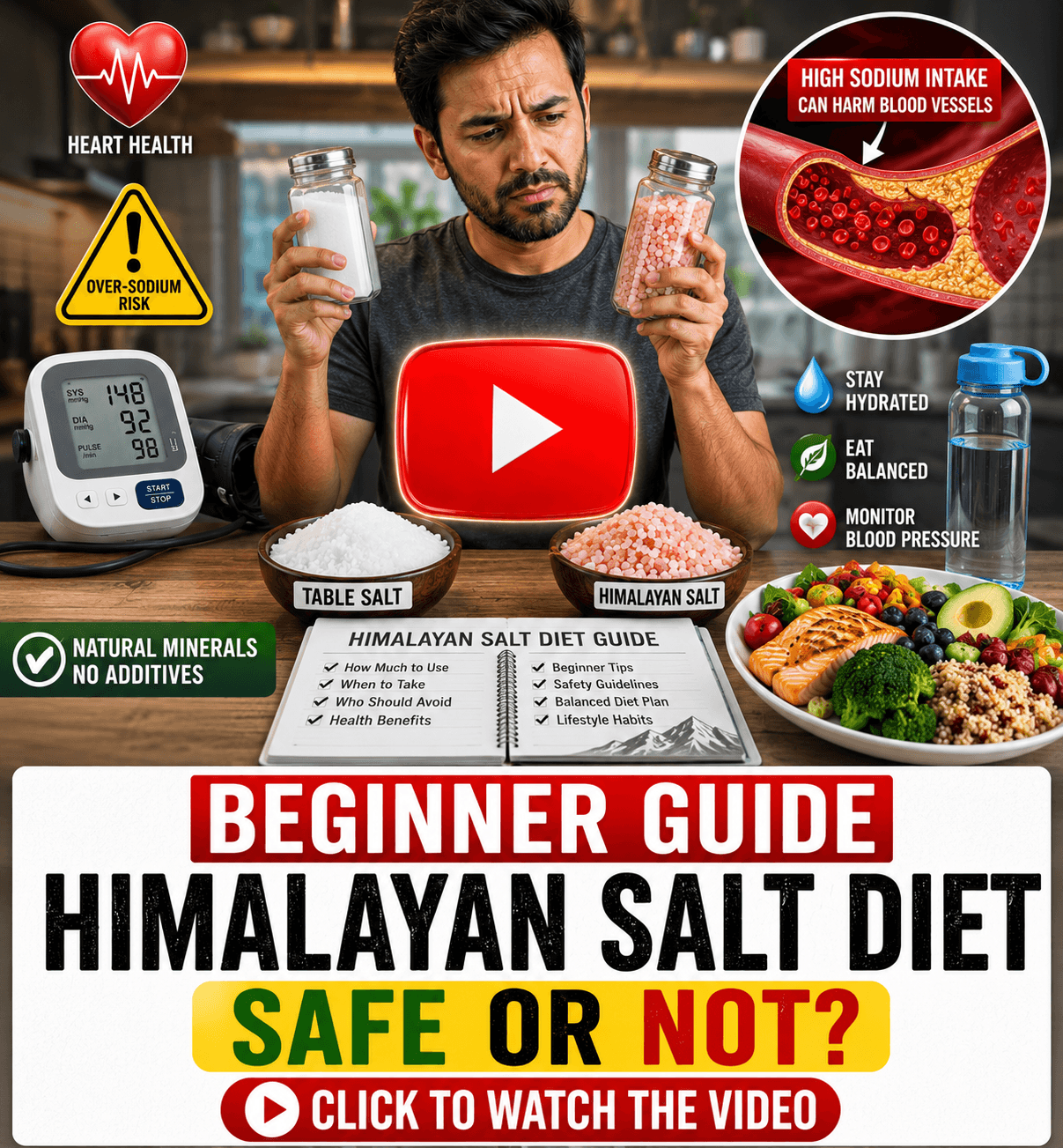
Use It as a Seasoning, Not a Supplement – Himalayan salt should only be used to enhance food flavor, not as a health supplement or treatment for any disease.
Keep Portions Small and Controlled – Use only small amounts in cooking to avoid excess sodium intake, which can negatively affect blood pressure and overall health.
Focus on Whole Food-Based Meals – Prioritize fresh vegetables, fruits, lean proteins, and whole grains instead of processed foods for better nutrition and balance.
Avoid “Salt Water Detox” Overuse – Do not rely on salt water drinks for detox claims, as excessive intake may increase sodium levels and strain the body.
Balance Salt with Potassium-Rich Foods – Include potassium-rich foods like bananas, spinach, and avocados to help maintain electrolyte balance and support heart health.
Final Thoughts for Beginners
The Himalayan Salt Diet for Beginners is best understood as a lifestyle preference rather than a medical or weight-loss solution.
It may support healthier cooking habits and mindful eating, but it does not provide direct therapeutic benefits.
For beginners, the most important takeaway is moderation.
When used responsibly, Himalayan salt can be part of a balanced diet, but long-term health depends on overall nutrition, exercise, and consistent healthy habits not the type of salt alone.
.
.
.
