Eleuthero (Siberian Ginseng): Exploring Its Benefits for Energy, Stress Relief, and Stamina
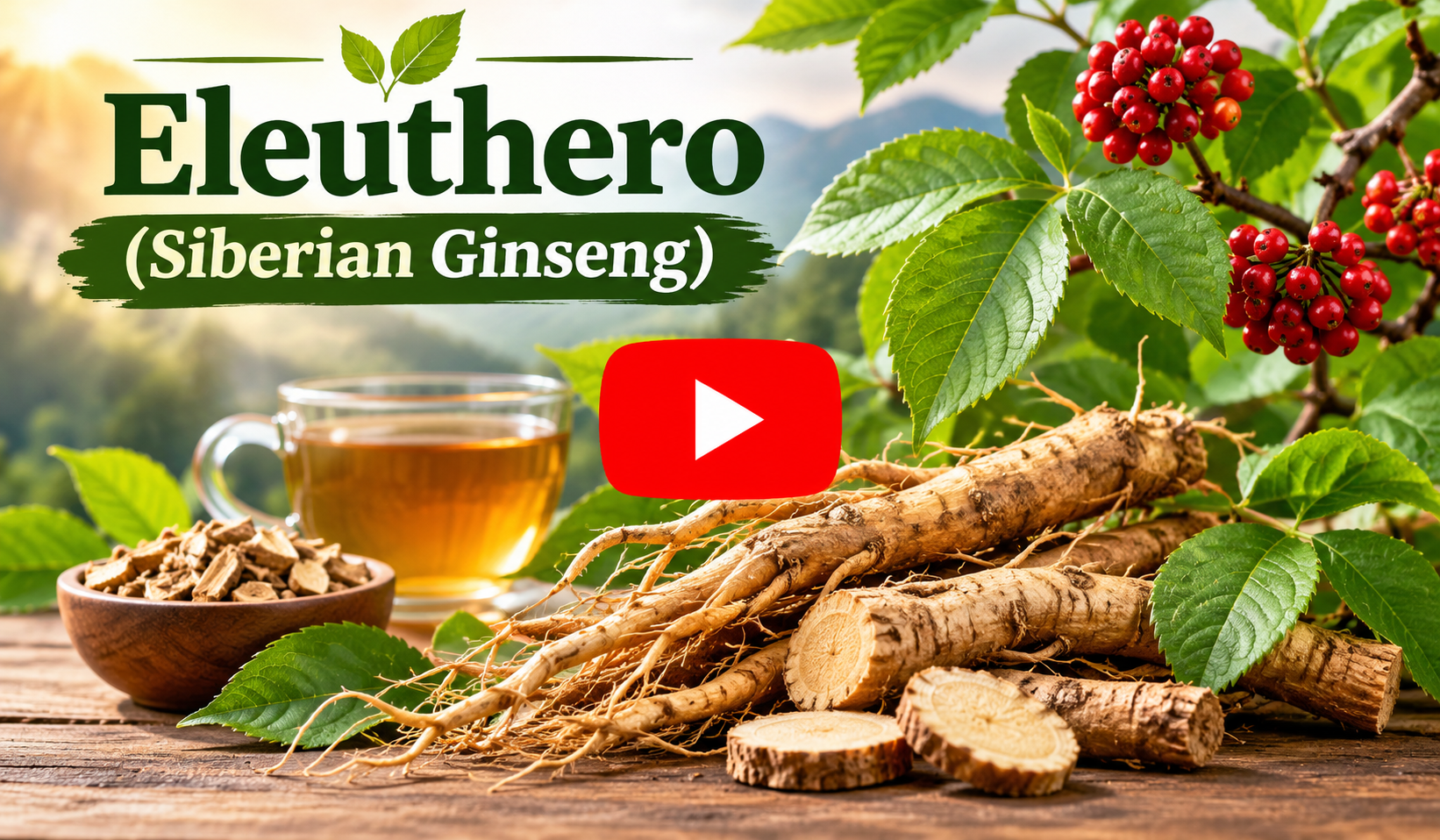
Feeling mentally exhausted, physically drained, or overwhelmed by everyday stress can make it difficult to maintain an active and productive lifestyle. While balanced nutrition, quality sleep, and regular exercise remain essential, certain traditional herbs may offer additional wellness support.
Eleuthero (Siberian ginseng) is one such herb that has attracted attention for its potential adaptogenic properties. Traditionally used in Asian herbal medicine, eleuthero is associated with energy production, physical endurance, stress management, mental performance, and immune wellness.
Unlike stimulants that provide a temporary energy boost, eleuthero is generally used to support the body’s ability to adapt to physical and psychological demands over time.
But what exactly is eleuthero, how does it work, and is it worth adding to your wellness routine? This comprehensive guide explores its potential health benefits, active compounds, recommended usage, safety considerations, and differences from other adaptogenic herbs.
What Is Eleuthero (Siberian Ginseng)?
Eleuthero (Eleutherococcus senticosus) is a woody, thorny shrub belonging to the Araliaceae plant family. It grows naturally in parts of Russia, northeastern China, Korea, and Japan, where its roots have traditionally been used in herbal preparations.
Commonly known as Siberian ginseng, eleuthero is not a true ginseng. Although it shares certain traditional uses with Asian and American ginseng, it contains different naturally occurring compounds called eleutherosides.
Eleuthero is classified as an adaptogenic herb. Adaptogens are substances studied for their potential to influence the body’s response to physical, mental, and environmental stress.
The root is commonly processed into capsules, tablets, herbal teas, powders, tinctures, and concentrated extracts. People generally incorporate eleuthero into their wellness routines to address occasional tiredness and support an active lifestyle.
The European Medicines Agency recognizes eleuthero root as a traditional herbal preparation for addressing fatigue and general weakness, primarily on the basis of its longstanding use.
How Does Eleuthero Work in the Body?
Eleuthero contains several bioactive plant compounds that researchers have investigated for their potential effects on stress-related biological processes, cellular protection, metabolism, and immune activity.
Unlike caffeine, which directly stimulates the central nervous system, eleuthero is studied for its possible influence on the body’s adaptive responses.
Its proposed mechanisms involve:
-
Stress response regulation: May influence biological pathways involved in responding to physical and emotional stress.
-
Energy metabolism: Researchers have explored its effects on how the body utilizes carbohydrates and fats during physical activity.
-
Antioxidant protection: Naturally occurring plant compounds demonstrate antioxidant activity in laboratory studies.
-
Immune system modulation: Certain constituents may influence immune cell activity.
-
Nervous system support: Experimental research has examined its potential role in protecting nerve cells against cellular stress.
These mechanisms are promising areas of research, although many findings come from laboratory and animal studies rather than large human clinical trials.
10 Potential Health Benefits of Eleuthero (Siberian Ginseng)
1. May Support Natural Energy Levels
Eleuthero is traditionally used as a herbal tonic for individuals experiencing occasional tiredness, weakness, and reduced vitality.
Rather than relying on caffeine or sugary energy drinks, some people incorporate eleuthero into a morning wellness routine. Its potential influence on energy metabolism makes it an interesting herbal option for supporting everyday activity.
2. May Help the Body Manage Stress
Modern lifestyles often involve demanding work schedules, insufficient rest, and emotional pressure. Prolonged stress can affect concentration, motivation, sleep, and physical well-being.
As an adaptogenic herb, eleuthero has been investigated for its potential to influence stress-response pathways. It may complement healthy stress-management practices such as meditation, exercise, breathing exercises, and adequate rest.
3. May Improve Physical Endurance
Eleuthero has a long history of use among physically active individuals interested in stamina and exercise performance.
Researchers have explored its potential effects on oxygen utilization, exercise capacity, and metabolic efficiency. Human studies have produced varying results, so improvements in athletic performance should not be considered guaranteed.
4. May Help Reduce Occasional Fatigue
Persistent feelings of tiredness can interfere with productivity and daily responsibilities. Eleuthero is traditionally used to address temporary physical weakness and exhaustion.
A randomized clinical trial investigating Siberian ginseng for chronic fatigue found that the overall improvement was not significantly different from placebo, although some subgroup findings suggested potential benefits.
5. May Support Mental Clarity and Focus
Mental fatigue often makes concentrating, remembering information, and completing everyday tasks more challenging.
Eleuthero has traditionally been associated with mental alertness and cognitive endurance. Researchers continue to investigate whether its adaptogenic compounds can influence mental performance during stressful or demanding situations.
6. May Support Immune System Function
A healthy immune system helps the body respond to environmental challenges and maintain overall wellness.
Eleuthero contains polysaccharides and other naturally occurring compounds that have demonstrated immune-modulating properties in experimental studies. These findings make it an interesting subject for immune health research rather than an established treatment for infections.
7. Provides Natural Antioxidant Compounds
Oxidative stress occurs when the production of reactive molecules exceeds the body’s antioxidant defenses.
Eleuthero contains phenolic compounds and other plant constituents with antioxidant properties. Laboratory research suggests these substances may help influence processes associated with cellular protection and oxidative balance.
8. May Support Exercise Recovery
Physical activity places temporary stress on muscles and metabolic systems. Proper recovery requires sufficient protein, hydration, sleep, and rest.
Eleuthero has been investigated for its potential role in exercise-related fatigue and recovery. It may complement a structured fitness routine but should not replace essential recovery habits.
9. May Support Metabolic Wellness
Researchers have examined eleuthero’s potential influence on glucose utilization and fat metabolism in experimental settings.
These investigations offer insights into how adaptogenic herbs might interact with metabolic processes. Eleuthero is not an established treatment for diabetes, insulin resistance, or weight management.
10. May Promote Overall Vitality
Eleuthero’s traditional reputation centers on maintaining strength and resilience during physically and mentally demanding periods.
Its caffeine-free nature may appeal to individuals exploring herbal approaches to everyday wellness, particularly when combined with nutritious meals, regular movement, and consistent sleeping habits.
Key Active Compounds in Eleuthero Root
The potential wellness properties of eleuthero are associated with several naturally occurring bioactive compounds found within its roots.
Eleutheroside B (Syringin): Studied for its adaptogenic and antioxidant properties.
Eleutheroside E: Investigated for its potential role in fatigue management and stress resilience.
Polysaccharides: May influence immune system activity and cellular responses.
Flavonoids: Provide natural antioxidant properties that may help protect cells against oxidative stress.
Chlorogenic Acid: Studied for its antioxidant and metabolic activity.
Coumarins: Contribute to the herb’s biological properties.
Lignans: Investigated for their potential role in cellular protection.
Eleutherosides B and E are particularly important because manufacturers frequently use them as quality markers when standardizing eleuthero root extracts.
Eleuthero vs. Panax Ginseng vs. Ashwagandha
Although these three herbs are commonly associated with adaptogenic wellness, they differ in their botanical origins, active compounds, and traditional applications.
Eleuthero (Eleutherococcus senticosus) contains eleutherosides and is traditionally associated with energy, endurance, and physical resilience.
Panax ginseng (Panax ginseng) contains ginsenosides and is commonly studied for vitality, physical performance, and cognitive wellness.
Ashwagandha (Withania somnifera) contains withanolides and is more commonly associated with relaxation, stress management, and sleep support.
Eleuthero may appeal to individuals primarily interested in daytime energy and physical resilience. Ashwagandha is more commonly associated with relaxation, while Panax ginseng is traditionally used for vitality and cognitive wellness.
Each herb has different safety considerations and potential medication interactions.
Different Forms of Eleuthero Supplements
Eleuthero is available in several convenient forms, allowing individuals to choose a preparation that suits their daily routine.
Eleuthero Capsules and Tablets
Capsules and tablets provide a convenient, premeasured serving. Standardized extracts may offer greater consistency in the concentration of specific active compounds.
Eleuthero Root Powder
Powdered eleuthero root can be mixed into smoothies, warm beverages, or other suitable drinks. It typically has an earthy, slightly bitter flavor.
Eleuthero Herbal Tea
Dried eleuthero root can be prepared as a traditional herbal beverage. Tea may appeal to individuals who prefer natural, caffeine-free drinks over capsules.
Eleuthero Liquid Extract
Liquid extracts and tinctures offer a convenient alternative to tablets. Their concentrations vary considerably, making it important to follow the individual product instructions.
How Much Eleuthero Should You Take Daily?
The appropriate eleuthero dosage depends on the preparation, extract strength, age, health status, and intended purpose.
Health Canada’s herbal monograph lists an adult daily dosage range equivalent to 0.91–6 grams of dried root or root and rhizome for specified preparations. This range should not be applied directly to concentrated extracts.
Different supplement preparations require different serving amounts.
-
Capsules: Follow the recommended serving size on the product label.
-
Root powder: Measure the specified quantity accurately.
-
Standardized extract: Check the extract strength and concentration.
-
Herbal tea: Follow the preparation instructions provided by the supplier.
-
Liquid tincture: Use the recommended measured serving.
Start with the lowest labeled serving, avoid exceeding the recommended amount, and consult a healthcare professional before continuing use beyond four weeks.
When Is the Best Time to Take Eleuthero?
Morning or early afternoon is generally a practical time to take Siberian ginseng, particularly for individuals using it for daytime wellness.
Taking eleuthero with breakfast may help establish a consistent routine. Individuals with sensitive stomachs may prefer taking it alongside food if permitted by the product instructions.
Avoid taking eleuthero close to bedtime if it interferes with sleep. Combining it with large amounts of caffeine may also be unsuitable for people who experience nervousness or palpitations.
How to Make Eleuthero Root Tea
Eleuthero root tea offers a traditional way to incorporate this herb into a wellness routine.
Ingredients: Dried eleuthero root, one cup of water, and optional lemon or cinnamon for flavor.
Preparation:
-
Bring one cup of water to a gentle boil.
-
Add the recommended amount of dried eleuthero root.
-
Reduce the heat and simmer for 10–15 minutes.
-
Strain the liquid into a cup.
-
Allow it to cool slightly before drinking.
-
Add lemon or cinnamon if desired.
Follow the root supplier’s dosage instructions and avoid combining multiple eleuthero preparations without professional guidance.
Eleuthero (Siberian Ginseng) Side Effects
Although eleuthero is generally well tolerated during short-term use, some individuals may experience unwanted reactions.
Possible mild side effects include:
-
Headaches
-
Stomach discomfort
-
Diarrhea
-
Insomnia
-
Irritability
-
Nervousness
Some individuals may also experience palpitations or changes in blood pressure.
Discontinue use and seek medical attention if you experience significant heart rhythm changes, severe symptoms, or signs of an allergic reaction.
Individual responses may vary depending on dosage, existing health conditions, and medication use. Long-term safety beyond three months has not been adequately established.
Who Should Take Eleuthero and Who Should Avoid It?
Eleuthero may be of interest to adults experiencing occasional tiredness, individuals with demanding schedules, physically active adults, and people exploring traditional adaptogenic herbs.
However, certain individuals should avoid unsupervised use or seek medical advice before taking it.
These include:
-
Pregnant or breastfeeding women.
-
Individuals with high blood pressure.
-
People with existing heart conditions.
-
Individuals taking prescription medications.
-
People with hormone-sensitive conditions.
-
Children and adolescents.
Persistent or unexplained fatigue should be medically evaluated before starting herbal supplementation, as it may be associated with anemia, thyroid disorders, nutritional deficiencies, or other underlying conditions.
Does Eleuthero Interact With Medications?
Eleuthero may interact with certain medications, making professional guidance important before combining it with prescription treatments.
Diabetes medications: There may be concerns about changes in blood glucose levels, particularly when eleuthero is combined with glucose-lowering treatments.
Blood thinners: Potential interactions may affect bleeding risk.
Immunosuppressants: Eleuthero’s possible effects on immune activity could interfere with the intended action of certain immune-suppressing medications.
Digoxin: There are concerns about possible interactions that may affect medication levels or associated effects.
Certain liver-metabolized medications: Herbal compounds may influence medication processing, although the clinical significance of these interactions is not fully established.
Always consult a healthcare professional before combining eleuthero with prescription treatments.
What Does Scientific Research Say About Eleuthero?
Eleuthero has been studied for several decades, particularly in relation to fatigue, exercise performance, stress adaptation, and cognitive function.
A comprehensive scientific review published in 2025 examined the herb’s phytochemistry, pharmacological activity, and adaptogenic potential. Researchers highlighted several promising biological mechanisms while identifying weaknesses in existing clinical research.
The strongest foundation for eleuthero remains its traditional application for temporary tiredness and general weakness. Larger, well-designed human studies are needed to establish its effectiveness for athletic performance, memory enhancement, immune health, and other proposed benefits.
How to Choose a High-Quality Eleuthero Supplement
Not all herbal supplements offer the same quality, purity, or concentration. When purchasing Siberian ginseng, look for products that meet the following criteria:
-
Clearly identify Eleutherococcus senticosus on the label.
-
Specify the root or rhizome as the plant material.
-
Disclose the serving size and extract concentration.
-
Provide eleutheroside standardization details where applicable.
-
Offer independent testing for purity and contaminants.
-
Avoid unnecessary stimulants and undisclosed proprietary blends.
-
Include transparent manufacturing and usage information.
Choosing a reputable product can help reduce the risk of contamination, incorrect botanical ingredients, and inconsistent potency.
Conclusion
Eleuthero (Siberian ginseng) is a fascinating traditional adaptogenic herb associated with natural energy, physical endurance, stress resilience, and everyday vitality.
Its naturally occurring eleutherosides, polysaccharides, and antioxidant compounds make it an interesting option for individuals exploring botanical approaches to wellness.
For healthy adults experiencing occasional tiredness, eleuthero may be worth considering as part of a balanced lifestyle that includes nutritious meals, regular exercise, proper hydration, and restorative sleep.
Choosing a high-quality root extract, following recommended serving instructions, and understanding potential interactions are essential for responsible use.
Ultimately, eleuthero is best viewed as a complementary wellness herb rather than a quick fix for fatigue or a replacement for medical treatment.
