Table of Contents
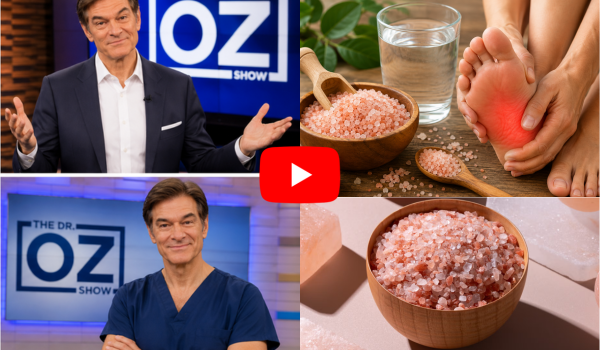
ToggleDr Oz Pink Salt Trick for Neuropathy – (🧂FAST NATURAL WELLNESS SUPPORT!) Learn benefits, usage ideas, safety tips, and nerve health support insights.

Introduction
Neuropathy is a condition that affects millions of people worldwide, causing symptoms such as tingling, burning sensations, numbness, and nerve pain, especially in the hands and feet.
In recent years, various natural wellness trends have gained attention online, including the so called “Dr. Oz Pink Salt Trick for Neuropathy.”
This trend claims that Himalayan pink salt may help support nerve health, improve circulation, and reduce discomfort associated with neuropathy.
However, it is important to understand that while salt plays a role in electrolyte balance, there is no strong clinical evidence that pink salt alone can treat or reverse neuropathy.
In this blog, we explore what this trend is, where it comes from, possible benefits people believe in, risks, and what science actually says. We also discuss safer, evidence-based ways to support nerve health.
What Is the Dr. Oz Pink Salt Trick for Neuropathy?
The “Dr. Oz Pink Salt Trick for Neuropathy” is a popular internet-based wellness idea that suggests consuming or using Himalayan pink salt in water or food may help improve nerve function.
Typically, the trick involves:
- Mixing a small amount of pink salt in warm water
- Drinking it in the morning
- Believing it restores mineral balance and improves nerve signals
Some variations also include combining pink salt with lemon water or other natural ingredients.
Despite its popularity, it is important to clarify that Dr. Mehmet Oz has not officially endorsed pink salt as a treatment for neuropathy in any medical guidelines.
The association is largely based on social media interpretations and wellness blogs.
How the Pink Salt Concept Is Believed to Work?
The “pink salt concept” is based on the idea that Himalayan pink salt contains natural minerals that may support overall body balance, especially hydration, circulation, and nerve function.
While it is widely shared in wellness trends, it is important to understand that these are theoretical or traditional beliefs, not proven medical treatments for conditions like neuropathy.
Here is how it is commonly believed to work:
Mineral Content Support
- Himalayan pink salt is said to contain trace minerals such as magnesium, potassium, calcium, and iron. Supporters believe these minerals may help support nerve signaling and muscle function. However, the actual amounts are very small compared to daily nutritional needs.
Electrolyte Balance
- Salt plays a key role in maintaining electrolytes in the body. Electrolytes help control nerve impulses, muscle movement, and hydration. The pink salt concept suggests that consuming small amounts may help maintain better balance, especially when the body is dehydrated.
Hydration Support
- Some wellness routines involve mixing pink salt in warm water. The belief is that it helps the body absorb water more effectively and maintain fluid balance, which is important for energy and nerve function.
Circulation Improvement Theory
- Another popular claim is that pink salt may support blood flow. Better circulation is often associated with improved oxygen and nutrient delivery to nerves, which is why it is linked with neuropathy discussions in wellness blogs.
Natural Energy Balance Idea
- Some people believe that mineral-rich salt water can help reduce fatigue and improve energy levels by supporting adrenal and electrolyte function. However, this is more of a wellness theory than a clinically proven effect.
Neuropathy: A Medical Overview
Neuropathy is a medical condition that occurs when the peripheral nerves become damaged or stop working properly.
These nerves are responsible for sending signals between the brain, spinal cord, and the rest of the body.
When they are affected, communication in the nervous system becomes disrupted, leading to a wide range of symptoms.
Neuropathy is not a single disease it is a group of nerve disorders that can develop for many different reasons.
The condition may affect one nerve (mononeuropathy), multiple nerves in different areas (mononeuritis multiplex), or many nerves throughout the body (polyneuropathy).
Common Causes of Neuropathy
Neuropathy can develop due to several underlying health conditions and lifestyle factors, including:
- Diabetes (most common cause) – high blood sugar damages nerves over time
- Vitamin deficiencies – especially B1, B6, B12, and folate
- Infections – such as shingles, Lyme disease, or viral infections
- Autoimmune disorders – where the immune system attacks nerves
- Physical injuries – trauma or pressure on nerves
- Toxins and alcohol use – long-term exposure can harm nerve tissue
- Certain medications – including some chemotherapy drugs
Understanding the root cause is essential because treatment depends on what is triggering the nerve damage.
Symptoms may include:
- Tingling or “pins and needles” sensation
- Burning pain in hands or feet
- Muscle weakness
- Loss of coordination
- Sensitivity to touch
Because neuropathy has multiple causes, treatment must be tailored to the underlying condition rather than relying on a single natural remedy.
Claimed Benefits of Pink Salt for Neuropathy
The use of Himalayan pink salt for neuropathy has become popular in wellness blogs and social media discussions.
These claims are based on traditional beliefs and mineral content theories rather than strong clinical evidence.
While pink salt is simply a form of sodium chloride with trace minerals, supporters suggest it may offer certain supportive benefits for overall wellness and nerve health comfort.
- May help maintain hydration levels
- May support electrolyte balance in the body
- May improve temporary energy levels
- May reduce mild muscle cramps
- May support general well-being
However, these are general wellness claims, not scientifically proven treatments for nerve repair or neuropathy reversal.
It is important to differentiate between supportive nutrition and actual medical therapy.
Scientific Evidence: What Research Says?
When it comes to the Dr. Oz Pink Salt Trick for Neuropathy, scientific research does not support most of the claims made online.
While pink Himalayan salt is widely promoted in wellness trends, its actual health impact is very similar to regular table salt.
Key scientific points:
- There are no clinical studies proving that pink salt treats or cures neuropathy.
- Himalayan pink salt is made of about 98% sodium chloride, similar to table salt.
- The trace minerals in pink salt are present in very small, non-therapeutic amounts.
- No scientific evidence shows pink salt can repair or regenerate damaged nerves.
- Neuropathy treatment in research focuses on blood sugar control, vitamins, and medical therapy, not salt intake.
- The body already regulates electrolytes (sodium, potassium, magnesium) automatically through kidneys.
- The “pink salt trick” is considered a wellness trend, not an evidence-based treatment.
Medical professionals emphasize that neuropathy requires proper diagnosis and treatment, not salt-based remedies alone.
Possible Risks and Side Effects
While Himalayan pink salt is often marketed as a natural wellness ingredient, using it especially in “trick” remedies for neuropathy can come with several risks if consumed excessively or used improperly.
Possible concerns include:
- High blood pressure due to excess sodium intake
- Kidney strain in sensitive individuals
- Water retention and bloating
- Imbalance of electrolytes if misused
- Delaying proper medical treatment
People with diabetes, hypertension, or kidney disease should be especially cautious before increasing salt intake.
Moderation is key in any dietary habit involving sodium.
Lifestyle Approaches That Actually Support Neuropathy
Managing neuropathy requires consistent lifestyle habits that support nerve health. Keeping blood sugar stable is essential, especially for diabetic neuropathy, to prevent further nerve damage.
A nutrient-rich diet with B vitamins, omega-3s, antioxidants, and lean proteins helps support nerve repair. Regular low-impact exercise improves blood circulation and reduces pain.
Maintaining a healthy weight reduces pressure on nerves. Correcting vitamin deficiencies, especially B12, is important for nerve function.
Avoiding alcohol and smoking helps prevent nerve damage. Stress management through meditation and yoga can reduce symptoms, while good sleep supports body repair.
Proper foot care is also important for preventing complications. These habits, along with medical guidance, provide the best support for neuropathy management.
Expert Perspective
Experts in neurology and internal medicine emphasize that neuropathy is a complex condition that requires medical diagnosis and treatment based on its root cause, such as diabetes, vitamin deficiencies, infections, or nerve injury.
They state that there is no scientific evidence supporting Himalayan pink salt as a treatment for nerve damage or neuropathic pain.
While pink salt can be used in small dietary amounts, it offers no therapeutic benefit for nerve repair.
Doctors recommend proven approaches like blood sugar control, vitamin B12 support, physical therapy, and prescribed medications when necessary.
Specialists also warn that relying on unverified “tricks” may delay proper treatment and allow nerve damage to worsen.
Overall, expert opinion supports lifestyle care and medical guidance, not salt-based remedies, for effective neuropathy management.
Final Thoughts
The “Dr. Oz Pink Salt Trick for Neuropathy” is a popular wellness trend, but it should be viewed with caution and a clear understanding of medical facts.
While Himalayan pink salt contains trace minerals and may support general dietary balance when used in moderation, there is no scientific evidence that it can treat, cure, or reverse neuropathy.
Neuropathy is a serious nerve condition that develops due to underlying causes such as diabetes, vitamin deficiencies, infections, or nerve injury.
Because of this, effective management always requires proper diagnosis and targeted medical care rather than relying on simple home remedies or viral health hacks.
Lifestyle habits such as maintaining stable blood sugar, eating a nutrient-rich diet, exercising regularly, avoiding alcohol, and ensuring proper vitamin intake can all play an important supportive role in nerve health.
In conclusion, pink salt may be part of a balanced diet, but it is not a solution for neuropathy. The safest and most effective approach is combining healthy lifestyle choices with evidence-based medical guidance to manage symptoms and protect long-term nerve health.
.
.
.
