Vicks VapoRub and Honey for Tinnitus: Exploring the Popular Home Remedy for Ringing Ears and Whether It Really Works
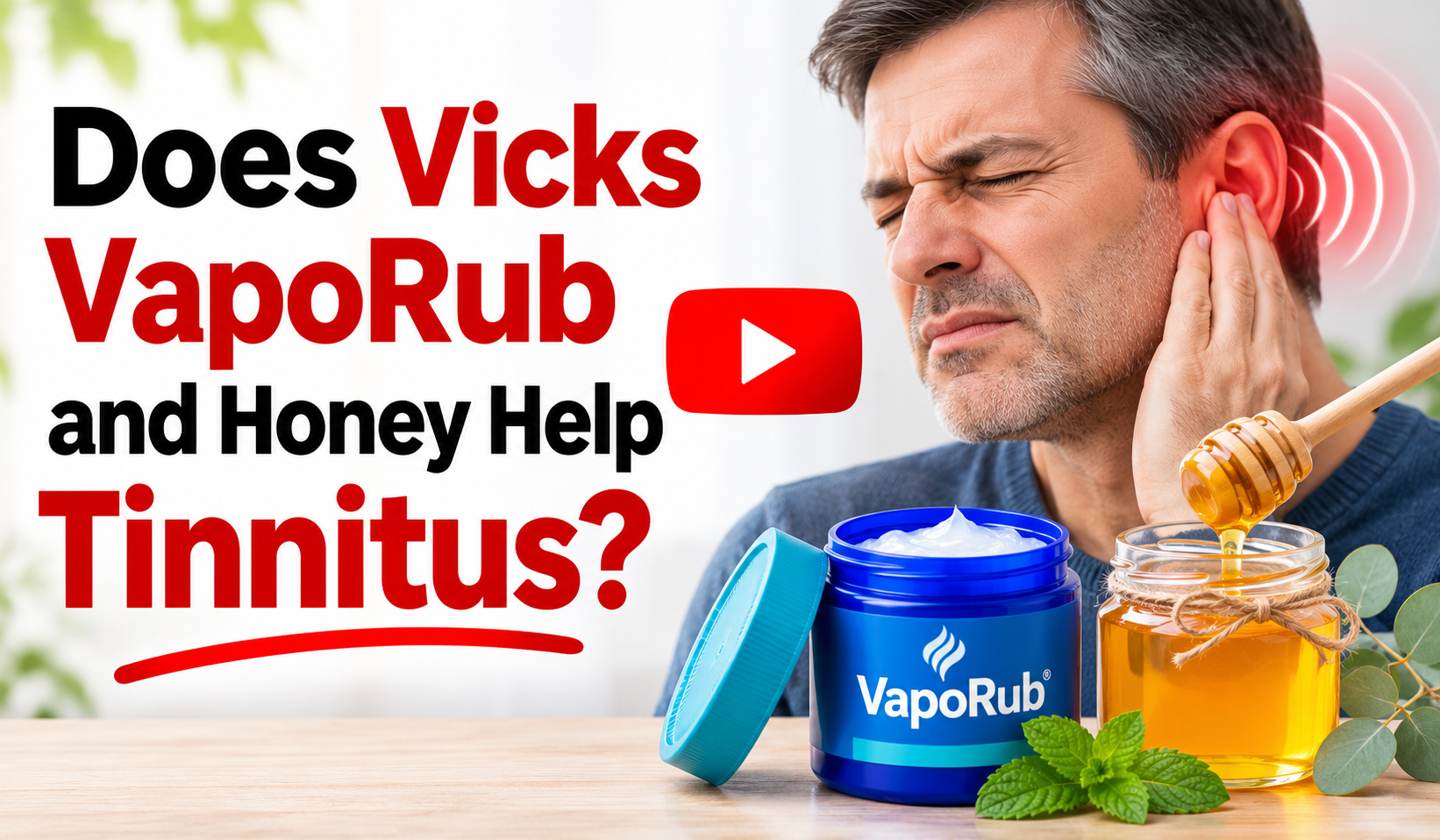

Tinnitus can turn an otherwise peaceful evening into a frustrating experience. The constant ringing, buzzing, humming, or whistling in your ears may make it difficult to concentrate, relax, or fall asleep. Naturally, many people search for simple home remedies that might provide relief.
One increasingly discussed combination is Vicks VapoRub and honey. Both are familiar household products associated with soothing cold symptoms and everyday discomfort. But does Vicks VapoRub and honey help tinnitus, or is this another home remedy that sounds more promising than it really is?
The short answer is that there is no reliable clinical evidence showing that Vicks VapoRub and honey, individually or together, treat tinnitus. Some people may find their familiar scent or soothing qualities relaxing, but that is different from reducing the underlying ringing in the ears.
Understanding why tinnitus develops, what these ingredients actually do, and which treatments have research support can help you make safer decisions about managing your symptoms.
What Is Tinnitus and Why Does It Happen?
Tinnitus refers to hearing a sound when there is no corresponding external sound source. It may affect one ear, both ears, or seem to originate somewhere inside the head.
For some people, tinnitus resembles a soft electrical hum. Others experience high-pitched ringing, clicking, hissing, or a rhythmic pulsing sensation.
Tinnitus is a symptom rather than a disease. It can develop for several reasons, including changes in the auditory system, hearing loss, ear conditions, and certain health problems.
Common potential causes include:
-
Age-related hearing loss: Changes in hearing can influence how the brain processes sound.
-
Loud noise exposure: Concerts, machinery, headphones, and other loud environments may damage delicate structures involved in hearing.
-
Earwax buildup: Excessive earwax can sometimes contribute to temporary hearing changes and tinnitus.
-
Ear infections: Inflammation or fluid in the middle ear can affect hearing.
-
Certain medications: Some medicines can trigger or worsen tinnitus.
-
Jaw problems: Temporomandibular joint disorders may contribute to tinnitus in some individuals.
-
Circulatory conditions: Certain blood vessel problems can produce tinnitus that follows the heartbeat.
The National Institute on Deafness and Other Communication Disorders explains that tinnitus can arise from different mechanisms, meaning treatment should address the individual’s symptoms and possible underlying causes.
Understanding the source of the problem is especially important before attempting an unfamiliar home remedy.
Does Vicks VapoRub and Honey Help Tinnitus?
Vicks VapoRub and honey have different traditional uses, which may explain why people have become interested in combining them.
Vicks contains aromatic ingredients that create cooling sensations and are commonly used for cough-related discomfort. Honey is widely used as a soothing food, particularly for an irritated throat.
Neither product is designed to treat ringing in the ears.
Vicks VapoRub
Vicks contains menthol, camphor, and eucalyptus oil. It may provide temporary comfort for certain cold symptoms when used as directed, but it has not been demonstrated to treat tinnitus.
Honey
Honey may soothe coughs and sore throats when consumed. Its natural compounds have attracted scientific interest, but eating honey has not been shown to stop tinnitus.
Combining the two ingredients does not create a medically established tinnitus treatment.
Some people may feel more comfortable after using a familiar home remedy, particularly when stress or an accompanying cold makes their tinnitus more noticeable. Such experiences should not be mistaken for proof that the remedy is correcting an ear or auditory nerve problem.
Important: Never put Vicks VapoRub, honey, or a mixture of the two inside the ear canal.
Can Vicks VapoRub Help Reduce Ringing in the Ears?
Vicks VapoRub is a topical ointment primarily used for temporary cough relief associated with colds and for minor muscle and joint aches.
Its recognizable cooling aroma comes from several active ingredients.
1. Menthol
Menthol produces a cooling sensation by activating temperature-sensitive receptors. This sensation can make the nasal passages feel more open, even though it does not necessarily remove congestion.
Some individuals may associate the smell with relaxation or easier breathing.
There is no established mechanism showing that applying menthol-containing vapor rub to the skin can correct the auditory processes responsible for tinnitus.
2. Camphor
Camphor is commonly used in topical products because of its cooling and counterirritant properties.
When applied appropriately, it can provide temporary relief from certain minor muscle aches.
Camphor does not have a proven therapeutic role in treating tinnitus. It can also be toxic if swallowed, particularly for children.
3. Eucalyptus Oil
Eucalyptus oil contributes to the strong fragrance associated with vapor rub products.
Although aromatic products may feel comforting during a cold, eucalyptus oil has not been demonstrated to reverse hearing damage or eliminate tinnitus.
The official Vicks VapoRub product labeling describes its intended uses and precautions. Tinnitus is not among its approved uses.
Is It Safe to Apply Vicks Around the Ears?
Vicks should not be placed inside the ears, directly at the ear canal opening, or on irritated or damaged skin.
Poison Control specifically advises against applying Vicks VapoRub inside the ears, eyes, or nose.
If you use Vicks for its intended purpose, follow the product instructions rather than applying it to areas not covered by the label.
Can Honey Help With Tinnitus Naturally?
Honey has been used as a traditional household remedy for centuries. It contains sugars, small amounts of plant-derived compounds, and substances that contribute to its antioxidant properties.
Its best-known practical use is soothing an irritated throat and helping relieve some cough symptoms.
The idea that honey might benefit tinnitus often comes from its antioxidant and anti-inflammatory characteristics.
Antioxidant Properties
Researchers have investigated whether oxidative stress contributes to certain forms of auditory damage.
Because honey contains antioxidant compounds, it may seem reasonable to ask whether it could protect hearing or reduce tinnitus symptoms.
The difficulty is that antioxidant activity in a food does not automatically translate into a clinically meaningful tinnitus treatment.
There is currently no established human clinical evidence that eating honey reduces tinnitus severity.
Anti-Inflammatory Properties
Honey has been studied for several biological properties, including its effects on inflammation.
Yet tinnitus can involve complex neural changes, hearing loss, or other conditions that are not corrected simply by consuming anti-inflammatory foods.
Honey can fit into a balanced diet, but it should not replace an appropriate hearing assessment.
Does Applying Honey to the Ear Help?
No established medical guidance recommends applying honey inside the ear to treat tinnitus.
Doing so may introduce sticky material into the ear canal, irritate sensitive skin, complicate examination, or delay treatment of an underlying condition.
Honey should be used as a food rather than an ear treatment. It should also never be given to infants younger than 12 months because of the risk of infant botulism.
Why Do Some People Believe Vicks and Honey Work for Tinnitus?
The popularity of home remedies is understandable. Tinnitus symptoms may fluctuate significantly, even without treatment.
A person might experience persistent ringing in the morning and notice that it becomes less intrusive by the evening. If a home remedy was used during that period, the improvement may seem connected to the product.
Several factors can help explain these experiences.
Natural symptom fluctuations: Tinnitus can change with sleep quality, background noise, stress, and other circumstances.
Relaxation and expectation: Familiar scents or comforting routines may reduce tension, making tinnitus feel less intrusive.
Relief from accompanying symptoms: A person with a cold may feel more comfortable after using products intended for cough-related discomfort. That improvement does not necessarily mean their tinnitus was treated.
Changes in attention: The more someone concentrates on tinnitus, the more prominent it can become. Distractions and relaxing activities may help shift attention elsewhere.
Personal experiences can be useful for understanding how people cope with symptoms, but they cannot establish whether a treatment works.
The distinction matters because tinnitus sometimes signals a condition that should be evaluated rather than managed solely at home.
Is It Safe to Mix Vicks VapoRub and Honey for Tinnitus?
Mixing Vicks VapoRub and honey is not a recommended approach to tinnitus management.
The risks depend on how someone intends to use the mixture.
-
Applying inside the ear: Unsafe. Avoid putting either ingredient into the ear canal.
-
Applying around the ear: Not a recommended tinnitus treatment. Vicks can irritate sensitive skin.
-
Swallowing the mixture: Unsafe. Vicks is for external use and must not be swallowed.
-
Eating honey separately: Generally safe for most adults, but not a proven tinnitus treatment.
-
Using Vicks as labeled: Appropriate for its labeled indications, not for treating tinnitus.
The biggest concern is using these ingredients in a way they were never intended to be used.
The ear canal contains delicate skin, and the eardrum forms an important protective barrier. Introducing ointments, oils, sticky substances, or other household materials can create additional problems.
Anyone who has accidentally placed Vicks or honey inside the ear should avoid inserting cotton swabs or other objects to remove it. A healthcare professional can advise on safe removal, especially if pain, discharge, dizziness, or hearing changes occur.
What Actually Helps Tinnitus? 7 Research-Supported Approaches
Although there is no universal cure for tinnitus, several approaches can reduce its impact on everyday life.
The best option depends on the cause, whether hearing loss is present, and how much the symptoms interfere with sleep, concentration, or emotional well-being.
1. Get a Professional Hearing Evaluation
A hearing assessment is one of the most useful starting points for persistent tinnitus.
An audiologist can identify hearing changes that may not be obvious in everyday conversations. A clinician can also examine the ears for wax buildup, inflammation, or other treatable conditions.
If tinnitus is related to an underlying medical problem, addressing that problem may improve symptoms.
2. Consider Sound Therapy
Sound therapy introduces external sounds that make tinnitus less noticeable.
Examples include:
-
Gentle rainfall or ocean sounds
-
White-noise machines
-
Quiet instrumental music
-
Fans or other consistent background sounds
-
Specialized sound-generating devices
Sound therapy does not necessarily eliminate tinnitus. Its purpose is often to reduce the contrast between tinnitus and a quiet environment.
The NHS suggests avoiding complete silence when tinnitus becomes distracting. Soft, comfortable background sounds may help, particularly at bedtime.
3. Explore Hearing Aids if You Have Hearing Loss
Hearing aids may be particularly beneficial when tinnitus occurs alongside hearing loss.
By amplifying everyday environmental sounds, hearing aids can improve communication and make internal ringing less prominent.
Some modern hearing aids also include sound-generation features designed for tinnitus management.
A qualified audiologist can help determine whether hearing aids are appropriate.
4. Try Cognitive Behavioral Therapy
Cognitive behavioral therapy, commonly known as CBT, helps people change distressing thoughts and reactions associated with tinnitus.
For example, someone who constantly worries that ringing will prevent sleep may develop a cycle of anxiety and increased symptom awareness.
CBT focuses on breaking those patterns.
It does not necessarily make the sound disappear, but it can improve quality of life, emotional well-being, and coping skills.
Clinical guidance supports CBT as an effective approach for people experiencing bothersome tinnitus.
5. Protect Your Hearing From Loud Noise
Repeated exposure to loud noise can damage hearing and contribute to tinnitus.
Protective habits include using properly fitted earplugs at concerts, lowering headphone volume, and taking breaks from noisy environments.
Hearing protection is particularly important for people who work around machinery or attend loud events regularly.
At the same time, wearing earplugs continuously in ordinary quiet environments may make tinnitus more noticeable. Hearing protection should match the actual noise exposure.
6. Improve Sleep and Stress Management
Tinnitus can become more difficult to tolerate when someone is tired, anxious, or under considerable stress.
Developing a consistent bedtime routine may help reduce its impact.
Useful strategies include going to bed at approximately the same time, reducing late-night screen use, practicing slow breathing, and maintaining a comfortable sleeping environment.
Gentle background sounds may also help people who notice tinnitus most when trying to sleep.
These habits support overall well-being rather than directly curing tinnitus.
7. Review Possible Medical Triggers
Some medications and health conditions may contribute to tinnitus.
For example, certain antibiotics, high doses of particular pain medicines, and some other medications can affect hearing.
Never stop a prescribed medication without consulting the healthcare professional who recommended it.
Reviewing your medications and medical history with a clinician may help identify a contributing factor.
Natural Ways to Manage Tinnitus at Home
People searching for natural tinnitus remedies often prefer practical approaches that fit comfortably into everyday routines.
While a natural approach should not replace professional assessment, certain lifestyle habits can support tinnitus management.
Create a Sound-Friendly Sleeping Environment
Soft background audio can reduce the contrast between ringing and silence, making bedtime more comfortable.
Practice Relaxation Techniques
Deep breathing, meditation, and gentle stretching may help reduce the stress associated with persistent tinnitus.
Maintain Balanced Nutrition
A varied diet supports general health. No particular food, including honey, has been established as a tinnitus cure.
It may also help to keep a simple symptom diary. Record when tinnitus becomes more noticeable, how well you slept, whether you were exposed to loud noise, and whether certain situations affected your symptoms.
Rather than removing entire food groups based on online claims, look for consistent personal patterns and discuss concerns with a healthcare professional.
When Should You See a Doctor for Tinnitus?
Occasional brief ringing may resolve on its own. Persistent, worsening, or disruptive tinnitus deserves medical attention.
Some symptoms require more urgent assessment.
Seek Urgent Medical Attention If:
-
Sudden hearing loss with tinnitus: Seek urgent medical assessment, ideally within 24 hours.
-
Tinnitus with facial weakness or new neurological symptoms: Seek emergency medical care.
-
Ringing that follows your heartbeat: Arrange prompt medical evaluation.
-
Persistent ringing in only one ear: Schedule a medical or audiology assessment.
-
Ringing accompanied by ear pain or discharge: See a healthcare professional.
-
Tinnitus affecting sleep or daily activities: Arrange a routine assessment and discuss treatment options.
NICE recommends urgent evaluation for tinnitus associated with sudden hearing loss and assessment for persistent unilateral or pulsatile tinnitus.
Identifying the reason for tinnitus early can help avoid unnecessary treatments and guide appropriate care.
Final Verdict:
Vicks VapoRub and honey are familiar household products, but their traditional uses should not be confused with effective tinnitus treatment.
Vicks may provide temporary relief from certain cold-related symptoms when used properly, while honey can soothe an irritated throat. Neither has been demonstrated to treat the auditory changes that can cause ringing, humming, or buzzing in the ears.
I recommend focusing on safe, research-supported tinnitus management, beginning with a hearing evaluation when symptoms are persistent or troublesome. Sound therapy, hearing aids when appropriate, relaxation strategies, and cognitive behavioral therapy may provide meaningful improvements in daily comfort.
Most importantly, avoid putting Vicks, honey, or homemade mixtures inside your ears.
Tinnitus can be challenging, but understanding its possible causes and choosing appropriate management strategies can make living with the condition easier.
