Maca Root for Energy: Exploring Its Potential Benefits for Energy, Stamina, and Vitality
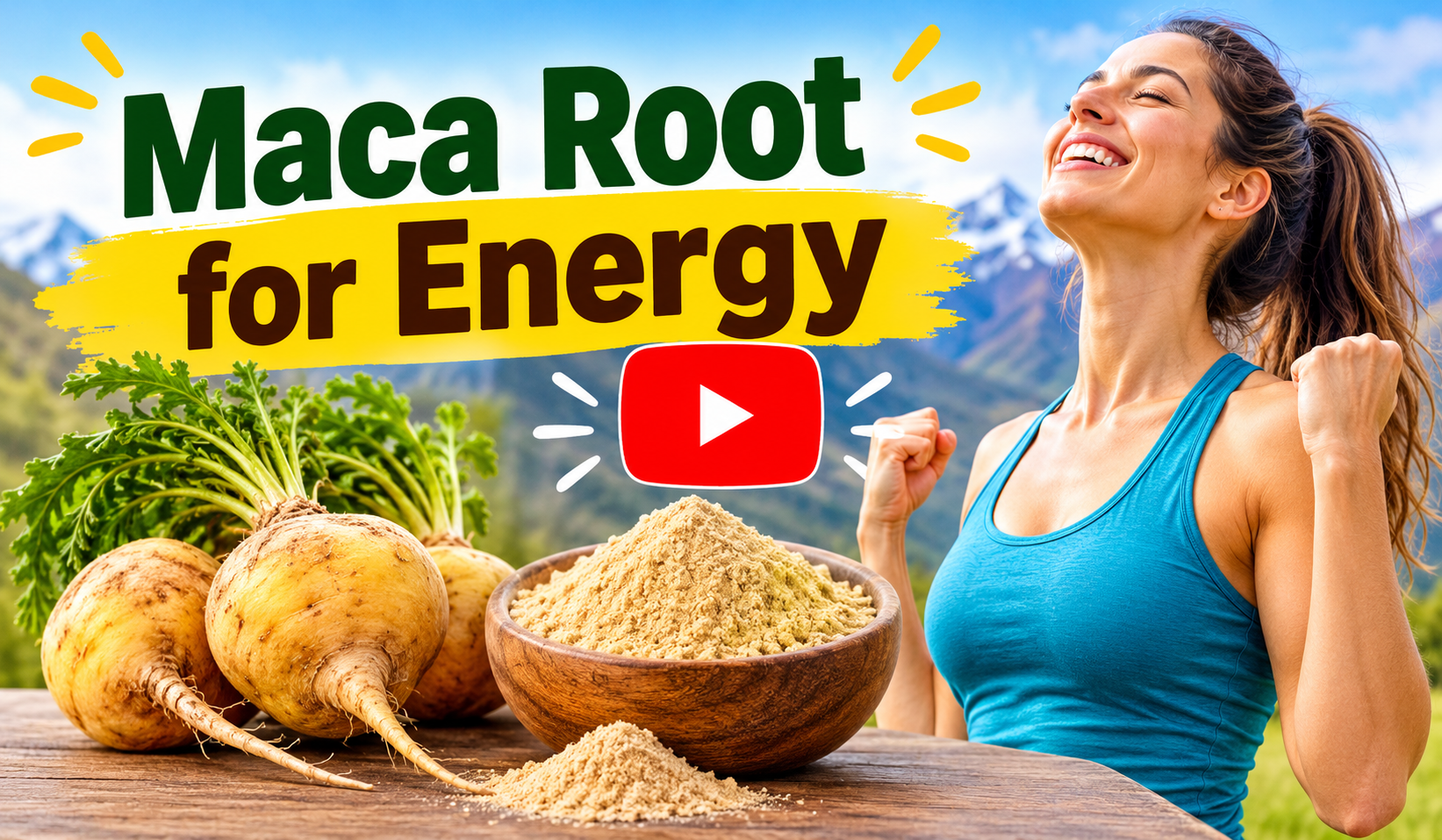
Feeling tired, struggling with low stamina, or looking for a natural way to support your daily energy? Maca root has gained popularity as a traditional Peruvian plant used to support vitality, physical endurance, and overall well-being. Often called Peruvian ginseng, this nutrient-rich root has been used for generations and is now attracting attention among people interested in natural energy support.
Unlike caffeine-based energy products that provide a temporary boost, maca root is commonly used as part of a daily wellness routine. It contains several naturally occurring plant compounds, vitamins, minerals, and other nutrients that may contribute to its potential health benefits.
But can maca root actually help with energy? Does it improve stamina, reduce fatigue, or support physical performance? And how should you use it to get the most out of this traditional root?
In this guide, we’ll explore maca root for energy, its potential benefits, how it works, recommended ways to use it, possible side effects, and what scientific research says about its effectiveness.
What Is Maca Root?
Maca root (Lepidium meyenii) is an edible plant native to the high-altitude Andes Mountains of Peru. It belongs to the same botanical family as broccoli, cabbage, and radishes. The plant grows in challenging mountain conditions and produces a small underground root that has traditionally been used as both food and a natural wellness ingredient.
Maca has a slightly earthy, nutty flavor and is commonly available as powder, capsules, tablets, and liquid extracts. Traditionally, people have consumed maca to support stamina, fertility, vitality, and general health.
The root contains carbohydrates, fiber, plant proteins, minerals, and naturally occurring compounds called macamides and macaenes. Its nutritional composition makes it an interesting addition to a balanced diet.
Today, maca is especially popular among people looking for natural ways to support energy levels, exercise performance, mood, and everyday physical wellness.
Can Maca Root Help Increase Energy?
Maca root may help support energy and physical stamina, although it is not a stimulant like caffeine. People commonly use it to support daily vitality without relying on the immediate stimulation associated with coffee or energy drinks.
Some small human studies have explored maca’s effects on physical performance, mood, and perceived energy. The findings are interesting, but research specifically examining fatigue and energy levels remains relatively limited.
One reason maca attracts attention is its nutritional composition and its naturally occurring plant compounds. These may contribute to its potential wellness effects, although researchers have not established exactly how maca influences human energy metabolism.
It is also important to understand that maca does not directly replace sleep, adequate nutrition, hydration, or physical activity. Instead, it may be considered an optional addition to a healthy lifestyle.
For people experiencing persistent tiredness, identifying the underlying cause is more important than relying on a herbal product.
7 Potential Benefits of Maca Root for Energy
Maca root is associated with several potential wellness benefits. Although individual experiences can vary, the following are some of the reasons people include it in their daily routines.
1. May Support Natural Energy Levels
One of the main reasons people try maca root is to support everyday energy. Unlike caffeine, maca is not known to act as a direct central nervous system stimulant.
Its nutritional profile includes carbohydrates and other naturally occurring nutrients that contribute to its value as a traditional food. Some preliminary research has also investigated perceived energy and well-being.
People who include maca in their routine often use it as part of a broader approach involving balanced meals, regular movement, and sufficient sleep.
2. May Help Support Physical Stamina
Physical stamina refers to your ability to maintain activity without becoming exhausted too quickly. Maca has traditionally been consumed to support endurance and physical vitality.
Some preliminary studies have examined maca supplementation in relation to exercise performance. These findings have generated interest in its potential role in supporting physical activity.
Still, maca should not be viewed as a replacement for exercise training, adequate protein intake, or proper recovery.
3. May Support Exercise Performance
People who exercise regularly often look for ways to maintain their performance and recovery. Maca is sometimes included in fitness routines because of its traditional association with physical endurance.
A small human study involving trained male cyclists found improvements in a cycling performance measure following maca supplementation. The study was small, so its findings cannot establish that maca improves athletic performance for everyone.
For best results, focus on consistent training, hydration, balanced nutrition, and sufficient rest.
4. May Promote Mood and Emotional Well-Being
Energy is not only physical. Your mood, motivation, and emotional well-being can also influence how energetic you feel throughout the day.
Some research has investigated maca’s potential effects on mood-related symptoms and general well-being, particularly in women experiencing menopause.
These findings are preliminary, but they suggest that maca may have benefits worth exploring beyond physical stamina.
Maintaining healthy sleep habits, managing everyday stress, and staying physically active remain important parts of supporting emotional wellness.
5. May Support Healthy Sexual Wellness
Maca has a long history of traditional use for reproductive health and sexual vitality. Modern research has explored its possible relationship with sexual desire and function.
Some small studies suggest that maca may help support sexual desire in certain populations. Its potential effects appear to be separate from any established increase in sex hormone levels.
More research is needed to understand the appropriate uses, effective doses, and long-term effects.
6. Provides Naturally Occurring Nutrients
Maca root contains several nutrients and plant compounds that contribute to its nutritional value.
Depending on the preparation, maca can provide carbohydrates, fiber, protein, and minerals such as potassium, calcium, and iron.
It also contains glucosinolates, macamides, and macaenes, which are naturally occurring compounds being investigated for their biological properties.
The exact nutritional content varies depending on growing conditions, processing methods, and product formulation.
7. May Complement an Active Lifestyle
Maca can be incorporated into a wellness routine that focuses on maintaining physical activity and healthy daily habits.
People interested in fitness, general vitality, and nutritional variety may find maca powder convenient because it can be mixed into smoothies, oatmeal, yogurt, or other foods.
It should be considered a complementary food or optional supplement rather than a shortcut to better energy.
How Does Maca Root Work in the Body?
Maca root contains several naturally occurring compounds that researchers are investigating for their potential biological activities. These include macamides, macaenes, glucosinolates, and other plant metabolites.
Although the exact mechanisms are not fully understood, several possible pathways have attracted scientific interest.
1. Nutritional support: Maca provides carbohydrates, fiber, plant protein, and minerals. These nutrients contribute to its nutritional value when consumed as part of a balanced diet.
2. Plant compound activity: Macamides and macaenes are distinctive compounds found in maca. Researchers are investigating their potential antioxidant and other biological properties.
3. Physical performance: Animal research has explored maca’s relationship with exercise endurance and fatigue-related markers. Human studies are still developing, and the results have not been consistent.
4. General well-being: Researchers have also examined maca in relation to mood, sexual wellness, and menopausal symptoms. These areas may help explain why the root has traditionally been associated with vitality.
Maca is not established as a direct energy-producing treatment, and researchers have not confirmed one specific mechanism responsible for its perceived energy benefits.
Different Types of Maca Root for Energy
Maca is available in different root colors, with yellow, red, and black maca being the most commonly discussed varieties. Each contains a slightly different composition of naturally occurring plant compounds.
Yellow Maca
Yellow maca is the most widely available variety. It is commonly used in traditional foods and modern maca powders. People interested in general wellness and everyday vitality often choose this variety.
Red Maca
Red maca has a reddish outer layer and is frequently studied for its potential antioxidant and general wellness properties. It is also popular in products marketed toward women’s health.
Black Maca
Black maca is less common and is often associated with physical stamina, male reproductive health, and cognitive wellness. Some early research has explored these potential benefits, although more human studies are needed.
Which type is best for energy?
There is no established scientific winner. Yellow maca is a reasonable starting point for general dietary use because of its widespread availability. The quality, processing, and actual maca content of a product are more important than choosing a particular color based on marketing claims.
How Much Maca Root Should You Take Daily?
There is no universally established dosage of maca root specifically for increasing energy. The appropriate amount depends on the product’s concentration, preparation, and individual circumstances.
Human studies have commonly used amounts ranging from approximately 1.5 to 3.5 grams daily, although some research has used different preparations and doses.
For general reference:
-
Maca powder: Around 1.5–3.5 grams daily has been used in research.
-
Maca capsules: Follow the product label and check the amount of maca per serving.
-
Maca extract: Follow the manufacturer’s instructions because concentrations can vary.
-
Gelatinized maca: Follow the product-specific serving instructions.
MedlinePlus notes that doses up to 3 grams daily have been used for up to four months. This does not establish an effective energy dose or guarantee safety for every individual.
Helpful tip: Start with a small serving if you are new to maca and assess your tolerance. Avoid taking multiple maca products together without checking their combined amounts.
Best Ways to Add Maca Root to Your Daily Routine
Maca powder has a mild earthy flavor that works well with several everyday foods. Here are some simple ways to incorporate it into your routine.
1. Add It to a Morning Smoothie
Mix maca powder with banana, milk, oats, and a little peanut butter. This creates a convenient breakfast containing carbohydrates, protein, and healthy fats.
2. Mix It Into Oatmeal
Add a small serving of maca powder to warm oatmeal. Combine it with berries, nuts, chia seeds, or cinnamon for additional flavor and nutritional variety.
3. Blend It Into Yogurt
Stir maca powder into plain Greek yogurt and add fresh fruit. This is an easy option for breakfast or an afternoon snack.
4. Prepare a Maca Energy Drink
Combine maca powder with milk or a plant-based alternative, cinnamon, and a small amount of honey. Blend until smooth and enjoy it as part of your morning routine.
5. Add It to Homemade Energy Bites
Mix maca powder with rolled oats, nut butter, dates, and chia seeds. Shape the mixture into small balls and refrigerate until firm.
These recipes make maca easier to consume, but they should not be considered treatments for fatigue or substitutes for balanced meals.
Maca Root Energy Smoothie Recipe
If you want a simple way to try maca powder, this smoothie combines it with everyday ingredients that provide energy-supporting nutrients.
Ingredients:
-
1 ripe banana
-
1 teaspoon maca powder
-
1 cup unsweetened almond milk
-
2 tablespoons rolled oats
-
1 tablespoon peanut butter
-
½ teaspoon cinnamon
-
A few ice cubes
Preparation:
-
Add the banana, almond milk, oats, and peanut butter to a blender.
-
Add the maca powder and cinnamon.
-
Blend everything until smooth and creamy.
-
Add ice cubes and blend again if you prefer a colder consistency.
-
Pour into a glass and enjoy.
This smoothie provides carbohydrates from banana and oats, along with protein and fats from peanut butter. Maca adds a distinctive earthy flavor and plant-based compounds.
When Is the Best Time to Take Maca Root for Energy?
Many people prefer taking maca in the morning because it fits naturally into a breakfast or morning smoothie routine.
There is no established clinical evidence showing that morning consumption produces better energy benefits than taking maca at another time.
Here are a few practical options:
-
Morning: Mix maca powder into breakfast or a smoothie.
-
Before exercise: Include it in a meal or snack before your usual workout.
-
Afternoon: Add it to yogurt or another snack if it suits your routine.
Consistency and tolerability matter more than a specific time of day. Follow the product instructions and avoid using maca as a replacement for adequate food, water, or sleep.
What Does Scientific Research Say About Maca Root and Energy?
Scientific interest in maca has increased because of its traditional use and its distinctive plant compounds. Research has explored its potential effects on exercise performance, physical endurance, mood, and general health.
A 2024 systematic review and meta-analysis published in Nutrients examined studies investigating maca and physical performance. The researchers identified potential performance-related effects across the included research, but the analysis included both animal and human studies. The findings should not be interpreted as proof of an energy benefit in humans.
Other human research has produced mixed results. For example, a study involving amateur runners found that acute maca supplementation did not significantly improve physical performance compared with a placebo. A separate small trial involving trained male basketball players also did not find significant performance or fatigue benefits after two weeks of supplementation.
This means maca remains an interesting traditional ingredient, but stronger and larger human studies are necessary to determine whether it can reliably improve energy, endurance, or exercise performance.
For a broader understanding of maca’s potential uses, the Memorial Sloan Kettering Cancer Center provides a clinical overview of its traditional applications and current research.
Possible Side Effects of Maca Root
Maca is generally well tolerated when consumed in normal food amounts. Larger supplemental doses may cause unwanted reactions in some individuals.
Potential side effects include:
-
Digestive discomfort: Some people may experience bloating, stomach upset, or other mild digestive symptoms.
-
Headaches: Headaches have been reported in some individuals using maca preparations.
-
Irritability: A small number of people may experience changes in mood or irritability.
-
Sleep disturbances: Some users may find that taking maca later in the day does not suit their sleep routine.
These reactions are not experienced by everyone, and individual tolerance can vary.
Who Should Be Careful With Maca?
Certain individuals should seek medical advice before using maca products.
Pregnant women: Avoid supplemental use unless approved by a healthcare professional.
Breastfeeding women: Safety information is insufficient, so seek medical advice before using maca supplements.
People with hormone-sensitive conditions: Discuss potential risks before using maca extracts.
People taking medications: Check for possible interactions with a healthcare professional.
People with existing medical conditions: Seek personalized advice before starting supplementation.
Maca extracts may have estrogen-like activity, making professional guidance particularly important for people with hormone-sensitive conditions, including certain breast and uterine conditions. Maca may also interfere with some testosterone laboratory tests.
Maca Root vs. Other Natural Energy-Boosting Ingredients
Maca is not the only natural ingredient people consider when looking for better daily energy. Several other ingredients have different nutritional properties and potential effects.
Maca Root: Traditionally associated with general vitality and physical stamina. Commonly available as powder and capsules.
Ashwagandha: Commonly used for stress management and relaxation. Available in powder and capsule forms.
Rhodiola Rosea: Traditionally used for fatigue and stress-related wellness. Commonly available as capsules and extracts.
Ginseng: Associated with traditional vitality and general wellness. Available as tea, capsules, and extracts.
Green Tea: Contains natural caffeine, which can support alertness. Available as tea and extracts.
These ingredients are not interchangeable, and their effects depend on the preparation, amount, and individual response.
Maca is particularly interesting for people who want a traditional plant-based food without relying on caffeine for an immediate stimulating effect.
7 Natural Ways to Support Energy Alongside Maca Root
Adding maca to your routine is only one possible approach to supporting everyday energy. Your daily habits have a much greater influence on how energetic you feel.
Here are seven practical strategies:
1. Get Enough Sleep: Aim for approximately seven to nine hours of sleep each night. Maintaining a consistent sleep schedule can help support physical and mental recovery.
2. Eat Balanced Meals: Include whole grains, vegetables, fruits, protein, and healthy fats. Regular balanced meals help provide the nutrients your body needs.
3. Stay Hydrated: Drink sufficient water throughout the day. Dehydration can contribute to tiredness, headaches, and reduced concentration.
4. Exercise Regularly: Walking, cycling, swimming, and strength training can help improve physical fitness and overall well-being.
5. Manage Daily Stress: Relaxation exercises, meditation, and spending time outdoors may help reduce everyday stress.
6. Include Iron-Rich Foods: Lentils, beans, leafy greens, and lean meats provide iron, which is essential for healthy oxygen transport. Iron deficiency can contribute to fatigue.
7. Limit Excessive Caffeine: Too much caffeine, particularly later in the day, can interfere with sleep and affect your energy the following morning.
If tiredness continues despite healthy lifestyle changes, consider consulting a healthcare professional. Conditions such as anemia, thyroid disorders, sleep apnea, and diabetes can contribute to persistent fatigue.
Is Maca Root Worth Trying for Energy?
Maca root may be worth considering if you are interested in traditional plant-based foods and want to add nutritional variety to your daily routine.
Its long history of use, distinctive plant compounds, and preliminary research into physical performance make it an interesting ingredient. Some people also appreciate its versatility because maca powder can easily be incorporated into smoothies, oatmeal, yogurt, and homemade snacks.
Still, it is important to maintain realistic expectations. Maca is not a proven treatment for chronic fatigue, and scientific studies have not consistently demonstrated improvements in exercise performance or energy levels.
If you decide to try it, choose a reputable product with clearly listed ingredients, follow the recommended serving instructions, and consult a healthcare professional if you have an existing medical condition or take medication.
Ultimately, maca may complement a healthy lifestyle, but good nutrition, regular exercise, quality sleep, and proper hydration remain the foundation of sustainable energy.
Final Thoughts
Maca root has an interesting history as a traditional Peruvian food associated with vitality, endurance, and general wellness. Its nutritional composition and naturally occurring plant compounds have attracted growing scientific interest, particularly regarding physical performance and energy-related outcomes.
Although early findings are promising in some areas, human research remains mixed. Maca should not be viewed as a guaranteed solution for low energy or a substitute for healthy daily habits.
If you want to explore maca, consider starting with a reputable food-grade powder or clearly labeled product and incorporating it into a balanced diet. Pay attention to how your body responds and seek professional guidance when necessary.
The best approach to lasting energy is to combine nutritious foods, regular movement, sufficient sleep, hydration, and healthy lifestyle choices. Maca may be an optional addition to that routine rather than the foundation of it.
