High-Fiber Foods Chart for Constipation (✨NATURAL DIGESTIVE SUPPORT!) Explore fiber-rich foods that naturally support regularity, comfort, and healthy digestion.
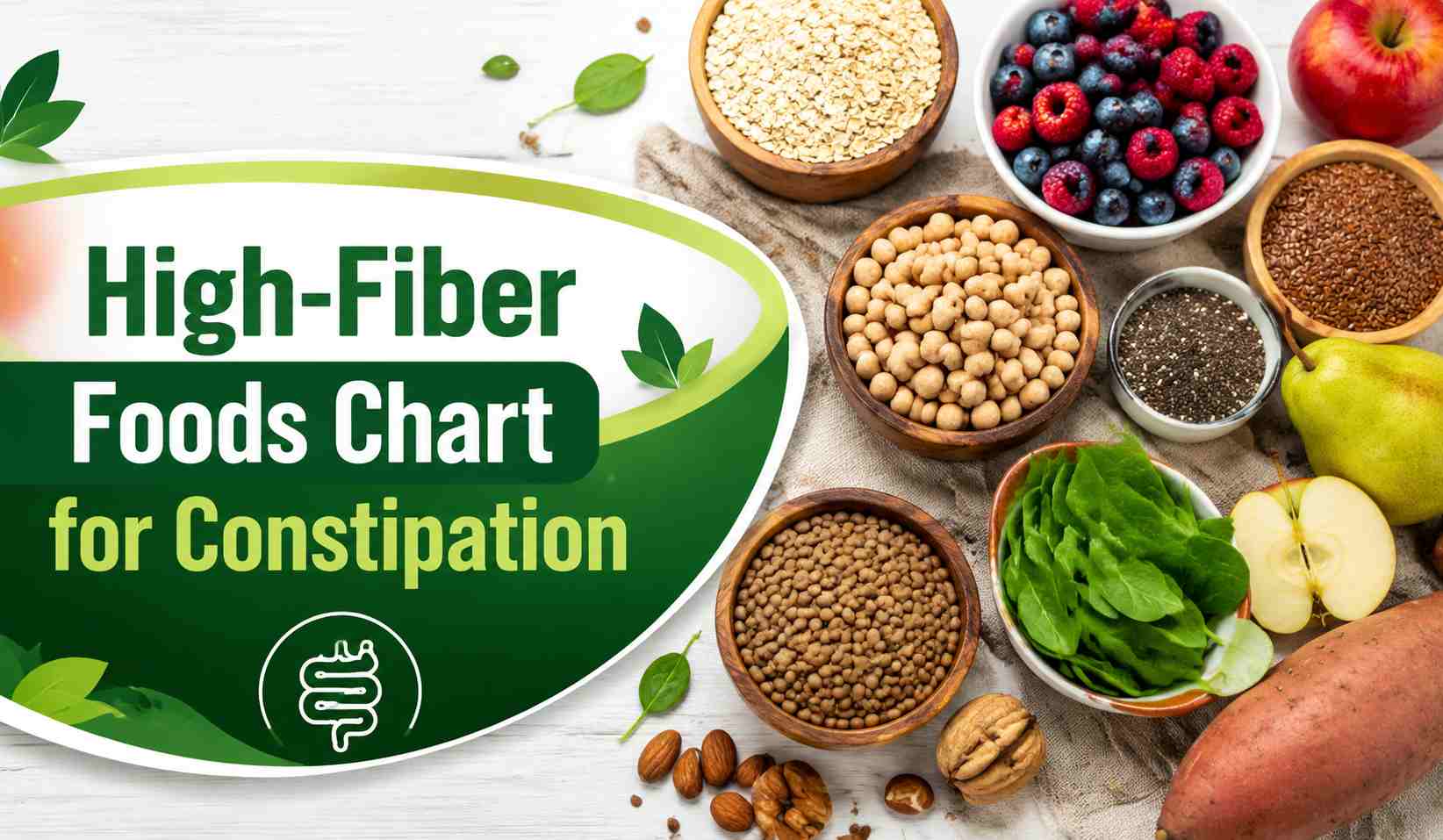

Maintaining healthy digestion starts with choosing the right foods that provide essential nutrients and support normal bowel movements.
A high-fiber foods chart for constipation can be a helpful guide for individuals looking to include more fiber-rich options in their daily meals.
Dietary fiber plays an important role in digestive wellness by helping maintain stool consistency, supporting gut movement, and promoting overall digestive balance.
Many everyday foods naturally contain fiber, including fruits, vegetables, whole grains, legumes, nuts, and seeds.
Adding a variety of these foods to a balanced eating routine can help create a more supportive environment for regular digestion.
A structured fiber chart makes it easier to identify foods with higher fiber content and plan meals that encourage digestive comfort.
This guide provides a detailed high-fiber foods chart for constipation, highlighting different food categories, their fiber benefits, and practical ways to include them in daily meals.
By understanding which foods naturally support digestive health, individuals can make informed choices that fit their lifestyle and nutritional goals.
Understanding the Role of Fiber in Digestive Health
Fiber is a type of carbohydrate found naturally in plant-based foods to support overall health & wellness. Unlike other carbohydrates, fiber is not fully broken down during digestion. Instead, it passes through the digestive system and supports healthy digestive function.
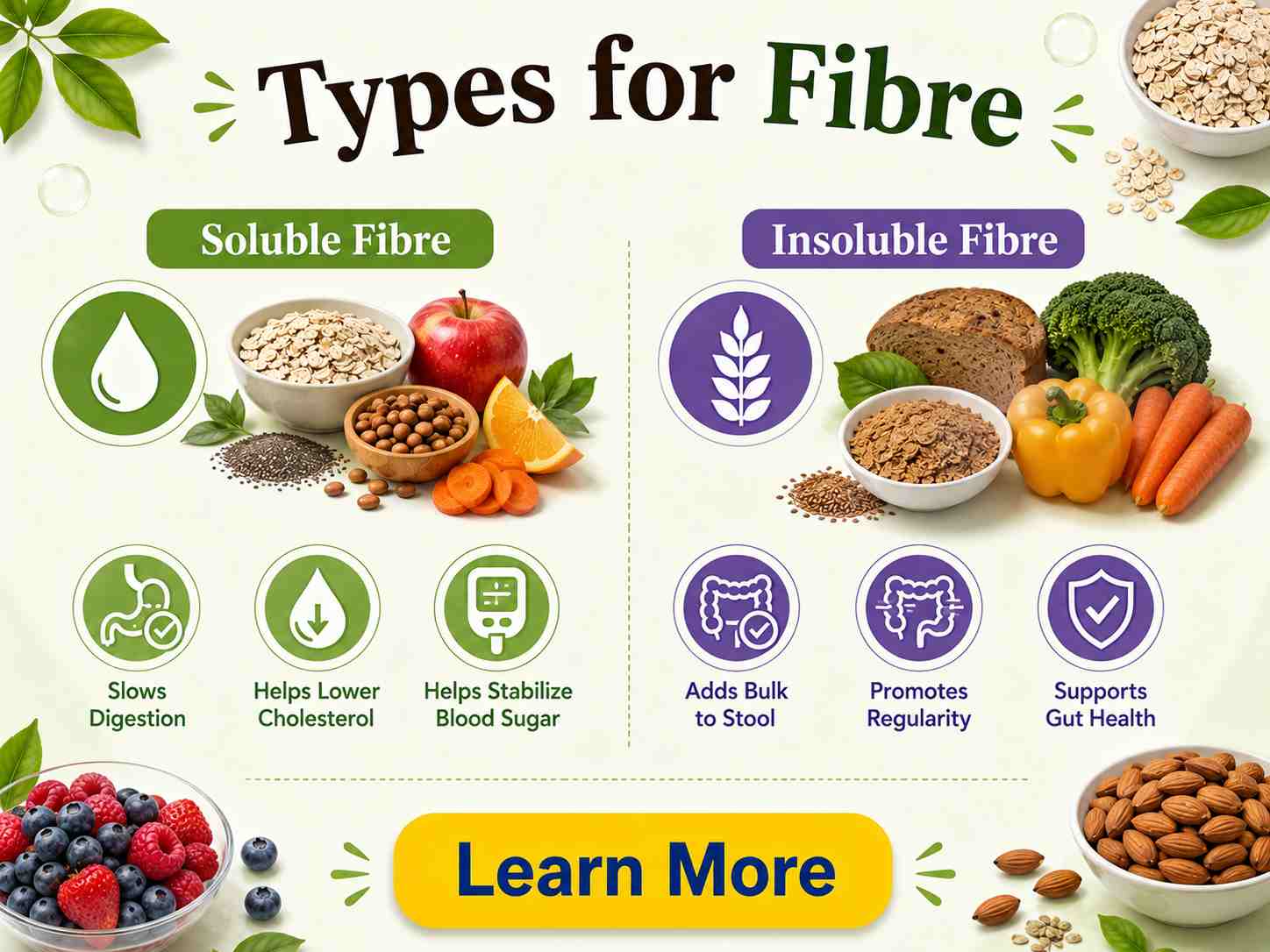
There are two main types of dietary fiber:
Soluble Fiber
Soluble fiber absorbs water and forms a soft, gel-like texture during digestion. This type of fiber can help support smoother digestion by contributing to softer stool consistency and maintaining digestive comfort.
Foods containing soluble fiber include:
- Oats
- Apples
- Pears
- Beans
- Chia seeds
- Flaxseeds
Insoluble Fiber
Insoluble fiber adds bulk to stool and supports the natural movement of food through the digestive tract. It is commonly found in many vegetables, whole grains, and plant-based foods.
Foods containing insoluble fiber include:
- Whole wheat products
- Leafy greens
- Carrots
- Broccoli
- Brown rice
- Nuts
A balanced intake of both types of fiber can support a healthy digestive routine.
“High-Fiber Foods Chart for Constipation”
The following chart highlights fiber-rich foods that can be included as part of a balanced diet to support digestive wellness.

Chia Seeds
Rich in fiber and supports healthy digestive balance.
Flaxseeds
Provides natural fiber to support digestive comfort.
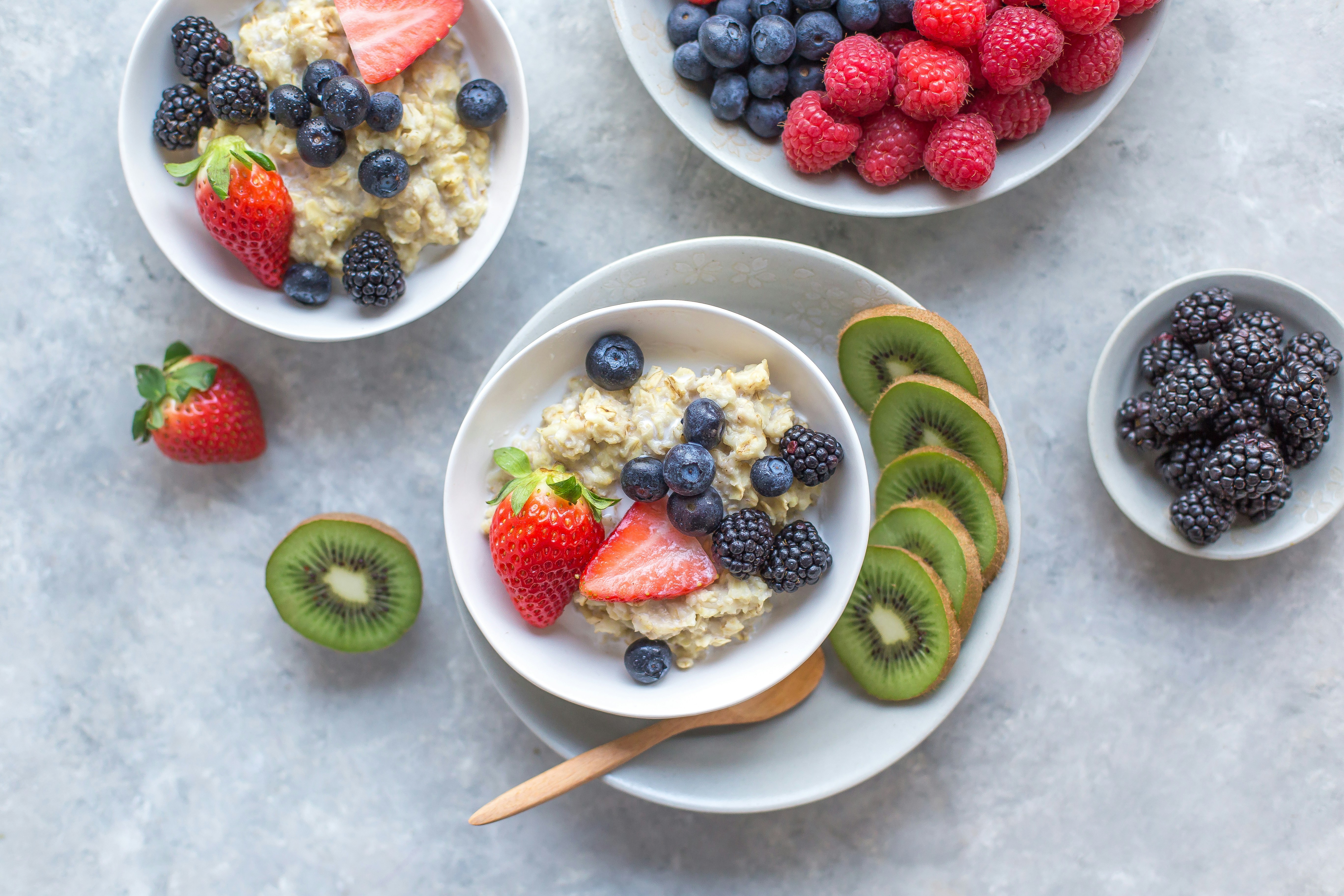
Oats
A whole grain source of soluble fiber.
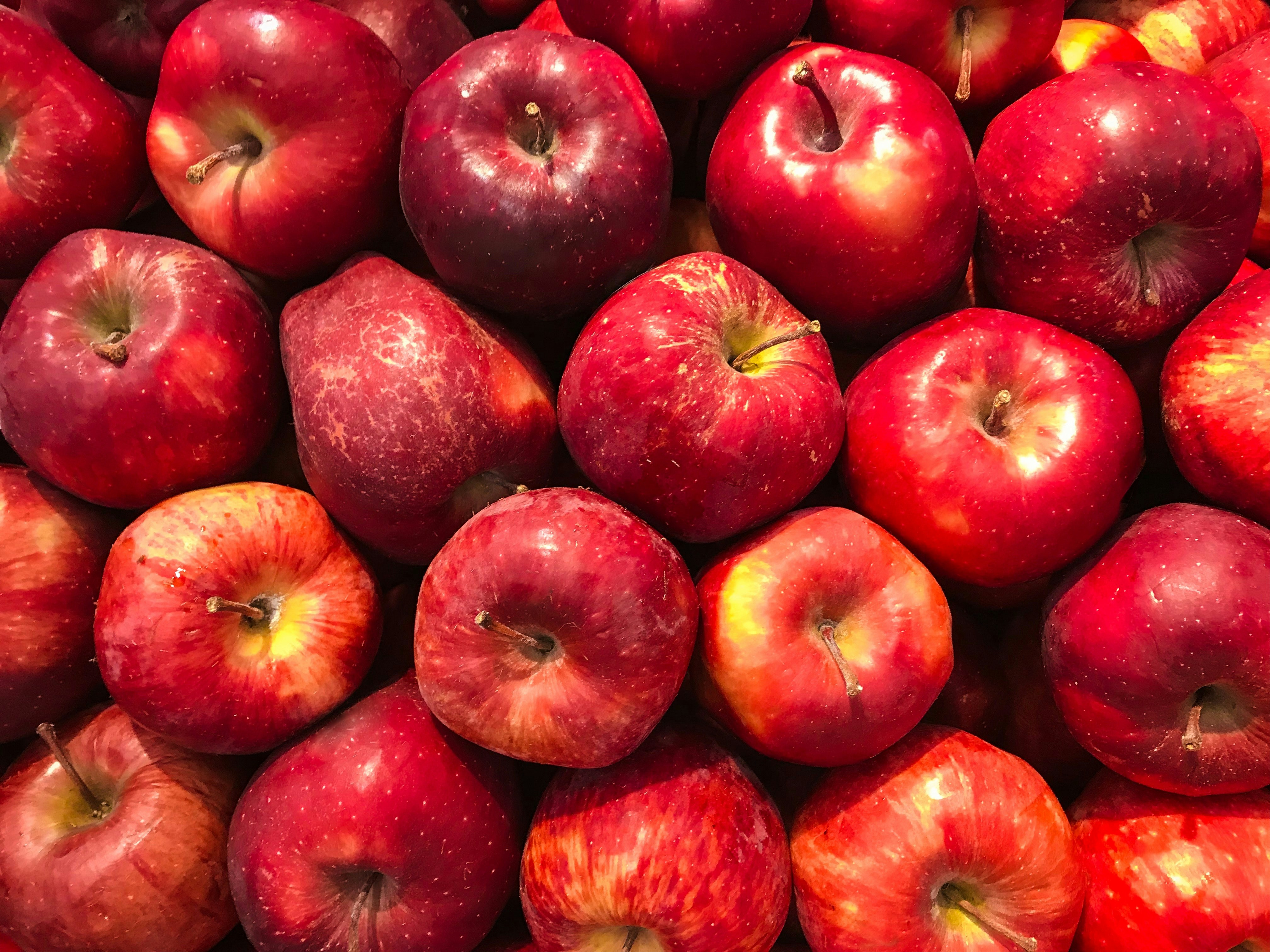
Apples
Contains natural fiber for daily digestive support.
Pears
A fiber-rich fruit that complements healthy meals.
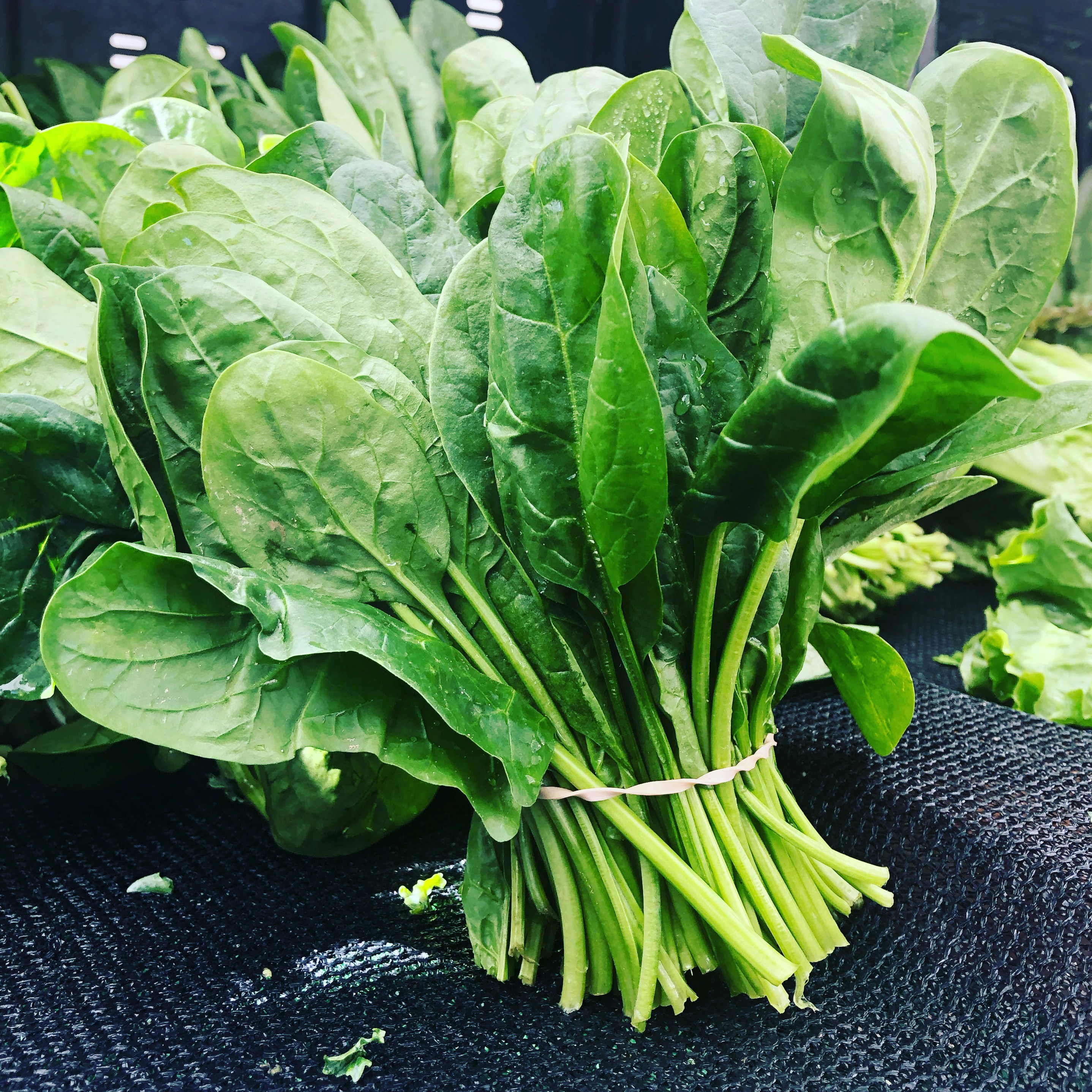
Spinach
Adds fiber and nutrients to balanced meals.
Lentils
Plant-based fiber source for digestive wellness.
Chickpeas
Supports fiber intake with versatile meal options.
Sweet Potatoes
Fiber-rich food that supports digestion and gut health.
High-Fiber Food Recipes for Constipation
1. Chia Seeds
Chia seeds are one of the most concentrated natural sources of dietary fiber. Their ability to absorb liquid makes them a popular addition to smoothies, yogurt, oatmeal, and other meals.
Adding chia seeds to a balanced diet can help support digestive comfort by contributing fiber that promotes healthy stool consistency. They are also easy to incorporate into various recipes, making them a convenient way to increase daily fiber intake.
Simple ways to enjoy chia seeds include:
- Mixing them into overnight oats
- Adding them to smoothies
- Sprinkling them over yogurt
- Including them in homemade energy snacks
2. Flaxseeds
Flaxseeds provide a combination of soluble and insoluble fiber, making them a valuable addition to a digestive-supporting meal plan. They can be enjoyed ground or added to various foods for an easy nutritional boost.
Regular inclusion of flaxseeds in meals can support overall digestive balance while providing essential nutrients that complement a healthy lifestyle.
Popular ways to use flaxseeds:
- Adding ground flaxseed to oatmeal
- Mixing into smoothies
- Sprinkling over salads
- Combining with baked foods
3. Oats
Oats are a versatile whole grain known for their naturally occurring fiber content. They are commonly used as a breakfast option because they are easy to prepare and combine well with fruits, nuts, and seeds.
A bowl of oatmeal topped with fiber-rich ingredients can create a nutrient-dense meal that supports digestive wellness.
Healthy oatmeal combinations include:
- Oats with berries
- Oats with chia seeds
- Oats with apples and cinnamon
- Oats with nuts
4. Apples
Apples are a convenient fruit choice that provides natural fiber along with important nutrients. Eating apples with the skin can provide additional fiber content.
They are easy to carry, require minimal preparation, and can be included in snacks or meals throughout the day.
Ways to add apples:
- Fresh apple slices as snacks
- Apple pieces in oatmeal
- Apple and nut combinations
- Fruit salads
5. Pears
Pears are naturally rich in fiber and have a refreshing taste, making them a popular fruit choice. They can be enjoyed alone or paired with other nutritious foods.
Regularly including pears can support a fiber-focused eating pattern designed for digestive comfort.
Ways to enjoy pears:
- Fresh pear slices
- Pear smoothies
- Fruit bowls
- Healthy desserts
6. Berries
Berries such as raspberries, blackberries, and strawberries provide fiber along with natural plant compounds. They are easy to combine with many meals and snacks.
Adding berries to a daily routine can increase the variety of fiber while making meals more enjoyable.
Fiber-rich berry options include:
- Raspberries
- Blackberries
- Blueberries
- Strawberries
7. Lentils
Lentils are nutrient-rich legumes that provide plant-based fiber and can be used in many different recipes. They are a popular choice for individuals seeking satisfying, fiber-containing meals.
Lentils can be included in:
- Soups
- Salads
- Vegetable dishes
- Grain bowls
8. Chickpeas
Chickpeas are another excellent source of dietary fiber. Their mild flavor makes them suitable for many recipes, from salads to spreads.
Including chickpeas in meals can help create a more balanced fiber intake throughout the week.
Common uses include:
- Chickpea salads
- Homemade hummus
- Roasted chickpea snacks
- Grain bowls
9. Leafy Green Vegetables
Leafy greens provide fiber while adding valuable nutrients to everyday meals. Vegetables such as spinach, kale, and other greens can easily increase the fiber content of a plate.
Ways to include leafy greens:
- Adding spinach to smoothies
- Creating fresh salads
- Mixing greens into cooked meals
- Adding vegetables to sandwiches
10. Sweet Potatoes
Sweet potatoes are a naturally fiber-containing vegetable that can be enjoyed in many forms. Their naturally satisfying texture makes them a popular addition to balanced meals.
They can be prepared as:
- Baked sweet potatoes
- Mashed sweet potatoes
- Roasted vegetable dishes
- Healthy meal sides
High-Fiber Foods Chart by Food Category
Fruits High in Fiber
| Fruit | Fiber Benefits |
| Pears | Supports a fiber-rich eating pattern |
| Apples | Provides natural fiber for digestive wellness |
| Raspberries | High-fiber fruit option for daily meals |
| Prunes | Commonly included in digestive support routines |
| Oranges | Adds fiber and freshness to meals |
Vegetables High in Fiber
| Vegetable | Fiber Benefits |
| Broccoli | Supports healthy digestion with natural fiber |
| Carrots | Easy-to-eat source of dietary fiber |
| Spinach | Helps increase vegetable fiber intake |
| Sweet Potatoes | Provides satisfying fiber-rich nutrition |
| Brussels Sprouts | Adds variety to high-fiber meals |
Whole Grains High in Fiber
| Whole Grain | Fiber Benefits |
| Oats | Provides soluble fiber support |
| Brown Rice | Adds fiber to everyday meals |
| Barley | Supports balanced digestive nutrition |
| Whole Wheat Bread | Helps increase daily fiber intake |
| Quinoa | Provides fiber with plant-based nutrients |
Legumes High in Fiber
| Legume | Fiber Benefits |
| Lentils | Supports regular fiber consumption |
| Chickpeas | Adds fiber and meal variety |
| Black Beans | Provides plant-based fiber support |
| Kidney Beans | Supports balanced nutrition |
| Split Peas | Adds fiber to soups and meals |
How to Build a High-Fiber Meal Plan
Creating fiber-rich meals does not need to be complicated. A balanced approach involves combining different food groups throughout the day.
Breakfast Ideas
Fiber-rich breakfast options include:
- Oatmeal topped with berries and seeds
- Whole-grain toast with fruit
- Smoothies containing fruits and chia seeds
- Yogurt combined with nuts and fiber-rich toppings
Starting the day with fiber-containing foods can help establish a healthy eating routine.
Lunch Ideas
Balanced lunch options can include:
- Lentil soups
- Vegetable salads with beans
- Whole-grain sandwiches
- Brown rice bowls with vegetables
Adding vegetables and legumes can naturally increase fiber intake.
Dinner Ideas
High-fiber dinner choices include:
- Roasted vegetables with whole grains
- Bean-based meals
- Vegetable stir-fries
- Sweet potatoes with balanced toppings
Combining multiple fiber sources helps create variety and nutritional balance.
Best Time to Eat High-Fiber Foods for Better Digestion
Eating fiber-rich foods throughout the day can help maintain a balanced digestive routine. Spreading fiber intake across meals allows the body to process nutrients comfortably.
Morning Fiber Foods:
- Oatmeal with chia seeds
- Whole-grain toast with fruits
- Smoothies with berries and flaxseeds
Lunch Fiber Options:
- Lentil soups
- Vegetable salads
- Brown rice with legumes
Dinner Fiber Choices:
- Roasted vegetables
- Sweet potatoes
- Whole grains with plant-based proteins
Helpful Tip: Pairing fiber-rich foods with enough fluids can support a comfortable digestive experience.
High-Fiber Snacks for Constipation Support
Choosing nutritious snacks can be an easy way to add more fiber between meals. Fiber-rich snacks provide variety while supporting a balanced eating pattern.
Healthy High-Fiber Snack Ideas:
- Apple slices with nuts
- Fresh pears
- Chia seed pudding
- Roasted chickpeas
- Mixed berries with yogurt
- Homemade oatmeal bars
Including these snacks regularly can make it easier to maintain daily fiber goals.
Common Mistakes When Increasing Fiber Intake
Increasing fiber too quickly may cause digestive discomfort for some individuals. A gradual approach can help the body adjust naturally.
Mistakes to Avoid:
- Adding too much fiber suddenly
- Not drinking enough fluids
- Relying on only one fiber source
- Avoiding fruits and vegetables
- Choosing processed foods instead of whole foods
Better Approach:
- Increase fiber slowly
- Include different food categories
- Create balanced meals
- Maintain consistent eating habits
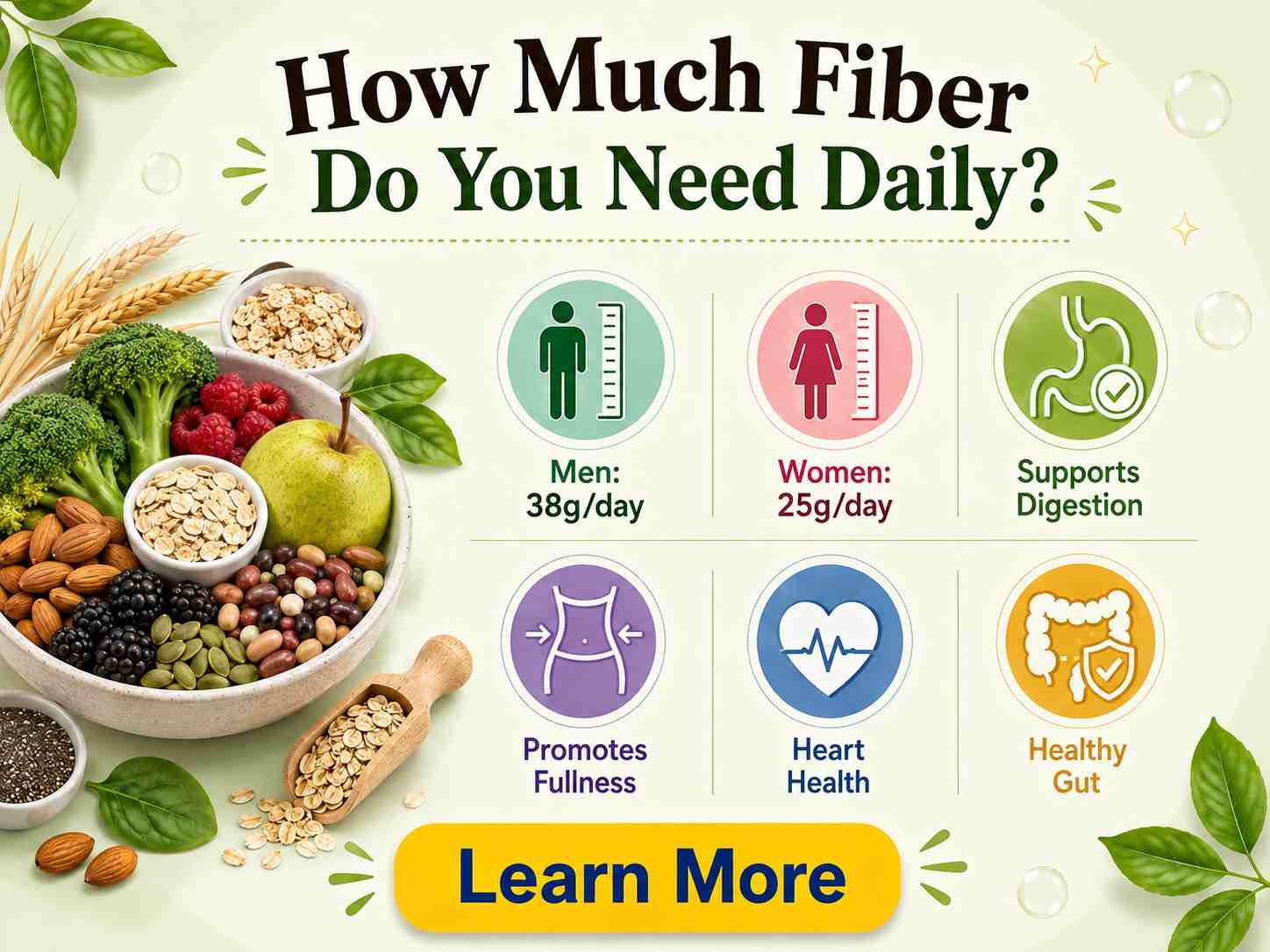
How Much Fiber Do You Need Daily?
Daily fiber needs can vary depending on age, lifestyle, and individual nutritional goals. Including a variety of fiber sources throughout the day can help create a balanced diet.
General Fiber Sources Include:
Fruits:
- Apples
- Pears
- Berries
- Oranges
Vegetables:
- Spinach
- Broccoli
- Sweet potatoes
- Carrots
Whole Grains:
- Oats
- Brown rice
- Quinoa
Legumes:
- Lentils
- Chickpeas
- Beans
A combination of different foods helps provide both soluble and insoluble fiber.
High-Fiber Foods for Different Dietary Preferences
Fiber-rich foods are available for many eating styles, making it easier to create personalized meal plans.
Vegetarian Fiber Choices:
- Lentils
- Chickpeas
- Vegetables
- Whole grains
Plant-Based Fiber Options:
- Chia seeds
- Flaxseeds
- Beans
- Fruits
Gluten-Free Fiber Foods:
- Sweet potatoes
- Quinoa
- Berries
- Nuts and seeds
Easy Everyday Choices:
- Oatmeal breakfasts
- Fruit snacks
- Vegetable-based meals
- Fiber-rich side dishes
A flexible approach allows individuals to enjoy high-fiber foods that match their lifestyle and preferences.
Tips for Increasing Fiber Intake Comfortably
When increasing fiber intake, gradual changes can help the digestive system adjust more comfortably. Adding different sources of fiber throughout the day allows for better variety and consistency.
Helpful habits include:
- Adding one new fiber-rich food at a time
- Including fruits and vegetables in daily meals
- Choosing whole grains instead of refined options
- Combining different types of fiber sources
- Maintaining a balanced eating routine
A diverse approach helps create sustainable digestive wellness habits.
Benefits of Following a High-Fiber Foods Chart
Using a structured chart of high-fiber foods can make healthy food choices easier and more organized.
Supports Digestive Regularity: Fiber-rich foods help maintain normal digestive function by supporting healthy stool consistency and movement through the digestive system.
Encourages Better Meal Planning: A fiber chart makes it easier to plan balanced meals that include fruits, vegetables, grains, legumes, and seeds.
Promotes Nutritional Variety: Including different fiber sources introduces a wider range of nutrients into daily meals.
Supports Long-Term Wellness: A consistent, fiber-rich diet can be part of a healthy lifestyle focused on digestive and overall well-being.
Foods to Limit When Focusing on Fiber Intake
While building a high-fiber eating pattern, it can be helpful to balance meals with nutrient-rich choices.
Foods that may provide less fiber include:
- Highly processed snacks
- Refined grains
- Low-fiber packaged foods
- Meals lacking fruits or vegetables
Replacing some low-fiber options with whole foods can help improve overall dietary balance.
Final Thoughts
A high-fiber foods chart for constipation provides a simple, practical way to identify foods that support digestive wellness.
From fruits and vegetables to whole grains, legumes, seeds, and nuts, many natural foods can contribute valuable fiber to daily meals.
Building a balanced eating routine with a variety of fiber-rich foods can support digestive comfort, encourage regularity, and promote healthier lifestyle habits.
The key is consistency, variety, and choosing foods that fit personal preferences and daily routines.
By using this high-fiber foods chart as a guide, individuals can make informed nutritional choices and create enjoyable meals that support long-term digestive health.
.
