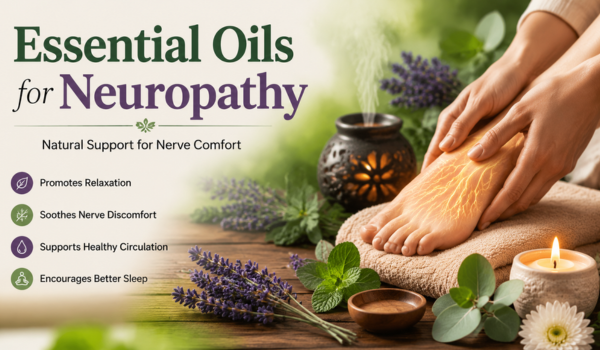
Essential Oils for Neuropathy (🌿NATURAL COMFORT SUPPORT!) Learn how essential oils may support relaxation and comfort

Natural Support, Benefits, and Safe Usage Tips
Neuropathy is a condition that affects the nerves and may cause symptoms such as tingling, burning sensations, numbness, sensitivity, or discomfort in different areas of the body.
Many people look for natural approaches to complement their daily wellness habits and help manage nerve-related discomfort.
Among the various natural options gaining attention, essential oils for neuropathy have become a popular topic in wellness communities.
These concentrated plant extracts are traditionally used in aromatherapy and topical applications because of their calming aromas and soothing properties.
While essential oils are not considered a replacement for medical care, some people use them as part of a broader self-care routine focused on relaxation, comfort, and overall well-being.
Understanding which oils are commonly used, how they may work, and how to use them safely can help individuals make informed decisions.
This guide explains the potential benefits of essential oils for neuropathy, commonly used options, application methods, safety considerations, and lifestyle habits that may support nerve wellness.
Understanding Neuropathy and Nerve Discomfort
Neuropathy occurs when nerves become damaged or irritated, affecting the way signals travel between the brain, spinal cord, and the rest of the body. Peripheral neuropathy is one of the most common forms and often affects the hands and feet.
Common symptoms may include:
- Tingling sensations
- Numbness
- Burning feelings
- Increased sensitivity
- Muscle weakness
- Changes in sensation
Several factors may contribute to nerve problems, including metabolic conditions, certain medications, nutritional concerns, injuries, and other health factors.
Because neuropathy symptoms can vary from person to person, individuals often explore different supportive approaches.
Healthy nutrition, regular movement, proper sleep, stress management, and professional guidance remain important parts of maintaining overall nerve health.
What are Essential Oils?
Essential oils are concentrated plant extracts that capture natural aromatic compounds from flowers, leaves, bark, roots, or fruits. They have been used for centuries in traditional wellness practices for relaxation, skin care, and aromatherapy.
Essential oils are commonly used through:
- Aromatherapy methods
- Diluted topical applications
- Massage routines
- Bath or relaxation practices
These oils contain naturally occurring compounds that may interact with the senses and the skin when used properly.
For people exploring essential oils for neuropathy, the main interest is usually in their potential to promote relaxation, create a soothing experience, and support overall comfort.
How Essential Oils May Support Neuropathy Comfort?
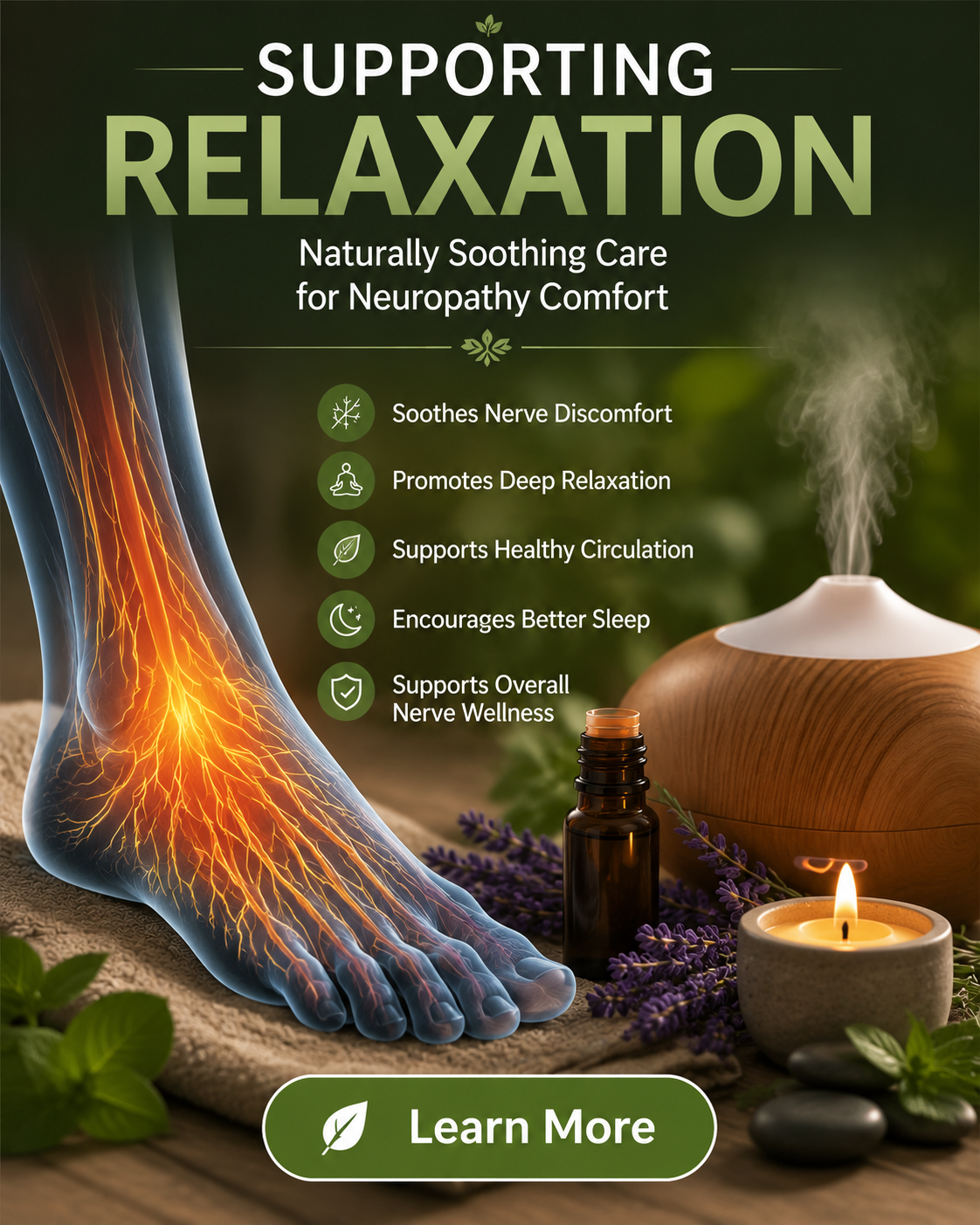
Essential oils are not a cure for neuropathy, but certain oils are commonly used in wellness routines because of their calming and soothing characteristics.
Supporting Relaxation
Chronic discomfort can sometimes affect mood, sleep quality, and daily relaxation. Aromatic oils used through diffusion or gentle massage may help create a calming environment.
Relaxation practices may support:
- Reduced everyday stress
- Improved bedtime routines
- A more comfortable wellness experience
Promoting a Soothing Sensation
- Some essential oils are traditionally used in massage blends because they provide a cooling, warming, or refreshing sensation when applied properly.
- A gentle massage routine may help individuals focus on comfort while promoting relaxation in areas experiencing discomfort.
Supporting Healthy Self-Care Habits
- Using essential oils may encourage people to create consistent self-care routines. These routines often include hydration, stretching, movement, and relaxation practices that contribute to overall wellness.
Popular Essential Oils for Neuropathy Support
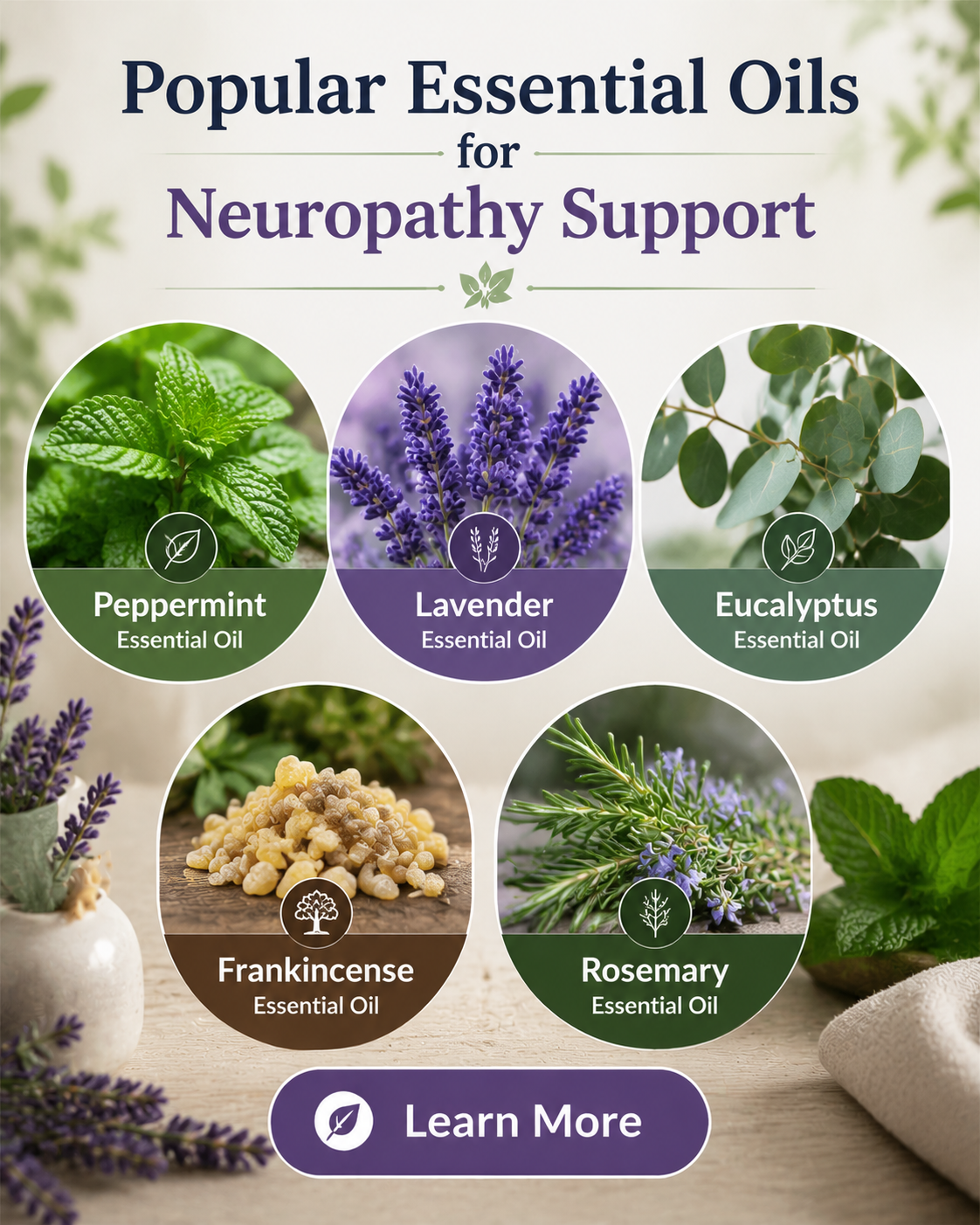
Different essential oils are used for different wellness purposes. Below are some commonly discussed options.
Peppermint Essential Oil
- Peppermint oil is one of the most popular essential oils for its cooling, refreshing properties.
- It contains naturally occurring compounds that create a cooling feeling when applied to the skin after proper dilution.
- Many people use peppermint oil in massage blends because it may provide a soothing sensory experience.
Common uses include:
- Relaxing massage routines
- Cooling comfort applications
- Aromatherapy practices
Lavender Essential Oil
- Lavender oil is widely recognized for its calming aroma and is commonly used in relaxation routines.
- People often include lavender oil in evening wellness practices because its scent may help create a peaceful environment.
Potential wellness uses include:
- Supporting relaxation
- Encouraging restful routines
- Creating a calming atmosphere
Eucalyptus Essential Oil
- Eucalyptus oil is known for its fresh, herbal aroma and is commonly used in aromatherapy.
- Some individuals use eucalyptus oil of their massage routines because of its refreshing sensation.
It is often included in wellness blends designed for:
- Refreshing experiences
- Relaxation support
- Aromatic comfort
Frankincense Essential Oil
- Frankincense oil has been used traditionally in wellness practices for centuries.
- It is commonly associated with relaxation and mindfulness routines. Some people include it in massage blends or aromatherapy practices focused on overall comfort.
Rosemary Essential Oil
- Rosemary oil has a strong herbal aroma and is often used in personal care and massage products.
- It is commonly selected by people interested in plant-based wellness approaches.
How to Use Essential Oils Safely for Neuropathy?
Essential oils are highly concentrated, meaning they should be used carefully.
Always Dilute Before Applying
Most essential oils should not be applied directly to the skin. They are usually mixed with carrier oils such as:
- Coconut oil
- Almond oil
- Jojoba oil
- Olive oil
Dilution helps reduce the chance of skin irritation.
Perform a Patch Test
- Before applying an essential oil blend to a larger area, test a small amount on a small area of skin.
- This can help identify possible sensitivity or irritation.
Use Gentle Massage Techniques
- If using essential oils topically, gentle application is generally preferred.
- Avoid aggressive rubbing, especially in areas with reduced sensation, because neuropathy may affect the ability to notice irritation or injury.
Follow Quality Guidelines
- Choose essential oils from reliable sources and avoid products with unnecessary additives or unclear ingredients.
Essential Oil Blends Commonly Used for Comfort
Many people combine essential oils to create personalized wellness blends.
Examples may include:
Relaxing Blend
- Lavender oil
- Frankincense oil
- Carrier oil
This type of blend is often used for calming massage routines.
Cooling Comfort Blend
- Peppermint oil
- Eucalyptus oil
- Carrier oil
This combination may provide a refreshing sensory experience.
Evening Wellness Blend
- Lavender oil
- Rosemary oil
- Carrier oil
This may be used as part of a nighttime relaxation routine.
Essential Oils vs Other Natural Wellness Approaches
Essential oils are only one option people explore for supporting nerve comfort.
| Approach | Main Focus |
|---|---|
| Essential Oils | Aromatherapy and soothing routines |
| Gentle Exercise | Mobility and circulation support |
| Balanced Nutrition | Overall wellness support |
| Massage Therapy | Relaxation and comfort |
| Proper Sleep | Recovery and body balance |
A combination of healthy lifestyle habits may provide broader support than relying on a single approach.
Lifestyle Habits That May Support Nerve Wellness
Essential oils may be included as part of a larger wellness routine. Other supportive habits include:
Maintain Balanced Nutrition
- A nutrient-rich diet provides important support for overall body function.
- Foods rich in vitamins, minerals, healthy fats, and antioxidants can support overall wellness.
Stay Physically Active
- Gentle activities such as walking, stretching, or low-impact exercises may support mobility and overall health.
Prioritize Sleep Quality
- Quality sleep allows the body to recover and maintain healthy functions.
- Creating a consistent bedtime routine may support better rest.
Manage Daily Stress
- Stress management techniques such as meditation, breathing exercises, and relaxation practices may improve overall quality of life.
Potential Benefits of Using Essential Oils for Neuropathy
When used safely, essential oils may offer several wellness-related benefits:
Promotes Relaxation
- Certain essential oils have calming aromas that may support relaxation and stress management.
Provides a Soothing Experience
- Massage with properly diluted oils may create a comforting sensation.
Supports Self-Care Routines
- Essential oils can encourage consistent personal wellness practices.
Creates a Calming Environment
- Aromatherapy may help create a peaceful atmosphere at home.
Complements Healthy Habits
- Essential oils can be included alongside nutrition, exercise, and lifestyle choices.

Safety Considerations Before Using Essential Oils
Although essential oils are natural products, they should be used responsibly.
Important safety tips include:
- Avoid applying undiluted oils directly to the skin.
- Keep oils away from eyes and sensitive areas.
- Stop use if irritation occurs.
- Consult a healthcare professional if you have concerns.
- Use extra caution if you have reduced sensation.
People with neuropathy may not always notice skin reactions immediately, making careful application especially important.
Common Mistakes When Using Essential Oils
Using Too Much Oil
- Essential oils are concentrated, and more does not always mean better.
- Small amounts are generally preferred.
Skipping Dilution
- Applying oils directly may increase the risk of skin discomfort.
Expecting Instant Results
- Essential oils are typically used as part of ongoing wellness routines rather than immediate solutions.
Ignoring Professional Guidance
- Natural approaches should complement, not replace, appropriate medical advice.
Frequently Asked Questions
Can essential oils cure neuropathy?
No. Essential oils are not a cure for neuropathy. They may be used as part of a wellness routine focused on relaxation and comfort.
Which essential oil is commonly used for nerve discomfort?
Peppermint, lavender, eucalyptus, and frankincense oils are commonly discussed for soothing and relaxation purposes.
Can essential oils be applied directly to feet?
Most essential oils should be diluted with a carrier oil before applying to the skin, especially on sensitive areas.
How often can essential oils be used?
Usage depends on the individual and the product instructions. Gentle, consistent use is generally preferred.
Are essential oils safe for everyone?
Not necessarily. Some people may experience skin sensitivity or reactions, so proper precautions are important.
Can essential oils replace neuropathy treatment?
No. Essential oils should be considered a complementary wellness option rather than a replacement for professional care.
Final Thoughts
Essential oils for neuropathy have become a popular topic in natural wellness because of their calming aromas and soothing properties.
Oils such as peppermint, lavender, eucalyptus, and frankincense are commonly used in relaxation and massage routines.
While essential oils do not treat or cure neuropathy, they may provide a comforting addition to a healthy lifestyle that includes proper nutrition, movement, stress management, and professional guidance when needed.
Using essential oils safely, choosing quality products, and maintaining realistic expectations can help individuals incorporate them into a balanced approach to overall wellness.
.
.
.
