Red Light Therapy for Neuropathy (✨Nerve Wellness Support!). Explore how light-based therapy may support comfort, circulation, and nerve health.
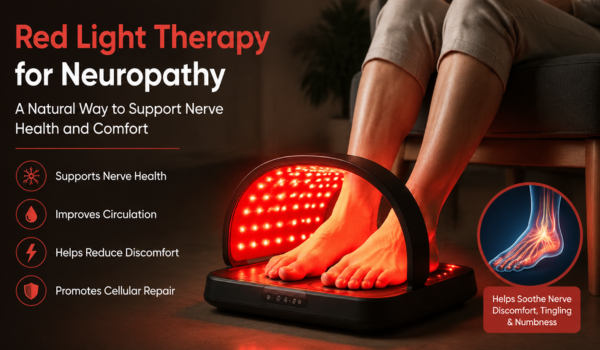

Neuropathy can affect daily life by causing uncomfortable sensations such as tingling, numbness, burning feelings, and sensitivity in different areas of the body.
While many approaches focus on managing symptoms, researchers continue exploring supportive therapies that may help maintain nerve health and improve comfort.
One approach gaining attention is red light therapy for neuropathy, a non-invasive wellness technique that uses specific wavelengths of light to support cellular activity.
Red light therapy, also known as photobiomodulation or low-level light therapy, has become increasingly popular in health and wellness discussions because of its potential connection with circulation, cellular energy production, and tissue support.
Many people are interested in whether this technology may offer benefits for individuals experiencing nerve-related discomfort.
This article explores what red light therapy is, how it may work, its potential benefits for neuropathy support, what research suggests, how it is commonly used, and important considerations before adding it to a wellness routine.
What is Red Light Therapy for Neuropathy?
Red light therapy for neuropathy is a light-based wellness approach that uses specific wavelengths of red and near-infrared light to interact with the body’s cells.
The therapy typically involves placing a light-emitting device near the area of concern, such as the feet, hands, or other regions where nerve discomfort may occur. The light penetrates the skin and may interact with cells involved in energy production and repair processes.
Neuropathy occurs when nerves become irritated, damaged, or less effective at transmitting signals. This may lead to sensations such as:
➤Tingling
➤Burning discomfort
➤Reduced sensitivity
➤Numbness
➤Electric-like sensations
➤Changes in temperature perception
Red light therapy does not replace medical care or treat the underlying cause of neuropathy. However, it is being researched as a supportive option that may help promote a healthier environment for nerve function.
Red light therapy focuses on supporting the body’s natural cellular processes.
How Does Red Light Therapy Work?
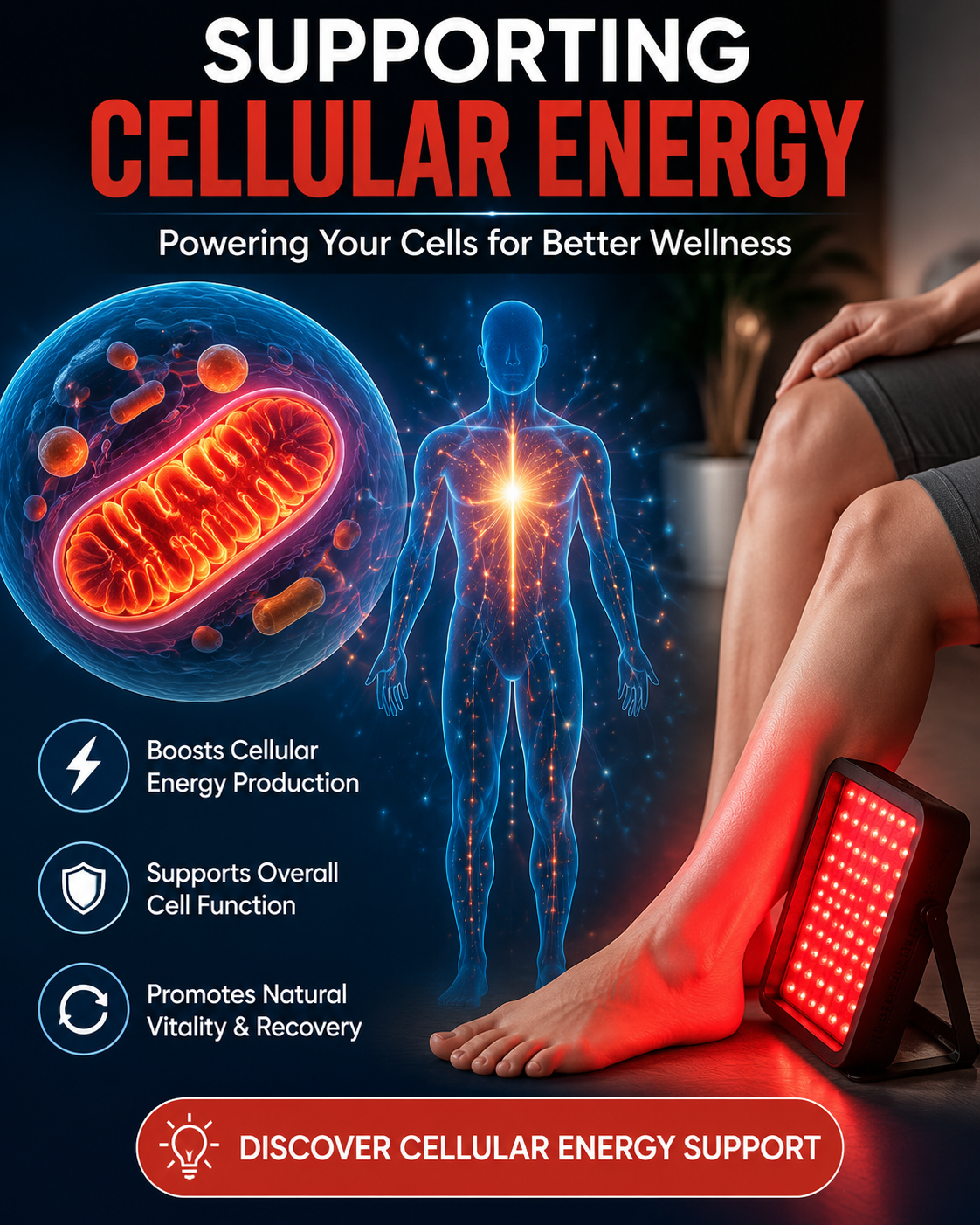
The potential effects of red light therapy are connected to a process called photobiomodulation. This involves using specific wavelengths of light to stimulate biological responses within cells.
When red or near-infrared light reaches the skin, it may be absorbed by structures inside cells called mitochondria. Mitochondria are often described as the energy-producing components of cells because they help create adenosine triphosphate (ATP), which provides energy for cellular activities.
By supporting cellular energy production, red light therapy may help cells perform important functions related to maintenance and recovery.
Some proposed mechanisms include:
👉Supporting Cellular Energy
- Healthy nerve cells require energy to communicate effectively. Increased cellular energy availability may support normal nerve activity and maintenance.
👉Encouraging Healthy Circulation
- Proper blood flow helps deliver oxygen and nutrients throughout the body. Red light therapy has been studied for its possible role in supporting circulation, which may be important for nerve wellness.
👉Supporting the Body’s Response to Stress
- Nerve irritation may involve increased oxidative stress and inflammatory activity. Some research suggests light therapy may influence pathways involved in the body’s natural balance.
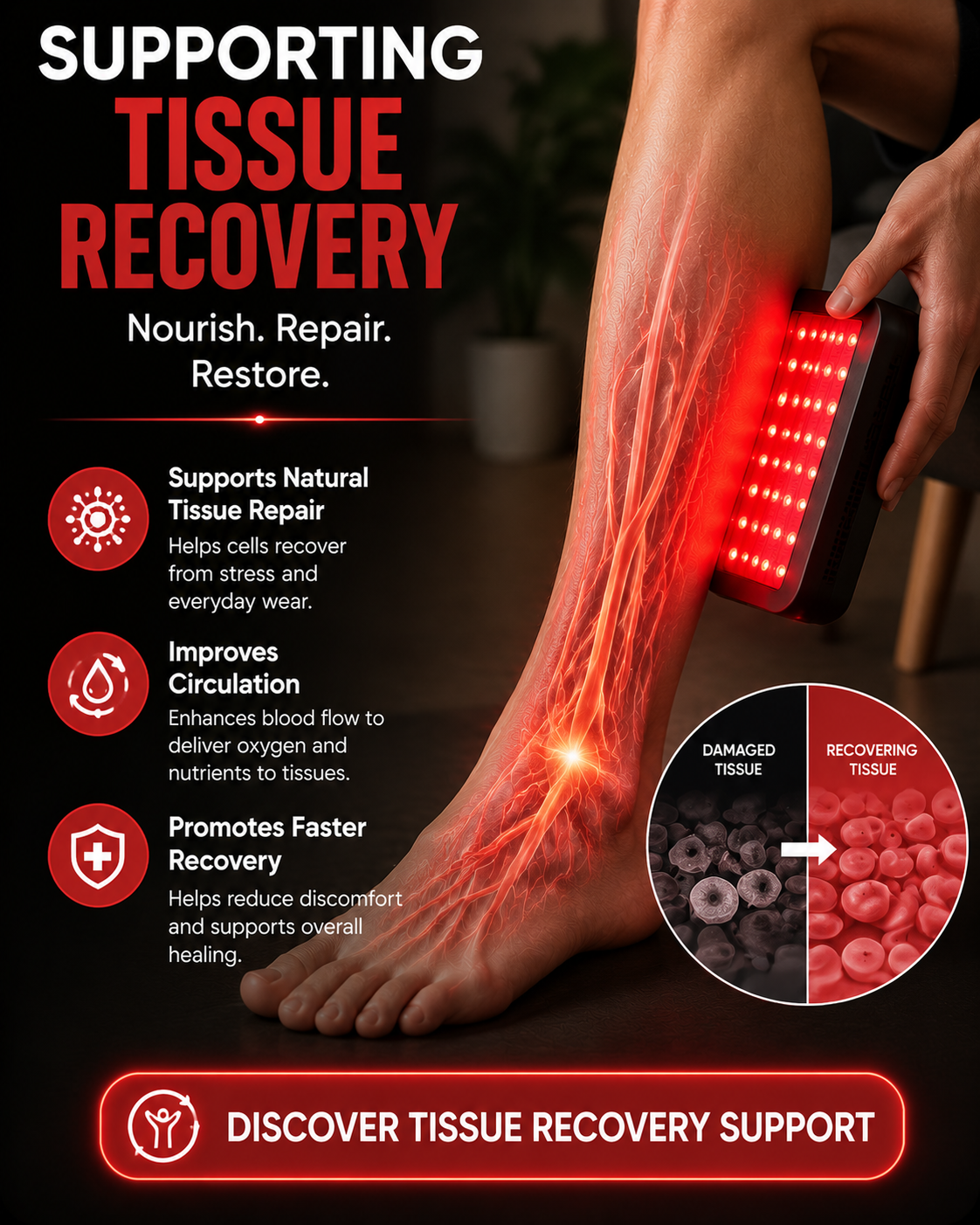
👉Supporting Tissue Recovery
- Because nerves and surrounding tissues depend on healthy cellular function, researchers are exploring whether photobiomodulation may support recovery processes.
The goal of red light therapy is to encourage healthier cellular communication, not to replace professional treatment.
Can Red Light Therapy Help Neuropathy?
Many people wonder whether red light therapy can improve neuropathy symptoms. Research into this area is ongoing, and results can vary depending on the type of neuropathy, severity, treatment schedule, and individual health factors.
Some studies suggest that photobiomodulation may have potential benefits for supporting nerve-related comfort. Researchers have examined its possible effects on:
- Nerve function
- Circulation
- Tissue response
- Cellular activity
- Comfort levels
For individuals experiencing neuropathy, the potential appeal of red light therapy comes from its non-invasive nature and ability to target specific areas.
👉However, neuropathy can have many causes, including:
- Diabetes-related nerve changes
- Nutritional deficiencies
- Certain medications
- Physical injuries
- Circulatory concerns
- Autoimmune conditions
Because the cause of neuropathy plays an important role in symptoms, a complete approach often involves identifying contributing factors and following appropriate medical guidance.
Potential Benefits of Red Light Therapy for Neuropathy
👉May Support Nerve Comfort
- One of the main reasons people explore red light therapy is its potential to support comfort in areas affected by nerve irritation.
- Some users report improvements in sensations associated with neuropathy, although individual experiences may differ. The therapy may help create an environment that supports normal nerve activity.
Comfort support is one of the most common reasons people explore red light therapy.
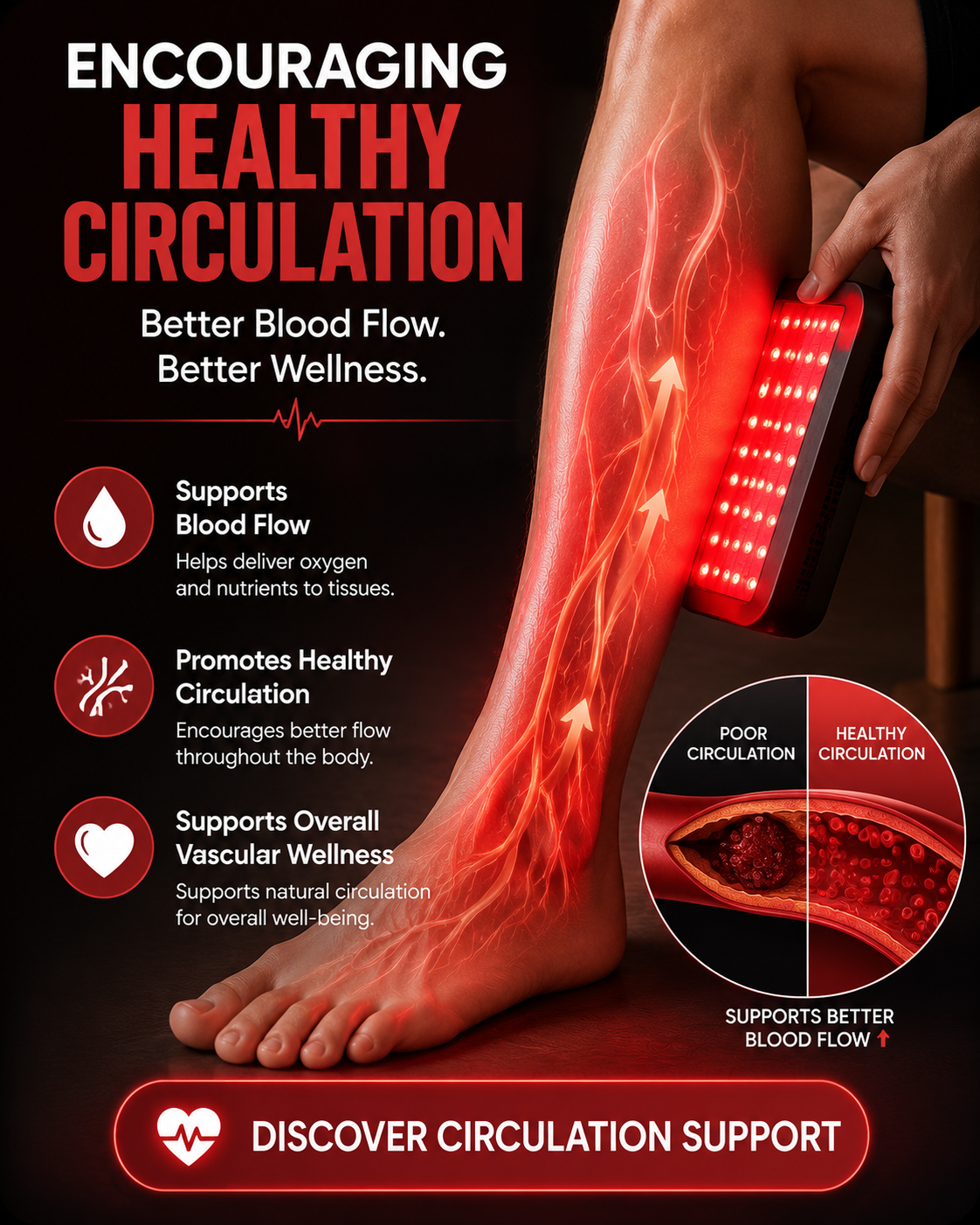
👉May Promote Healthy Circulation
- Blood circulation plays an important role in delivering oxygen and nutrients to tissues.
- Reduced circulation may affect nerve health because nerves require proper nourishment to function effectively. Red light therapy has been studied for its potential ability to support healthy blood flow.
- Better circulation may contribute to overall tissue wellness and support the surrounding environment of nerves.
👉May Support Cellular Function
- Nerve cells depend on efficient energy production. By interacting with mitochondria, red light therapy may support cellular energy processes.
- Healthy cellular function may help maintain normal communication between nerves and the body.
👉May Help Support Recovery After Stress
- Nerves can be affected by physical stress, injury, or metabolic challenges. Red light therapy is being researched for its possible role in supporting the body’s natural recovery processes.
- This may be especially interesting for people looking for additional wellness strategies alongside traditional care.
👉Non-Invasive Wellness Option
- Unlike some approaches that involve medications or procedures, red light therapy is generally considered a non-invasive method.
- Many devices are designed for home use, allowing individuals to incorporate light therapy into their personal wellness routines.
Red Light Therapy and Different Types of Neuropathy
Neuropathy is not a single condition. It can develop from various causes, and the experience may differ from person to person.
Diabetic Neuropathy
- Diabetic neuropathy is one of the most common forms of nerve-related discomfort. It often affects the feet and legs and may involve tingling, numbness, or burning sensations.
- Researchers are studying whether red light therapy may support circulation and nerve wellness in individuals with diabetes-related nerve concerns.
- Maintaining healthy blood sugar levels, following medical recommendations, and practicing proper foot care remain important parts of diabetic neuropathy management.
Peripheral Neuropathy
- Peripheral neuropathy affects nerves outside the brain and spinal cord, often involving the hands and feet.
- Red light therapy may be explored as a supportive approach because of its potential connection with circulation, cellular activity, and tissue support.
Chemotherapy-Related Neuropathy
- Some cancer treatments may contribute to nerve discomfort. Researchers are investigating whether photobiomodulation may help support comfort and nerve function in certain situations.
- Individuals undergoing cancer treatment should always discuss complementary therapies with their healthcare provider.
How to Use Red Light Therapy for Neuropathy?
The exact usage depends on the type of device, light intensity, wavelength, and manufacturer recommendations.
Common practices may include:
1. Choose an Appropriate Device
Red light therapy devices come in different forms, including:
- Panels
- Handheld devices
- Foot therapy devices
- Wearable systems
Look for devices designed with appropriate wavelengths and safety features.
2. Position the Light Correctly
The device should be placed according to manufacturer instructions. Common target areas include:
- Feet
- Hands
- Legs
- Areas experiencing discomfort
Avoid placing the device too far away if the instructions require close contact.
3. Follow a Consistent Routine
Many light therapy routines involve regular sessions rather than occasional use.
Consistency may be important because cellular responses generally occur gradually over time.
A regular wellness routine may provide better results than occasional use.
Red Light Therapy Wavelengths for Neuropathy
Different wavelengths may have different penetration abilities.
👉Red Light
- Red wavelengths generally range around 600–700 nanometers. They primarily interact with surface-level tissues and are commonly used for skin and superficial applications.
👉Near-Infrared Light
- Near-infrared wavelengths typically range around 700–1000 nanometers. These wavelengths may penetrate deeper into tissues and are often researched for muscle, joint, and nerve-related applications.
- Many devices combine both red and near-infrared wavelengths to provide broader coverage.
Red Light Therapy vs Other Neuropathy Support Methods
Red light therapy is one of many approaches people consider for neuropathy support.
Lifestyle Support
Healthy habits may contribute to overall nerve wellness, including:
- Balanced nutrition
- Regular movement
- Proper hydration
- Quality sleep
- Stress management
Physical Therapy
- Movement-based approaches may help maintain mobility, strength, and balance.
Medical Treatments
- Depending on the cause and severity of neuropathy, healthcare providers may recommend medications, therapies, or other interventions.
- Red light therapy is generally viewed as a complementary wellness approach rather than a replacement for medical treatment.
Are There Side Effects of Red Light Therapy?
Red light therapy is generally considered safe when used properly. However, some individuals may experience temporary effects.
Possible concerns may include:
- Mild skin sensitivity
- Temporary warmth
- Eye discomfort from bright light
- Skin irritation in sensitive individuals
People with certain medical conditions or those taking light-sensitive medications should consult a healthcare professional before use.
Proper device use and following safety instructions are important for a positive experience.
Who May Consider Red Light Therapy?
People exploring supportive neuropathy wellness strategies may consider red light therapy if they:
- Want a non-invasive option
- Prefer technology-based wellness tools
- Are interested in supporting circulation and cellular health
- Want additional comfort support alongside professional care
However, individuals with unexplained nerve symptoms should seek medical evaluation to understand the underlying cause.
What Does Research Say About Red Light Therapy?
Scientific interest in photobiomodulation continues to grow. Studies have explored its possible effects on nerve cells, inflammation pathways, circulation, and tissue recovery.
While early research is encouraging, more large-scale clinical studies are needed to fully understand how effective red light therapy may be for different types of neuropathy.
Factors researchers continue examining include:
- Best wavelengths
- Treatment duration
- Frequency of sessions
- Long-term effects
- Specific neuropathy conditions
As research develops, red light therapy may become better understood as part of a broader approach to nerve wellness.
Final Thoughts
Red light therapy for neuropathy is an emerging wellness approach that uses specific wavelengths of light to support cellular activity, circulation, and overall tissue health. Its non-invasive nature has made it increasingly popular among people seeking additional support for nerve comfort.
While research continues, many of the potential benefits are connected to photobiomodulation’s ability to interact with cellular energy pathways and support the body’s natural processes.
Red light therapy may be a valuable supportive tool, but it works best as part of a complete nerve wellness strategy.
Anyone experiencing persistent numbness, pain, or unusual sensations should speak with a healthcare professional to identify the underlying cause and determine appropriate care options.
.
.
.
