Himalayan Salt Diet Athletes – (⚠️SPORTS NUTRITION GUIDE!) Learn the effects on hydration, performance, recovery, and safe sodium use.


The Himalayan Salt Diet for Athletes has gained popularity in fitness and sports communities, where it is often promoted as a natural way to improve hydration, endurance, and muscle performance.
Many athletes use Himalayan pink salt as part of electrolyte drinks or recovery routines, believing it supports better physical output.
However, while sodium is essential for athletic performance, there is no scientific evidence that Himalayan salt offers superior performance benefits compared to regular salt.
Both contain similar sodium levels, which is the key electrolyte affecting hydration and muscle function.
Athletic performance depends on overall nutrition, training, recovery, and hydration—not the type of salt used.
Himalayan Pink Salt in Sports Nutrition
Himalayan pink salt is a naturally occurring rock salt composed primarily of sodium chloride with trace minerals such as magnesium, potassium, and calcium.
In sports nutrition, it is sometimes used in:
- Electrolyte drinks
- Pre-workout hydration routines
- Post-exercise recovery solutions
Athletes are drawn to it due to its natural image and mineral content, but its physiological impact is similar to regular salt.
Supports Electrolyte Balance
Himalayan pink salt provides sodium, which helps maintain electrolyte balance in athletes. It supports proper muscle contraction, nerve signaling, and fluid regulation during physical activity.
Helps Replace Sodium Lost in Sweat
During intense workouts or endurance sports, athletes lose sodium through sweat. Himalayan salt can help replenish sodium levels and reduce risks of dehydration and performance decline.
Aids Hydration Strategies
Adding a small amount of Himalayan salt to water may support hydration by improving fluid retention. This can be useful during long training sessions or hot weather conditions.
May Reduce Muscle Cramp Risk
Proper sodium levels are important for muscle function. Adequate intake of Himalayan salt as part of overall electrolyte balance may help reduce exercise-related cramping in some athletes.
Supports Endurance Performance
Maintaining electrolyte balance helps sustain energy levels during endurance sports like running or cycling. Himalayan salt contributes sodium needed for long-duration physical activity.
Used in Homemade Electrolyte Drinks
Many athletes mix Himalayan salt with water, lemon, and glucose sources to create simple homemade electrolyte drinks for hydration during workouts or recovery sessions.
Not a Performance Booster Alone
Himalayan salt does not directly improve strength, speed, or endurance. Athletic performance depends on training, nutrition, hydration, and recovery—not salt type alone.
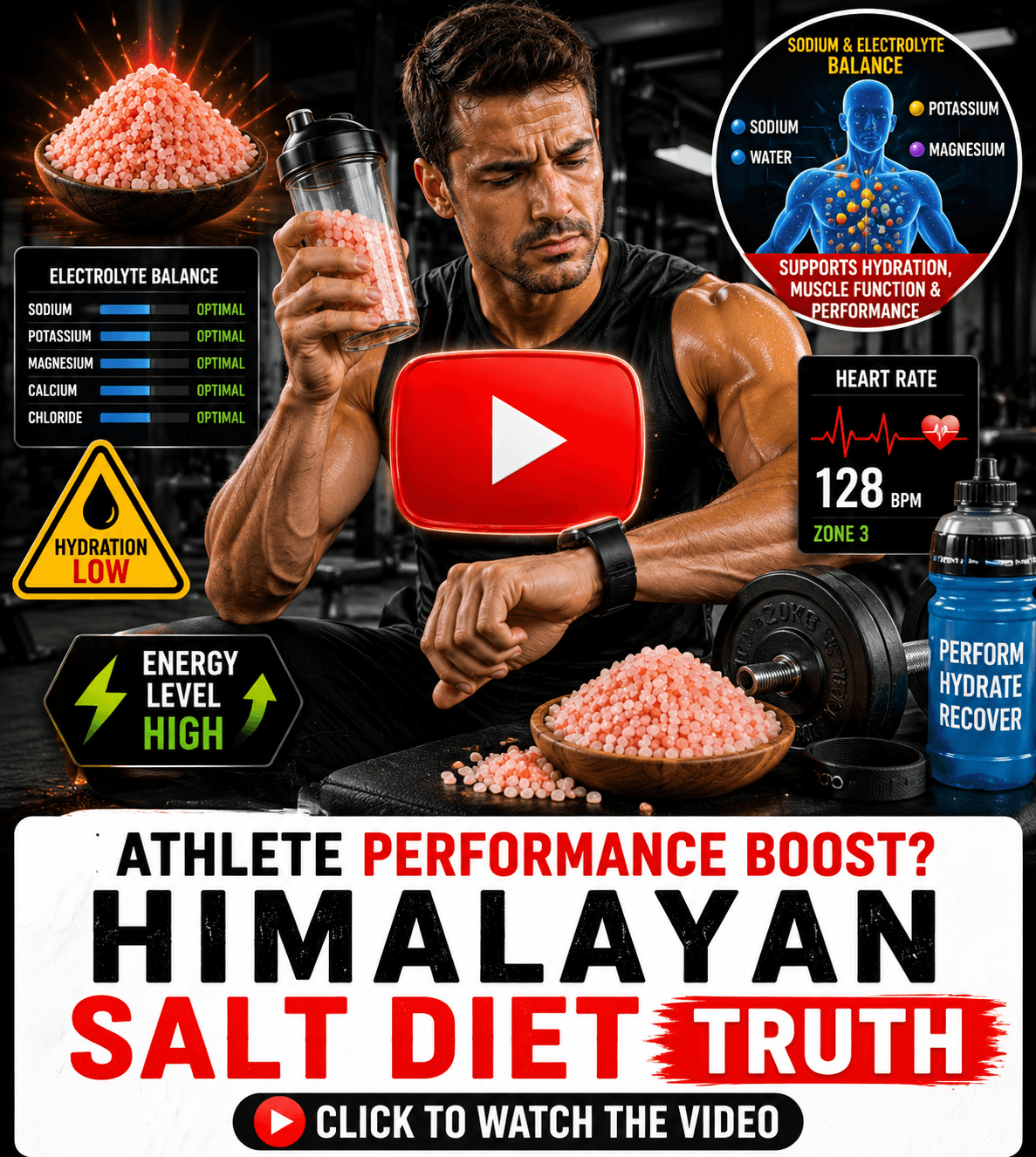
Role of Sodium in Athletic Performance
Sodium is a critical electrolyte for athletes because it helps regulate:
- Fluid balance
- Muscle contraction
- Nerve signaling
- Blood pressure during exercise
During intense workouts or endurance sports, athletes lose sodium through sweat. Replenishing sodium helps prevent dehydration, cramps, and performance decline.
However, the source of sodium (Himalayan or table salt) does not change its function in the body.
Sodium is one of the most important electrolytes for athletes because it helps maintain fluid balance, supports nerve signal transmission, and enables proper muscle contraction during exercise.
When athletes sweat, especially during intense or long-duration workouts, they lose significant amounts of sodium along with water.
If sodium levels drop too low, it can lead to dehydration, reduced endurance, muscle cramps, fatigue, and poor performance.
Sodium also helps the body absorb and retain fluids more effectively, which is why it is commonly included in sports drinks and electrolyte formulas.
Does Himalayan Salt Improve Athletic Performance?
There is no scientific evidence that Himalayan salt directly improves speed, strength, endurance, or recovery in athletes.
Any perceived benefits are usually due to:
- Proper hydration strategies
- Balanced electrolyte intake
- Improved diet quality
- Structured training programs
The mineral differences in Himalayan salt are too small to create measurable performance advantages.
No Direct Performance Boost
Himalayan salt does not directly improve speed, strength, endurance, or muscle growth. Athletic performance depends mainly on training, nutrition, hydration, sleep, and recovery—not the type of salt used.
Supports Hydration and Electrolytes
It provides sodium, which helps maintain electrolyte balance during exercise. This can support hydration and reduce fatigue or cramps when used appropriately in endurance or high-sweat activities.
Benefits Come from Overall Routine
Any perceived improvement is usually due to better hydration habits or diet changes, not Himalayan salt itself. Balanced sports nutrition is far more important for performance than salt type.
Hydration and Electrolyte Balance in Athletes
Hydration is one of the most important factors in athletic performance. Even mild dehydration can reduce endurance, strength, and focus.
Key hydration components include:
- Water intake
- Sodium balance
- Potassium levels
- Magnesium support
Athletes often use electrolyte drinks containing sodium to maintain performance, especially in endurance sports like running, cycling, or football.
| Factor | Role in Athletic Performance | Why It Matters |
|---|---|---|
| Water Intake | Maintains overall hydration levels | Prevents dehydration, fatigue, and reduced endurance |
| Sodium | Primary electrolyte lost in sweat | Helps regulate fluid balance and muscle function |
| Potassium | Works with sodium in cells | Supports muscle contractions and prevents cramps |
| Magnesium | Aids muscle relaxation | Helps reduce muscle fatigue and supports recovery |
| Electrolyte Balance | A combination of minerals and fluids | Keeps body systems functioning efficiently during exercise |
| Sweat Loss | Causes fluid and mineral depletion | Needs replacement to maintain performance and prevent overheating |
| Hydration Timing | When fluids are consumed before/during/after exercise | Optimizes endurance, recovery, and physical output |
Possible Benefits for Athletes
Although not a performance enhancer, Himalayan salt may offer indirect benefits:
- Supports hydration awareness
- Helps maintain electrolyte balance during sweat loss
- Encourages homemade hydration drinks
- May reduce reliance on processed sports beverages
- Fits into natural nutrition preferences
These benefits are supportive rather than performance-enhancing.
Risks of Excess Sodium Intake in Athletes
Athletes who overconsume salt may face health risks such as:
Increased Blood Pressure – Too much sodium can raise blood pressure, increasing strain on the heart and long-term cardiovascular risk.
Water Retention – Excess salt causes the body to hold extra water, leading to bloating, swelling, and discomfort in daily activities.
Dehydration Imbalance – High sodium levels can disrupt fluid balance, making the body lose proper hydration control during physical activity.
Kidney Strain in Extreme Cases – Overconsumption of sodium increases kidney workload, which may affect filtering efficiency over time in sensitive individuals.
Long-Term Cardiovascular Stress – Consistently high sodium intake can place ongoing stress on the heart and blood vessels, increasing disease risk.
Even active individuals must monitor sodium intake carefully, especially outside training periods.
Endurance Sports and Sodium Loss
Endurance athletes such as marathon runners, cyclists, and triathletes lose significant sodium through sweat.
In these cases, sodium replacement is important, but:
- Timing matters
- Quantity matters
- Balance with fluids is essential
Himalayan salt can provide sodium, but it is not superior to other sodium sources.
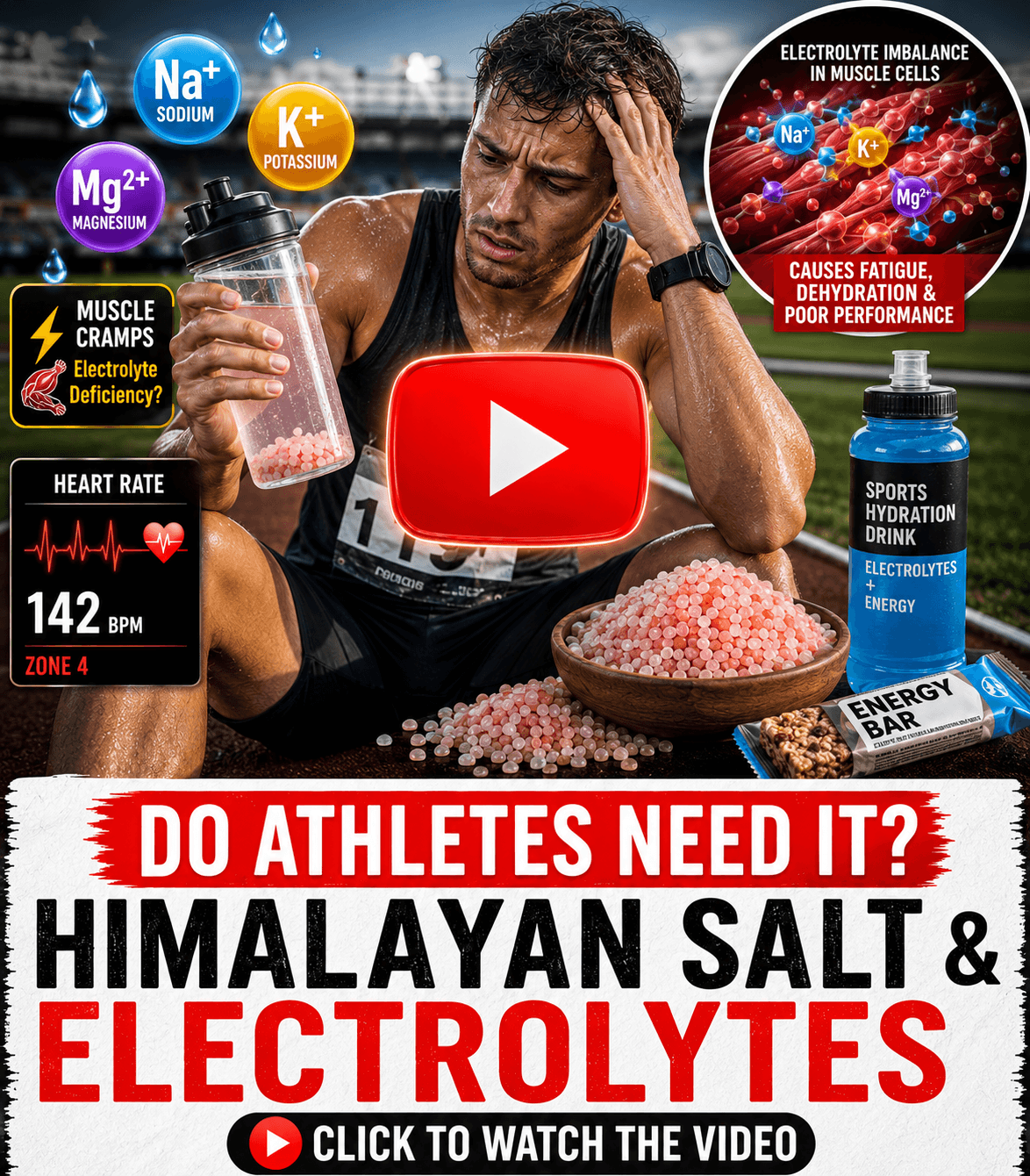
Strength Training and Sodium Needs
For strength athletes, sodium supports:
- Muscle contraction
- Fluid balance during workouts
- Pump and endurance during training
However, strength gains depend more on protein intake, resistance training, and recovery—not salt type.
For strength athletes, sodium plays an important role in supporting muscle contraction, maintaining fluid balance during intense workouts, and helping sustain energy levels and muscle “pump” during training sessions.
Proper sodium levels also assist in nerve signaling, which is essential for effective muscle performance.
However, actual strength gains are driven primarily by consistent resistance training, adequate protein intake, progressive overload, and proper recovery.
The type of salt used does not directly influence muscle growth or strength development.
Beginner Athlete Mistakes with Salt Use
Common mistakes include:
- Overusing salt in water thinking it boosts performance
- Believing Himalayan salt prevents cramps completely
- Ignoring total daily sodium intake
- Relying on salt instead of proper sports nutrition
Understanding these mistakes helps athletes train more effectively.
Final Verdict
.
.
.
