Himalayan Salt Diet For Diabetes – (⚠️WHAT SCIENCE SAYS!) Learn the effects on blood sugar, risks, myths, & safe diabetes management tips.


The Himalayan Salt Diet for Diabetes has gained attention in wellness circles as a “natural” way to support blood sugar balance and improve overall health.
Many people believe that replacing regular table salt with Himalayan pink salt may help manage diabetes more effectively due to its trace minerals and natural origin.
However, scientific evidence does not support the idea that Himalayan salt directly lowers blood sugar levels or treats diabetes.
Diabetes is primarily a metabolic condition influenced by insulin function, diet quality, physical activity, and overall lifestyle, not the type of salt consumed.
While Himalayan salt can be part of a balanced diet when used in moderation, it should never be considered a treatment or cure for diabetes.
What Is Himalayan Pink Salt?
Himalayan pink salt is a naturally occurring rock salt mined from ancient salt deposits in the Himalayan region.
It gets its pink color from trace minerals such as iron, magnesium, potassium, and calcium.
It is less processed than regular table salt, which makes it popular in wellness and natural health communities.
However, its mineral content is very small and does not significantly affect blood sugar regulation or diabetes management.
Diabetes and Blood Sugar Control
Diabetes is a chronic condition that affects how the body processes glucose (sugar). There are two main types:
- Type 1 Diabetes: The body does not produce insulin
- Type 2 Diabetes: The body becomes resistant to insulin
Blood sugar control depends on several factors:
- Diet quality
- Physical activity
- Insulin or medication use
- Body weight
- Hormonal balance
Salt type does not directly influence blood glucose levels.
Himalayan Salt Helps with Diabetes
There is no scientific evidence that Himalayan salt helps control diabetes or lowers blood sugar levels.
It does not contain any active compounds that affect insulin sensitivity or glucose metabolism.
Any perceived improvement in health among users is usually due to:
- Overall healthier eating habits
- Reduced processed food intake
- Increased hydration awareness
- Lifestyle changes alongside diet improvements
The salt itself is not responsible for blood sugar control.
No Direct Effect on Blood Sugar
Himalayan salt does not contain any compounds that lower or control blood glucose levels. Diabetes management depends on insulin function, diet quality, and lifestyle habits, not salt type.
Similar Sodium Content as Table Salt
Both Himalayan salt and table salt contain nearly identical sodium levels. Excess sodium can affect blood pressure, but neither type influences blood sugar control in diabetics.
May Encourage Healthier Eating Habits
Some people using Himalayan salt tend to cook more at home and reduce processed food intake, which indirectly supports better blood sugar control through improved diet quality.
Trace Minerals Are Minimal
Although Himalayan salt contains magnesium, potassium, and iron, the amounts are too small to significantly impact insulin sensitivity or glucose metabolism in diabetes management.
Does Not Improve Insulin Function
There is no scientific evidence that Himalayan salt improves insulin sensitivity or pancreatic function, which are key factors in controlling diabetes effectively.
Can Be Used in Moderation
Diabetic individuals can safely use Himalayan salt in small amounts as part of a balanced diet, but total sodium intake should always be carefully monitored.
Excess Salt May Increase Risks
High sodium intake can raise blood pressure and increase cardiovascular risks, which are already higher in people with diabetes, making moderation extremely important.
Healthy Lifestyle Is the Real Solution
Effective diabetes control relies on balanced nutrition, regular exercise, weight management, medication adherence, and consistent healthy habits—not any specific type of salt.
Trace Minerals in Himalayan Salt – Do They Matter for Diabetes?
Himalayan salt contains small amounts of minerals like magnesium, potassium, calcium, and iron.
These minerals are important for overall health, but the quantities in salt are too low to meaningfully impact diabetes.
For example:
- Magnesium supports insulin function
- Potassium helps heart health
- Calcium supports metabolic processes
However, these nutrients are far more effectively obtained from whole foods such as vegetables, fruits, nuts, and legumes.
Sodium Intake and Diabetes Risk
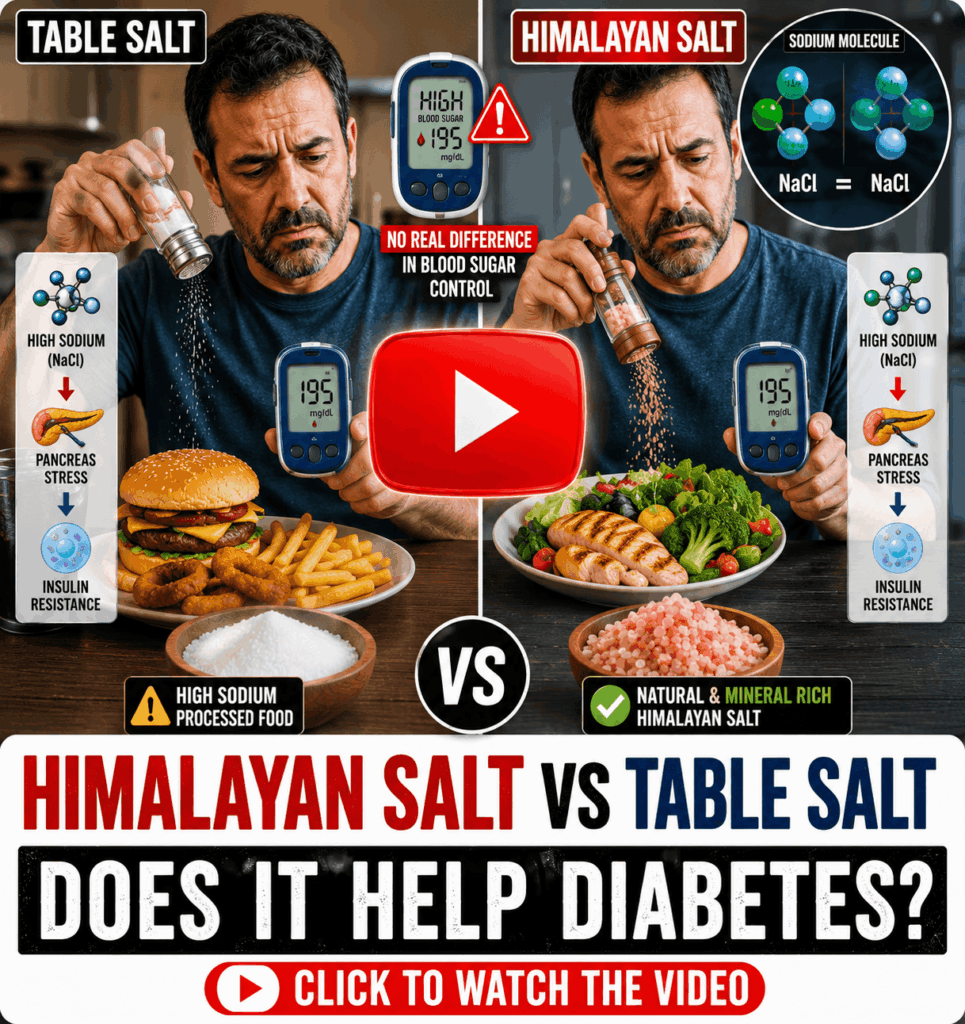
Both Himalayan salt and regular table salt contain comparable amounts of sodium chloride, meaning they affect the body in much the same way when it comes to blood pressure, fluid balance, and overall sodium intake.
Himalayan salt is less processed and contains small amounts of trace minerals such as iron, magnesium, and potassium, while table salt is typically refined and often fortified with iodine.
Despite these differences, neither salt has any proven effect on blood sugar control. For people with diabetes, moderation and total sodium intake remain far more important than the type of salt used.
How Excess Sodium Can Affect People with Diabetes
May Increase Blood Pressure – High sodium intake can raise blood pressure levels, increasing the risk of hypertension, which is already more common among individuals living with diabetes.
Raises Cardiovascular Disease Risk – People with diabetes have a greater risk of heart disease. Excess sodium may further strain the cardiovascular system and contribute to long-term complications.
Can Put Extra Stress on the Kidneys – The kidneys help regulate sodium levels. Too much salt can increase kidney workload, which may be problematic for people with diabetes-related kidney concerns.
May Cause Fluid Retention – Excess sodium can lead to water retention, causing swelling, bloating, and discomfort while making the heart work harder to circulate blood.
Can Worsen Existing Health Conditions – For diabetic individuals with hypertension, heart disease, or kidney disease, high sodium intake may aggravate existing medical conditions.
May Affect Long-Term Health Outcomes – Consistently consuming too much sodium can contribute to chronic health issues that reduce overall quality of life and increase complication risks.
Requires Careful Monitoring Regardless of Salt Type – Whether using Himalayan salt or regular table salt, monitoring total sodium intake is essential because both contain similar amounts of sodium.
Himalayan Salt vs Table Salt for Diabetics
Both Himalayan salt and regular table salt contain comparable amounts of sodium chloride, meaning they affect the body in much the same way when it comes to blood pressure, fluid balance, and overall sodium intake.
Himalayan salt is less processed and contains small amounts of trace minerals such as iron, magnesium, and potassium, while table salt is typically refined and often fortified with iodine.
Despite these differences, neither salt has any proven effect on blood sugar control.
For people with diabetes, moderation and total sodium intake remain far more important than the type of salt used.
Healthier Dietary Approach for Diabetes Management
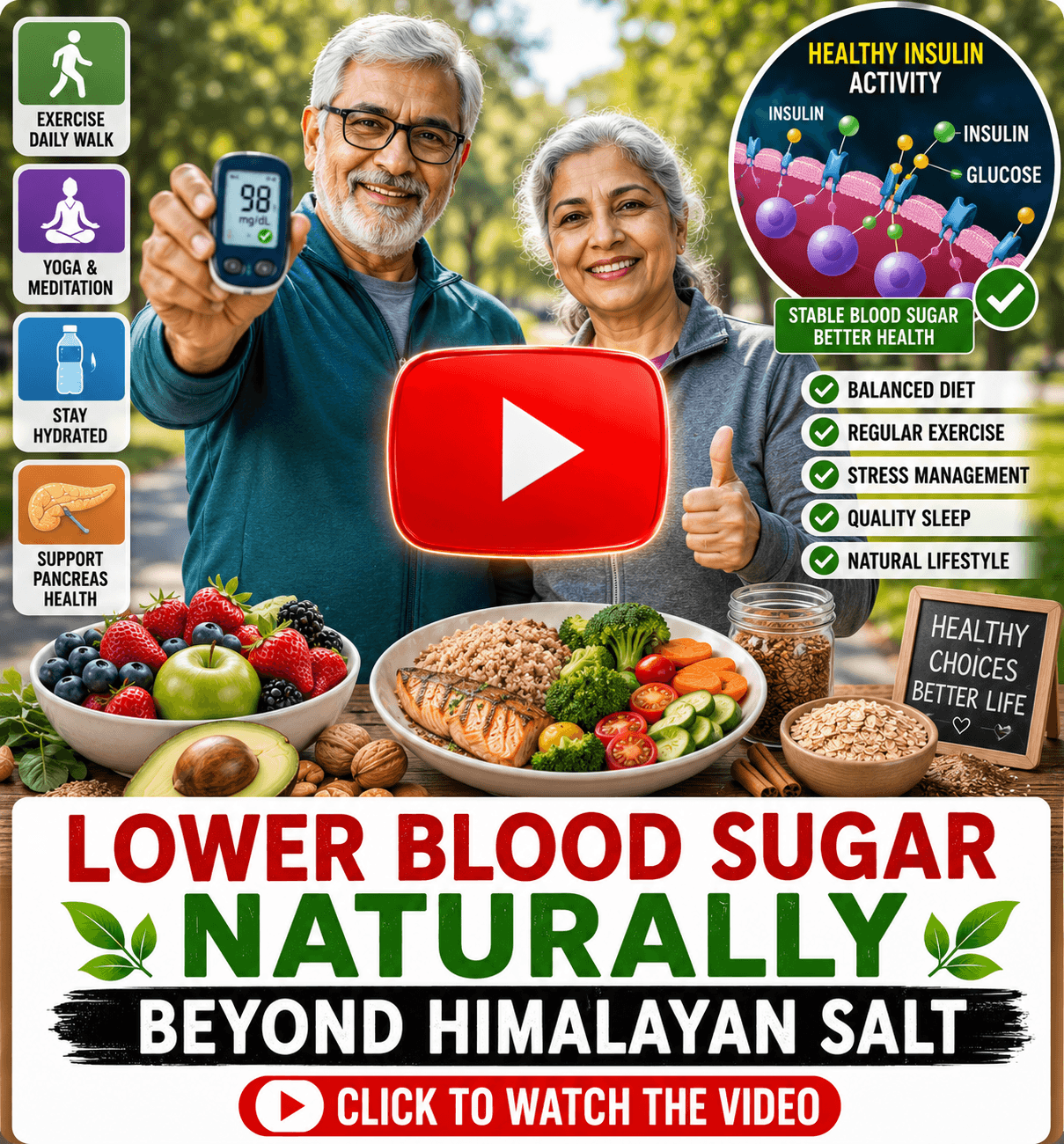
Instead of focusing on salt type, diabetes management should prioritize a complete lifestyle approach:
- Eat a balanced diet rich in fiber, vegetables, and lean protein
- Reduce refined carbohydrates and sugar intake
- Exercise regularly to improve insulin sensitivity
- Maintain a healthy body weight
- Monitor blood glucose levels consistently
- Stay hydrated and manage stress levels
These strategies have strong scientific support for improving diabetes outcomes.
Possible Benefits of Himalayan Salt in a Healthy Diet
| Potential Benefit | How It May Help |
|---|---|
| Enhances Flavor of Healthy Foods | Adds taste to vegetables, lean proteins, and whole grains, making nutritious meals more enjoyable and easier to maintain. |
| Encourages Home Cooking | People who use Himalayan salt often prepare meals at home more frequently, reducing reliance on highly processed foods. |
| Less Processed Than Table Salt | Undergoes minimal processing compared to regular table salt, which appeals to those seeking more natural food options. |
| Promotes Mindful Eating Habits | Using specialty salts may encourage greater awareness of food choices and overall dietary habits. |
| Fits Into a Balanced Diet | Can be used in moderation as part of a healthy eating plan without requiring major dietary changes. |
| Supports Natural Food Preparation | Commonly used in homemade recipes that emphasize fresh ingredients and healthier cooking methods. |
| May Reduce Dependence on Processed Seasonings | Can replace heavily processed seasoning blends that often contain excess sodium, additives, or preservatives. |
| Encourages Health-Conscious Lifestyle Choices | Often adopted by individuals who are already focused on improving nutrition, hydration, and overal |
Risks of Excess Salt Intake in Diabetes
People with diabetes should be especially cautious about excessive sodium intake because they already face a higher risk of cardiovascular and kidney-related complications.
Consuming too much salt can contribute to elevated blood pressure, which is one of the leading risk factors for heart disease and stroke.
High sodium levels may also place additional stress on the kidneys, potentially accelerating kidney damage in individuals with diabetic kidney disease.
Furthermore, excess salt can cause fluid retention and swelling, making the heart work harder to circulate blood throughout the body.
Over time, this added strain on the cardiovascular system may increase the likelihood of serious health problems.
For these reasons, monitoring sodium intake and maintaining a balanced diet are important steps in supporting long-term health and reducing the risk of diabetes-related complications.
Who Should Be Extra Careful?
Certain groups with diabetes should monitor salt intake closely:
- Individuals with high blood pressure
- People with kidney disease
- Older adults with diabetes
- Those with heart conditions
- Patients with poor glycemic control
For these individuals, even small increases in sodium may worsen complications.
Final Verdict
Himalayan salt is often promoted as a natural wellness alternative, but there is no scientific evidence that it lowers blood sugar or helps treat diabetes.
While it can be safely included in the diet when used in moderation, it should not be considered a medical treatment or a substitute for diabetes care or prescribed therapies.
Effective diabetes management is based on proven lifestyle and medical strategies, including maintaining healthy eating patterns focused on whole, nutrient-rich foods.
Engaging in regular physical activity to improve insulin sensitivity, achieving and maintaining a healthy body weight, and strictly following prescribed medications when required.
Consistency in daily habits also plays a key role in stabilizing blood glucose levels over time.
In conclusion, Himalayan salt may serve as a natural seasoning choice, but it has no direct impact on blood sugar control.
Long-term diabetes management depends on comprehensive lifestyle choices and medical guidance rather than the type of salt consumed.
.
.
.
