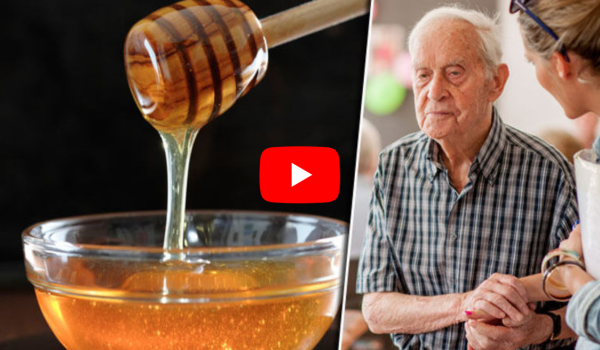
Honey Trick for Dementia – (🧠FAST NATURAL WELLNESS SUPPORT!) Learn benefits, recipes, safety tips, and brain health support.

Introduction
Dementia is a condition that affects memory, thinking, communication, and daily functioning. It develops gradually and can make everyday tasks more difficult over time.
Many families look for natural ways to support brain wellness and comfort alongside medical care. One traditional remedy often discussed is the “honey trick for dementia.”
Honey has been used for centuries in natural wellness practices because of its soothing, nourishing, and antioxidant properties.
While honey is not a cure for dementia, some people use it as part of a balanced lifestyle that supports overall brain health.
This guide explains clearly what the honey trick for dementia is, how it may support cognitive wellness, how to use it safely, who may benefit, and important precautions to understand.
Dementia and Natural Brain Support
Dementia is not a single disease. It is a term used for a group of symptoms that affect memory, reasoning, behaviour, and communication abilities.
These changes occur when brain cells become damaged and cannot communicate properly with one another.
People with dementia may experience:
- Memory loss
- Confusion
- Difficulty concentrating
- Trouble speaking or understanding
- Mood and behaviour changes
- Difficulty completing familiar tasks
Natural support methods focus on improving comfort, nutrition, relaxation, and overall brain wellness rather than replacing medical treatment.
This is where honey is often included as a supportive natural food.
Honey contains natural sugars for energy, antioxidants that help protect cells, and soothing properties that may support overall wellness.
What Is the Honey Trick for Dementia?
The honey trick for dementia is a simple wellness approach that involves consuming small amounts of honey regularly to support overall brain and body health.
People may take honey alone or mix it with warm water, herbal drinks, nuts, or other nutritious foods.
The idea behind the honey trick is that honey may help:
- Provide natural energy to the brain
- Support antioxidant protection
- Promote calmness and better sleep
- Encourage overall wellness and hydration
Honey does not reverse dementia or cure memory disorders.
Instead, it is used as a supportive home remedy that may help improve comfort, nutrition, and daily wellness when combined with healthy habits and proper medical care.
Why Honey Is Used for Brain Wellness?
Honey has been used in traditional wellness practices for centuries because it contains natural compounds that may support overall health and comfort.
While it is not a cure for dementia or memory problems, many people include honey in their daily routines to support brain wellness naturally.
Natural Energy Source
- The brain needs a constant supply of energy to function properly. Honey contains natural carbohydrates that may provide quick and gentle energy support.
Contains Antioxidants
- Honey naturally contains antioxidants that help protect cells from oxidative stress. Oxidative stress is believed to play a role in ageing and cognitive decline.
Supports Relaxation
- Some people use honey before bedtime because it may help promote relaxation and restful sleep, which is important for brain function.
Helps Overall Nutrition
- Older adults sometimes struggle with appetite or low energy intake. Honey can add flavour and calories to foods in an easy-to-consume form.
May Support Immune Wellness
- Honey contains naturally occurring compounds that may support general immune health and recovery.
Common Factors That May Affect Brain Health
Brain health can be influenced by many lifestyle, medical, and environmental factors. Understanding these helps explain why memory, focus, and thinking abilities may change over time.
Aging
- As people grow older, natural changes occur in brain structure and function. While mild forgetfulness can be normal, significant memory loss is not considered a normal part of ageing.
Poor Sleep Quality
- Lack of proper sleep can affect concentration, memory formation, and emotional balance. Long-term sleep problems may increase confusion and mental fatigue.
Nutritional Deficiencies
- A diet lacking essential nutrients such as vitamins, healthy fats, and antioxidants may impact brain performance and energy levels.
Chronic Stress
- Long-term stress can affect how the brain processes information and manages emotions, potentially leading to memory and focus difficulties.
Lack of Physical Activity
- Reduced movement and exercise may affect blood circulation to the brain, which is important for healthy cognitive function.
Dehydration
- Even mild dehydration can lead to tiredness, confusion, and difficulty concentrating, especially in older adults.
Medical Conditions
- Conditions such as high blood pressure, diabetes, and neurological disorders may contribute to changes in brain health over time.
Environmental Factors
- Exposure to pollution, toxins, or unhealthy living conditions may also negatively affect long-term cognitive wellness.
How to Use the Honey Trick for Dementia?
The honey trick for dementia is a simple wellness routine that involves using small amounts of honey in different ways to support comfort, nutrition, and overall daily well-being.
It is not a treatment or cure, but it can be included as part of a healthy lifestyle.
Raw Honey Alone
- Take one teaspoon of honey slowly once or twice daily.
- This simple method is commonly used for gentle wellness support.
Honey with Warm Water
- Mix one tablespoon of honey in a cup of warm water and drink slowly.
- Warm fluids may provide comfort and hydration.
Honey with Herbal Tea
- Honey can be added to chamomile, ginger, or tulsi tea for a calming evening drink.
Honey with Nuts
- Mixing honey with walnuts or almonds is a popular traditional approach because nuts contain healthy fats that support brain function.
Honey Before Bed
- A small amount of honey before sleep may help support relaxation and nighttime comfort.
Best Time to Use the Honey Trick
The effectiveness of the honey trick (for general throat or wellness support) can depend on when it is used during the day. Choosing the right timing may help improve comfort, energy, and relaxation.
Honey is often used as a natural supportive remedy for overall brain wellness in elderly care. It provides gentle energy, antioxidants, and calming effects that may help improve daily comfort, sleep quality, and emotional well-being.
While it does not treat or cure dementia, it is commonly included in simple home routines to support nutrition, relaxation, and hydration.
Its smooth texture and natural sweetness also make it easy for older adults to consume regularly as part of a balanced lifestyle.
- Provides Natural Energy Support: Honey contains natural sugars that may give gentle energy to support daily brain and body activity.
- Supports Brain Wellness: Antioxidants in honey may help protect cells from oxidative stress linked with ageing.
- Promotes Calmness: Honey may help support relaxation and reduce restlessness when used in warm drinks.
- Improves Sleep Quality: Taking honey before bed may support better sleep, which is important for memory and cognition.
- Enhances Nutrition Intake: Helps add calories and nutrients in an easy, soft form for older adults.
- Supports Emotional Comfort: Warm honey drinks can create a soothing routine that may reduce anxiety or agitation.
- Easy to Digest and Use: Soft texture makes it simple for elderly individuals to consume regularly.
- May Support Hydration: When mixed with water or tea, it encourages better fluid intake.
- Supports General Well-being: Helps maintain daily comfort and routine alongside medical care.
- Natural and Gentle Option: Free from artificial additives, making it a simple, supportive home remedy.
Why Do People Choose the Honey Trick for Dementia?
Yes, the type of honey can matter because different varieties have slightly different levels of nutrients, antioxidants, taste, and purity.
While all natural honey provides general benefits like energy and soothing effects, choosing higher-quality honey may offer better overall wellness support.
Raw Honey
- Raw honey is minimally processed and retains more natural enzymes, antioxidants, and nutrients. It is often considered the most beneficial for daily wellness use.
Organic Honey
- Organic honey is produced without synthetic chemicals or pesticides. It is a cleaner option for people who prefer natural and chemical-free foods.
Local Honey
- Local honey is collected from nearby regions. Some people prefer it because it is fresh and may be more suitable for general wellness and seasonal comfort.
Manuka Honey
- Manuka honey is known for its strong natural properties and higher antibacterial activity. It is often used in premium wellness routines, though it is more expensive.
Regular Processed Honey
- This type is widely available and affordable but may lose some natural nutrients during processing and heating.
Honey Trick for Older Adults
The honey trick for older adults is a simple, natural wellness habit where small amounts of honey are used daily to support energy, comfort, and overall well-being. It is often mixed with warm water, tea, or taken alone to provide gentle nourishment, soothing relief, and improved hydration.
Many caregivers include it in daily routines because it is easy to consume, soft on digestion, and may help promote relaxation and better sleep.
While it does not treat medical conditions, it can be a supportive addition to a healthy lifestyle for seniors.
Honey Trick vs Commercial Brain Supplements
The honey trick and commercial brain supplements are both used by people looking to support memory, focus, and overall brain health, but they are very different in composition, purpose, and evidence of effectiveness.
Advantages of Honey
- Natural and familiar
- Easy to find
- Minimal processing
- Affordable
- Easy to include in meals
Limitations
- Not a cure for dementia
- Does not replace medical treatment
- Benefits may vary from person to person
Honey works best as a supportive wellness habit rather than a replacement for professional care.
The Science Behind the Honey Trick for Dementia
The science behind the honey trick for dementia is based on honey’s natural nutritional and bioactive properties rather than any direct treatment effect on brain disease.
Honey contains natural sugars like glucose and fructose, which provide quick energy to the brain, since the brain relies heavily on glucose for normal function.
It also contains antioxidants such as flavonoids and phenolic compounds that may help reduce oxidative stress, which is linked to ageing and cognitive decline.
Honey may support relaxation and better sleep, which are important for memory and mental clarity. Its soothing texture can also improve comfort and hydration in older adults.
It is best understood as a supportive food that may contribute to general wellness, energy balance, and comfort when used alongside proper medical care and a healthy lifestyle.
Lifestyle Tips to Support Brain Health
A healthy lifestyle plays an important role in supporting brain function, memory, and overall mental clarity.
Simple daily habits like good nutrition, regular movement, proper sleep, stress management, and social interaction can help maintain cognitive wellness and slow age-related decline.
- Stay Hydrated
- Encourage Mental Activity
- Maintain Regular Sleep
- Eat Balanced Meals
- Stay Physically Active
- Reduce Stress
Final Thoughts
The honey trick for dementia is a simple and traditional wellness practice that many people use to support comfort, relaxation, and overall brain health naturally.
Honey may help provide gentle energy, antioxidant support, soothing nutrition, and calming bedtime comfort.
However, it is important to understand that honey is not a cure for dementia and should never replace professional medical treatment or prescribed care.
When used responsibly alongside healthy habits, balanced nutrition, emotional support, and proper healthcare, the honey trick may become a comforting part of a daily wellness routine.
Always consult a healthcare professional if symptoms worsen, confusion increases suddenly, or major memory concerns develop.
.
.
.
