Top 7 Fibre Foods for Seniors: Improve Gut Health Naturally
Top 7 fibre foods for seniors (🔥INSTANT COMFORT!) Improve digestion, support gut function, regulate blood sugar, and promote healthy, energetic living.
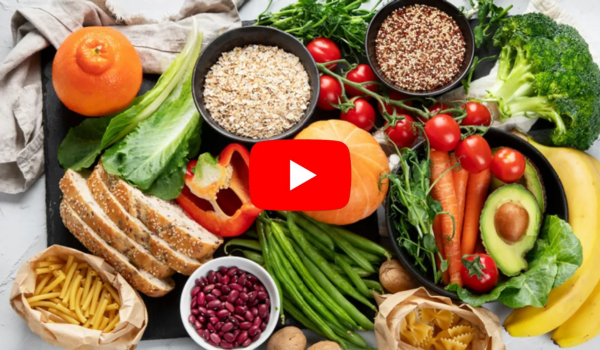

Aging brings with it many changes in the body, including shifts in digestion, metabolism, and energy levels.
One of the most important nutrients that often gets overlooked in a senior’s diet is dietary fibre. Fibre plays a crucial role in maintaining gut health, supporting heart function, controlling blood sugar, and even enhancing energy levels.
For seniors, incorporating the right fibre-rich foods into daily meals can lead to a healthier, more comfortable life.
In this post, we explore the top 7 fibre foods for seniors, explaining their benefits and how to include them in your diet easily.
What is Fibre Foods for Seniors?
Fibre foods for seniors are foods that come from plants and contain dietary fibre, which helps keep digestion smooth, supports heart health, and improves overall wellness as we age.
These foods are especially helpful for seniors because they prevent constipation, control blood sugar, lower cholesterol, and keep the gut healthy.
Common Fibre Foods for Seniors
-
Fruits: apples, pears, berries, oranges
-
Vegetables: carrots, broccoli, spinach, sweet potatoes
-
Whole grains: oats, brown rice, whole wheat, barley
-
Legumes: lentils, beans, chickpeas
-
Seeds & nuts: chia seeds, flaxseeds, almonds
Why Fibre is Essential for Seniors?
Fibre is the part of plant-based foods that the body cannot digest. It comes in two main types:
-
Soluble fibre: Dissolves in water to form a gel-like substance, helping control blood sugar and lower cholesterol.
-
Insoluble fibre: Adds bulk to stool and aids regular bowel movements, preventing constipation.
For seniors, fibre is particularly important because:
-
Supports Digestive Health: Age often slows digestion. Fibre keeps things moving, reducing the risk of constipation and discomfort.
-
Maintains Heart Health: Fibre helps manage cholesterol levels, reducing the risk of heart disease, which is crucial for seniors.
-
Controls Blood Sugar: Fibre slows sugar absorption, preventing spikes in blood glucose, which is especially important for seniors with diabetes.
-
Promotes Satiety & Healthy Weight: Fibre keeps you full longer, reducing overeating and supporting a healthy weight.
- Enhances Gut Microbiome: Fibre feeds beneficial gut bacteria, boosting immunity and overall well-being.
How Does It Work?
Fibre moves through the digestive system without being fully digested. As it passes through, it adds bulk to stool, helping food move easily through the intestines and preventing constipation.
Soluble fibre absorbs water and forms a soft gel in the gut. This gel slows digestion, helping control blood sugar levels and lower bad cholesterol.
Insoluble fibre helps clean the digestive tract by pushing waste out regularly. Together, both types of fibre support gut health, improve digestion, and promote comfort and overall wellness in seniors.
The Top 7 Fibre Foods for Seniors
Oats – The Heart-Friendly Breakfast Staple
Why it’s great:
Oats are rich in soluble fibre, particularly beta-glucan, which helps lower cholesterol and supports heart health. They are gentle on the stomach, making them perfect for seniors with sensitive digestion.
Health benefits:
-
Reduces LDL cholesterol (bad cholesterol)
-
Stabilizes blood sugar levels
-
Promotes regular bowel movements
How to include oats:
-
Classic oatmeal with fruits and nuts for breakfast
-
Overnight oats with chia seeds for a no-cook option
-
Adding oat bran to yogurt or smoothies
Lentils – Protein-Packed Fibre Boost
Why it’s great:
Lentils are a powerhouse of both fibre and plant-based protein, making them excellent for seniors who need to maintain muscle mass.
Health benefits:
-
Supports digestive health with insoluble fibre
-
Provides protein for muscle maintenance
-
Helps regulate blood sugar levels
How to include lentils:
-
Lentil soups and stews
-
Lentil salads with fresh vegetables
-
Adding cooked lentils to casseroles or rice dishes
Apples – Sweet Fibre for Gut Health
Why it’s great:
Apples are rich in soluble fibre, especially pectin, which acts as a prebiotic, feeding the healthy bacteria in your gut. They are easy to chew, making them ideal for seniors.
Health benefits:
-
Supports gut microbiome and digestion
-
Helps manage cholesterol and blood sugar
-
Low in calories but high in nutrients
How to include apples:
-
Eat raw as a snack
-
Add to oatmeal or salads
-
Bake with cinnamon for a warm, soothing dessert
Carrots – Crunchy, Fibre-Rich Veggies
Why it’s great:
Carrots provide both soluble and insoluble fibre, along with essential vitamins like vitamin A, which supports eye health – a concern for many seniors.
Health benefits:
-
Supports digestive health and regularity
-
Promotes vision and immune function
-
Lowers the risk of chronic diseases with antioxidants
How to include carrots:
-
Raw carrot sticks as a snack
-
Steamed or roasted as a side dish
-
Shredded in salads or soups
Chia Seeds – Tiny but Mighty Fibre
Why it’s great:
Chia seeds are small but packed with soluble fibre, omega-3 fatty acids, and antioxidants. They swell in liquid, creating a gel that helps with digestion and keeps seniors feeling full longer.
Health benefits:
-
Improves bowel regularity
-
Supports heart health with omega-3s
-
Stabilizes blood sugar and reduces hunger
How to include chia seeds:
-
Mix into smoothies or yogurt
-
Make chia pudding with almond milk
-
Sprinkle on salads or oatmeal
Broccoli – Fibre with Vitamins
Why it’s great:
Broccoli is a fibre-rich cruciferous vegetable that provides both soluble and insoluble fibre along with vitamins C, K, and folate, which support immunity and bone health.
Health benefits:
-
Aids digestion and promotes gut health
-
Supports bone strength and immune function
-
Contains antioxidants that may reduce inflammation
How to include broccoli:
-
Steam lightly and serve with olive oil
-
Add to stir-fries or casseroles
-
Include raw in salads or dips
Whole Grains – Sustained Energy & Fibre
Why it’s great:
Whole grains like brown rice, quinoa, barley, and whole wheat are rich in insoluble fibre, supporting bowel health and providing long-lasting energy.
Health benefits:
-
Promotes regular digestion
-
Reduces risk of heart disease
-
Provides sustained energy for active seniors
How to include whole grains:
-
Replace white rice with brown rice or quinoa
-
Use whole wheat bread for sandwiches
- Include barley or whole grains in soups and salads
How to Use Fibre Foods for Seniors?
-
Start the day with fibre: Choose oatmeal, whole-grain toast, or fruit for breakfast.
-
Add fruits and vegetables to every meal: Include apples, carrots, or leafy greens in lunch and dinner.
-
Use legumes regularly: Add lentils or beans to soups, curries, or salads 2–3 times a week.
-
Choose whole grains: Replace white rice or white bread with brown rice, whole wheat, or quinoa.
-
Include seeds in small amounts: Add chia or flaxseeds to yogurt, smoothies, or porridge.
-
Drink enough water: Fibre works best when you stay hydrated throughout the day.
-
Increase slowly: Add fibre gradually to avoid gas or bloating.
Benefits of Fibre Foods for Seniors
Fibre improves digestion by promoting regular bowel movements and reducing constipation and bloating. It also supports heart health, controls blood sugar levels, and helps maintain steady energy and overall wellness, especially in seniors.
- Enhances Digestive Comfort: Fibre supports smooth digestion by promoting regular bowel movements and reducing constipation, bloating, and digestive discomfort.
- Strengthens Gut Health: Dietary fibre nourishes beneficial gut bacteria, improving gut balance, nutrient absorption, and overall digestive efficiency.
- Supports Heart Health: Soluble fibre helps lower bad cholesterol levels, reducing the risk of heart disease and supporting healthy blood circulation.
- Regulates Blood Sugar Levels: Fibre slows carbohydrate absorption, preventing sudden spikes in blood sugar, especially beneficial for seniors and diabetics.
- Promotes Natural Energy: By stabilizing blood sugar levels, fibre helps maintain consistent energy throughout the day without sudden fatigue.
- Aids Healthy Weight Management: Fibre increases satiety, helping control appetite and support a healthy body weight.
- Boosts Immunity: A healthy gut supported by fibre strengthens the immune system and helps the body fight infections.
- Reduces Risk of Age-Related Conditions: Regular fibre intake lowers the risk of heart disease, diabetes, and digestive disorders, supporting healthy aging.
Fibre and Overall Senior Wellness
In addition to aiding digestion, fibre-rich foods contribute to weight management, heart health, stable blood sugar, and improved energy levels.
Seniors who regularly consume fibre tend to feel lighter, more energetic, and less prone to digestive discomfort.
Combined with physical activity and balanced nutrition, fibre is a cornerstone of healthy aging.
Simple Meal Plan Ideas with Fibre
Here’s a sample daily fibre-friendly plan for seniors:
-
Breakfast: Oatmeal with chia seeds, apple slices, and a sprinkle of cinnamon
-
Mid-morning Snack: Raw carrot sticks with hummus
-
Lunch: Lentil soup with a side of steamed broccoli and brown rice
-
Afternoon Snack: A small handful of nuts and fresh fruit
-
Dinner: Quinoa salad with mixed vegetables, olive oil, and a small portion of grilled fish
-
Evening: Warm baked apple or chia pudding for dessert
This plan ensures you’re getting fibre from multiple sources, fruits, vegetables, legumes, seeds, and whole grains, covering both soluble and insoluble types.
Tips for Seniors to Maximize Fibre Intake
- Increase Fibre Gradually: Adding too much fibre at once may lead to bloating or gas. Introduce fibre-rich foods slowly over several weeks to allow your digestive system to adjust comfortably.
- Stay Hydrated: Fibre functions best when paired with adequate fluids. Drinking 6–8 glasses of water daily helps fibre move smoothly through the digestive tract.
- Combine Soluble and Insoluble Fibre: Including both types supports healthy digestion, balances gut bacteria, and promotes regular bowel movements.
- Include a Variety of Foods: Eating a wide range of fibre-rich foods keeps meals enjoyable while providing diverse nutrients that support overall health.
- Listen to Your Body: Everyone responds differently to fibre. If certain foods cause discomfort, reduce portion sizes or switch to gentler fibre sources.