“Spearmint Tea for Acne – Natural Skin & Hormone Support”
Spearmint Tea for Acne (🔥INSTANT COMFORT!) Helps balance Hormones, Reduce Breakouts, Calm Inflammation, and Support Clearer Skin Naturally and Gently.
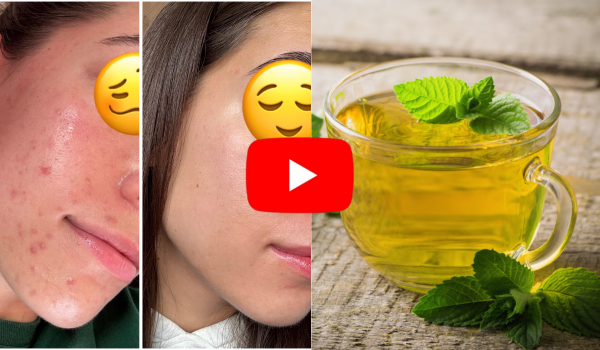

In a world where skincare shelves are crowded with dozens of creams, serums, and treatments promising flawless skin, many people are turning back to nature.
The reason is simple: natural remedies often offer gentle, affordable, and effective alternatives, especially for skin conditions like acne. Among these, spearmint tea stands out.
Spearmint tea is more than a refreshing drink; it’s loaded with compounds that may help tackle the root causes of acne, particularly hormonal imbalance and inflammation.
What Is Spearmint Tea?
Spearmint tea is a herbal infusion made from the leaves of the spearmint plant (Mentha spicata).
Unlike peppermint, spearmint has a milder, slightly sweet flavor and contains lower levels of menthol, making it gentle on the stomach and suitable for daily consumption.
Traditionally used to support digestion and freshen breath, spearmint tea has gained modern attention for its potential role in balancing hormones, reducing inflammation, and supporting clearer skin.
Because it is naturally caffeine-free, it can be enjoyed at any time of day without disrupting sleep or causing jitters.
Why Spearmint Tea Helps Acne?
Spearmint tea helps acne primarily by addressing one of the root causes of breakouts: hormonal imbalance.
Many people, especially women, experience acne linked to excess androgens (male hormones such as testosterone) that increase oil production in the skin.
Excess oil can clog pores, trap bacteria, and lead to persistent acne, particularly along the jawline, chin, and cheeks.
Spearmint tea is known for its anti-androgenic and anti-inflammatory properties.
By helping to lower free testosterone levels and calm internal inflammation, it may reduce sebum production and the frequency of hormonal breakouts.
Additionally, its antioxidant compounds support the body’s natural detox processes, which can reflect positively on skin clarity and texture over time
Science Behind Spearmint Tea for Acne
Scientific interest in spearmint tea largely focuses on its effects on hormones and inflammation.
Study on Hormonal Levels in Women
In a controlled study, participants who consumed spearmint tea twice daily over several weeks experienced:
-
Reduced free testosterone levels
-
Improved hormonal balance
Since testosterone is linked to oil production and acne, this change suggests that spearmint may help manage certain types of acne.
Anti-Androgenic Effects
Another research project looked at spearmint’s anti-androgenic activity and found that regular consumption may:
-
Reduce androgen levels in women
-
Improve conditions like hirsutism (excess hair growth)
-
Offer potential benefits for hormonal acne
Anti-Inflammatory and Antioxidant Effects
Laboratory and animal studies also show that spearmint extract demonstrates:
-
Significant antioxidant activity
-
Reduced inflammatory markers
While more clinical research is needed directly on acne sufferers, the results so far are promising.
How to Use Spearmint Tea for Acne?
If you’re interested in trying spearmint tea, here’s how to incorporate it into your skincare routine effectively:
Choose High-Quality Spearmint
Look for:
-
Organic spearmint leaves
-
Loose leaf or tea bags without additives
-
Fresh aroma and color
Brew It Right
A simple method:
-
Use 1–2 teaspoons of dried spearmint per cup of hot water
-
Steep for 5–10 minutes
-
Optional: add a slice of lemon or honey
Aim for Consistency
Consistency matters more than dosage. Most people benefit from:
-
1–2 cups per day
-
Preferably in the morning and evening
Spearmint tea is meant to help gradually, like most natural remedies, so don’t expect overnight results.
How Long Does It Take to See Results?
Results from spearmint tea are not instant, as hormonal balance takes time. Most people begin to notice subtle improvements, such as reduced oiliness or fewer new breakouts, within 2 to 4 weeks of consistent use.
More visible improvements in acne severity and skin texture typically appear after 6 to 8 weeks.
The timeline can vary depending on factors such as the underlying cause of acne, overall diet, stress levels, and lifestyle habits.
Continued daily use is important, as stopping too early may prevent you from seeing full benefits. For many, spearmint tea works best as a long-term, supportive habit rather than a quick fix.
Potential Side Effects and Cautions
While spearmint tea is generally considered safe for most people, there are a few things to keep in mind:
-
Gastrointestinal Sensitivity
Some people may experience:
-
Mild stomach upset
-
Bloating
If this happens, reduce intake.
-
Hormonal Effects
Because spearmint may influence hormone levels, women with hormonal conditions should consult a healthcare provider before daily use.
-
Allergies
If you’re allergic to mint plants, avoid spearmint tea.
-
Medication Interaction
Spearmint may interact with certain medications, especially hormone-related treatments. When in doubt, talk to a medical professional.
Additional Tips For the Best Result
- Drink consistently: Drink 1–2 cups daily for several weeks. Hormonal balance takes time, so steady use matters more than occasional drinking.
- Brew properly: Steep tea 5–7 minutes to release active compounds. Weak tea may reduce potential skin-glowing support benefits.
- Avoid excess sugar: Sugar can worsen acne inflammation. Drink plain or lightly sweetened with honey if needed.
- Pair with hydration: Spearmint tea works best when combined with good daily water intake to support skin detox.
- Track skin changes: Take weekly photos. Acne improvement is gradual and easier to notice with comparison.
- Support with diet: Limit greasy and high-glycemic foods. Tea helps more when the diet supports hormone balance.
- Drink at the same time daily: Routine helps regulate hormones and builds consistency for better results.
- Use organic tea if possible: Reduces pesticide exposure that may irritate sensitive skin.