Pink Salt vs Sea Salt – Natural Mineral Comparison
Pink Salt vs Sea Salt (🌿NATURAL MINERAL POWER!)
Supports balanced hydration, Enhances flavor, and Provides trace minerals for everyday wellness.
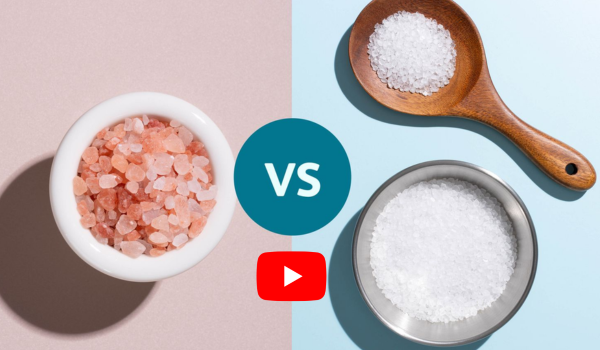

When it comes to choosing healthier seasoning options, the debate around “Pink Salt vs Sea Salt” continues to grow. Many people want to understand which one offers better minerals, taste, and overall benefits. Because salt plays an essential role in cooking and hydration, the type you choose matters.
In this complete guide, we will explore pink salt vs sea salt in detail. You will learn what each salt is, how it works in the body, the science behind its mineral content, how to use it properly, and why both options can support a balanced lifestyle.
What Is Pink Salt?
Pink salt, often known as Himalayan salt, is mined from ancient sea beds in the Himalayan region. Its soft pink color comes from trace minerals such as iron, potassium, and magnesium.
Unlike heavily refined table salt, pink salt is minimally processed. Therefore, it retains its natural crystal structure and mineral composition. Many people prefer it because of its clean, earthy taste and visual appeal.
Furthermore, pink salt is available in fine, coarse, and crystal forms. This makes it suitable for cooking, seasoning, and even decorative uses.
What Is Sea Salt?
Sea salt forms when ocean water evaporates. During this process, salt crystals remain behind and are harvested for consumption. Popular varieties include salts sourced from coastal regions such as Celtic Sea.
Because sea salt undergoes minimal refinement, it often retains small amounts of ocean-derived minerals. Its texture can range from flaky to coarse, depending on the harvesting method.
Additionally, sea salt offers a fresh, clean flavor that enhances many dishes. Many chefs prefer it for finishing meals due to its delicate crunch.
Pink Salt vs Sea Salt: Mineral Composition
The discussion of pink salt vs sea salt often centre’s around mineral content.
Pink salt contains trace amounts of:
- Iron
- Magnesium
- Calcium
- Potassium
These minerals give it its distinct pink hue.
Sea salt also contains trace minerals, although the specific content varies depending on the water source. However, both salts are primarily composed of sodium chloride.
Therefore, while mineral differences exist, they appear in very small amounts. Still, many people appreciate these trace elements as part of a natural diet.
How Salt Works in the Body?
Understanding pink salt vs sea salt requires understanding how salt functions in general.
Salt plays a key role in:
- Maintaining fluid balance
- Supporting nerve signalling
- Assisting muscle contraction
- Regulating blood pressure
Sodium helps your body retain appropriate hydration levels. Without it, cells cannot function properly. However, balance remains essential.
Therefore, moderate consumption supports optimal body function, while excessive intake may create imbalance.
The Science Behind Pink Salt vs Sea Salt
Scientifically, both pink salt and sea salt contain about 98% sodium chloride. The remaining percentage includes trace minerals.
Research shows that these trace minerals exist in small quantities. Nevertheless, many consumers value minimally processed salt because it avoids additives such as anti-caking agents often found in refined table salt.
Moreover, unrefined salts maintain larger crystal structures. This may influence taste perception and usage amounts. Because crystals are larger, people often use slightly less salt overall.
Taste Differences: Pink Salt vs Sea Salt
- Taste plays a major role in choosing between pink salt vs sea salt.
- Pink salt offers a mild, smooth flavor. It blends evenly into dishes and works well in cooking.
- Sea salt, on the other hand, often provides a brighter and slightly briny flavor. Flaky sea salt works especially well as a finishing touch on salads, vegetables, and baked goods.
- Therefore, taste preference often determines choice.
How to Use Pink Salt?
- Pink salt works beautifully in many applications.
- First, you can use it in everyday cooking. It dissolves evenly in soups, sauces, and marinades.
- Second, it works well in salt grinders. Freshly ground pink salt adds texture and presentation appeal.
- Additionally, some people use pink salt in bath soaks. When dissolved in warm water, it may help relax muscles and promote comfort.
How to Use Sea Salt?
- Sea salt shines as a finishing salt. Sprinkle flaky sea salt over roasted vegetables, grilled fish, or fresh salads for added texture.
- Because flakes dissolve slowly, they create bursts of flavor.
- Furthermore, sea salt works well in baking. It enhances sweetness in chocolate and caramel recipes.
- In addition, sea salt blends well in homemade electrolyte drinks when used moderately.
Hydration and Electrolyte Support
- In the discussion of pink salt vs sea salt, hydration often comes up.
- Both salts provide sodium, which supports electrolyte balance. When combined with water and potassium-rich foods, salt helps maintain proper fluid levels.
- For example, adding a small pinch of salt to water during intense exercise may help replenish sodium lost through sweat. However, moderation remains important.
Why Pink Salt vs Sea Salt Is Beneficial?
Choosing natural salts can support a mindful lifestyle. First, both options avoid heavy refinement. This means fewer additives.
Second, their natural mineral traces contribute to flavor complexity. Third, their texture encourages mindful seasoning. Because crystals are visible and flavourful, people often use less overall.
Therefore, pink salt vs sea salt becomes less about competition and more about personal preference.
Additional Tips for Choosing Quality Salt
When selecting salt:
- Choose unrefined options
- Check for clean sourcing
- Store in airtight containers
- Use grinders for freshness
Additionally, rotate usage depending on meals. Use pink salt for cooking and sea salt for finishing. This approach offers variety and balance.
Cooking Applications Comparison
- When exploring pink salt vs sea salt, cooking methods matter.
- Pink salt dissolves easily in high-heat cooking. Therefore, it works well in stews and grilled dishes.
- Sea salt flakes add texture. Thus, they suit low-heat finishing applications.
- As a result, many kitchens keep both types available.
Digestive and Metabolic Support
- Salt stimulates digestive enzymes and saliva production. Therefore, small amounts before meals may support digestion.
- Additionally, sodium supports adrenal function and energy regulation when consumed appropriately.
- However, balanced intake remains key to wellness.
Pink Salt vs Sea Salt in Modern Wellness
- Today, consumers prefer natural, minimally processed foods. As a result, pink salt vs sea salt continues to trend.
- People appreciate transparency in sourcing. They also value clean ingredient labels.
- Because both salts meet these preferences, they remain popular choices in modern kitchens.
Which One Should You Choose?
The answer depends on preference.
- If you enjoy a subtle mineral flavor and attractive pink crystals, pink salt may suit you.
- If you prefer delicate flakes and a fresh ocean taste, sea salt might be ideal.
- Ultimately, both provide natural sodium and trace minerals.
Final Thoughts
The debate around pink salt vs sea salt does not require a winner. Both options offer natural mineral content, clean flavor, and versatility in cooking.
Pink salt provides visual appeal and smooth taste. Sea salt delivers texture and finishing elegance. Furthermore, both support hydration and essential body functions when used responsibly.
Most importantly, balance matters more than variety. Moderation ensures health benefits while preserving flavor.
Therefore, consider keeping both in your kitchen. Use each intentionally. Enjoy the culinary experience. And embrace the simple power of natural salt.
.