Pink Salt and Blood Pressure: Benefits for Heart Health
Pink Salt and Blood Pressure (🔥SECRET TRICK❗) Support Heart Health, Reduce Sodium, and Enhance Wellness Naturally!
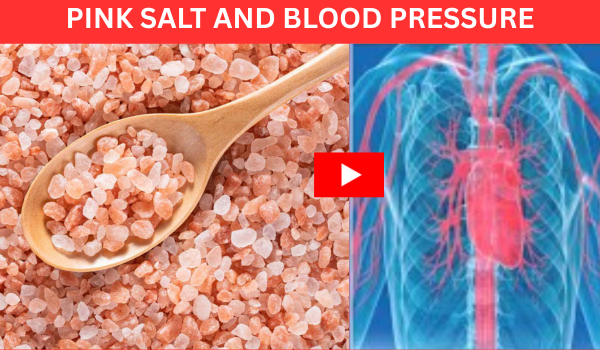

Salt, a staple in most diets, is often a subject of debate, particularly when it comes to its effects on health. For decades, health experts have warned about the dangers of excess sodium intake, linking it to high blood pressure and an increased risk of heart disease and stroke.
However, in recent years, pink salt, also known as Himalayan salt, has gained popularity as a more natural and health-friendly alternative to traditional table salt.
But how does pink salt impact blood pressure, and is it truly a better option for those seeking to manage or prevent hypertension?
In this blog post, we will dive deep into the relationship between pink salt and blood pressure, explore its health benefits, and determine whether it’s the right choice for managing hypertension.
What Is Pink Salt?
Pink salt, or Himalayan salt, is a mineral-rich rock salt that is hand-mined from ancient sea salt deposits in the Himalayas, primarily in regions of Pakistan.
Its distinct pink color comes from the minerals and trace elements it contains, such as iron oxide, magnesium, and potassium.
Unlike regular table salt, which is heavily processed and stripped of many beneficial minerals, pink salt is considered to be a more natural form of salt with a unique composition of over 80 trace minerals.
Because it’s less processed and retains more of its natural minerals, pink salt is often touted as being a healthier option for seasoning food.
People who are concerned about the health effects of excess sodium in their diets often turn to pink salt as a more wholesome alternative. But how does it affect blood pressure and overall cardiovascular health?
The Impact of Sodium on Blood Pressure
To understand how pink salt affects blood pressure, it’s essential to first look at the relationship between sodium and hypertension (high blood pressure).
Sodium is a vital electrolyte that helps regulate fluid balance, nerve function, and muscle contractions. However, consuming too much sodium can lead to an imbalance in the body, causing it to retain excess water.
This, in turn, increases the volume of blood circulating through the arteries, which can raise blood pressure.
The body’s natural response to high sodium intake is to retain more water to dilute the sodium concentration in the blood. As the blood volume increases, the heart has to work harder to pump blood through the arteries, which puts strain on the cardiovascular system.
Over time, this strain can lead to hypertension, a condition that is a significant risk factor for heart disease, stroke, and kidney disease.
Health authorities, including the American Heart Association (AHA), recommend that individuals limit their sodium intake to no more than 2,300 milligrams per day, with an ideal target of 1,500 milligrams for most adults.
How Pink Salt Differs from Table Salt
Traditional table salt and pink salt may look similar, but they have significant differences in their composition and processing methods.
Processing
Table salt is highly refined and typically undergoes significant processing, which removes most of its natural minerals. During this process, additives such as anti-caking agents and sometimes iodine (which is added to prevent iodine deficiency) are introduced.
In contrast, pink salt is minimally processed, with no additives or chemicals, and it retains many of the trace minerals that naturally occur in the salt deposits.
Sodium Content
Both table salt and pink salt are composed primarily of sodium chloride (NaCl). However, pink salt contains less sodium per teaspoon due to the presence of trace minerals, which make up a portion of its weight.
The sodium content of pink salt can vary slightly, but on average, it contains about 30% less sodium than regular table salt. This difference in sodium content may make pink salt a better option for those looking to reduce their sodium intake.
Mineral Content
While sodium chloride is the main component of both pink salt and table salt, pink salt contains over 80 trace minerals, including potassium, magnesium, calcium, and iron.
These minerals are believed to have beneficial effects on health, particularly in supporting proper nerve function, muscle contractions, and hydration.
The presence of these additional minerals may help balance the body’s sodium levels and contribute to better overall health.
Pink Salt and Its Effect on Blood Pressure
Given that both table salt and pink salt contain sodium chloride, many wonder whether switching to pink salt can help lower blood pressure.
The short answer is that, in moderation, pink salt can potentially be a better option for those concerned about blood pressure, but it is not a magical cure for hypertension. Here’s why:
Reduced Sodium Intake
- One of the primary benefits of pink salt over table salt is that it contains less sodium per serving. As mentioned earlier, the trace minerals in pink salt take up some of the space that would otherwise be filled with sodium chloride.
- This slight reduction in sodium content could help lower overall sodium intake, which is important for managing blood pressure.
- However, the difference in sodium content between table salt and pink salt is relatively small, so it’s still crucial to monitor your overall sodium consumption, especially if you already consume a lot of processed foods or restaurant meals, which are often high in sodium.
Potassium and Magnesium Benefits
- Potassium and magnesium are two essential minerals that play a role in maintaining healthy blood pressure levels. Pink salt contains trace amounts of both of these minerals, which may support blood pressure regulation.
- Potassium helps balance the effects of sodium by promoting sodium excretion through the kidneys, while magnesium helps relax the blood vessels, improving circulation and reducing pressure on the heart.
- While the amounts of potassium and magnesium in pink salt are relatively small, they may offer a slight benefit when consumed as part of a well-balanced diet.
Reducing Water Retention
- Excessive sodium intake can lead to water retention, which contributes to high blood pressure. By using pink salt in place of table salt, some individuals may experience less water retention due to the reduced sodium content.
- This may help prevent the bloating and swelling that often accompany high sodium diets, potentially improving overall cardiovascular health.
- However, it’s important to note that water retention is influenced by many factors, including hydration levels, diet, and lifestyle, so switching to pink salt alone is unlikely to resolve all water retention issues.
Additional Considerations for Blood Pressure Management
While pink salt may be a better choice than regular table salt for those looking to manage their blood pressure, it is not a cure-all.
There are many other lifestyle changes that play a significant role in blood pressure regulation. Here are some important factors to consider:
Overall Sodium Intake
Even with the reduction in sodium content in pink salt, it’s still essential to be mindful of your overall sodium intake.
Most experts recommend limiting your total daily sodium intake to 1,500 milligrams if you are at risk for high blood pressure.
This means avoiding processed foods, fast foods, and ready-to-eat meals that are often high in sodium. Instead, focus on eating fresh fruits, vegetables, lean proteins, and whole grains, all of which are naturally low in sodium.
Increase Potassium Intake
Potassium is an essential mineral for maintaining healthy blood pressure levels, and many people do not get enough of it in their diets.
Foods rich in potassium include bananas, spinach, sweet potatoes, avocados, and beans. Increasing your potassium intake can help counterbalance the effects of sodium and support healthy blood pressure.
Stay Hydrated
Proper hydration is essential for maintaining healthy blood pressure. Dehydration can cause the body to retain more water and increase blood pressure.
Make sure to drink enough water throughout the day to stay hydrated and help flush excess sodium from the body.
Regular Exercise
Physical activity is one of the most effective ways to lower and maintain healthy blood pressure.
Engaging in regular cardiovascular exercise, such as walking, jogging, cycling, or swimming, can help strengthen the heart, improve circulation, and reduce overall blood pressure.
Aim for at least 150 minutes of moderate-intensity exercise per week.
Reduce Stress
Chronic stress is a significant contributor to high blood pressure. Finding ways to manage stress, such as through mindfulness, meditation, yoga, or deep-breathing exercises, can help lower blood pressure and improve overall heart health.
Avoid Excessive Alcohol and Caffeine
Excessive alcohol consumption and high caffeine intake can contribute to elevated blood pressure. If you have high blood pressure or are at risk, it’s important to moderate your intake of both alcohol and caffeine.
Conclusion
Pink salt, or Himalayan salt, offers a natural and less processed alternative to regular table salt. While it does contain sodium, it also has a lower sodium content per serving and is packed with beneficial trace minerals like potassium and magnesium.
These properties make it a potentially better option for individuals looking to manage their blood pressure, especially when used in moderation and as part of a balanced, heart-healthy diet.
For effective blood pressure management, it’s crucial to adopt a comprehensive approach that includes reducing overall sodium intake, increasing potassium-rich foods, staying hydrated, exercising regularly, and managing stress.
By making these changes, you can promote better heart health and improve your overall well-being.
Ultimately, while pink salt can be a healthier choice, it’s important to keep in mind that blood pressure regulation depends on many factors, and a holistic lifestyle approach is the key to long-term cardiovascular health.
.