Laser Pen for Toenail Fungus: Fast & Safe Treatment
Laser Pen for Toenail Fungus (🔥SECRET TRICK) The Ultimate Solution for Clear, Healthy Nails
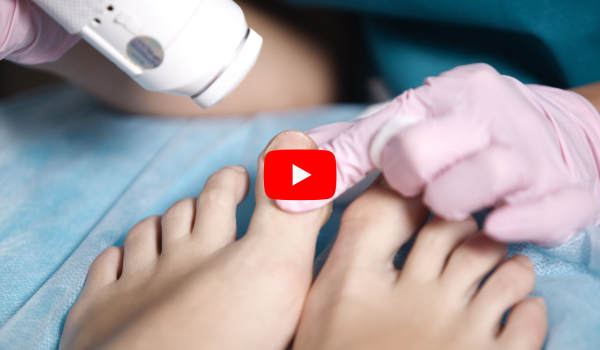

Toenail fungus, medically known as onychomycosis, is more than just a cosmetic concern. Affecting millions of people worldwide, it can lead to thickened, discolored, and brittle nails, causing discomfort, embarrassment, and sometimes even pain.
Traditional treatments, such as topical creams, oral medications, and home remedies, often fall short of providing lasting results due to the stubborn nature of the fungus and the slow growth rate of toenails.
In recent years, laser therapy has emerged as a breakthrough solution, and now, with the advent of the laser pen for toenail fungus, treating this condition has become more accessible, efficient, and convenient.
Understanding Toenail Fungus
Before diving into laser treatments, it’s important to understand the condition itself. Toenail fungus occurs when fungal organisms invade the nail bed and nail plate, causing infection. Common causes include:
-
Moist environments: Fungi thrive in warm, damp areas, making sweaty shoes and public showers potential breeding grounds.
-
Injuries: Minor trauma to the toenail can create openings for fungi to enter.
-
Underlying health conditions: Diabetes, circulation problems, or immune deficiencies can increase susceptibility.
-
Age: Older adults are more prone to toenail infections due to slower nail growth and reduced blood circulation.
Symptoms of toenail fungus include:
-
Yellow, white, or brown discoloration
-
Thickened or brittle nails
-
Crumbling edges or distortion in nail shape
-
Foul odor in some cases
-
Pain or discomfort when pressure is applied
While mild cases may not significantly impact daily life, untreated fungal infections can worsen over time, potentially leading to permanent nail damage or secondary bacterial infections.
Traditional Treatments and Their Limitations
Historically, toenail fungus has been treated with:
-
Topical antifungal creams or nail lacquers
-
Pros: Non-invasive and easy to apply
-
Cons: Poor penetration through the nail plate, slow results, often ineffective for severe infections
-
-
Oral antifungal medications
-
Pros: Can be more effective for moderate to severe infections
-
Cons: Requires long-term use, potential side effects such as liver toxicity, drug interactions, and the need for medical supervision
-
-
Home remedies (e.g., tea tree oil, vinegar soaks)
-
Pros: Natural, low-cost options
-
Cons: Limited scientific evidence, inconsistent results, often insufficient for stubborn infections
-
Introducing the Laser Pen for Toenail Fungus
A laser pen for toenail fungus is a compact, handheld device designed to target fungal infections directly in the nail bed using concentrated laser light.
Unlike bulky clinical laser machines, the pen is portable and can be used at home under proper guidance.
The principle behind this treatment is relatively simple but highly effective: fungal cells are sensitive to specific wavelengths of light, which can disrupt their cellular structure without harming surrounding tissue.
By focusing energy precisely on the affected nail, the laser pen can neutralize the fungus and promote healthy nail growth over time.
How Does a Laser Pen Work?
Laser pens for toenail fungus typically use low-level laser therapy (LLLT) or cold laser technology. Here’s what happens during treatment:
-
Laser Light Emission: The device emits a specific wavelength of light, often in the near-infrared spectrum, which can penetrate nail tissue.
-
Fungal Targeting: The light energy is absorbed by fungal cells, causing thermal and photochemical damage that inhibits or destroys them.
-
Stimulating Healing: Some lasers may also help stimulate blood flow and cellular regeneration in the nail bed, supporting healthier nail growth.
Treatment sessions can vary in length but often range from a few minutes to around 10–15 minutes per affected nail. Most users require multiple sessions over several weeks or months.
Benefits
Using a laser pen for toenail fungus offers several advantages over traditional treatments:
- Targeted and Precise – The laser energy focuses directly on the infected area, minimizing damage to surrounding skin and tissues. This precision ensures that healthy nail areas remain unharmed.
- Pain-Free and Non-Invasive – Unlike surgical nail removal or aggressive chemical treatments, laser therapy is painless, with most users experiencing only a mild warming sensation.
- Reduced Risk of Side Effects – Oral antifungal medications carry risks such as liver damage, allergic reactions, and drug interactions. Laser pens avoid systemic exposure, offering a safer alternative for individuals with pre-existing health conditions.
- Convenience and Accessibility – Handheld laser pens allow for home treatment, eliminating the need for frequent clinic visits. They are especially useful for people with mobility issues or busy schedules.
- Promotes Natural Nail Growth – By eradicating the fungus without harsh chemicals, laser pens allow the nail to grow back naturally and healthily, restoring its appearance and strength over time.
- Safe for Long-Term Use – Since laser therapy does not involve oral medication or topical chemicals, it can be repeated if necessary, making it suitable for chronic or recurring infections.
How to Use a Laser Pen for Toenail Fungus?
Proper usage is crucial for effectiveness and safety. Here’s a step-by-step guide:
Step 1: Clean and Dry the Feet
Wash your feet thoroughly and ensure your nails are dry before using the laser pen. Removing dirt and debris allows the laser to penetrate more effectively.
Step 2: Trim and File Nails
Shorten thickened nails and lightly file the surface to improve laser penetration. Be careful not to damage the nail bed.
Step 3: Position the Laser Pen
Hold the device over the infected nail. Most pens allow for slow, circular motions to cover the entire nail surface evenly.
Step 4: Follow Recommended Duration
Sessions typically last 10–20 minutes per nail, but always follow the manufacturer’s instructions. Overuse does not speed up results and may irritate surrounding skin.
Step 5: Repeat Regularly
Toenail fungus treatment requires patience. Repeat sessions as recommended, often once or twice per week, until the nail grows out healthy.
Step 6: Maintain Good Foot Hygiene
Keep feet clean and dry, change socks regularly, and avoid walking barefoot in public areas to prevent reinfection.
Supporting Recovery with Lifestyle and Foot Care
Even with laser therapy, maintaining healthy nails requires lifestyle changes and proper foot care:
-
Wash and dry feet daily
-
Wear breathable shoes and moisture-wicking socks
-
Disinfect nail tools regularly
-
Avoid sharing footwear or socks
-
Apply antifungal powder or spray to shoes if prone to reinfection
Combining laser treatment with consistent foot care maximizes results and minimizes recurrence.
Conclusion
The laser pen for toenail fungus represents a remarkable advancement in treating this stubborn condition.
It combines efficacy, convenience, and safety, making it an attractive alternative to traditional medications and invasive treatments.
While patience and proper foot care are essential, laser pens empower individuals to take control of their nail health from the comfort of home.
If you’re struggling with toenail fungus, exploring a laser pen treatment may be the step toward healthier, clearer nails and the confidence that comes with them.
Modern technology now offers a safe, non-invasive solution that targets the problem directly and promotes natural healing, making it one of the most promising innovations in foot care today.
.