Edema Fluid Drainage & Swelling in Feet: Causes and Relief
Edema Fluid Drainage & Swelling in Feet (🔥INSTANT COMFORT!) Eases Stiffness, Improves Circulation, Reduces Swelling, and Supports Sitting Fast, Clean Relief.
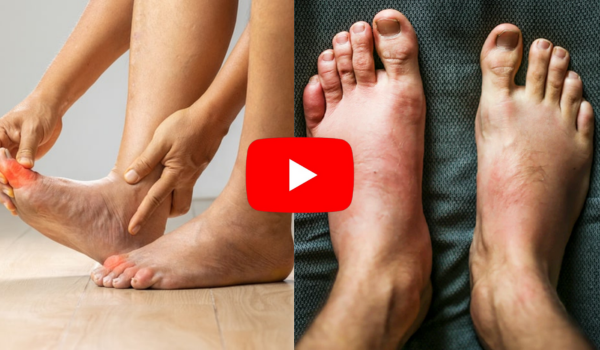

Swelling in the feet is more than a minor discomfort. For millions of people, it is a daily reminder that fluid is not moving properly through the body.
Shoes feel tight, ankles look puffy, and standing or sitting for long periods becomes exhausting. This condition, commonly known as edema, often develops slowly but can significantly affect comfort, mobility, and overall quality of life.
Edema Fluid Drainage & Swelling in Feet focuses on understanding why excess fluid collects in the feet, how the body is designed to drain it, and what practical, science-backed steps can support natural fluid movement.
When addressed correctly, it eases stiffness, reduces pressure, improves circulation, and restores lightness to tired feet.
This guide explains what edema fluid drainage is, how it works, what science says about it, how to use proven techniques effectively, why it matters, its benefits, additional supportive tips, and final thoughts for long-term foot comfort.
What Is Edema Fluid Drainage & Swelling in Feet?
Edema refers to the buildup of excess fluid in the tissues. When this fluid accumulates in the lower extremities, particularly the feet and ankles, it leads to visible swelling, tight skin, and a heavy or aching sensation.
The feet are especially vulnerable because they are farthest from the heart. Gravity naturally pulls fluids downward, and if circulation, lymphatic flow, or venous return is compromised, fluid can pool in these areas.
Edema Fluid Drainage is the body’s natural process of moving excess fluid out of tissues and back into circulation, where it can be filtered and eliminated. This drainage relies on three main systems:
-
The venous system, which returns blood to the heart
-
The lymphatic system, which clears excess fluid and waste
-
The muscle pump system, which uses movement to push fluid upward
When any of these systems slow down, swelling in the feet becomes more likely.
How Edema Fluid Drainage Works in the Body?
Edema fluid drainage depends on several interconnected systems that move excess fluid out of the tissues and back into circulation.
When these systems work together properly, swelling in the feet is reduced and comfort is restored.
Role of the Circulatory System
- The circulatory system delivers oxygen and nutrients to the feet through arteries and returns blood to the heart through veins.
- Veins contain one-way valves that prevent blood from flowing backward. When circulation is strong, excess fluid is reabsorbed into the bloodstream. If blood flow slows or valves weaken, fluid leaks into surrounding tissues, causing swelling.
Function of the Lymphatic System
- The lymphatic system maintains fluid balance by collecting excess fluid, proteins, and waste from tissues.
- This fluid is transported through lymph vessels and returned to the bloodstream. Since the lymphatic system has no pump, it relies on movement, breathing, and gentle pressure. Poor lymph flow leads to fluid buildup in the feet and ankles.
Muscle Pump Mechanism
- Muscle movement acts as a natural pump for fluid drainage. Activities like walking, ankle rotations, and calf contractions squeeze veins and lymph vessels, pushing fluid upward against gravity.
- Long periods of sitting or standing reduce this pumping action, allowing fluid to pool in the lower extremities.
Impact of Gravity and Pressure
- Gravity pulls fluid downward into the feet, especially during prolonged inactivity. Elevating the feet reduces this pressure and helps fluid flow back toward the heart.
- Gentle external pressure, such as compression, supports vessel function and prevents fluid from accumulating in tissues.
How These Systems Work Together
- Effective edema fluid drainage occurs when circulation, lymphatic flow, muscle activity, and pressure balance function together.
- Supporting these systems through regular movement, elevation, and proper care helps the body naturally drain excess fluid and reduces swelling in the feet.
The Science Says About Edema Fluid Drainage & Swelling in Feet
Ignoring swelling in the feet can lead to more than cosmetic concerns. Persistent fluid buildup places pressure on tissues, nerves, and blood vessels.
Without proper drainage, edema may contribute to:
-
Chronic discomfort and stiffness
-
Reduced mobility and balance
-
Skin tightness and sensitivity
-
Increased risk of skin breakdown
-
Fatigue and heaviness in the legs
Supporting edema fluid drainage is not only about reducing swelling but also about protecting foot health, improving daily comfort, and maintaining long-term mobility.
How to Use Edema Fluid Drainage Techniques Effectively?
Managing swelling in the feet requires consistency and the correct application of supportive techniques. Below are practical methods that align with how the body naturally drains fluid.
Foot Elevation
- Foot elevation is one of the simplest and most effective ways to support edema fluid drainage. Raising the feet above heart level reduces the pull of gravity, making it easier for excess fluid to move out of the feet and back toward the heart.
- This position lowers pressure inside blood vessels and helps prevent additional fluid from leaking into surrounding tissues.
How to use it effectively:
-
Lie down and raise your feet on pillows or a cushion
-
Keep legs elevated for 20–30 minutes
-
Repeat 1–3 times daily, especially after long sitting
Elevation is most effective when combined with deep breathing, which enhances lymphatic flow.
Gentle Movement and Exercises
- Gentle movement plays a critical role in draining excess fluid from the feet. Simple actions such as ankle circles, toe flexing, calf raises, and short walks activate the muscle pump system.
- Each muscle contraction gently squeezes veins and lymph vessels, pushing fluid upward against gravity.
Effective exercises include:
-
Ankle circles
-
Toe flexing and pointing
-
Calf raises
-
Short walks throughout the day
These movements activate the muscle pump, helping veins and lymph vessels push fluid upward.
Compression Support
- Compression provides steady external pressure that supports natural fluid movement throughout the day.
- By gently compressing the tissues, compression garments help vein valves function properly, improve blood flow, and encourage lymphatic drainage.
How compression helps:
-
Supports vein valves
-
Improves blood flow
-
Encourages lymphatic drainage
Compression should feel supportive, not tight or painful. Proper sizing is essential for comfort and effectiveness.
Manual Foot Massage
- Manual foot massage encourages lymphatic flow and relieves tension caused by swelling. Using light pressure, massage movements should always travel upward from the toes toward the ankles, following the natural direction of fluid drainage.
Best approach:
-
Use light pressure, not deep force
-
Massage upward from the toes toward the ankles
-
Focus on slow, rhythmic movements
Massage works best when the feet are elevated.
Hydration and Fluid Balance
- Proper hydration is essential for managing edema effectively. When the body is dehydrated, it tends to hold onto fluid, which can worsen swelling in the feet.
- Drinking enough water throughout the day supports kidney function, helps flush excess sodium, and maintains healthy fluid balance. Consistent hydration allows the body to release retained fluid rather than store it in the lower extremities.
Benefits of Supporting Edema Fluid Drainage & Swelling in Feet
Supporting edema fluid drainage provides more than temporary relief from swelling. When the body’s natural drainage systems function properly, both comfort and overall foot health improve in meaningful ways.
- Reduced Swelling and Puffiness: Effective fluid drainage helps remove excess fluid trapped in the tissues of the feet and ankles. As this fluid moves back into circulation, visible swelling decreases, skin feels less tight, and the feet regain a more natural shape.
- Improved Comfort and Mobility: When swelling is reduced, pressure on joints, muscles, and nerves decreases. This allows the feet to move more freely, making walking, standing, and daily activities easier and less uncomfortable.
- Lighter and Less Heavy Feeling: Many people experience a heavy or weighed-down sensation in swollen feet. Supporting fluid drainage relieves this pressure, resulting in a lighter, more energized feeling that improves overall foot comfort.
- Better Circulation: Improved edema fluid drainage supports healthier blood flow. Enhanced circulation delivers oxygen and nutrients more efficiently to foot tissues while helping remove metabolic waste, promoting overall foot vitality.
- Reduced Stiffness and Tension: Excess fluid can restrict movement and cause stiffness in the feet and ankles. Proper drainage reduces tissue congestion, allowing muscles and joints to relax and move with greater ease.
- Healthier Skin and Tissues: By reducing prolonged fluid buildup, the skin experiences less stretching and irritation. This supports better skin integrity, reduces sensitivity, and helps maintain healthy tissue condition over time.
- Greater Daily Endurance: With less swelling and discomfort, daily tasks become less tiring. Supporting edema fluid drainage helps maintain energy levels, allowing for longer periods of activity without discomfort.
How Consistency Makes the Difference?
Edema fluid drainage is not a one-time fix. The body responds best to regular, gentle support rather than aggressive or occasional interventions.
Consistency helps:
-
Retrain circulation patterns
-
Keep lymphatic pathways active
-
Prevent fluid from pooling again
Over time, regular drainage practices can significantly reduce the frequency and severity of swelling in the feet.
Additional Tips to Support Fluid Drainage in Feet
- Avoid Prolonged Sitting or Standing: Long inactivity slows circulation and fluid return. Take short movement breaks every 30–60 minutes to activate muscles and improve fluid drainage.
- Maintain a Balanced Diet: High sodium intake promotes fluid retention. A balanced diet helps regulate fluid levels and supports healthy circulation in the feet and legs.
- Wear Comfortable Footwear: Tight or restrictive shoes limit blood flow and worsen swelling. Choose supportive, well-fitted, breathable footwear to reduce pressure on feet.
- Practice Deep Breathing: Deep diaphragmatic breathing creates pressure changes that stimulate lymphatic flow, helping move excess fluid out of the feet naturally.
- Maintain Healthy Body Weight: Excess healthy body weight increases pressure on veins and lymph vessels, making fluid return slower and increasing the risk of foot swelling.
Final Thoughts
Edema Fluid Drainage & Swelling in Feet is a condition rooted in how the body manages circulation, lymphatic flow, and gravity. When these systems slow down, fluid accumulates, leading to discomfort, stiffness, and reduced mobility.
The good news is that the body already has powerful drainage mechanisms. By supporting them through movement, elevation, compression, hydration, and gentle care, it is possible to reduce swelling naturally and effectively.
Rather than forcing quick fixes, the most reliable results come from understanding how edema develops and working with the body’s natural processes.
With consistent attention, swelling can be managed, comfort can be restored, and feet can feel lighter, healthier, and more supported every day.
.
.
.