Can You Put Matcha in Hot Water? Benefits & Guide
Can You Put Matcha In Hot Water? (🔥INSTANT COMFORT!) Quickly Enjoy A Smooth, Energizing Drink That Relaxes Muscles, Boosts Focus, And Supports Calm Moments.
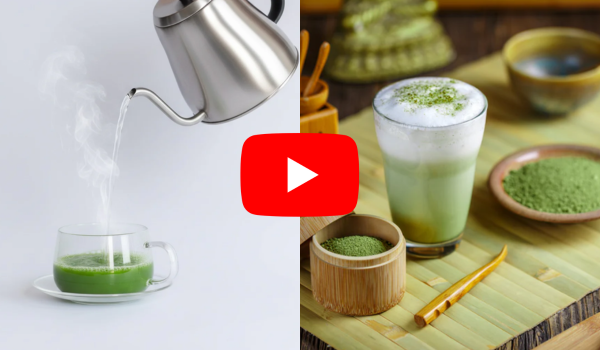

Matcha has surged in global popularity, becoming one of the most sought-after superfoods in cafes, kitchens, and wellness communities worldwide.
Its vibrant green color, energizing properties, and versatile flavor make it a favorite. But one question keeps coming up, especially among new matcha drinkers.
But as with many things worthwhile, the full story goes deeper. Matcha in hot water isn’t just possible, it’s an experience. When done right, it releases layers of flavor, aroma, and health benefits that make matcha truly remarkable.
What Is Matcha?
Matcha is a finely ground powder made from specially grown and processed green tea leaves.
Unlike traditional green tea, where you steep the leaves and throw them away, matcha allows you to consume the whole leaf. This means higher concentrations of nutrients and caffeine.
Originally from Japan, matcha has long been used in the Japanese tea ceremony and has deep cultural significance. Its unique growing and processing methods make it stand out among other teas.
How Matcha Is Made?
The matcha process involves:
-
Shade-growing: Tea bushes are covered for several weeks before harvest, increasing chlorophyll and amino acids like L-theanine.
-
Hand-picking: Only the finest leaves are chosen.
-
Steaming and drying: This preserves the vibrant green color and delicate flavor.
-
Grinding: Slow grinding produces a fine, silky powder.
Because matcha uses the entire leaf, it’s richer in antioxidants, vitamins, and catechins than brewed teas.
Why Hot Water Works?
Matcha dissolves because it’s powdered. Unlike whole tea leaves, which require steeping, matcha mixes directly with water.
But temperature matters:
-
Too cool, and matcha won’t fully release its flavor.
-
Too hot, and it becomes bitter.
The ideal temperature range falls between 70°C and 80°C (158°F and 176°F).
-
Maximize flavor depth
-
Preserve amino acids like L-theanine
-
Prevent the tea from becoming overly bitter
We’ll talk more about temperature in the next section.
The Science Behind Matcha in Hot Water
Matcha is a finely powdered green tea, so it mixes directly with water instead of being steeped.
When mixed with hot water (70–80°C), heat helps release important compounds like catechins (especially EGCG), which act as powerful antioxidants. This improves both flavor and health benefits.
Hot water also extracts caffeine and L-theanine together. Caffeine provides energy, while L-theanine promotes calmness and focus.
At the right temperature, these two stay balanced, giving smooth, long-lasting energy without jitters. If the water is too hot, L-theanine breaks down, making the tea bitter.
Matcha’s bright green color comes fromchlorophyll, which stays stable in moderately hot water. Boiling water damages chlorophyll, dulls the color, and increases bitterness.
Proper heat also helps matcha particles suspend evenly in water, creating a smooth texture and light foam.
In short, hot (not boiling) water enhances nutrient absorption, taste, color, and texture, making matcha healthier and more enjoyable.
Perfecting Your Brew: Matcha and Hot Water Step by Step
Here is the traditional method for making matcha with hot water. It’s easy, calming, and delivers the best flavor:
Ingredients
-
1–2 teaspoons of high-quality matcha
-
2–3 oz (60–90 ml) hot water (70–80°C)
-
Optional: sweetener, milk
Step by Step
- Step 1: Sift the Matcha: Matcha powder can clump easily. Sifting ensures a smooth texture and prevents lumps in your drink. Pro tip: If your matcha clumps, the whisk will have a harder time breaking them up.
- Step 2: Heat Water to the Proper Temperature: Boiling water is too hot. After boiling, let your water cool for a minute or two until it reaches 70–80°C . Using water hotter than this can scorch the matcha and produce an unpleasant bitterness.
- Step 3: Add Matcha to the Bowl: Use a scoop or a teaspoon to place your matcha powder into the bowl.
- Step 4: Add a Small Amount of Water: Start with 2–3 tbsp of hot water. This makes it easier to whisk.
- Step 5: Whisk: Use a bamboo whisk in quick, zig-zag motions. Beat until a light foam forms on the surface. This step is not just tradition; it helps incorporate air and evenly distribute the powder.
- Step 6: Enjoy!: Sip directly from the bowl or pour into your favorite mug.
Uses of Can You Put Matcha in Hot Water
Putting matcha in hot water has several practical and health-related uses. Here are the main ones:
- Daily Healthy Drink: Matcha mixed with hot water is an easy way to enjoy antioxidants, vitamins, and minerals every day.
- Natural Energy Booster: It provides calm, long-lasting energy due to caffeine combined with L-theanine without coffee-like jitters.
- Mental Focus and Relaxation: Drinking matcha in hot water helps improve concentration while keeping the mind relaxed.
- Weight Management Support: Matcha may help boost metabolism and support fat burning when consumed regularly.
- Digestive Comfort: Warm matcha is gentle on the stomach and may support smoother digestion. Its natural compounds can help reduce irritation compared to strong coffee, making it a calming, gut-friendly drink.
- Stress Relief Ritual: Preparing and drinking hot matcha creates a calming routine that reduces stress.
Benefits
Smooth, steady energy
- Matcha delivers caffeine paired with L-theanine, creating calm, sustained energy without jitters or crashes. This balance helps you stay alert and productive for hours instead of spiking and crashing.
Supports mental clarity
- The natural amino acids in matcha encourage relaxed focus and improved cognitive performance. Many people report clearer thinking, better concentration, and reduced mental fatigue during busy days.
Rich in antioxidants
- Matcha is loaded with catechins and plant antioxidants that help fight oxidative stress. These compounds support cellular protection, immune health, and long-term wellness when consumed regularly.
May support metabolism
- Some research suggests matcha compounds can gently support metabolic activity when combined with healthy eating and exercise, helping your body use energy more efficiently over time.
Promotes relaxation
- Warm matcha has a soothing effect on the nervous system. The L-theanine promotes calmness without drowsiness, making it ideal for stress relief while still staying mentally sharp.
Gentle on digestion
- Compared to strong coffee, matcha is often easier on the stomach. Its balanced caffeine release and warm preparation can feel smoother and less irritating for sensitive digestion.
Additional Tips for Drinking Matcha in Hot Water
- Use warm, not boiling water: Boiling water can make matcha bitter and destroy delicate nutrients. Aim for about 70–80°C (160–175°F) for a smoother taste and better benefits.
- Whisk instead of stirring: Use a small whisk or frother to fully dissolve the powder. Proper mixing improves texture, prevents clumps, and creates a creamy finish.
- Drink on a light stomach: Matcha absorbs best when not taken after a heavy meal. Many people prefer it in the morning or between meals for clean energy.
- Choose high-quality matcha: Ceremonial or premium-grade matcha tastes smoother and contains more antioxidants than low-grade powders.
- Start with small servings: If you’re sensitive to caffeine, begin with ½ teaspoon. You can increase gradually as your body adapts.
Final Thoughts
You can put matcha in hot water, but the water should not be boiling. Hot water at the right temperature helps release matcha’s nutrients, flavor, and aroma without making it bitter.
When matcha is mixed with hot water:
-
Antioxidants dissolve properly
-
Caffeine and L-theanine stay balanced, giving calm energy
-
Color and taste remain smooth and pleasant
Boiling water damages these compounds and makes matcha taste harsh. So, for the best results, always use hot water (not boiling) and whisk well. This simple method gives you a healthier, smoother, and more enjoyable cup of matcha.
.