Natural GLP-1 Recipe (🔥SECRET TRICK❗) Boost Metabolism & Wellness with These Delicious, Healthy Meals!
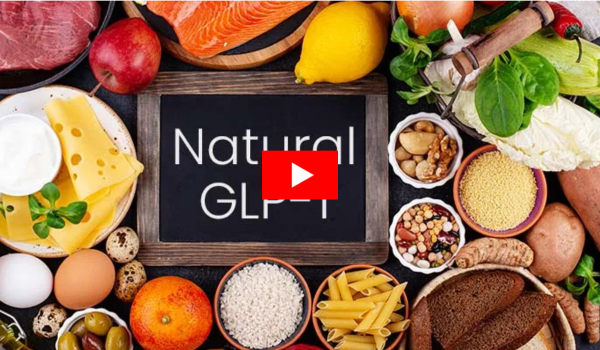

In the world of modern health and wellness, there’s an increasing emphasis on optimizing metabolic functions, improving digestion, and managing weight effectively.
One fascinating area of focus in recent years has been GLP-1 (glucagon-like peptide-1), a hormone that plays a pivotal role in regulating appetite, insulin secretion, and blood sugar levels.
GLP-1 has been the subject of various research studies, and its role in weight management has made it a popular target for therapeutic interventions, particularly for those with metabolic disorders or obesity.
However, did you know that you can naturally boost GLP-1 levels through food? That’s right there are specific natural ingredients and recipes that can help stimulate the production of GLP-1 in your body, leading to improved metabolism, better blood sugar control, and enhanced weight loss.
In this blog post, we’ll explore the science behind GLP-1, how you can boost its levels naturally, and share some delicious recipes that can help you do just that.
What is GLP-1 and Why is it Important?
GLP-1 is a hormone produced in the intestines and plays a key role in regulating glucose metabolism. It works in several ways:
- Stimulates Insulin Secretion: GLP-1 enhances insulin secretion in response to meals, which helps regulate blood sugar levels after eating.
- Suppresses Glucagon Secretion: It inhibits the release of glucagon, a hormone that increases blood glucose levels, particularly in the fasting state.
- Reduces Appetite: GLP-1 helps reduce appetite by acting on the brain’s hunger centers. This effect can help promote feelings of fullness, leading to reduced calorie intake.
- Delays Gastric Emptying: By slowing down the emptying of the stomach, GLP-1 increases feelings of satiety and helps regulate blood sugar levels after meals.
Given these beneficial effects, boosting your body’s production of GLP-1 can have a significant impact on weight loss, blood sugar control, and overall health.
And while pharmaceutical options like GLP-1 agonist medications (e.g., semaglutide and liraglutide) are available, many individuals prefer natural approaches to enhancing GLP-1 levels, especially through dietary modifications.
How Can You Boost Natural GLP-1 Production?
There are several ways to boost GLP-1 production naturally. The food you eat, the timing of your meals, and the nutrients you incorporate into your diet can all influence GLP-1 secretion.
Here are some key strategies to consider:
1. High-Fiber Foods
Fiber is one of the most powerful ways to stimulate GLP-1 secretion. High-fiber foods, especially those rich in soluble fiber, can slow down gastric emptying, increase satiety, and trigger the release of GLP-1.
Fiber also helps regulate blood sugar levels, making it an ideal choice for promoting overall metabolic health.
- Soluble fiber-rich foods like oats, legumes, flaxseeds, and chia seeds can significantly increase GLP-1 levels.
- Vegetables such as Brussels sprouts, carrots, sweet potatoes, and spinach are also high in fiber and beneficial for GLP-1 production.
2. Protein-Rich Foods
Protein plays an important role in boosting GLP-1 production. When you consume protein, it stimulates the release of GLP-1 to help with satiety and appetite regulation.
High-protein foods are especially beneficial when combined with fiber, as they have a synergistic effect on satiety.
- Lean meats like chicken, turkey, and lean cuts of beef provide ample protein for GLP-1 stimulation.
- Plant-based protein from sources like beans, lentils, quinoa, and tofu can also promote GLP-1 secretion.
- Eggs are another excellent protein-rich food that can naturally stimulate GLP-1 levels.
3. Healthy Fats
Monounsaturated and polyunsaturated fats can also enhance GLP-1 secretion. Healthy fats from plant-based sources can promote satiety and reduce appetite, making them a valuable addition to any diet focused on weight loss and metabolic health.
- Avocados are rich in healthy fats and can promote GLP-1 production.
- Olive oil and nuts like almonds, walnuts, and cashews contain heart-healthy fats and can aid in boosting GLP-1 levels.
4. Fermented Foods
Fermented foods are known for their gut health benefits, and a healthy gut microbiome is closely linked to increased GLP-1 secretion.
The beneficial bacteria in fermented foods may enhance GLP-1 levels by influencing the gut-brain axis and improving gut function.
- Kefir, kimchi, sauerkraut, and yogurt are excellent sources of probiotics that can help enhance GLP-1 production and improve digestion.
5. Low Glycemic Index Foods
The glycemic index (GI) of a food refers to how quickly it raises blood sugar levels. Foods with a low GI stimulate the slow and steady release of glucose, which in turn helps regulate insulin and GLP-1 levels.
High GI foods can cause rapid spikes in blood sugar, leading to insulin resistance over time.
- Whole grains, legumes, and non-starchy vegetables are examples of low-GI foods that can support stable blood sugar and enhance GLP-1 production.
6. Spices and Herbs
Certain spices and herbs are known for their beneficial effects on metabolism, blood sugar regulation, and GLP-1 secretion. These natural ingredients can add flavor to your meals while boosting your health.
- Cinnamon has been shown to enhance insulin sensitivity and GLP-1 production.
- Turmeric, particularly its active compound curcumin, has anti-inflammatory properties that may also help improve insulin sensitivity and GLP-1 secretion.
7. Intermittent Fasting
- Intermittent fasting (IF) is a dietary approach where you cycle between periods of eating and fasting.
- Research suggests that intermittent fasting can stimulate GLP-1 production by promoting weight loss, improving insulin sensitivity, and enhancing gut health.
- During fasting periods, the body may experience an increase in GLP-1 levels, particularly after long periods of food deprivation.
- However, it’s important to combine fasting with healthy food choices during eating windows to optimize the effects on GLP-1 secretion.
Natural GLP-1 Recipes to Boost Your Health
Now that you understand how to boost GLP-1 production naturally, let’s dive into some delicious and easy-to-make recipes that incorporate GLP-1-stimulating foods.
These meals will not only satisfy your taste buds but also support your weight loss goals and metabolic health.
1. GLP-1 Boosting Breakfast: Protein-Packed Chia Pudding
Chia seeds are rich in fiber and healthy fats, making them a fantastic choice for boosting GLP-1 levels. This chia pudding recipe is high in protein, fiber, and antioxidants—perfect for starting your day with a nutrient-dense meal.
Ingredients:
- 2 tablespoons chia seeds
- 1 cup unsweetened almond milk (or your preferred milk)
- 1 tablespoon almond butter
- 1 teaspoon cinnamon
- 1/2 teaspoon vanilla extract
- A few berries for topping (optional)
Instructions:
- In a bowl, combine chia seeds, almond milk, almond butter, cinnamon, and vanilla extract.
- Stir well to combine, ensuring the chia seeds are evenly distributed.
- Cover the bowl and refrigerate overnight.
- In the morning, top with fresh berries or a sprinkle of nuts for extra crunch.
This chia pudding is a perfect mix of fiber, healthy fats, and protein, all of which help boost GLP-1 production and keep you feeling full longer.
2. GLP-1-Boosting Salad: Avocado and Quinoa Bowl
This avocado and quinoa bowl is packed with fiber, healthy fats, and protein. It’s a refreshing, satisfying meal that promotes GLP-1 secretion while helping to regulate blood sugar levels.
Ingredients:
- 1/2 cup cooked quinoa
- 1/2 avocado, diced
- 1 cup mixed greens (e.g., spinach, kale, arugula)
- 1/2 cup cherry tomatoes, halved
- 1 tablespoon olive oil
- 1 tablespoon lemon juice
- Salt and pepper to taste
Instructions:
- In a bowl, combine cooked quinoa, mixed greens, cherry tomatoes, and avocado.
- Drizzle with olive oil and lemon juice, then season with salt and pepper.
- Toss everything together and enjoy.
This salad combines fiber, healthy fats, and protein, all of which support GLP-1 production and promote satiety throughout the day.
3. GLP-1-Boosting Smoothie: Berry Turmeric Delight
This smoothie recipe combines antioxidants from berries, anti-inflammatory properties from turmeric, and healthy fats from avocado. It’s the perfect drink to boost your metabolism and GLP-1 levels.
Ingredients:
- 1/2 cup mixed berries (blueberries, strawberries, raspberries)
- 1/2 avocado
- 1 teaspoon turmeric powder
- 1 tablespoon chia seeds
- 1 cup unsweetened almond milk
- 1 teaspoon honey (optional)
Instructions:
- In a blender, combine all ingredients.
- Blend until smooth.
- Pour into a glass and enjoy the refreshing taste of this metabolism-boosting smoothie.
Conclusion
Natural GLP-1 recipes offer a delicious and effective way to support your metabolic health, regulate blood sugar, and enhance weight loss.
By incorporating high-fiber foods, protein-rich ingredients, healthy fats, and certain herbs and spices into your diet, you can naturally stimulate GLP-1 production and improve your overall well-being.
The recipes shared in this blog post are simple, nutrient-dense, and packed with GLP-1-boosting ingredients that will help you achieve your health goals.
Whether you’re looking to lose weight, improve digestion, or enhance metabolic function, these natural recipes can serve as a delicious and sustainable solution.
By focusing on whole, nutrient-rich foods, you’re giving your body the tools it needs to thrive while optimizing GLP-1 levels naturally.
Enjoy these meals as part of your healthy lifestyle, and let them support your journey toward better health and wellness.
.
