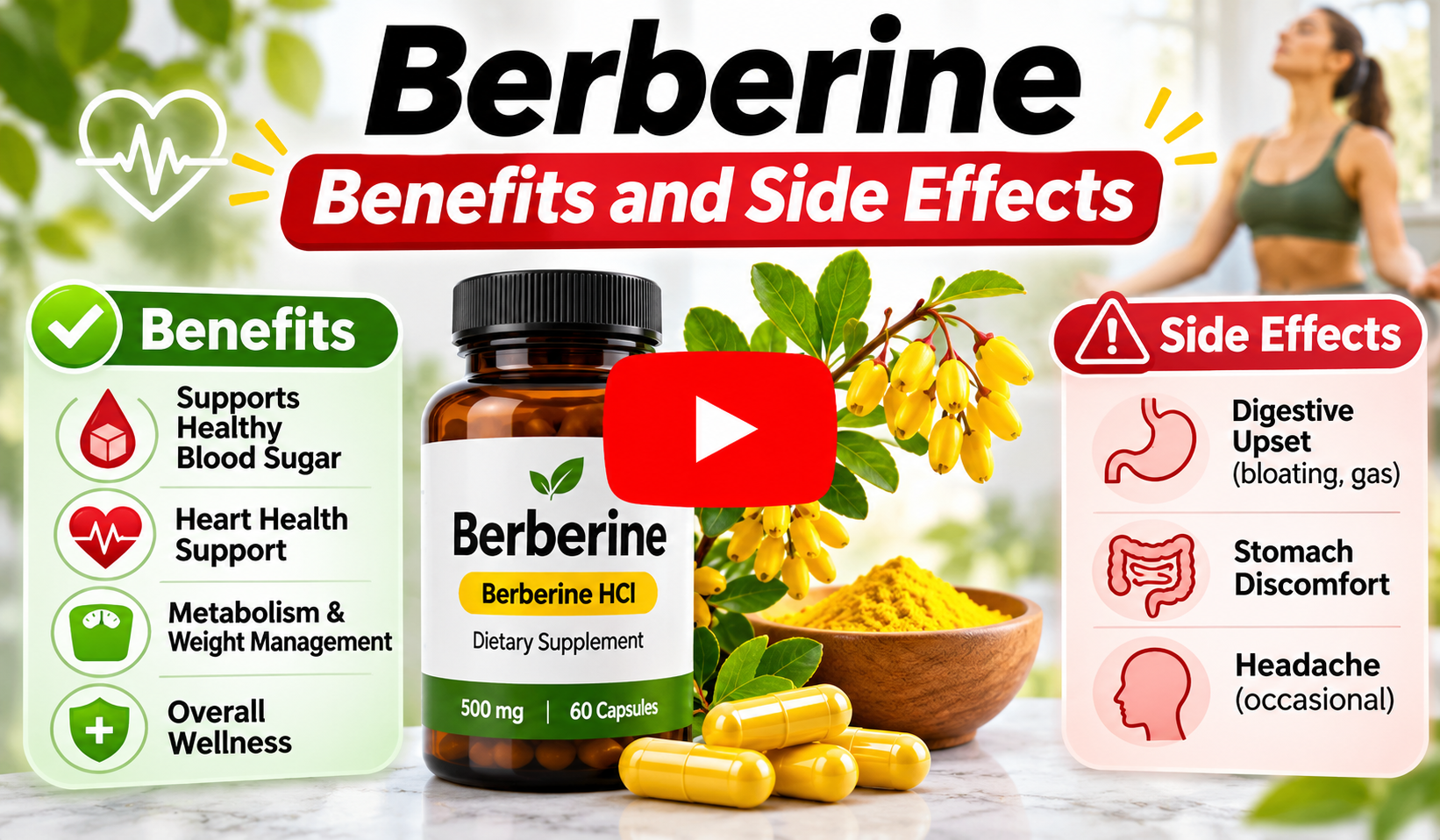

Berberine has gained considerable attention among people looking for natural ways to manage blood sugar, maintain a healthy weight, improve cholesterol levels, and support overall metabolic wellness. Although its popularity has increased in recent years, this plant-derived compound has been used in traditional wellness practices for centuries.
Unlike many herbal compounds, berberine interacts with several biological pathways involved in energy production, glucose metabolism, and cellular function. Researchers continue to investigate its potential benefits for insulin resistance, type 2 diabetes, cardiovascular health, and digestive wellness.
While berberine offers several promising health benefits, understanding its potential side effects, dosage considerations, and medication interactions is equally important.
This comprehensive guide explores berberine benefits and side effects, how it works, who may benefit from taking it, and what you should know before adding it to your daily wellness routine.
What Is Berberine?
Berberine is a naturally occurring bioactive compound belonging to a group of plant chemicals known as alkaloids. It has a distinctive yellow color and is extracted from the roots, stems, and bark of several medicinal plants.
Common natural sources of berberine include:
-
Indian barberry (Berberis aristata)
-
European barberry (Berberis vulgaris)
-
Goldenseal
-
Chinese goldthread
-
Oregon grape
-
Amur cork tree
Berberine is commonly available in capsules, tablets, and powder formulations. Berberine hydrochloride (HCl) is one of the most widely used forms in dietary supplements.
Its growing popularity is largely connected to its potential influence on blood sugar regulation, insulin sensitivity, fat metabolism, and cholesterol management.
Unlike ordinary vitamins and minerals, berberine influences specific cellular signaling pathways that help regulate various metabolic processes throughout the body.
How Does Berberine Work?
Berberine works by influencing several biological processes associated with glucose utilization, energy expenditure, and metabolic balance.
One of its most extensively studied mechanisms involves AMP-activated protein kinase (AMPK), an enzyme that helps regulate cellular energy metabolism. AMPK plays an important role in determining how the body uses and stores energy.
Berberine may support metabolic health through the following mechanisms:
-
Improves glucose utilization: May help cells use circulating glucose more efficiently.
-
Supports insulin sensitivity: May improve how the body responds to insulin.
-
Regulates glucose production: May reduce excessive glucose production in the liver.
-
Influences fat metabolism: Interacts with pathways involved in fat storage and energy expenditure.
-
Modulates gut bacteria: May influence intestinal microorganisms associated with metabolic health.
-
Supports lipid metabolism: May help regulate cholesterol and triglyceride levels.
These combined mechanisms explain why berberine is being investigated for several interconnected metabolic health concerns.
10 Potential Health Benefits of Berberine
1. Helps Lower Blood Sugar Levels
Blood sugar management is one of the most extensively researched benefits of berberine.
Berberine may improve glucose uptake by cells, reduce excessive glucose production in the liver, and support insulin function.
A 2024 systematic review found that adding berberine to glucose-lowering treatment improved fasting blood sugar, post-meal glucose, and HbA1c levels in people with type 2 diabetes.
Berberine may complement an established diabetes management plan under medical supervision.
2. May Improve Insulin Resistance
Insulin resistance occurs when cells become less responsive to insulin, making it more difficult for glucose to enter cells and be used for energy.
Berberine may improve insulin sensitivity by influencing cellular signaling and glucose transport pathways.
A 2023 systematic review identified improvements in fasting insulin and markers of insulin resistance among participants taking berberine.
This potential benefit is particularly relevant for individuals with metabolic syndrome, prediabetes, or type 2 diabetes.
3. Supports Healthy Weight Management
Berberine has become increasingly popular among individuals looking for additional weight management support.
It may influence energy metabolism, fat storage, and glucose regulation. These mechanisms could complement a balanced diet and regular exercise.
A 2025 meta-analysis found that berberine supplementation produced an average weight reduction of approximately 0.88 kilograms, suggesting that its weight management effects are generally modest.
Berberine should not be viewed as a shortcut to significant or rapid weight loss.
4. May Help Lower Cholesterol
Elevated LDL cholesterol and triglycerides are associated with an increased risk of cardiovascular disease.
Berberine may influence how the liver processes cholesterol and regulates circulating fats.
Research suggests that berberine may help improve lipid profiles by reducing LDL cholesterol and triglyceride concentrations in certain populations.
These improvements may complement heart-healthy eating habits, physical activity, and prescribed cholesterol management treatments.
5. Supports Cardiovascular Wellness
Berberine’s potential effects on blood sugar, cholesterol, triglycerides, and blood pressure make it an interesting compound for cardiovascular research.
Maintaining these metabolic markers within healthy ranges is important for long-term heart health.
Some studies suggest that berberine may provide additional blood pressure benefits when combined with specific antihypertensive medications. However, it has not been established that berberine prevents heart attacks or strokes.
6. May Support Gut Health
Berberine interacts with microorganisms within the digestive tract, potentially influencing the composition and activity of the gut microbiome.
Gut bacteria play essential roles in digestion, immune function, nutrient processing, and metabolic regulation.
Researchers are exploring whether berberine-related changes in intestinal bacteria contribute to improvements in glucose metabolism.
Its effects on digestive wellness are still being investigated, and some individuals experience gastrointestinal discomfort when taking berberine.
7. Provides Potential Anti-Inflammatory Support
Chronic low-grade inflammation is associated with insulin resistance, obesity, cardiovascular disease, and several other metabolic conditions.
Laboratory research suggests that berberine may influence inflammatory signaling pathways and help regulate certain inflammatory responses.
These properties are scientifically interesting, although more high-quality human research is needed to determine their practical significance for long-term health.
8. May Support Liver Health
The liver plays a central role in glucose regulation, fat metabolism, and energy storage.
Earlier studies have investigated berberine for metabolic dysfunction-associated steatotic liver disease (MASLD), previously known as nonalcoholic fatty liver disease.
Some research has identified improvements in liver enzyme levels and metabolic markers. However, a 2026 randomized clinical trial found that six months of berberine supplementation did not significantly reduce liver fat or visceral fat in adults with obesity and MASLD.
9. May Benefit Women With PCOS
Polycystic ovary syndrome (PCOS) is frequently associated with insulin resistance, hormonal imbalances, and metabolic difficulties.
Berberine’s potential influence on glucose metabolism and insulin sensitivity has generated interest in its use among women with PCOS.
Research remains developing, particularly regarding hormonal regulation, fertility, and long-term outcomes.
Women who are pregnant, breastfeeding, or planning pregnancy should discuss berberine with their healthcare provider.
10. Supports Overall Metabolic Health
Metabolic health involves several interconnected factors, including blood glucose, cholesterol, triglycerides, blood pressure, and waist circumference.
A 2025 systematic review of randomized placebo-controlled trials found that berberine may improve several components of metabolic syndrome.
Its potential ability to influence multiple metabolic pathways makes berberine an interesting complementary option for appropriately selected adults.
Is Berberine Effective for Weight Loss?
Berberine is sometimes called “nature’s Ozempic” on social media. Although this comparison has contributed to its popularity, the two substances are fundamentally different.
Berberine primarily influences metabolic signaling, while prescription GLP-1 medications act through specific hormone receptors involved in appetite and glucose regulation.
Berberine may complement weight management efforts by influencing glucose utilization, lipid metabolism, and cellular energy regulation.
Its weight loss effects are generally modest, and it should not replace clinically appropriate obesity treatments.
Berberine vs. GLP-1 Medications
Berberine is a plant-derived compound available as a dietary supplement, whereas GLP-1 medications are prescription treatments that activate GLP-1 receptors.
GLP-1 medications generally produce substantially greater weight loss in eligible patients and have established clinical uses for managing certain metabolic conditions.
Berberine may have potential glucose-lowering effects, but its evidence base is less established. Both can produce gastrointestinal side effects, although their mechanisms and overall safety profiles differ.
Berberine is not an equivalent natural replacement for Ozempic, Wegovy, or other prescription weight management medications.
What Are the Side Effects of Berberine?
Although berberine comes from natural plant sources, it can produce unwanted effects, especially when combined with certain medications or taken in excessive amounts.
Common Side Effects
The most frequently reported berberine side effects involve the digestive system.
-
Constipation
-
Diarrhea
-
Abdominal discomfort
-
Nausea
-
Bloating
-
Excessive gas
-
Stomach cramps
Digestive symptoms may improve after discontinuation or a clinician-guided dosage adjustment. Persistent symptoms should not be ignored.
Potentially Serious Side Effects
Berberine may increase the risk of excessively low blood sugar or blood pressure when combined with medications that produce similar effects.
Medication interactions can also alter circulating concentrations of certain prescription treatments.
Seek immediate medical attention if you experience fainting, severe confusion, difficulty breathing, facial swelling, or severe symptoms of hypoglycemia.
Berberine Side Effects and Safety Guide
Mild Symptoms
Normal digestion, no unusual symptoms, and stable glucose levels within your individualized target range generally indicate good tolerance.
Continue monitoring your response.
Moderate Symptoms
Bloating, constipation, nausea, diarrhea, persistent stomach discomfort, or unusual dizziness may indicate that your body is not tolerating the supplement well.
Consult your healthcare provider if symptoms persist.
Serious Reactions
Severe hypoglycemia, fainting, breathing difficulties, significant allergic reactions, or severe confusion require immediate medical attention.
Stop taking berberine and seek medical assistance if you experience a serious reaction.
Recommended Berberine Dosage
Many clinical studies have evaluated daily berberine amounts ranging from 900 mg to 1,500 mg, typically divided into multiple servings.
Commonly studied supplement schedules include:
-
Single serving: 300–500 mg.
-
Twice daily: 600–1,000 mg in total.
-
Three times daily: 900–1,500 mg in total.
These amounts reflect research and commonly encountered supplement schedules rather than a universal dosing recommendation.
The appropriate amount depends on individual health conditions, medication use, digestive tolerance, and the specific formulation. An established safe dosage for everyone is not available.
What Is the Best Time to Take Berberine?
Berberine is commonly taken with or around meals because of its potential effects on glucose metabolism.
Dividing daily servings may also improve digestive tolerance compared with consuming a large amount at once.
Some people take it with breakfast, lunch, or dinner, depending on their supplement instructions and healthcare provider’s recommendations.
Follow product-specific instructions and seek professional guidance, especially if you take medications for diabetes or cardiovascular conditions.
How Long Does Berberine Take to Work?
Berberine is not an instant metabolic solution. Clinical studies generally evaluate measurable changes over several weeks or months.
Weeks 1–2: Initial Adjustment
Monitor digestive tolerance, glucose readings when applicable, and potential medication interactions.
Weeks 3–4: Early Monitoring
Review glucose trends and determine whether the supplement is well tolerated.
Weeks 8–12: Metabolic Assessment
Healthcare providers may reassess fasting glucose, HbA1c, cholesterol, and other relevant markers.
Three Months and Beyond: Continued Evaluation
Review measurable benefits, tolerability, and whether continued supplementation is appropriate.
This is a suggested monitoring timeline rather than a guaranteed schedule of results.
Who Should Take Berberine and Who Should Avoid It?
Berberine may be worth discussing with a healthcare professional for adults interested in complementary metabolic support.
Certain individuals should avoid it or obtain medical clearance before use.
Individuals Who May Consider Berberine With Medical Guidance
-
Adults with insulin resistance.
-
People managing prediabetes.
-
Adults with elevated cholesterol.
-
Individuals with metabolic syndrome.
-
Adults seeking weight management support.
-
People seeking complementary glucose support.
-
Adults with elevated triglycerides.
Individuals Who Should Avoid Berberine or Seek Medical Advice
-
Pregnant women.
-
Breastfeeding mothers.
-
Infants and children.
-
People taking immunosuppressants.
-
Individuals prone to hypoglycemia.
-
People with liver or kidney disease.
-
Individuals taking multiple medications.
Berberine is particularly concerning during pregnancy and infancy because it may interfere with bilirubin handling, potentially causing serious complications.
Berberine and Medication Interactions
Berberine can affect medication metabolism and transport, potentially increasing or decreasing the effects of certain treatments.
Important medication categories to consider include:
-
Insulin: May increase the risk of low blood sugar.
-
Metformin: May alter medication exposure and glucose response.
-
Sulfonylureas: May increase the risk of hypoglycemia.
-
Blood pressure medications: May contribute to excessive blood pressure reduction.
-
Cyclosporine: May increase medication concentrations.
-
Anticoagulants: May have potential bleeding-related interactions.
-
Certain liver-metabolized medications: May alter medication concentrations.
People taking prescription medications should have their medication list reviewed by a healthcare professional before starting berberine.
Best Foods to Eat Alongside Berberine
A balanced diet remains one of the most important foundations for maintaining healthy blood sugar and metabolic function.
Consider including the following foods in your daily meals:
Leafy Vegetables
Spinach, kale, and lettuce provide fiber, vitamins, minerals, and essential micronutrients.
Healthy Fats
Avocado, olive oil, and walnuts provide healthy fats that support cardiovascular wellness.
Lean Proteins
Fish, eggs, tofu, and chicken help support satiety and muscle maintenance.
Whole Grains
Oats, barley, and quinoa provide dietary fiber that can help support gradual glucose absorption.
Legumes
Lentils, beans, and chickpeas provide plant protein and fiber.
Berries
Blueberries and strawberries contain naturally occurring antioxidants and beneficial plant compounds.
Seeds
Chia seeds and flaxseeds provide fiber and healthy fats.
Fermented Foods
Unsweetened yogurt and kefir can support digestive wellness.
Combining nutritious meals with regular movement, sufficient sleep, and healthy weight management habits can provide broader metabolic benefits than relying on supplementation alone.
How to Choose a High-Quality Berberine Supplement
Not all berberine supplements offer the same ingredient quality, purity, or formulation.
When comparing products, consider these important factors:
-
Clearly disclosed berberine content per serving.
-
Transparent ingredient and Supplement Facts labels.
-
Independent testing for purity and contaminants.
-
Minimal unnecessary fillers and artificial additives.
-
Clear manufacturing and quality-control information.
-
Realistic health claims without promises of guaranteed results.
Berberine HCl is commonly studied, while newer formulations designed to improve absorption may have different dosage requirements and safety considerations.
Pros and Cons of Berberine
Pros
-
Naturally derived plant compound.
-
May improve blood sugar regulation.
-
Supports insulin sensitivity.
-
May improve cholesterol levels.
-
Potential weight management support.
-
Widely available in capsule form.
-
Growing body of clinical research.
Cons
-
May cause digestive discomfort.
-
Can interact with medications.
-
Unsuitable during pregnancy.
-
Weight loss benefits are modest.
-
Long-term safety needs further study.
-
Supplement quality can vary.
-
Not a replacement for medical treatment.
Final Thoughts: Is Berberine Worth Taking?
Berberine is an interesting plant-derived compound with promising potential benefits for blood sugar regulation, insulin sensitivity, cholesterol management, and overall metabolic wellness.
Its ability to influence multiple metabolic pathways makes it particularly relevant for individuals exploring complementary approaches to metabolic health.
Understanding both berberine benefits and side effects is essential before incorporating it into a daily routine. Digestive discomfort, medication interactions, and individual health conditions should all be considered.
For suitable adults, berberine may be worth exploring under professional guidance alongside balanced nutrition, regular exercise, adequate sleep, and appropriate medical treatment.
The most effective approach to long-term metabolic wellness involves sustainable lifestyle habits rather than relying exclusively on any single dietary supplement.
