Does Cinnamon Lower Blood Sugar? Exploring Its Potential Benefits for Glucose Control, Insulin Sensitivity, Metabolic Health, and Healthy Eating Habits
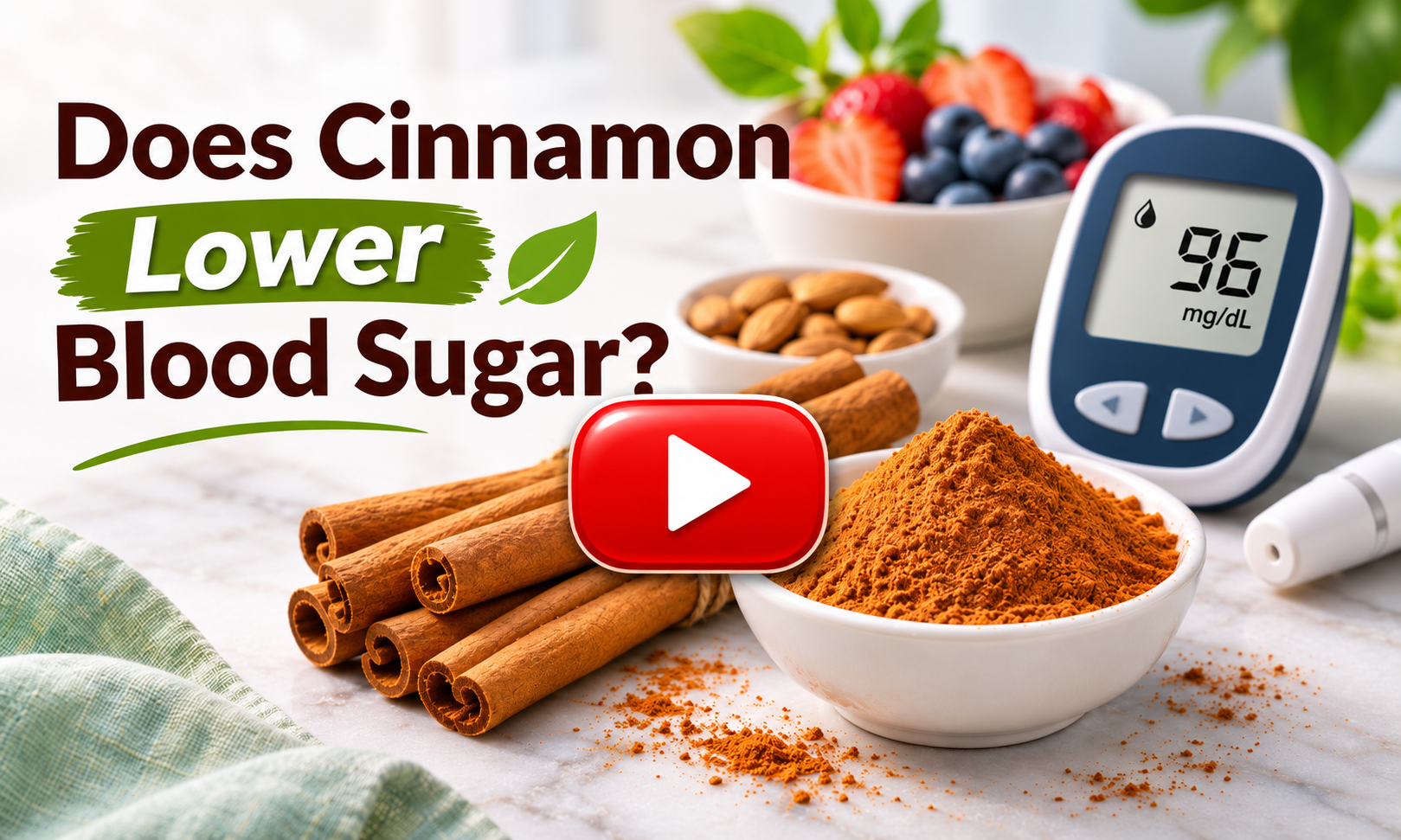
Managing blood sugar is an important part of maintaining energy, supporting metabolic health, and reducing the risk of diabetes-related complications. While balanced nutrition, regular exercise, and healthy lifestyle habits play a major role, natural ingredients like cinnamon have gained considerable attention for their potential blood sugar benefits.
Cinnamon is more than an aromatic spice used in desserts, beverages, and traditional recipes. It contains naturally occurring plant compounds that researchers have investigated for their effects on insulin sensitivity, glucose metabolism, inflammation, and antioxidant protection.
But does cinnamon lower blood sugar? Can adding cinnamon to your daily diet help manage glucose levels naturally? And which type of cinnamon is best for people with diabetes or prediabetes?
This comprehensive guide explores the potential benefits of cinnamon for blood sugar, scientific research, recommended ways to consume it, possible side effects, and practical tips for incorporating it into a blood sugar-friendly lifestyle.
Does Cinnamon Lower Blood Sugar?
Yes, cinnamon may help lower blood sugar levels in some individuals, particularly those with type 2 diabetes or insulin resistance. Research suggests that cinnamon supplementation may improve fasting blood glucose, insulin sensitivity, and certain markers of metabolic health.
A 2024 meta-analysis of 24 randomized controlled trials identified improvements in fasting blood sugar, insulin resistance, and HbA1c among participants with type 2 diabetes who consumed cinnamon supplements.
Cinnamon may support blood sugar management by:
-
Supporting healthy insulin sensitivity.
-
Promoting efficient glucose metabolism.
-
Helping moderate blood sugar fluctuations after meals.
-
Providing antioxidant protection.
-
Supporting healthy metabolic function.
-
Adding natural flavor to foods without additional sugar.
The effects of cinnamon vary between individuals, and researchers have not established a universally effective dose. Cinnamon is best viewed as a complementary dietary ingredient rather than a replacement for prescribed diabetes treatments.
What Is Cinnamon?
Cinnamon is a natural spice obtained from the inner bark of trees belonging to the Cinnamomum genus. When harvested and dried, the bark curls into cinnamon sticks, which can also be ground into a fine powder.
It has been used for centuries in traditional wellness practices and culinary preparations because of its distinctive aroma, warming flavor, and naturally occurring bioactive compounds.
Cinnamon contains several plant compounds, including:
-
Cinnamaldehyde
-
Polyphenols
-
Eugenol
-
Cinnamic acid
-
Proanthocyanidins
-
Flavonoids
Cinnamaldehyde is particularly interesting to researchers because of its potential influence on metabolic processes and cellular signaling.
Unlike many sweet flavoring ingredients, plain cinnamon contains very little sugar when consumed in ordinary culinary amounts, making it a convenient addition to a balanced diet.
How Does Cinnamon Work to Lower Blood Sugar?
Cinnamon may influence several biological processes involved in glucose regulation. Its potential benefits are associated with how the body responds to insulin, processes carbohydrates, and manages oxidative stress.
These proposed mechanisms are still being investigated.
1. May Improve Insulin Sensitivity
Insulin is a hormone that helps transport glucose from the bloodstream into cells, where it can be used for energy.
When cells become less responsive to insulin, glucose can accumulate in the bloodstream. Cinnamon contains compounds that may influence insulin signaling pathways and improve how cells respond to this hormone.
2. Supports Glucose Uptake
Laboratory research suggests that certain cinnamon compounds may influence glucose transport mechanisms, potentially helping muscle and other cells utilize glucose more efficiently.
3. May Slow Carbohydrate Digestion
Certain compounds found in cinnamon may influence enzymes responsible for breaking down carbohydrates into simple sugars. This proposed mechanism could help moderate the rate at which glucose enters the bloodstream after eating.
4. Provides Antioxidant Protection
Cinnamon contains polyphenols that possess antioxidant properties. These compounds help counter oxidative stress, a process associated with several metabolic disorders.
5. May Support Healthy Inflammatory Responses
Persistent inflammation is associated with insulin resistance and metabolic dysfunction. Cinnamon’s naturally occurring compounds are being studied for their potential anti-inflammatory properties.
What Does Scientific Research Say About Cinnamon and Blood Sugar?
Several clinical trials and scientific reviews have examined the relationship between cinnamon consumption and blood glucose management.
Although findings differ across studies, researchers have identified some promising metabolic effects.
A 2019 meta-analysis identified improvements in fasting blood glucose and insulin resistance, although it did not find significant improvements in HbA1c.
A 2020 prediabetes study observed improvements in fasting glucose and glucose tolerance following 12 weeks of cinnamon supplementation.
A 2024 systematic review identified improvements in fasting blood sugar, insulin resistance, and HbA1c across 24 clinical trials.
A 2025 meta-analysis found potential improvements in fasting glucose, fasting insulin, and post-meal glucose, although results varied considerably between studies.
A 2025 umbrella review also identified favorable associations between cinnamon supplementation and metabolic markers, particularly among people with diabetes.
Another systematic review published in Nutrition Reviews found an average reduction in fasting blood glucose of approximately 15.26 mg/dL among participants with type 2 diabetes receiving cinnamon. Results varied considerably between trials.
While these findings are encouraging, the American Diabetes Association’s 2026 Standards of Care do not recommend cinnamon supplementation specifically for blood sugar management because the available research does not establish sufficiently reliable clinical benefits.
Ceylon Cinnamon vs. Cassia Cinnamon: Which Is Better for Blood Sugar?
Not all cinnamon varieties are the same. The two most commonly available types are Ceylon cinnamon and Cassia cinnamon.
Ceylon Cinnamon
Also known as true cinnamon, Ceylon cinnamon comes from Cinnamomum verum. It has a mild, delicate flavor and naturally contains lower amounts of coumarin.
Cassia Cinnamon
Cassia cinnamon is commonly sold as Chinese cinnamon. It has a stronger, spicier flavor and generally contains higher amounts of coumarin.
Ceylon cinnamon is generally the preferred option for frequent consumption because it contains considerably less coumarin, a naturally occurring compound that may cause liver problems when consumed excessively.
This does not necessarily mean Ceylon cinnamon is more effective at lowering blood sugar. Its primary advantage is its lower coumarin content.
7 Potential Health Benefits of Cinnamon for Blood Sugar
1. May Reduce Fasting Blood Sugar
Cinnamon may help improve fasting glucose levels by influencing insulin signaling and glucose utilization. Several clinical studies have observed favorable changes among adults with type 2 diabetes.
2. May Improve Insulin Sensitivity
Naturally occurring cinnamon compounds may support the body’s response to insulin, potentially helping cells use circulating glucose more efficiently.
3. May Moderate Blood Sugar Spikes After Meals
Researchers have explored whether cinnamon can influence carbohydrate digestion and post-meal glucose responses. These effects could contribute to healthier glucose fluctuations.
4. Supports Antioxidant Protection
Cinnamon provides plant-based antioxidants that help protect cells against oxidative stress, which is associated with metabolic health challenges.
5. May Support Heart Health
Some studies have associated cinnamon supplementation with improvements in triglycerides and cholesterol levels, although the results are inconsistent.
6. Helps Reduce Added Sugar Consumption
Cinnamon’s naturally sweet aroma can enhance the flavor of oatmeal, coffee, yogurt, and other foods without requiring additional table sugar.
7. Complements a Healthy Eating Routine
Cinnamon is a versatile, low-calorie ingredient that pairs well with fiber-rich foods, lean proteins, whole grains, and unsweetened beverages.
How Much Cinnamon Should You Take to Lower Blood Sugar?
There is currently no established therapeutic dose of cinnamon for lowering blood sugar.
Clinical studies have investigated different quantities, formulations, and cinnamon varieties. These experimental doses should not automatically be adopted for everyday consumption.
For everyday dietary use, a small pinch or approximately ¼ teaspoon of cinnamon can be added to beverages and meals. People who consume cinnamon frequently may prefer Ceylon cinnamon because of its lower coumarin content.
Taking larger quantities does not necessarily produce better results and may increase the risk of unwanted effects.
Concentrated cinnamon supplements should only be considered after discussing their potential benefits and risks with a healthcare professional.
Best Time to Take Cinnamon for Blood Sugar
There is no scientifically established best time to consume cinnamon for glucose management. You can incorporate it into your meals whenever it suits your routine.
Early Morning: Add cinnamon to unsweetened warm beverages.
Breakfast: Sprinkle it over oatmeal or plain yogurt.
Before Lunch: Enjoy unsweetened cinnamon tea.
Afternoon: Add a small amount to a low-sugar smoothie.
Dinner: Use cinnamon as a seasoning in savory dishes.
Before Bed: Add a pinch to unsweetened milk if desired.
Consistency in healthy eating habits is more important than consuming cinnamon at a particular time of day.
7 Best Ways to Use Cinnamon for Blood Sugar
Cinnamon can easily be incorporated into everyday meals without making significant changes to your existing diet.
1. Cinnamon in Oatmeal
Sprinkle cinnamon over cooked oats and combine with nuts and seeds for a fiber-rich breakfast.
2. Cinnamon in Greek Yogurt
Mix cinnamon with plain Greek yogurt and fresh berries for a nutritious snack containing protein and fiber.
3. Cinnamon Tea
Steep a cinnamon stick in hot water to prepare a simple, naturally flavored beverage without added sugar.
4. Cinnamon Coffee
Add a small pinch of cinnamon to your coffee instead of using flavored sugar syrups.
5. Cinnamon Smoothies
Blend cinnamon with unsweetened milk, berries, chia seeds, and other nutritious ingredients.
6. Cinnamon with Apple Slices
Sprinkle cinnamon over sliced apples and pair them with unsweetened nut butter for a satisfying snack.
7. Cinnamon in Savory Meals
Add cinnamon to lentils, soups, curries, and roasted vegetables to enhance their flavor.
Avoid combining cinnamon with excessive honey, maple syrup, brown sugar, or sweetened beverages, as these additions can increase the carbohydrate content of your meal.
How to Make Cinnamon Water for Blood Sugar
Cinnamon water is a simple, refreshing alternative to sugar-sweetened beverages.
Ingredients:
-
1 cup of water
-
1 small Ceylon cinnamon stick
-
A few drops of lemon juice (optional)
No added sugar is required.
Preparation:
-
Bring one cup of water to a boil.
-
Add the cinnamon stick.
-
Simmer gently for 5–10 minutes.
-
Remove from the heat and allow it to cool.
-
Remove the cinnamon stick and enjoy warm or chilled.
Cinnamon water can help replace sugary drinks, but it should not be considered a treatment for elevated blood glucose.
Best Foods to Eat Alongside Cinnamon for Blood Sugar
Pairing cinnamon with foods rich in fiber, protein, and healthy fats can help create more balanced meals.
Oats: Provide soluble fiber that supports slower carbohydrate absorption.
Chia Seeds: Supply dietary fiber and healthy fats.
Almonds: Provide protein, healthy fats, and magnesium.
Greek Yogurt: Offers protein when consumed without added sugar.
Berries: Provide fiber and naturally occurring antioxidants.
Avocados: Supply healthy fats and dietary fiber.
Lentils: Provide plant protein and complex carbohydrates.
Walnuts: Support balanced nutrition and cardiovascular health.
Flaxseeds: Supply fiber and plant-based omega-3 fatty acids.
Apples: Provide dietary fiber when eaten whole.
Combining carbohydrates with protein, fiber, or healthy fats can help slow the rise in blood glucose after eating.
Cinnamon Powder vs. Cinnamon Supplements
Cinnamon is available in several forms, including whole sticks, ground powder, capsules, and concentrated extracts.
Cinnamon powder is a practical choice for enhancing everyday meals. It is generally affordable, easy to use, and suitable for ordinary culinary purposes.
Cinnamon supplements provide concentrated amounts of cinnamon compounds. However, their concentration and quality can vary depending on the formulation and manufacturer.
Concentrated supplements may carry additional risks, particularly for people taking diabetes medications or those with existing liver conditions.
For most people interested in adding cinnamon to their diet, ordinary culinary use is a practical starting point.
Does Cinnamon Help With Prediabetes?
Cinnamon has been investigated as a potential complementary ingredient for people with prediabetes.
A randomized controlled trial published in 2020 found favorable changes in fasting glucose and glucose tolerance following 12 weeks of cinnamon supplementation among participants with prediabetes.
These findings suggest potential metabolic benefits, but larger and longer studies are necessary to determine whether cinnamon can meaningfully reduce the risk of progressing to type 2 diabetes.
People with prediabetes should prioritize balanced nutrition, physical activity, healthy weight management where appropriate, and regular blood sugar testing.
How Long Does Cinnamon Take to Lower Blood Sugar?
Cinnamon is not a fast-acting treatment for high blood sugar. Research has generally evaluated its effects over several weeks or months rather than hours.
During the first few days, there is no predictable glucose-lowering effect.
After one to two weeks, it may still be too early to establish consistent benefits.
Some clinical trials evaluate glucose changes after four to eight weeks of supplementation. Other studies examine fasting glucose and longer-term markers after eight to twelve weeks.
However, there is no established timeline for cinnamon to produce measurable blood sugar improvements.
Individual responses depend on dietary habits, physical activity, underlying health conditions, medication use, and other factors.
Cinnamon Side Effects and Safety
Cinnamon is generally well tolerated when consumed in normal food quantities. Excessive consumption or concentrated supplementation may increase the likelihood of side effects.
Small culinary amounts of cinnamon are generally suitable for most adults.
Excessive intake may cause digestive discomfort, nausea, mouth irritation, or allergic reactions.
Prolonged excessive Cassia cinnamon consumption may contribute to liver damage because of its relatively high coumarin content. Concentrated supplements may also interact with medications.
The National Center for Complementary and Integrative Health highlights concerns regarding excessive coumarin exposure from Cassia cinnamon.
Avoid swallowing dry spoonfuls of cinnamon, as inhaling the powder can cause serious respiratory irritation.
Who Should Be Extra Careful When Using Cinnamon?
Although cinnamon is commonly used in cooking, certain individuals should take additional precautions.
People taking insulin or glucose-lowering medications should consult their healthcare providers before using concentrated cinnamon supplements because of potential effects on blood glucose.
Individuals with liver disease should be particularly careful about excessive Cassia cinnamon consumption.
Pregnant or breastfeeding women should seek medical advice before using cinnamon supplements.
People with cinnamon allergies should avoid products containing the ingredient.
Individuals taking multiple medications should discuss regular supplement use with a healthcare professional to check for possible interactions.
Never discontinue or reduce prescribed diabetes medication without consulting your healthcare professional.
Natural Ways to Improve Blood Sugar Alongside Cinnamon
Adding cinnamon to your diet may complement a broader approach to metabolic wellness. The following lifestyle habits offer more established benefits for blood sugar management.
Eat More Fiber-Rich Foods
Include vegetables, legumes, whole fruits, seeds, and whole grains to support healthy digestion and glucose regulation.
Walk After Meals
A short walk following meals can help muscles utilize circulating glucose and may improve post-meal blood sugar responses.
Reduce Refined Carbohydrates
Replace sugary cereals, sweetened drinks, white bread, and highly processed snacks with more nutritious alternatives.
Prioritize Protein
Include eggs, fish, tofu, lentils, or other protein-rich foods to create satisfying, balanced meals.
Stay Hydrated
Choose water and unsweetened beverages instead of drinks containing added sugar.
Get Enough Sleep
Aim for seven to nine hours of quality sleep each night to support metabolic health and normal hormonal function.
Monitor Your Blood Sugar
Regular monitoring, when recommended by your healthcare provider, helps you understand how meals, physical activity, and medications influence glucose levels.
Conclusion:
Cinnamon is a flavorful, versatile spice that may offer complementary benefits for metabolic health. Scientific research has explored its potential to improve fasting blood glucose, insulin sensitivity, glucose metabolism, and antioxidant protection.
Ceylon cinnamon is generally the preferred variety for frequent culinary use because of its naturally lower coumarin content. Adding small amounts to oatmeal, yogurt, smoothies, tea, and balanced meals is an easy way to incorporate it into your daily routine.
While cinnamon shows promising research findings, its effectiveness as a diabetes treatment remains uncertain. The most reliable approach to healthy blood sugar management combines nutritious foods, regular physical activity, adequate sleep, appropriate medical care, and consistent glucose monitoring.
Ultimately, cinnamon can be a valuable addition to a healthy lifestyle, but it should complement—not replace—established blood sugar management strategies.
