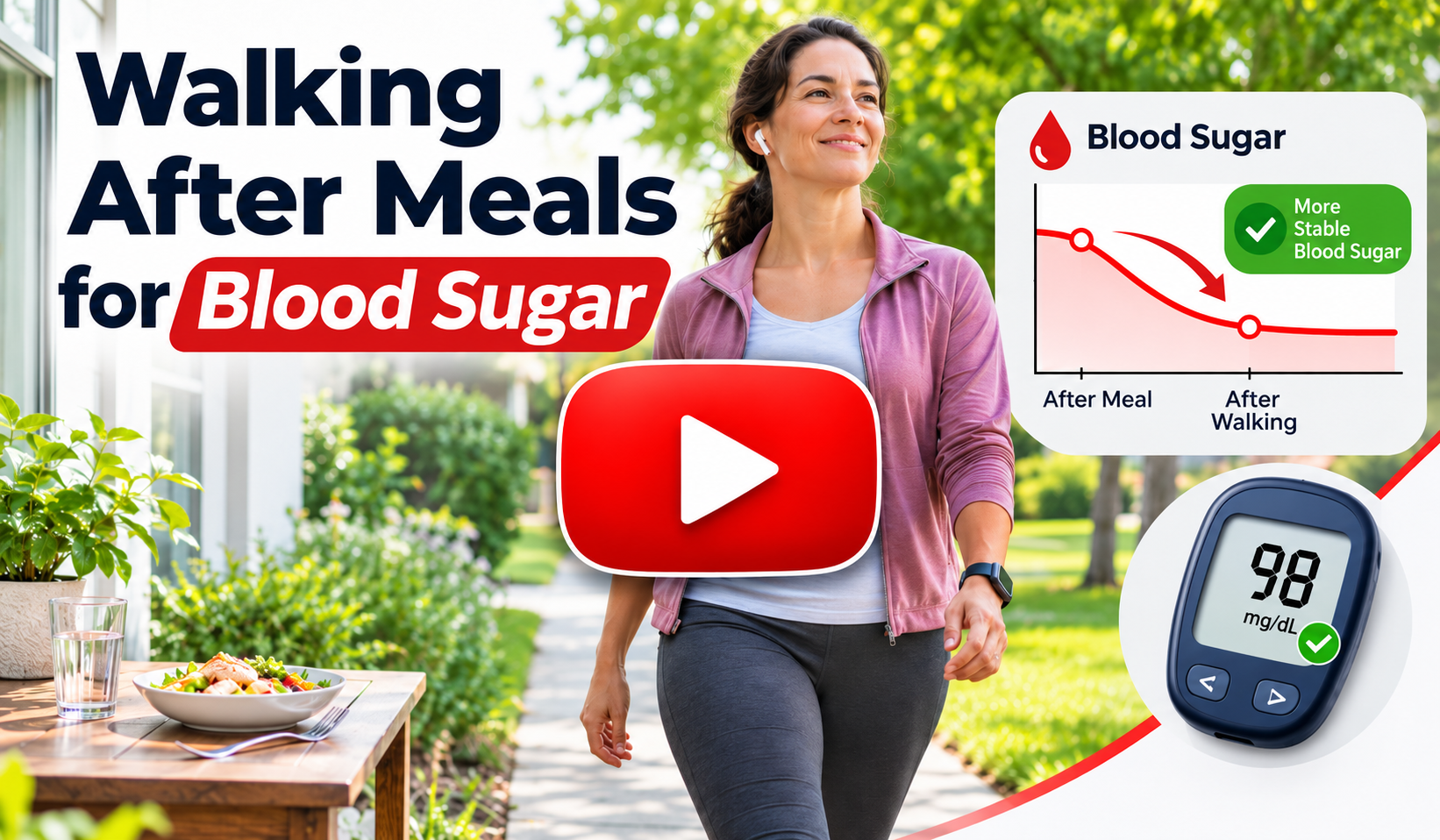

Managing blood sugar doesn’t always require complicated exercise routines or major lifestyle changes. Sometimes, a simple habit like taking a short walk after eating can make a meaningful difference in how your body processes glucose.
Walking after meals for blood sugar management helps your muscles use circulating glucose for energy, potentially reducing post-meal blood sugar spikes and supporting insulin sensitivity. It is an accessible activity that can easily fit into most daily routines.
Whether you are living with type 2 diabetes, managing prediabetes, or simply looking to maintain healthier blood sugar levels, incorporating post-meal walking into your lifestyle may offer several metabolic benefits.
The timing, duration, and intensity of your walk can influence its effectiveness. Understanding these factors can help you get more value from this simple activity without making exercise feel overwhelming.
What Is Walking After Meals for Blood Sugar?
Walking after meals is a form of low-impact physical activity performed shortly after breakfast, lunch, or dinner to support glucose metabolism.
When you consume carbohydrates, your digestive system breaks them down into glucose, which enters the bloodstream. Your body releases insulin to help transport glucose into cells, where it can be used for energy or stored for later use.
Physical activity encourages working muscles to absorb glucose from the bloodstream. Even a brief walk can increase muscular glucose uptake and help moderate the rise in blood sugar following a meal.
Unlike demanding workouts, post-meal walking generally involves light or moderate movement. It requires no specialized equipment, gym membership, or advanced fitness experience.
Making this activity a consistent habit may complement a balanced diet, regular exercise, and an appropriate diabetes management plan.
How Does Walking After Meals Help Lower Blood Sugar?
Your muscles play an important role in regulating blood glucose. When you walk, muscle contractions increase energy demand, encouraging your body to use glucose more efficiently.
Post-meal walking supports blood sugar management through several mechanisms:
-
Increases glucose uptake: Active muscles absorb circulating glucose and use it to produce energy.
-
Supports insulin sensitivity: Regular physical activity helps cells respond more effectively to insulin.
-
Reduces post-meal glucose spikes: Movement encourages glucose utilization while food is being digested.
-
Supports energy metabolism: Walking helps the body use carbohydrates and fats as energy sources.
-
Reduces sedentary time: Replacing prolonged sitting with movement supports overall metabolic health.
Muscle contractions can also stimulate glucose uptake through pathways that do not depend entirely on insulin. This makes physical activity particularly valuable for people experiencing insulin resistance.
Health Benefits of Walking After Meals for Blood Sugar
Post-meal walking offers benefits that extend beyond glucose management. Practicing this habit regularly may contribute to better physical and metabolic health.
1. Helps Reduce Blood Sugar Spikes
Blood sugar naturally rises after eating, particularly following meals containing refined carbohydrates or added sugars.
A short walk encourages muscles to use some of this circulating glucose, potentially reducing the magnitude of post-meal blood sugar increases.
2. Improves Insulin Sensitivity
Insulin resistance occurs when cells become less responsive to insulin, making blood sugar regulation more challenging.
Regular walking can improve insulin sensitivity, allowing the body to manage glucose more efficiently and supporting healthier metabolic function.
3. Supports Healthy Weight Management
Walking increases daily energy expenditure without requiring strenuous exercise. Multiple short walks throughout the day can contribute to an active lifestyle and support gradual weight management when combined with balanced eating.
4. Promotes Cardiovascular Health
Consistent walking supports healthy circulation, cardiovascular fitness, and blood pressure management. These benefits are particularly important because diabetes and cardiovascular disease share several risk factors.
5. May Support Digestive Comfort
Gentle walking after eating may encourage digestive movement and help some people experience less fullness or bloating. Keeping the pace comfortable is especially important after a large meal.
6. Supports Long-Term Blood Sugar Management
Regular physical activity can contribute to better long-term glucose control. When combined with nutritious meals, quality sleep, and appropriate medical care, walking may help improve overall diabetes management.
7. Promotes Mental Well-Being
Taking a relaxing walk can help relieve everyday stress, improve mood, and create a refreshing break from work or household responsibilities.
What Does Science Say About Walking After Meals?
Several studies have explored the relationship between post-meal physical activity and glucose regulation.
A 2016 randomized crossover study involving 41 adults with type 2 diabetes compared walking for 10 minutes after each main meal with completing one 30-minute daily walk at an unspecified time.
The researchers found that walking after individual meals was more effective at managing post-meal glucose levels, with particularly noticeable benefits following the evening meal.
A 2023 systematic review also found that exercising shortly after eating generally produced more favorable immediate glucose responses than exercising before meals or remaining inactive.
Additionally, a small 2025 study involving healthy young adults found that a comfortable 10-minute walk immediately following glucose consumption reduced average glucose levels compared with resting.
These findings highlight how the timing of physical activity can influence blood sugar management, even when exercise sessions are relatively short.
When Is the Best Time to Walk After Eating for Blood Sugar?
For most people, starting a gentle walk immediately or within approximately 30 minutes after finishing a meal is a practical approach.
During this period, digestion is underway, and glucose begins entering the bloodstream. Walking may help muscles utilize glucose as it becomes available.
Best Post-Meal Walking Schedule
An illustrative daily routine for blood sugar management includes:
Walking After Breakfast
-
Meal time: 8:00 AM
-
Walking time: 8:10–8:20 AM
-
Duration: 10 minutes
A morning walk can encourage glucose utilization following breakfast while helping you begin the day with physical activity.
Walking After Lunch
-
Meal time: 1:00 PM
-
Walking time: 1:10–1:20 PM
-
Duration: 10 minutes
Walking after lunch helps interrupt prolonged sitting, especially for people who spend most of their working day at a desk.
Walking After Dinner
-
Meal time: 7:00 PM
-
Walking time: 7:10–7:20 PM
-
Duration: 10 minutes
An evening walk may be particularly beneficial for people who consume their largest or most carbohydrate-rich meal at dinner.
Total Daily Walking: 30 Minutes
Consistency matters more than following an exact schedule. Choose a routine that fits your lifestyle and digestive comfort.
How Long Should You Walk After Meals to Lower Blood Sugar?
Walking for approximately 10–15 minutes after meals is a practical starting point for many adults. Even shorter periods of activity can be worthwhile, especially for people who are new to exercise.
Different walking durations may offer the following benefits:
-
2–5 minutes: Interrupts sitting and encourages muscle activity.
-
5–10 minutes: Supports post-meal glucose utilization.
-
10–15 minutes: Provides a practical routine for managing glucose spikes.
-
15–20 minutes: Supports glucose metabolism and daily fitness.
-
20–30 minutes: Contributes to broader physical activity goals.
You do not need to exhaust yourself to experience the benefits of movement. Start with a manageable duration and gradually increase it as your fitness and comfort improve.
How Fast Should You Walk After Eating?
A light-to-moderate walking pace is generally suitable for post-meal exercise.
The goal is to activate your muscles without causing digestive discomfort, excessive fatigue, or unnecessary physical strain.
You can use the following approaches to determine a comfortable intensity:
-
Slow walking: Suitable for beginners, older adults, or people who have recently eaten a large meal.
-
Moderate walking: A steady pace that increases breathing slightly while allowing comfortable conversation.
-
Brisk walking: An option for physically active individuals who tolerate faster movement after eating.
-
Indoor walking: A convenient alternative when outdoor conditions are unsuitable.
Avoid immediately beginning strenuous workouts, running, or intense interval training after a heavy meal if these activities cause discomfort.
Walking Before vs. After Meals for Blood Sugar
Both pre-meal and post-meal walking can contribute to better health. Their immediate effects on glucose levels may differ depending on timing, intensity, and individual metabolic responses.
Walking before meals supports general metabolic health and physical fitness. In contrast, walking after meals may provide more immediate benefits by helping muscles use glucose circulating after eating.
Research generally favors post-meal movement for reducing immediate glucose excursions, while walking before meals remains beneficial for overall fitness.
Is Walking After Meals Good for People With Diabetes?
Walking after meals can be a valuable lifestyle habit for individuals managing diabetes.
Type 2 Diabetes
People with type 2 diabetes may benefit from increased muscular glucose uptake and improved insulin sensitivity. Short walks after meals can complement prescribed treatment and dietary changes.
Prediabetes
Regular walking supports metabolic health and can form part of a broader lifestyle strategy focused on reducing the risk of developing type 2 diabetes.
Type 1 Diabetes
Walking may also benefit people with type 1 diabetes, but exercise-related glucose changes require additional attention. Insulin use, meal composition, and current glucose levels can influence the risk of hypoglycemia.
Gestational Diabetes
Gentle post-meal walking may support blood sugar management during pregnancy when approved by a healthcare professional.
People taking insulin or medications that can cause low blood sugar should discuss appropriate exercise routines and monitoring requirements with their healthcare team.
Can Walking After Meals Help Lower A1C?
Hemoglobin A1C reflects average blood glucose levels over approximately two to three months.
Since post-meal glucose increases contribute to overall blood sugar exposure, regularly managing these increases through physical activity may support healthier A1C levels over time.
The effectiveness of walking depends on several factors, including:
-
Frequency and duration of physical activity.
-
Overall dietary habits.
-
Existing insulin resistance.
-
Diabetes medications and treatment plans.
-
Sleep quality and stress management.
-
Consistency over several weeks or months.
Walking is not an immediate solution for elevated A1C. Its greatest value comes from becoming part of a sustainable, long-term glucose management strategy.
7-Day Walking Plan for Better Blood Sugar Management
If you are new to regular exercise, begin gradually rather than attempting long walking sessions immediately.
Monday
-
After breakfast: 5 minutes.
-
After lunch: 5 minutes.
-
After dinner: 5 minutes.
Tuesday
-
After breakfast: 5 minutes.
-
After lunch: 5 minutes.
-
After dinner: 10 minutes.
Wednesday
-
After breakfast: 5 minutes.
-
After lunch: 10 minutes.
-
After dinner: 10 minutes.
Thursday
-
After breakfast: 10 minutes.
-
After lunch: 10 minutes.
-
After dinner: 10 minutes.
Friday
-
After breakfast: 10 minutes.
-
After lunch: 10 minutes.
-
After dinner: 10 minutes.
Saturday
-
After breakfast: 10 minutes.
-
After lunch: 10 minutes.
-
After dinner: 15 minutes.
Sunday
-
After breakfast: 10 minutes.
-
After lunch: 10 minutes.
-
After dinner: 15 minutes.
This beginner-friendly schedule is an example rather than an individualized exercise prescription. Adjust the duration based on your fitness level, mobility, medical conditions, and glucose response.
Best Foods to Combine With Post-Meal Walking
Walking after meals works best when combined with balanced eating habits. Choosing fiber-rich foods, lean proteins, and healthy fats can help moderate glucose absorption and support lasting energy.
Consider including the following foods in your meals:
-
Leafy vegetables: Spinach, kale, and lettuce provide fiber and essential nutrients.
-
Whole grains: Oats, quinoa, and barley support gradual carbohydrate absorption.
-
Lean proteins: Eggs, fish, chicken, and tofu promote fullness.
-
Healthy fats: Avocado, nuts, and olive oil support balanced nutrition.
-
Legumes: Lentils, chickpeas, and beans provide fiber and plant protein.
-
Whole fruits: Apples, berries, and pears supply fiber and micronutrients.
-
Unsweetened dairy: Plain Greek yogurt provides protein and calcium.
A post-meal walk should complement nutritious food choices rather than serve as a way to compensate for excessive sugar consumption.
Simple Alternatives to Walking After Meals
Outdoor walking is not always possible because of weather, mobility limitations, or busy schedules. Fortunately, other gentle activities can help reduce sedentary time.
Practical alternatives include:
-
Indoor walking.
-
Marching in place.
-
Light household chores.
-
Gentle seated exercises.
-
Stationary cycling.
-
Walking around your workplace.
Even brief movement breaks can help activate muscles. The most suitable activity is one that you can perform safely and consistently.
Common Mistakes to Avoid When Walking After Meals
Although post-meal walking is relatively straightforward, certain mistakes can make the habit less effective or uncomfortable.
Waiting Too Long: Delaying movement for several hours may reduce its immediate influence on post-meal glucose increases.
Walking Too Intensely: Strenuous activity immediately after eating may cause nausea, cramping, or digestive discomfort.
Being Inconsistent: Occasional walking is beneficial, but regular activity offers greater opportunities for metabolic improvements.
Ignoring Hydration: Inadequate fluid intake can contribute to fatigue and discomfort during exercise.
Neglecting Blood Sugar Monitoring: People taking insulin or certain diabetes medications may need to monitor glucose before and after activity.
Wearing Unsuitable Footwear: Supportive shoes are particularly important for individuals with diabetes-related foot problems.
Depending Entirely on Walking: Physical activity should complement balanced nutrition, medical treatment, and other healthy lifestyle practices.
Who Should Be Careful When Walking After Meals?
Post-meal walking is generally well tolerated, but some individuals may require additional precautions.
Insulin-Treated Diabetes: Monitor glucose and carry fast-acting carbohydrates to manage potential low blood sugar.
Frequent Hypoglycemia: Follow an individualized exercise safety plan recommended by your healthcare professional.
Diabetic Neuropathy: Wear protective footwear and inspect your feet regularly for blisters, cuts, or injuries.
Active Foot Ulcers: Seek medical advice about suitable non-weight-bearing activities.
Heart Disease: Follow healthcare-approved exercise intensity and duration recommendations.
Balance or Mobility Problems: Choose safe walking surfaces or supported movement to reduce the risk of falls.
Severe Hyperglycemia With Ketones: Avoid exercise and seek medical guidance.
If blood sugar falls below 70 mg/dL, stop exercising and treat the low blood sugar before resuming activity. Seek urgent medical attention if you experience chest pain, fainting, severe shortness of breath, or confusion.
Lifestyle Habits That Enhance the Benefits of Post-Meal Walking
Maintaining healthy blood sugar involves more than exercise alone. Combining walking with supportive daily habits can create a more comprehensive approach to metabolic wellness.
-
Eat balanced meals: Include fiber, protein, and appropriate carbohydrate portions.
-
Stay hydrated: Drink adequate water throughout the day.
-
Prioritize sleep: Aim for seven to nine hours of quality sleep when possible.
-
Manage stress: Practice relaxation techniques, meditation, or gentle breathing exercises.
-
Reduce prolonged sitting: Take regular movement breaks during work and leisure activities.
-
Include strength training: Resistance exercises can support muscle health and glucose metabolism.
-
Monitor blood sugar: Follow your healthcare professional’s recommendations for tracking glucose.
Together, these habits can support healthier glucose regulation and overall physical well-being.
Final Thoughts
Walking after meals for blood sugar management is one of the simplest lifestyle habits you can incorporate into your daily routine. It requires minimal preparation, accommodates different fitness levels, and offers benefits for glucose metabolism, cardiovascular health, and overall wellness.
Starting with a comfortable 10–15-minute walk after breakfast, lunch, or dinner may help reduce post-meal glucose spikes and support healthier insulin responsiveness.
The key is consistency rather than intensity. Even small amounts of daily movement can contribute to a healthier, more active lifestyle.
When combined with nutritious meals, adequate sleep, proper hydration, and appropriate medical care, post-meal walking can become a valuable part of your long-term blood sugar management strategy.
