Blood Sugar Supplement Ingredients: Exploring Natural Herbs and Essential Nutrients for Healthy Blood Sugar and Glucose Metabolism

Maintaining healthy blood sugar levels is an important part of supporting energy, metabolic health, weight management, and overall well-being. While balanced nutrition, regular physical activity, and quality sleep remain essential, many people also explore dietary supplements to support healthy glucose metabolism.
Blood sugar supplements often contain a combination of herbal extracts, essential minerals, vitamins, antioxidants, and plant-based nutrients. These ingredients may support different processes involved in insulin sensitivity, carbohydrate metabolism, and glucose absorption.
Not all ingredients offer the same benefits. Some have been studied extensively, while others are still being investigated for their potential role in metabolic wellness.
Understanding the most common blood sugar supplement ingredients, how they work, their potential benefits, and their safety considerations can help you make more informed decisions about your daily wellness routine.
What Are Blood Sugar Supplement Ingredients?
Blood sugar supplement ingredients are nutrients and botanical extracts included in dietary formulas intended to support healthy glucose metabolism and normal insulin function.
These ingredients may influence how the body processes carbohydrates, converts glucose into energy, and responds to insulin. Certain plant extracts may also slow carbohydrate digestion, while minerals help support normal metabolic functions.
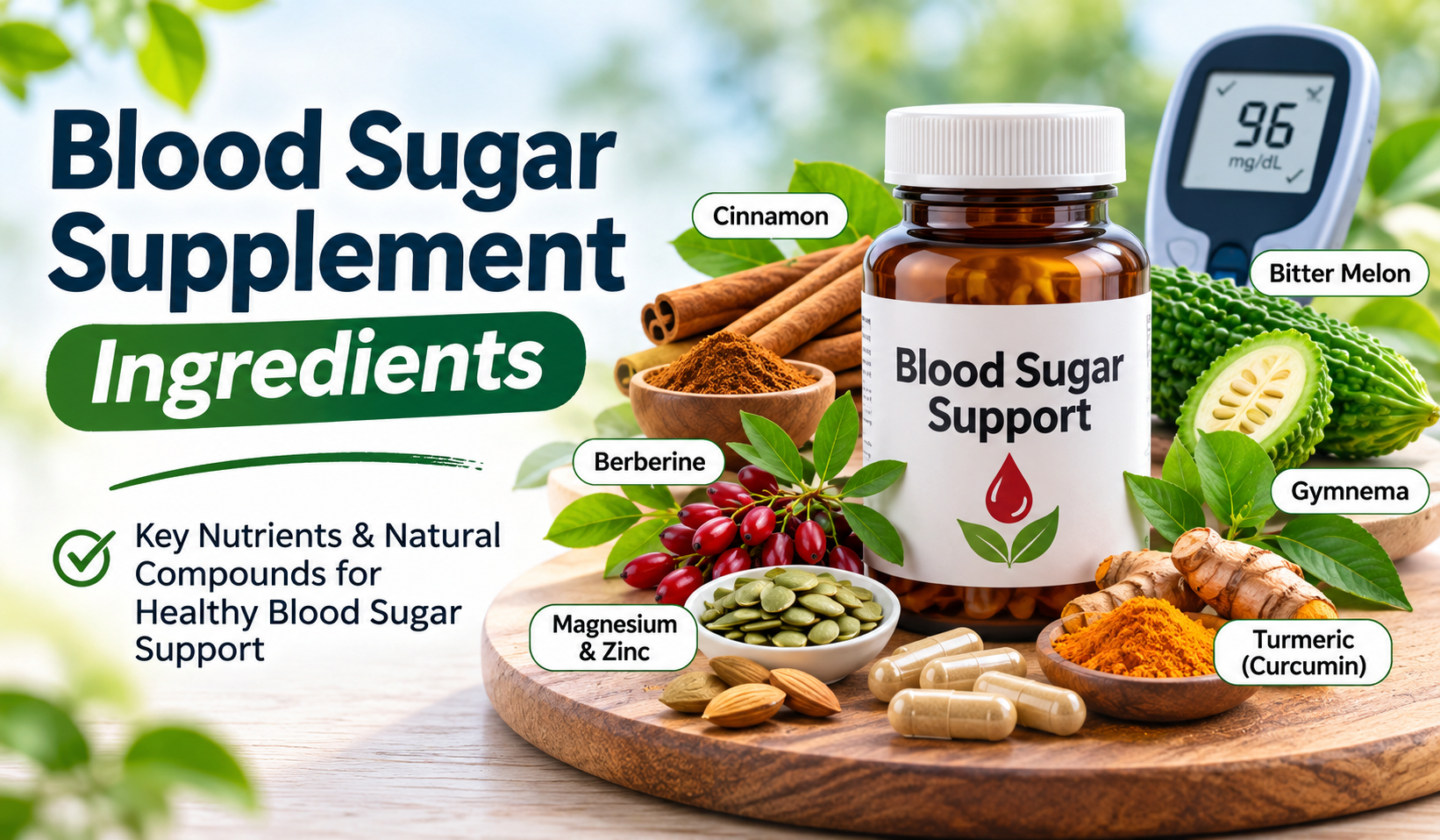
Blood sugar support formulas commonly contain ingredients such as berberine, cinnamon, chromium, bitter melon, gymnema sylvestre, magnesium, and alpha-lipoic acid.
The effectiveness of these ingredients can vary depending on their dosage, quality, formulation, and an individual’s health status.
Blood sugar supplements are intended to complement healthy lifestyle habits rather than replace prescribed diabetes treatments or medical care.
How Do Blood Sugar Supplement Ingredients Work?
When you eat carbohydrates, your digestive system breaks them down into glucose. Your pancreas releases insulin, which helps move glucose from the bloodstream into cells, where it can be used for energy.
Blood sugar supplement ingredients are commonly studied for their potential effects on several processes:
-
Insulin sensitivity: Helping cells respond more efficiently to insulin.
-
Glucose metabolism: Supporting the body’s ability to process glucose for energy.
-
Carbohydrate digestion: Slowing the breakdown and absorption of certain carbohydrates.
-
Liver glucose production: Influencing pathways involved in glucose production.
-
Antioxidant protection: Helping protect cells against oxidative stress.
-
Nutritional balance: Providing minerals and nutrients involved in metabolic functions.
These mechanisms vary considerably between ingredients. A potential biological benefit does not necessarily mean an ingredient will produce meaningful improvements in blood sugar levels.
15 Common Blood Sugar Supplement Ingredients
1. Berberine
Berberine is a naturally occurring plant compound found in barberry, goldenseal, and Oregon grape. It is one of the more widely researched botanical ingredients in blood sugar support formulas.
Berberine influences metabolic pathways, including AMP-activated protein kinase (AMPK), which is involved in cellular energy regulation.
Potential benefits:
-
May support glucose metabolism.
-
May improve insulin sensitivity.
-
May support healthy cholesterol levels.
-
May help improve fasting blood glucose in some adults.
Berberine can cause digestive discomfort and interact with medications. It should be avoided during pregnancy and breastfeeding.
2. Cinnamon Bark Extract
Cinnamon is a familiar kitchen spice that contains naturally occurring polyphenols and antioxidants. Its extracts are frequently included in metabolic health formulas.
Researchers have explored cinnamon’s potential influence on insulin signaling, glucose uptake, and fasting blood sugar.
Ceylon cinnamon and cassia cinnamon are two commonly available varieties. Ceylon cinnamon generally contains less coumarin, a naturally occurring substance that may affect liver health when consumed excessively.
Clinical research on cinnamon supplementation has produced varying results.
3. Chromium Picolinate
Chromium is a trace mineral associated with carbohydrate, protein, and fat metabolism. Chromium picolinate is a commonly used form in nutritional formulas.
Chromium has been studied for its potential role in insulin activity and glucose utilization.
Some studies suggest possible metabolic benefits, while others have found no significant improvements in blood sugar measurements. Taking chromium alongside diabetes medications may increase the risk of hypoglycemia.
4. Gymnema Sylvestre
Gymnema sylvestre is a climbing plant traditionally used in Ayurvedic wellness practices.
Its leaves contain gymnemic acids, which can temporarily reduce the perception of sweetness when they come into contact with taste receptors.
Researchers are also investigating its potential effects on intestinal glucose absorption and metabolic function.
Gymnema is commonly included in formulas intended to support glucose balance and sugar craving management, although its long-term clinical effectiveness remains uncertain.
5. Bitter Melon
Bitter melon, scientifically known as Momordica charantia, is a tropical fruit used in traditional diets and herbal preparations.
It contains naturally occurring plant substances, including charantin and various polyphenols.
Bitter melon has been studied for its potential influence on glucose uptake, insulin activity, and carbohydrate metabolism.
Its effects can vary between whole-food preparations and concentrated extracts. People taking blood sugar medications should discuss its use with their healthcare provider.
6. Alpha-Lipoic Acid (ALA)
Alpha-lipoic acid is an antioxidant naturally produced by the body. It participates in mitochondrial processes that convert nutrients into usable energy.
ALA has also been studied in connection with insulin sensitivity, oxidative stress, and diabetic nerve discomfort.
Its antioxidant properties make it a common ingredient in metabolic and nerve health formulas. Research has not established consistent benefits for long-term blood sugar control.
7. Magnesium
Magnesium is an essential mineral involved in hundreds of biological processes, including energy production, muscle function, and glucose regulation.
Adequate magnesium intake is important for normal metabolic function, particularly for individuals who have low magnesium levels.
Natural sources include spinach, almonds, pumpkin seeds, black beans, and whole grains.
Magnesium supplementation may be appropriate when dietary intake is insufficient or a deficiency is identified.
8. Fenugreek Seed Extract
Fenugreek is an herb traditionally used in cooking and herbal wellness practices. Its seeds contain soluble fiber, saponins, and naturally occurring amino acids.
The soluble fiber in fenugreek may slow carbohydrate digestion and influence post-meal glucose absorption.
Fenugreek has also been investigated for its potential effects on insulin function and metabolic health.
Concentrated supplements may cause bloating, diarrhea, or allergic reactions in sensitive individuals.
9. Banaba Leaf Extract
Banaba is a tropical plant whose leaves contain corosolic acid and other naturally occurring plant substances.
Corosolic acid has been investigated for its potential influence on cellular glucose uptake and glucose metabolism.
Banaba leaf extract is frequently combined with cinnamon, chromium, and gymnema in multi-ingredient formulations.
Larger, well-designed human studies are needed to establish its effectiveness and long-term safety.
10. Mulberry Leaf Extract
Mulberry leaves contain 1-deoxynojirimycin (DNJ), a plant substance studied for its effects on enzymes involved in carbohydrate digestion.
By slowing the breakdown of certain carbohydrates, mulberry leaf extract may influence how quickly glucose enters the bloodstream after meals.
Its potential effects are particularly relevant to research on post-meal blood sugar responses.
11. Ginseng
Ginseng is a traditional herbal ingredient containing active plant substances known as ginsenosides.
Different varieties, including American ginseng and Asian ginseng, have been studied for their effects on energy metabolism, insulin activity, and glucose regulation.
Ginseng may interact with medications and cause insomnia or digestive discomfort in some individuals.
Its effects depend on the plant variety, preparation, and dosage used.
12. Turmeric and Curcumin
Curcumin is a naturally occurring substance found in turmeric, recognized for its antioxidant and anti-inflammatory properties.
Researchers have investigated curcumin’s relationship with metabolic inflammation, insulin resistance, and cellular health.
Curcumin absorption varies significantly between supplement formulations. Enhanced-absorption formulas may also have different safety considerations.
Turmeric can be included in a balanced diet, but concentrated curcumin supplements should not be considered a diabetes treatment.
13. Green Tea Extract
Green tea contains catechins, including epigallocatechin gallate (EGCG), which have been studied for their antioxidant and metabolic properties.
Green tea extracts are frequently included in supplements designed to support energy metabolism and weight management.
Some formulations contain caffeine, which may affect sleep, heart rate, and individual glucose responses.
Highly concentrated green tea extracts have also been associated with rare liver injuries.
13. Zinc
Zinc is an essential mineral that contributes to immune function, protein synthesis, and normal cellular activity.
It also participates in processes related to insulin production, storage, and secretion.
Foods naturally rich in zinc include pumpkin seeds, chickpeas, seafood, meat, and dairy products.
Maintaining adequate zinc intake supports general health, while excessive supplementation can interfere with copper absorption.
15. Soluble Fiber
Soluble fiber is among the most practical nutritional ingredients for supporting healthy post-meal glucose responses.
Common supplemental sources include psyllium husk, oat beta-glucan, and certain plant fibers.
Viscous soluble fiber forms a gel-like substance during digestion, helping slow nutrient absorption.
Increasing fiber intake gradually and drinking sufficient water can help minimize digestive discomfort.
What Are the Best Ingredients to Look for in a Blood Sugar Supplement?
The most suitable ingredients depend on your nutritional needs, current glucose levels, medical history, and medications.
Berberine, cinnamon, and chromium have received considerable research attention. Magnesium may be particularly relevant when an individual has inadequate magnesium intake, while soluble fiber offers a practical way to support healthier eating patterns and post-meal glucose responses.
A supplement containing more ingredients is not automatically more effective. Appropriate dosages, ingredient quality, and safety are more important than the length of the ingredient list.
The American Diabetes Association does not recommend routine herbal or micronutrient supplementation for improving glucose control in people with diabetes who do not have an underlying nutritional deficiency.
Potential Benefits of Blood Sugar Support Ingredients
Supports Normal Glucose Metabolism
Certain nutrients participate in the biological processes that help the body break down carbohydrates and convert glucose into usable cellular energy.
Supports Healthy Insulin Function
Minerals and botanical extracts have been investigated for their potential effects on insulin signaling and the body’s responsiveness to insulin.
Supports Post-Meal Blood Sugar Balance
Soluble fiber and certain botanical extracts may slow carbohydrate digestion, potentially influencing the speed at which glucose enters the bloodstream following meals.
Provides Antioxidant Support
Ingredients such as alpha-lipoic acid, cinnamon, green tea, and curcumin contain or provide antioxidant activity that may help protect cells from oxidative stress.
Helps Address Nutritional Gaps
Supplements containing essential minerals may help individuals address inadequate nutrient intake when dietary changes alone are insufficient or a nutritional deficiency has been identified.
Natural Food Sources of Blood Sugar Support Ingredients
Many beneficial nutrients can be obtained directly from everyday foods.
Cinnamon: Contains naturally occurring polyphenols.
Spinach: Provides magnesium and other essential nutrients.
Pumpkin seeds: Supply magnesium, zinc, and healthy fats.
Oats: Contain beta-glucan, a type of soluble fiber.
Fenugreek seeds: Provide soluble fiber and plant compounds.
Bitter melon: Contains naturally occurring plant-based bioactive substances.
Turmeric: Provides curcumin and other plant compounds.
Green tea: Contains antioxidant catechins.
Lentils: Provide dietary fiber, magnesium, and plant-based protein.
Almonds: Supply magnesium, healthy fats, and fiber.
Chickpeas: Contain zinc, fiber, and plant-based protein.
Apples: Provide pectin, a type of soluble fiber, and polyphenols.
Eating a varied diet provides these nutrients alongside protein, healthy fats, fiber, and other essential dietary components.
Are Blood Sugar Supplement Ingredients Safe?
Natural ingredients are not necessarily risk-free. Concentrated herbal extracts and high-dose minerals can cause side effects or interact with prescription medications.
Some potential side effects include:
Berberine: Constipation, nausea, and diarrhea.
Cinnamon: Digestive irritation and potential liver concerns with excessive coumarin exposure.
Chromium: Stomach discomfort and possible low blood sugar when combined with certain medications.
Gymnema: Nausea and potential hypoglycemia.
Bitter melon: Abdominal discomfort and diarrhea.
Magnesium: Loose stools and abdominal cramping.
Fenugreek: Bloating and allergic reactions.
Ginseng: Headaches and insomnia.
Green tea extract: Nausea, sleep disturbances, and rare liver injury.
Soluble fiber: Gas and bloating.
Individuals taking insulin or other glucose-lowering medications should be particularly careful when combining them with supplements that may influence blood sugar.
Pregnant women, breastfeeding mothers, children, and people with kidney or liver conditions should seek medical guidance before using concentrated herbal formulas.
How to Choose a High-Quality Blood Sugar Supplement
Choosing a reliable supplement involves more than reading the benefits printed on the packaging. Look for the following characteristics:
-
Transparent ingredient list: Clearly identified ingredients and individual serving amounts.
-
Third-party testing: Independent assessment of purity, strength, and contaminants.
-
Standardized herbal extracts: Clearly specified botanical extracts and active constituents where appropriate.
-
Responsible health claims: Avoid products promising permanent diabetes reversal or instant blood sugar reduction.
-
Manufacturing quality: Products manufactured under current Good Manufacturing Practices.
-
Clear safety information: Accessible dosage instructions, warnings, and interaction information.
-
Minimal unnecessary additives: Avoid excessive added sugars, artificial colors, and unnecessary fillers.
Independent quality testing can help establish product quality, but it does not prove that a supplement is clinically effective.
Blood Sugar Supplement Ingredients to Be Careful With
Not every ingredient or formulation is suitable for daily consumption.
High-dose cassia cinnamon may provide excessive coumarin. Concentrated green tea extracts may affect liver health, while excessive magnesium intake can become dangerous in people with impaired kidney function.
Proprietary blends also deserve careful attention because they may disclose the total blend weight without identifying the amount of each individual ingredient.
Avoid supplements that promise to eliminate diabetes, replace insulin, or normalize blood sugar within hours. Such claims are not a reliable basis for choosing a product.
Lifestyle Habits That Complement Healthy Blood Sugar Levels
Supplements should be considered secondary to sustainable lifestyle habits.
Eat more fiber-rich foods: Vegetables, legumes, whole grains, and seeds can contribute to healthier post-meal glucose responses.
Stay physically active: Regular walking, resistance training, and aerobic exercise help muscles utilize glucose.
Prioritize quality sleep: Aim for seven to nine hours of sleep each night to support metabolic regulation.
Manage daily stress: Meditation, breathing exercises, and enjoyable activities may help reduce stress-related glucose fluctuations.
Maintain adequate hydration: Drinking water regularly supports normal physiological functions and helps replace sugar-sweetened beverages.
Monitor blood sugar when appropriate: Regular glucose and A1C testing can help identify changes and guide individualized treatment decisions.
How Long Do Blood Sugar Supplements Take to Work?
There is no universal timeline for blood sugar supplements.
Some dietary fibers may influence glucose absorption during a meal, while studies involving botanical extracts often evaluate outcomes over several weeks or months.
Individual responses depend on the ingredient, formulation, diet, physical activity, existing health conditions, and medications.
A1C generally reflects average blood sugar over approximately two to three months. A single glucose reading is not sufficient to determine whether a supplement is effective.
Final Thoughts
Understanding blood sugar supplement ingredients can help you look beyond attractive packaging and identify the nutrients and botanical extracts most relevant to metabolic health.
Ingredients such as berberine, cinnamon, magnesium, chromium, fenugreek, and soluble fiber each have distinct nutritional properties and research backgrounds.
The key is to prioritize transparent formulations, appropriate ingredient amounts, independent quality testing, and individual safety considerations rather than expecting a single supplement to deliver dramatic results.
Combining nutritious foods, regular exercise, sufficient sleep, stress management, and appropriate medical care remains the most dependable approach to maintaining healthy blood sugar levels and supporting long-term metabolic wellness.
