What Is the Honey Trick for Dementia? How Honey Fits Into Brain Wellness

Introduction
Memory is an important part of everyday life, helping us remember conversations, recognize familiar people, follow daily routines, and enjoy meaningful experiences. As interest in brain wellness and healthy aging continues to grow, many people are exploring simple food-based habits that can fit naturally into their everyday lifestyle. One ingredient that often attracts attention is honey.
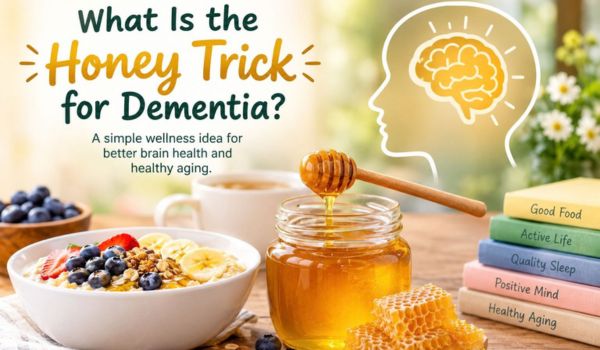
So, what is the honey trick for dementia? The phrase generally refers to the simple idea of including honey in a balanced eating routine as part of a broader approach to nutrition and wellness. Honey is naturally sweet, versatile, and easy to combine with foods such as fruit, yogurt, oatmeal, smoothies, and whole grains.
The honey trick for dementia should be viewed as a simple wellness habit rather than a secret cure or complicated treatment. Enjoying honey alongside a variety of nutritious foods can make everyday meals more flavorful and enjoyable, while other positive habits such as regular movement, quality sleep, hydration, mental stimulation, relaxation, and social connection can contribute to a well-rounded approach to healthy aging.
In this guide, we’ll explore what is the honey trick for dementia, why honey is interesting from a nutritional perspective, simple ways to enjoy it, and how this naturally sweet ingredient can fit into a positive routine focused on brain wellness, memory support, and overall healthy aging.
What Is the Honey Trick for Dementia?
The honey trick for dementia is a phrase used to describe the idea of incorporating honey into a person’s everyday food routine as part of a broader approach to nutrition and wellness.
Rather than thinking of it as a complicated recipe or secret treatment, it is more helpful to think of the honey trick as a simple food habit.
Honey can be used in small amounts to add natural sweetness to foods that may already provide important nutrients. For example, someone might add a little honey to plain yogurt, oatmeal, fruit, or a warm beverage.
The idea is not that honey alone can solve memory problems. Instead, the focus is on creating enjoyable meals and routines that encourage balanced nutrition.
Some simple ways people may incorporate honey into their meals include:
- Honey with plain yogurt
- Honey drizzled over oatmeal
- Honey with fruit
- Honey in a smoothie
- Honey mixed into a warm beverage
- Honey paired with nuts and seeds
- Honey used in homemade breakfast bowls
- Honey added to whole-grain foods
This makes the concept easy to understand. The honey trick for dementia is less about a single food acting as a solution and more about creating an enjoyable nutritional habit that can fit into an overall healthy lifestyle.
Why Has Honey Become Interesting for Brain Wellness?
Honey naturally contains carbohydrates and various naturally occurring plant compounds. Depending on the type and floral source, honey can have differences in flavor, color, aroma, and composition.
Its natural sweetness also makes it an appealing alternative to highly processed sweet-tasting additions in certain foods. For someone trying to create a more enjoyable breakfast or snack, a small amount of honey can add flavor without requiring complicated preparation. Brain wellness, however, is much broader than one food.
The brain depends on a steady supply of energy and nutrients, and overall dietary quality matters. A varied diet that includes fruits, vegetables, whole grains, nuts, seeds, protein sources, and healthy fats can provide a wide range of nutrients that contribute to general wellness. Honey can fit into that pattern as a flavorful ingredient.
This broader perspective is important because it allows honey to be appreciated for what it is: a naturally sweet food that can make nutritious meals more enjoyable.
Honey can add:
- Natural sweetness
- Pleasant flavor
- Versatility
- Convenience
- An enjoyable eating experience
- A simple way to vary familiar foods
For many people, the most useful wellness habits are the ones that are easy to enjoy repeatedly.
Honey and a Balanced Approach to Healthy Aging
Healthy aging is not based on a single food. It is built through a collection of everyday habits that support physical, emotional, and mental well-being.
Food is an important part of that picture. Eating a variety of nutritious foods can help create a strong foundation for daily wellness.
Honey can be included alongside foods such as:
- Berries
- Apples
- Bananas
- Oats
- Plain yogurt
- Nuts
- Seeds
- Whole grains
- Vegetables
- Beans and legumes
- Lean protein sources
This creates a more complete approach than focusing on honey alone.
For example, instead of thinking about a spoonful of honey as a special solution, consider a breakfast bowl containing oats, berries, nuts, seeds, and a small drizzle of honey. This type of meal provides variety in flavor and texture while making the routine enjoyable.
The same principle applies to other meals throughout the day. A healthy aging routine can include colorful foods, regular movement, hydration, good sleep, meaningful social activities, and opportunities to keep the mind active. Honey can simply be one small and enjoyable part of that lifestyle.
The Nutritional Appeal of Honey
Honey is naturally sweet and contains carbohydrates that provide energy. It also contains small amounts of naturally occurring compounds that vary according to the flowers from which the nectar was collected.
Different varieties of honey can have different colors, aromas, and flavors. This gives people an opportunity to explore different options and find varieties they genuinely enjoy.
For everyday wellness, the appeal of honey often comes from its simplicity. You do not need complicated equipment or an elaborate recipe. A small amount can transform an ordinary food into something more flavorful.
For example:
Plain yogurt + berries + a little honey
can become an easy breakfast or snack.
Similarly:
Oatmeal + banana + nuts + a drizzle of honey
can create a comforting morning meal.
These simple combinations show how one ingredient can encourage people to make nutritious foods more appealing.
Honey With Warm Beverages
One of the simplest ways to enjoy honey is by adding a small amount to a warm beverage.
A warm drink can also become part of a calming daily routine. For example, someone might enjoy a warm beverage while reading, relaxing, listening to music, or preparing for the evening.
Honey can be combined with:
- Warm water
- Herbal tea
- Ginger tea
- Lemon water
- Caffeine-free evening beverages
The benefit of this routine is not that the beverage becomes a special dementia treatment. Instead, the ritual can create a pleasant moment of relaxation and hydration.
A calming routine can be particularly valuable when it encourages people to slow down and create space for rest. For healthy aging, these small moments can contribute to a lifestyle that feels more balanced and enjoyable.
Honey and Fruit: A Naturally Sweet Combination
Fruit already provides natural sweetness, so combining it with a small amount of honey can create a flavorful snack.
Some simple combinations include:
- Apples and Honey: Sliced apples with a light drizzle of honey can create a crisp and naturally sweet snack.
- Berries and Honey: Blueberries, strawberries, raspberries, or blackberries can be combined with yogurt and a small amount of honey.
- Banana and Honey: Banana slices with oats, nuts, and a little honey can make a satisfying breakfast combination.
- Pear and Honey: Fresh pear can pair nicely with yogurt, nuts, and a small drizzle of honey.
These combinations demonstrate how the concept can be incorporated into familiar foods without creating complicated recipes.
Honey and Everyday Mental Wellness
Mental wellness is an important part of healthy aging. While food is one part of overall wellness, daily mental experiences also matter.
Reading, learning, talking with friends, listening to music, solving puzzles, gardening, cooking, walking, and participating in hobbies can all make everyday life more stimulating and enjoyable.
Creating a pleasant food routine can also become an opportunity for mindfulness. For example, preparing a bowl of yogurt with fruit and honey can become a small daily ritual. Taking time to enjoy the flavor, texture, aroma, and experience of eating can encourage greater awareness of the present moment.
This is a simple way to connect nutrition with lifestyle. The goal is not to make every meal complicated. Instead, it is to create everyday routines that feel positive, meaningful, and sustainable.
Honey and Mental Stimulation
Keeping the mind engaged can be a rewarding part of healthy aging. There are many enjoyable ways to stay mentally active:
- Reading books
- Writing
- Playing board games
- Doing puzzles
- Learning a new skill
- Listening to music
- Gardening
- Cooking
- Drawing
- Practicing a hobby
- Having conversations with friends
Food preparation itself can sometimes become a mental activity. Planning a meal, choosing ingredients, following a recipe, measuring ingredients, and preparing a dish all involve different forms of attention.
Making the Honey Routine Easy to Follow
The most useful wellness routines are often simple enough to become part of normal life.
If you want to include honey in your everyday eating pattern, consider these practical ideas:
- Keep It Simple: You do not need elaborate recipes. A small amount of honey can be added to foods you already enjoy.
- Combine It With Nutritious Foods: Pair honey with fruit, oats, yogurt, nuts, seeds, or other wholesome ingredients.
- Explore Different Flavors: Different honeys can have different flavors and aromas. Trying different varieties can make the routine more interesting.
- Use It as a Flavor Enhancer: Think of honey as an ingredient that can make nutritious foods more enjoyable.
- Avoid Making the Routine Complicated: The simpler the habit, the easier it can be to maintain.
- Focus on Overall Dietary Quality: Honey can be one ingredient in a balanced eating pattern rather than the main focus of the diet.
The Importance of Balance
Although honey is a natural food, it is still a source of sugar and carbohydrates. This means it is best enjoyed thoughtfully as part of an overall balanced eating pattern.
The goal is not to avoid enjoyable foods or make eating unnecessarily restrictive. Instead, balance can mean enjoying a variety of foods while being mindful of portions and overall dietary patterns.
For example, a small amount of honey can add flavor to plain yogurt, while the rest of the bowl can contain fruit, nuts, and seeds. This creates a meal with variety rather than relying heavily on sweetness. A balanced approach also makes healthy eating more enjoyable and sustainable.
Final Thoughts on What Is the Honey Trick for Dementia?
So, what is the honey trick for dementia? It is a simple wellness idea focused on including honey in enjoyable foods and beverages as part of a broader healthy-aging routine.
Honey is naturally sweet and versatile, making it easy to add to oatmeal, yogurt, berries, smoothies, or warm beverages. These simple combinations can make everyday meals more enjoyable while adding variety to the diet.
Rather than viewing honey as a miracle ingredient, it is better to see it as one small part of a positive lifestyle. A nourishing routine can include colorful foods, regular movement, quality sleep, hydration, mental stimulation, relaxation, and social connection.
Whether you enjoy honey with breakfast or in a warm evening beverage, the goal is to create simple habits that are enjoyable and sustainable.
Ultimately, the honey trick for dementia is best understood as a food and lifestyle concept, not a medical treatment. By combining enjoyable nutrition with healthy daily habits, you can create a positive approach to healthy aging and everyday well-being.
.
