Pink Salt vs Table Salt (✨MINERAL BALANCE!) Supports clean flavor, Mindful seasoning & Balanced everyday nutrition naturally.
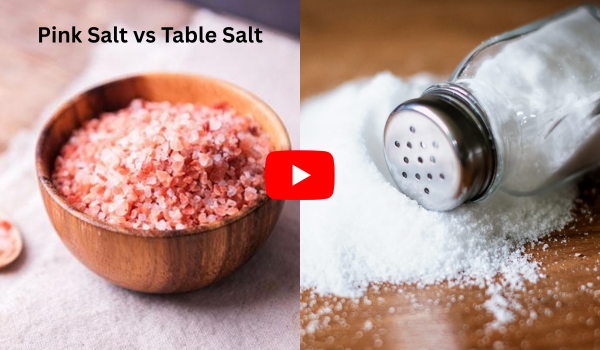

The debate around “Pink Salt vs Table Salt” continues to gain attention as more people explore natural nutrition and mindful cooking. Salt remains one of the most essential ingredients in every kitchen. However, not all salt looks, tastes, or functions in exactly the same way.
If you have ever wondered about pink salt vs table salt, this comprehensive guide will give you clarity. In this article, you will learn what each type of salt is, how it works in the body, why it benefits cooking, and how to use it properly.
What Is Pink Salt?
Pink salt, often called Himalayan pink salt, comes from ancient salt deposits formed millions of years ago. The most well-known source is the Khewra Salt Mine in Pakistan. Over time, prehistoric oceans evaporated and left behind mineral-rich salt crystals.
The soft pink color comes from trace minerals such as iron, magnesium, potassium, and calcium. Although these minerals exist in small amounts, they give pink salt its unique appearance and subtle flavor depth.
Unlike heavily refined salts, pink salt usually undergoes minimal processing. Therefore, it retains more of its natural mineral composition. Many people appreciate its raw and natural appeal.
What Is Table Salt?
Table salt is the most commonly used salt around the world. Manufacturers refine it to remove impurities and trace minerals. As a result, it appears bright white and has a fine, uniform texture.
In many countries, producers add iodine to table salt. Iodine supports thyroid function and overall metabolic health. Because of this fortification, table salt has played a key role in preventing iodine deficiency worldwide.
Table salt dissolves quickly and spreads evenly through food. Therefore, it works especially well in baking and recipes that require precise measurements.
Pink Salt vs Table Salt: Understanding the Core Differences
When comparing pink salt vs table salt, several important differences stand out:
- Origin and source
- Mineral content
- Processing methods
- Texture and grain size
- Culinary uses
However, both salts share one essential function. They provide sodium, which the body needs for fluid balance, nerve transmission, and muscle function. Therefore, the main distinction lies in mineral traces and refinement rather than basic nutritional purpose.
How Salt Works in the Body?
To understand pink salt vs table salt, we must explore how salt supports the body.
Sodium plays several important roles:
- Maintains fluid balance
- Supports nerve signals
- Assists muscle contraction
- Helps regulate blood pressure
- Improves nutrient absorption
When you consume salt, sodium enters the bloodstream. Then, it helps balance fluids inside and outside cells. Consequently, your tissues stay hydrated and function properly.
Additionally, sodium supports electrical impulses between nerves. These impulses control movement and coordination. Therefore, moderate salt intake remains essential for daily health.
Both pink salt and table salt provide sodium. However, pink salt contains trace minerals, while table salt often includes iodine for thyroid support.
Mineral Composition
Pink Salt Mineral Profile
Pink salt contains over 80 trace minerals in very small amounts.
These include:
- Iron
- Magnesium
- Potassium
- Calcium
- Zinc
Although these minerals appear in trace quantities, they contribute to the salt’s natural color and mild taste complexity.
Table Salt Nutritional Support
Table salt typically contains added iodine. Iodine supports thyroid hormone production, which regulates metabolism and energy levels. Therefore, iodized table salt supports public health in a simple and accessible way.
Moreover, table salt offers consistent sodium levels. This consistency makes it reliable for cooking and baking.
Texture and Flavor Comparison
One noticeable difference in pink salt vs table salt is texture.
- Pink salt crystals are often larger and coarser. Because of this, they provide a satisfying crunch when sprinkled over food. Many chefs use pink salt as a finishing salt for presentation and texture.
- Table salt, on the other hand, has fine grains. It dissolves quickly and evenly. Therefore, it works well in baking, sauces, and recipes that require precise seasoning.
In terms of taste, both enhance flavor effectively. However, pink salt may offer a slightly layered mineral note, while table salt provides a clean and direct salty taste.
Pink Salt vs Table Salt in Cooking Science
Salt influences food chemistry in powerful and positive ways.
Flavor Enhancement
Salt reduces bitterness and highlights sweetness. As a result, it balances flavors and makes dishes taste fuller. Both pink salt and table salt perform this function well.
Protein Interaction
Salt interacts with proteins in meat and vegetables. When applied before cooking, it helps retain moisture. Consequently, food often becomes juicier and more tender.
Fermentation Support
Salt controls harmful bacteria while supporting beneficial microbes during fermentation. Therefore, both pink salt and table salt can be used in preserving and fermenting foods.
How to Use Pink Salt?
Pink salt works beautifully in finishing applications.
For example:
- Sprinkle over roasted vegetables
- Season grilled meats
- Add texture to salads
- Enhance avocado toast
- Blend into spice mixes
Because of its color and texture, pink salt enhances presentation. Additionally, it pairs well with whole foods and natural dishes.
How to Use Table Salt?
Table salt remains highly versatile.
You can use it for:
- Baking bread and cakes
- Cooking pasta and rice
- Seasoning soups and stews
- Everyday table seasoning
- Food preservation
Its fine texture ensures even distribution. Therefore, it works especially well in recipes that require exact measurements.
Pink Salt vs Table Salt: Wellness Benefits
When used in moderation, both salts support wellness.
Hydration Support
Sodium helps maintain fluid balance. Therefore, moderate salt intake supports hydration and cellular stability.
Digestive Function
Salt stimulates saliva production. Saliva begins digestion in the mouth. Furthermore, sodium supports stomach acid production, which aids nutrient breakdown.
Nutrient Absorption
Salt helps improve the absorption of certain nutrients in the digestive tract. Consequently, balanced use enhances overall nutrient efficiency.
Choosing Between Pink Salt vs Table Salt
Choosing between pink salt vs table salt depends on personal preference and cooking style.
If you value natural mineral traces and texture, pink salt may suit you. However, if you prefer iodine fortification and precise baking performance, table salt remains a dependable choice.
Interestingly, many households keep both types. Pink salt often works as a finishing salt, while table salt supports everyday cooking.
Balanced Perspective on Sodium
Although both pink salt and table salt provide essential sodium, moderation remains key. Excess sodium intake may influence blood pressure in some individuals.
Therefore, balanced consumption supports long-term wellness. Instead of eliminating salt entirely, focus on quality and mindful use. Both types offer value when used responsibly.
Final Thoughts
The conversation about pink salt vs table salt highlights choice rather than competition.
Pink salt offers natural mineral traces, appealing texture, and aesthetic beauty. Table salt delivers iodine fortification, consistency, and precision. Both enhance flavor, support essential body functions, and improve cooking results.
By practicing moderation and choosing quality products, you support hydration, digestion, and flavorful meals.
Therefore, rather than asking which salt is better, consider how each one contributes to a balanced and mindful kitchen. Both pink salt and table salt deserve a respected place in everyday cooking.
.
