Gelatin vs Jello (✨SMART CHOICE GUIDE!) Helps compare ingredients, Protein value, Sweetness, and Smart uses for everyday cooking.
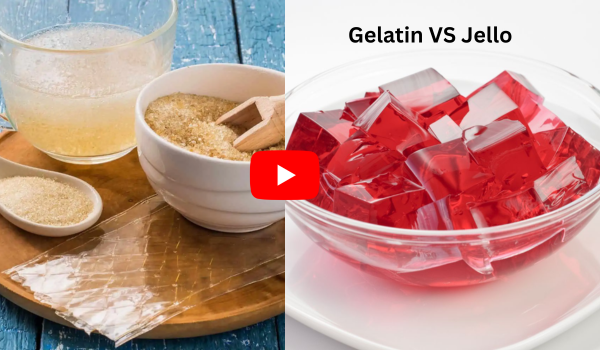

Gelatin vs Jello is a common comparison for anyone interested in nutrition, cooking, or healthy dessert choices. Although many people use the terms interchangeably, they are not the same. Therefore, understanding gelatin vs jello helps you make informed decisions in the kitchen.
Gelatin is a pure protein derived from collagen. Jello, on the other hand, is a branded dessert product that contains gelatin along with sweeteners, flavorings, and colors. While both share a similar texture, their ingredients and uses differ.
What Is Gelatin?
Gelatin is a natural protein made from collagen. Collagen comes from animal connective tissues. Through a heating process, collagen breaks down and becomes gelatin.
Once cooled, gelatin forms a soft, flexible gel. Because of this unique property, gelatin is widely used in cooking and baking.
How Gelatin Works?
Gelatin contains amino acids such as glycine and proline. When mixed with hot liquid, it dissolves completely. However, as it cools, the protein strands reconnect and trap water. As a result, the liquid transforms into a gel.
This ability to shift between liquid and gel makes gelatin useful in:
- Homemade desserts
- Soups and broths
- Gummies
- Marshmallows
- Baking
In addition, gelatin provides protein support. Therefore, many wellness-focused individuals include it in their diets.
What Is Jello?
Jello is a brand name owned by Kraft Heinz. It refers to a flavored gelatin dessert mix. Although Jello contains gelatin, it also includes sugar, artificial or natural flavors, and coloring.
Because it comes pre-flavored and sweetened, Jello is quick and convenient. Simply add boiling water, stir, and refrigerate.
How Jello Works?
Jello works in the same way as gelatin at a structural level. The gelatin inside the mix forms a gel when cooled. However, the added ingredients create flavor, sweetness, and bright color.
Therefore, while gelatin is a single ingredient, Jello is a ready-made dessert product.
Gelatin vs Jello: Key Differences
Although gelatin and Jello share a common base, several important differences exist.
Ingredient Simplicity
- Gelatin contains one ingredient: protein derived from collagen. In contrast, Jello contains gelatin plus sugar, flavorings, and color additives.
- Because of this difference, gelatin offers more flexibility for custom recipes.
Nutritional Profile
- Gelatin provides protein with no added sugar. Meanwhile, traditional Jello contains sugar, although sugar-free options are also available.
- Therefore, gelatin vs jello differs mainly in protein purity and sweetness.
Culinary Flexibility
- Gelatin works in both sweet and savory recipes. For example, it thickens soups and stabilizes whipped desserts.
- Jello, on the other hand, works best in sweet dishes. Its flavors limit its use in savory cooking.
Similarities Between Gelatin and Jello
- Despite their differences, gelatin vs jello shares structural traits.
- Both rely on gelatin protein to create a gel texture and require hot liquid for dissolving. Both must cool to set properly.
- Additionally, both can create fun, jiggly textures that appeal to children and adults alike.
The Science Behind Gelatin vs Jello
Understanding the science behind gelatin vs jello makes the comparison clearer.
Protein Structure
- Gelatin proteins form long chains. When heated, these chains separate. As the mixture cools, the chains reconnect and create a mesh-like network.
- This network traps water molecules. Consequently, the mixture becomes firm yet flexible.
Amino Acid Composition
- Gelatin contains glycine, proline, and hydroxyproline. These amino acids support connective tissue and joint health.
- Although Jello contains gelatin, the amount of protein per serving is usually lower because of added sugar and flavorings.
Digestibility
- Gelatin digests easily. Once consumed, the body breaks it down into amino acids. These building blocks support tissue repair and structural balance.
- Therefore, from a science perspective, gelatin provides concentrated protein, while Jello provides flavored dessert enjoyment.
How to Use Gelatin?
Gelatin offers versatility in the kitchen.
Homemade Desserts
Mix gelatin with fruit juice and natural sweeteners. Refrigerate until firm. This creates a cleaner alternative to packaged gelatin desserts.
Savory Cooking
Add gelatin to warm broth. This improves texture and adds protein.
Baking
Gelatin stabilizes whipped cream and supports moisture retention in cakes. Because gelatin is neutral in flavor, it adapts easily to many recipes.
How to Use Jello?
Jello offers speed and simplicity.
Classic Dessert
Add boiling water to the powder. Stir until dissolved. Then refrigerate until firm.
Creative Layers
Pour one flavor, chill partially, then add another layer. This creates colorful, fun desserts.
Party Treats
Use Jello molds for decorative shapes. The bright colors make it visually appealing. While Jello is less customizable nutritionally, it shines in convenience and presentation.
Nutritional Comparison: Gelatin vs Jello
When comparing gelatin vs jello nutritionally, the key difference lies in added ingredients.
Gelatin:
- Pure protein
- No added sugar
- Neutral flavor
- Higher protein density
Jello:
- Contains gelatin protein
- Includes sugar or sweeteners
- Pre-flavored
- Lower protein per serving
Because of this difference, gelatin supports protein-focused diets more directly.
Why Gelatin Is Beneficial?
- Gelatin supports skin elasticity and joint comfort. Additionally, it may help maintain gut lining integrity.
- Because it contains glycine, gelatin also supports relaxation and recovery.
- Moreover, gelatin blends easily into many foods. Therefore, it fits into balanced meal planning.
Why Jello Is Beneficial?
- Jello provides enjoyment and convenience. It encourages hydration because it contains water.
- Furthermore, sugar-free options offer low-calorie dessert choices. For families, Jello adds fun to meals.
- Although it is less protein-dense, it still contains some gelatin benefits.
Choosing Between Gelatin vs Jello
- The choice depends on your goal.
- If you want protein flexibility and cooking versatility, choose gelatin.
- If you want quick dessert preparation and bright flavors, choose Jello.
- Because both rely on gelatin protein, both offer enjoyable texture.
Texture and Culinary Creativity
- Gelatin vs jello both create smooth, jiggly textures. However, gelatin allows you to control sweetness and ingredients.
- For example, you can combine gelatin with fresh fruit puree and natural honey. Meanwhile, Jello offers ready-made flavor consistency.
- Therefore, creative cooks often keep both in the pantry.
Long-Term Dietary Support
Regular gelatin intake supports connective tissues. Over time, consistent protein intake helps maintain structural health.
Meanwhile, occasional Jello desserts add variety and enjoyment. Because balanced eating includes both function and pleasure, gelatin vs jello can coexist in a positive diet plan.
Cooking Tips for Best Results
- Always bloom gelatin in cold water before heating. This step improves texture.
- Avoid boiling gelatin excessively. High heat may weaken its setting power.
- For Jello, ensure full dissolution in boiling water. Stir thoroughly before chilling.
- These small steps improve final texture and consistency.
Storage and Shelf Life
- Gelatin powder stores well in a cool, dry place. Moisture reduces effectiveness.
- Jello powder also stores easily. Keep it sealed to maintain freshness.
- Prepared gelatin desserts should remain refrigerated for food safety and firmness.
Final Thoughts on Gelatin vs Jello
Gelatin vs jello is not about which is better. Instead, it highlights the difference between a pure ingredient and a flavored product.
Gelatin offers protein flexibility and culinary control. Jello offers convenience and fun.
Both create the same satisfying gel texture. Both rely on collagen-derived protein. However, their added ingredients set them apart.
Ultimately, your choice depends on your needs. For protein-focused cooking, gelatin works best. For quick desserts, Jello shines.
By understanding gelatin vs jello clearly, you can choose confidently and enjoy both in balanced, positive ways.
.
