Baking Baking Soda with Vaseline for Dry Skin (🔥FAST NATURAL RELIEF!)Deeply Moisturizes Dry Skin, Soothes Irritation, and Restores Smooth, Soft Skin Naturally.

Dry skin is one of the most common skin concerns worldwide. From athletes exposed to harsh weather to individuals dealing with medical skin conditions, dryness can lead to discomfort, itching, cracking, and even infection.
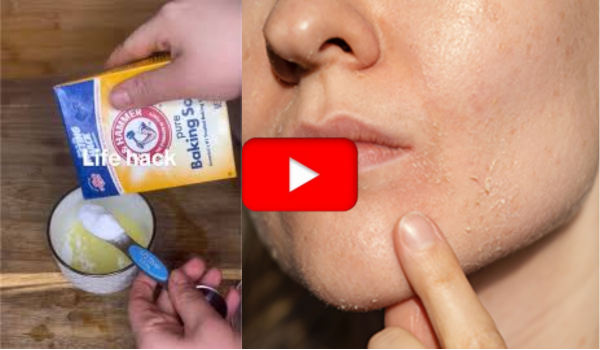
While many turn to expensive creams and prescription treatments, some people explore simple home remedies made from everyday household items. One such remedy that has gained attention is baking soda with Vaseline for dry skin.
This combination is often discussed in natural skincare circles, but questions remain:
Does it really work? Is it safe? Who should use it and who should avoid it?
In this comprehensive guide, we explore the science, benefits, proper use, precautions, and alternatives to help you make an informed decision.
Understanding Dry Skin
Dry skin, also known as xerosis, occurs when the skin lacks sufficient moisture or natural oils. It can affect any part of the body, including the hands, feet, elbows, knees, face, and lips.
Dry skin may result from:
-
Cold or dry weather conditions
-
Excessive sweating (common in athletes)
-
Frequent washing or use of harsh soaps
-
Aging and reduced oil production
-
Medical conditions like eczema, psoriasis, or diabetes
-
Dehydration and poor nutrition
-
Environmental exposure (sun, wind, chemicals)
When the skin barrier becomes compromised, moisture escapes easily, leading to tightness, flaking, and irritation.
What Is Baking Soda?
Baking soda, or sodium bicarbonate, is a mild alkaline compound commonly used for cooking, cleaning, and deodorizing. In skincare, it has been traditionally used for:
-
Gentle exfoliation
-
Neutralizing odors
-
Temporary itch relief
-
Softening rough skin areas
However, baking soda has a high pH level (around 9), which is significantly more alkaline than healthy skin.
What Is Vaseline?
Vaseline is a brand name for petroleum jelly, a semi-solid mixture of hydrocarbons. It is widely recognized in medical and dermatological settings.
Benefits of Vaseline for Skin
-
Forms a protective moisture barrier
-
Prevents transepidermal water loss (TEWL)
-
Softens cracked or rough skin
-
Non-comedogenic (won’t clog pores)
-
Safe for most skin types when used correctly
What is baking soda with vaseline for dry skin?
Vaseline does not add moisture by itself, but it locks in existing hydration, making it especially effective when applied to damp skin.
Baking soda acts as a mild exfoliant, helping remove dead skin cells that make dry skin feel rough or scaly.
Vaseline works as a moisture-sealing barrier, locking in hydration and protecting the skin from further moisture loss. When used together, the idea is to smooth the skin first and then keep it soft by sealing in moisture.
This remedy is usually applied to thick, dry skin areas such as heels, elbows, knees, or knucklesnot the face or sensitive areas.
It’s important to know that this is not a medical treatment. Baking soda is alkaline and can disrupt the skin’s natural pH if used too often.
Why Do People Combine Baking Soda with Vaseline for Dry Skin?
People combine baking soda with Vaseline for dry skin to address two common skin concerns at the same time: rough texture and moisture loss.
Baking soda is believed to help remove dead skin cells that build up on very dry or thick skin, making the surface feel smoother.
Vaseline, on the other hand, acts as a protective barrier that seals in moisture and prevents further water loss from the skin.
Together, the combination is thought to:
-
Smooth, rough, flaky skin
-
Improve softness and texture
-
Help moisture stay locked in after exfoliation
-
Provide quick, short-term relief for very dry areas
This mixture is mainly used on thick skin areas such as heels, elbows, knees, and knuckles. It is not meant for sensitive skin or daily use. The combination is popular because the ingredients are simple, affordable, and easily available, but it should be used cautiously to avoid skin irritation.

Benefits of Baking Soda with Vaseline for Dry Skin
When used carefully and occasionally, some users report the following benefits:
- Softens Rough, Dry Skin: Baking soda helps loosen dead skin cells, while Vaseline locks in moisture, making rough areas like heels and elbows feel smoother.
- Reduces Flakiness: Gentle exfoliation from baking soda can remove flaky buildup, allowing the skin to look cleaner and more even.
- Improves Moisture Retention: Vaseline forms a protective barrier that prevents water loss and keeps the skin hydrated for longer periods.
- Soothes Tight, Dry Areas: When used occasionally, the mixture may relieve tightness and discomfort caused by extreme dryness.
- Enhances Absorption of Moisture: Removing dead skin helps moisturizing products work more effectively afterward.
- Cost-Effective Home Remedy: Both ingredients are affordable, easily available, and convenient for short-term dry skin care.
The Science Behind Skin pH and Why It Matters
- Skin pH refers to how acidic or alkaline the surface of your skin is. Healthy human skin naturally maintains a slightly acidic pH, typically between 4.5 and 5.5. This delicate balance plays a critical role in keeping the skin strong, hydrated, and protected.
- The skin’s acidic environment supports the acid mantle, a thin protective layer made of sweat, oils, and beneficial microorganisms.
- This barrier helps lock in moisture, prevent water loss, and defend against harmful bacteria, fungi, and environmental irritants. When skin pH stays balanced, the skin is better able to repair itself and remain smooth and resilient.
- When the skin’s pH becomes too alkaline, the protective barrier weakens. This can lead to increased dryness, irritation, sensitivity, and inflammation. Alkaline conditions may also disrupt the skin’s microbiome, making it more vulnerable to infections and chronic skin issues.
- Ingredients like baking soda are highly alkaline and can temporarily disturb this natural balance. While occasional use on thick skin may not cause immediate harm, frequent exposure can worsen dryness and damage the skin barrier over time.
- Maintaining proper skin pH is essential for long-term skin health. Using gentle cleansers, avoiding harsh alkaline products, and applying barrier-supporting moisturizers helps preserve the skin’s natural acidity and prevent dryness.
How to Use Baking Soda with Vaseline for Dry Skin (Safely)?
If you choose to try baking soda with Vaseline for dry skin, it’s important to use it carefully and in moderation to avoid irritation or damage to the skin barrier. This method is best suited for thick, rough skin areas only, such as heels, elbows, knees, or knuckles.
Step 1: Clean the skin
- Wash the affected area with lukewarm water and a mild cleanser. Pat dry gently, leaving the skin slightly damp.
Step 2: Prepare the mixture
- Mix ½ teaspoon of baking soda with 1 tablespoon of Vaseline until it forms a smooth paste.
Step 3: Apply gently
- Massage the mixture lightly onto the dry area using circular motions. Do not scrub or apply pressure.
Step 4: Limit contact time
- Leave the mixture on the skin for 1–2 minutes only. Avoid extended exposure.
Step 5: Rinse thoroughly
- Wash off completely with lukewarm water to remove all baking soda residue.
Step 6: Moisturize again
- Apply plain Vaseline or a gentle moisturizer to seal in hydration.
How Often to Use Baking Soda with Vaseline for Dry Skin:
Baking soda with Vaseline should be used sparingly and occasionally.
- Once every 7–10 days is sufficient for most people.
- Not suitable for daily use.
- Overuse may disrupt the skin’s natural pH and cause irritation.
- Stop immediately if redness, burning, or dryness increases.
For regular care, use Vaseline alone or a dermatologist-approved moisturizer daily, and reserve this mixture only for short-term relief on thick, dry skin areas.

Important Safety Tips for Using Baking Soda with Vaseline.
- Avoid sensitive areas: Do not apply to the face, underarms, groin, or broken skin.
- Patch test first: Apply a small amount on a tiny skin area to check for irritation before full use.
- Limit frequency: Use only once every 7–10 days to prevent skin barrier damage.
- Do not scrub harshly: Apply gently; vigorous rubbing can worsen dryness or cause irritation.
- Rinse thoroughly: Make sure to remove all baking soda residue after use.
- Best Areas to Use: Heels and feet, Elbows, Knees, Knuckles.
- Areas to Avoid: Face, Underarms, Groin, Broken, cracked, or inflamed skin.
Ingredients for Baking Soda with Vaseline for Dry Skin
- Baking Soda (Sodium Bicarbonate): A mild exfoliating agent that helps remove dead skin cells and smooth rough, dry skin. It should be used in very small amounts due to its alkaline nature.
- Vaseline (Petroleum Jelly): A powerful occlusive moisturizer that forms a protective barrier on the skin, locking in moisture and preventing water loss.
Additional Points:
-
Both ingredients are fragrance-free and chemical-free when used in their pure form.
-
Vaseline is widely used in medical and dermatological care for managing extreme dryness.
-
Baking soda should be used occasionally only, as frequent use may disrupt the skin’s natural pH.
-
These ingredients are intended for short-term relief, not daily or long-term skin treatment.
This version is accurate, well-structured, and suitable for blog or medical-style content.
How Often Should You Use It?
-
Once every 7–10 days maximum
-
Not suitable for daily or long-term use
-
Discontinue immediately if irritation occurs
Who Should Avoid This Remedy?
This combination is not suitable for everyone.
Avoid using baking soda with Vaseline if you have:
-
Sensitive or allergy-prone skin
-
Eczema or psoriasis
-
Rosacea
-
Open wounds or cracked skin
-
Chronic skin conditions requiring medical care
Athletes with frequent skin exposure should consult a healthcare provider before using alkaline exfoliants.
Lifestyle Tips to Prevent Dry Skin Naturally
-
Use lukewarm water instead of hot water, as hot water strips natural oils from the skin.
-
Avoid harsh soaps and detergents, which can damage the skin barrier and worsen dryness.
-
Moisturize immediately after bathing to lock in moisture while the skin is still damp.
-
Wear protective clothing in cold weather to shield skin from dry air and wind exposure.
-
Maintain a balanced diet rich in omega-3 fatty acids, which help support healthy, supple skin.
-
Always perform a patch test before first use to check for irritation or sensitivity.
-
Use this mixture only on thick, dry skin areas such as heels, elbows, knees, or knuckles.
-
Do not overuse; once every 7–10 days is sufficient.
-
Apply Vaseline on slightly damp skin after rinsing for better moisture retention.
-
Avoid hot water, as it can worsen dryness and weaken the skin barrier.
-
Stop using it immediately if you notice redness, burning, or itching.
-
For daily care, choose dermatologist-approved moisturizers instead of home remedies.
-
Stay hydrated and maintain a balanced diet, as internal hydration supports skin health.

Final Thoughts
The combination of baking soda with Vaseline for dry skin may offer temporary smoothing benefits for rough, thick skin when used carefully and infrequently. However, it carries risks if overused or applied incorrectly.
For long-term skin health, gentle exfoliation methods and barrier-repair moisturizers remain the gold standard.
If dry skin persists, worsens, or interferes with daily activity or athletic performance, consult a qualified healthcare or dermatology professional.
.
