7 Best Eye Vitamins for Seniors (🔥INSTANT COMFORT!) Supports Clear Vision, Reduces Eye Strain, and Promotes Fast, Natural Relief for Eye Health.

As we age, our bodies change in countless ways, and one of the most significant areas affected is our vision.
For many older adults, simply reading the newspaper, driving at night, or recognizing faces across the room can become more challenging.
While regular eye exams and protective habits (like wearing sunglasses and reducing screen glare) are essential, nutrients also play a powerful role in supporting eye health.
This article dives into the 7 best eye vitamins for seniors, what they are, how they work, and why they matter.
Whether you’re a senior yourself, caring for someone you love, or crafting health content for an aging audience, you’ll find research-based information presented in a friendly, easy-to-understand way.
What Is the Best Eye Vitamin for Seniors?
There isn’t one single “best” vitamin that works for every senior’s eye health because healthy vision depends on multiple nutrients working together. However, if we focus on the most impactful and well-researched nutrients that support aging eyes, the clear top contenders are:
Lutein & Zeaxanthin
These two carotenoids are often considered the most important nutrients for senior eye protection because they:
-
Accumulate directly in the macula (the central part of the retina responsible for detailed vision)
-
Filter harmful blue light
-
Help protect against age-related macular degeneration (AMD)
-
Improve contrast sensitivity and visual comfort
For many eye health experts, lutein and zeaxanthin together are the most effective “eye vitamins” for seniors.
Why Are Lutein and Zeaxanthin the Best Eye Vitamins for Seniors?
They go directly to the eye
- Lutein and zeaxanthin are special because they accumulate in the macula, the part of the eye responsible for sharp, central vision. Most other vitamins help these work indirectly, right where vision matters most.
They protect against harmful blue light
- As we age, our eyes become more sensitive to light damage. Lutein and zeaxanthin act like natural sunglasses, filtering blue light from the sun and screens that can harm the retina.
They reduce age-related vision decline
Low levels of these nutrients are linked to:
-
Age-related macular degeneration (AMD)
-
Poor contrast vision
-
Faster visual aging
Higher levels are associated with better visual performance in seniors.
They fight oxidative stress
- Aging eyes face more oxidative damage. These antioxidants help neutralize free radicals, slowing damage to eye cells.
Seniors naturally lose them over time
As we age:
-
The eye’s natural protective pigments decrease
-
Diet and absorption may decline
That’s why seniors often need more lutein and zeaxanthin than younger adults.
How Eye Vitamins Work for Seniors?
Absorption and Delivery to the Eyes
- Eye vitamins begin working once they are absorbed through the digestive system. After digestion, these nutrients enter the bloodstream and are transported to eye tissues, especially the retina and macula.
- Certain nutrients like lutein and zeaxanthin are selectively stored in the eyes, making them highly effective for vision support in seniors.
Key Points:
-
Absorbed through the gut
-
Travel via bloodstream
-
Accumulate in the retina and macula
-
Work directly where vision is processed
Protection Against Blue Light Damage
- As seniors age, their eyes become more sensitive to blue light from sunlight, screens, and artificial lighting.
- Lutein and zeaxanthin act as natural filters that absorb harmful blue light before it reaches sensitive eye cells. This reduces strain and long-term damage.
Key Points:
-
Filters harmful blue light
-
Acts like natural sunglasses
-
Protects the macula and retina
-
Reduces glare and eye fatigue
Reducing Oxidative Stress
- Aging increases oxidative stress in eye tissues, which damages cells over time. Antioxidant vitamins such as vitamin C, vitamin E, and beta-carotene neutralize free radicals, helping slow age-related eye deterioration.
Key Points:
-
Fights free radicals
-
Slows cellular damage
-
Protects the lens and retina
-
Supports long-term eye health
Supporting Sharp and Clear Vision
- When eye cells are well-protected and nourished, visual performance improves. Seniors may experience better contrast sensitivity, sharper focus, and improved comfort, especially in low-light conditions.
Key Points:
-
Improves visual clarity
-
Enhances contrast sensitivity
-
Supports night and low-light vision
-
Reduces visual discomfort
Strengthening Retinal Structure
- Omega-3 fatty acids, especially DHA, are essential building blocks of retinal cells. They help maintain cell membrane integrity and support proper signal transmission from the eyes to the brain.
Key Points:
-
Strengthens retinal cell membranes
-
Supports visual signal processing
-
Helps maintain eye structure
-
Important for long-term vision stability
Improving Tear Production and Eye Comfort
- Dry eyes are common among seniors. Omega-3 fatty acids help improve tear quality and reduce inflammation on the eye surface, leading to better moisture and comfort.
Key Points:
-
Supports healthy tear film
-
Reduces dry eye symptoms
-
Improves eye lubrication
-
Enhances daily comfort
Supporting Nerve and Blood Flow Health
- B-vitamins (B6, B9, B12) play an important role in nerve function and circulation. Healthy blood flow ensures the eyes receive enough oxygen and nutrients, which is crucial for maintaining vision in seniors.
Key Points:
-
Supports optic nerve health
-
Improves blood circulation
-
Helps reduce vascular-related eye issues
Supports overall eye function
How Vitamins and Nutrients Support Eye Health?
Eye health isn’t dependent on a single vitamin. It’s the result of multiple nutrients working together to:
-
Protect the retina and lens from oxidative damage
-
Support blood flow and cellular health
-
Reduce inflammation
-
Filter harmful blue light
Some nutrients also help build pigments in the eye that improve visual acuity and contrast sensitivity.
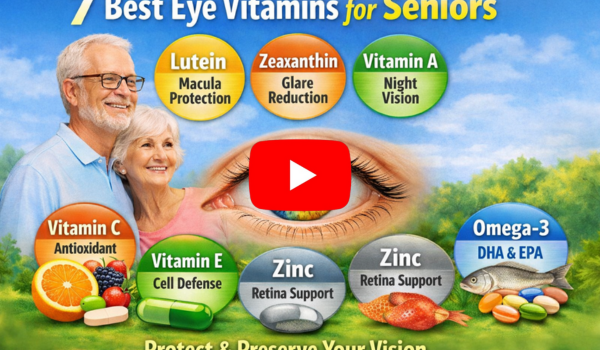
7 best eye vitamins for seniors
Lutein
- Lutein is one of the most important nutrients for senior eye health because it naturally accumulates in the macula, the area of the eye responsible for central and detailed vision.
- As people age, lutein levels in the eyes decline, increasing sensitivity to light and oxidative damage. Lutein helps filter harmful blue light and protects eye cells from stress, supporting clearer and more comfortable vision in seniors.
Key Points:
-
Concentrates in the macula
-
Filters harmful blue light
-
Reduces oxidative stress
-
Supports sharp central vision
Zeaxanthin
- Zeaxanthin works together with lutein to protect the retina from age-related damage. It is found in high concentrations in the macula, where it shields eye tissues from high-energy light exposure.
- In seniors, zeaxanthin helps improve contrast sensitivity, reduce glare, and maintain visual clarity.
Key Points:
-
Protects retinal cells
-
Improves contrast and brightness perception
-
Reduces glare and eye strain
-
Supports long-term eye protection
Vitamin A
- Vitamin A is essential for healthy vision and plays a critical role in helping the retina convert light into visual signals.
- It supports corneal health and is particularly important for night vision. For seniors, adequate vitamin A helps maintain visual function and prevents age-related deterioration of eyesight.
Key Points:
-
Supports night and low-light vision
-
Maintains corneal health
-
Helps visual signal processing
-
Essential for overall eye function
Vitamin C
- Vitamin C is a powerful antioxidant that helps protect the eyes from oxidative stress caused by aging and environmental factors.
- It supports the health of eye blood vessels and helps maintain lens clarity. In seniors, vitamin C contributes to preserving eye structure and slowing age-related eye changes.
Key Points:
-
Neutralizes free radicals
-
Supports lens clarity
-
Protects the eye’s blood vessels
-
Reduces oxidative damage
Vitamin E
- Vitamin E helps protect eye cells by strengthening cell membranes against oxidative damage. It works alongside vitamin C to slow down the aging process of eye tissues.
- For seniors, vitamin E supports retinal health and helps maintain long-term visual stability.
Key Points:
-
Protects eye cell membranes
-
Works synergistically with vitamin C
-
Slows age-related eye damage
-
Supports retinal health
Zinc
- Zinc is an essential mineral that supports eye health by helping transport vitamin A to the retina. It plays an important role in maintaining normal visual function and supports night vision.
- Zinc deficiency is more common in older adults, making it especially important for seniors.
Key Points:
-
Helps vitamin A reach the retina
-
Supports night vision
-
Aids retinal metabolism
-
Strengthens eye immunity
Omega-3 Fatty Acids (DHA & EPA)
- Omega-3 fatty acids, especially DHA, are critical for maintaining the structure and function of retinal cells.
- They support tear production and reduce inflammation, which helps relieve dry eye symptoms common in seniors. Omega-3s also contribute to overall eye comfort and long-term retinal health.
Key Points:
- Supports retinal cell structure
- Improves tear quality
- Reduces dry eye symptoms
- Helps reduce eye inflammation
The Science Behind the 7 Best Eye Vitamins for Seniors
As we age, the eyes naturally undergo structural and functional changes, making them more susceptible to oxidative stress, light damage, and age-related diseases like macular degeneration and cataracts.
Scientific studies show that certain vitamins and nutrients can slow this decline, protect retinal cells, and improve visual performance.
Lutein and Zeaxanthin:
- These carotenoids accumulate in the macula, forming a protective pigment layer that filters harmful blue light and neutralizes free radicals.
- Research indicates that higher macular pigment density is linked to a lower risk of age-related macular degeneration (AMD) and improved contrast sensitivity.
Vitamin A:
- Essential for producing rhodopsin, a pigment in the retina that helps the eyes detect light. Studies show vitamin A deficiency leads to night blindness and impaired retinal function, which is especially critical in older adults.
Vitamin C & E:
- Both are powerful antioxidants that combat oxidative stress in retinal cells. Clinical trials demonstrate that supplementation can reduce the progression of cataracts and slow age-related vision decline.
Zinc:
- Plays a crucial role in transporting vitamin A to the retina and maintaining retinal metabolism.
- Research from the AREDS (Age-Related Eye Disease Study) confirms that zinc supplementation supports macular health and reduces AMD risk.
Omega-3 Fatty Acids (DHA & EPA):
- Structural components of retinal cells improve cell membrane flexibility, support tear production, and reduce dry eye and inflammation.
- Studies show that higher omega-3 intake is associated with lower risk of dry eye syndrome and retinal deterioration.
In summary, scientific evidence supports that these seven vitamins and nutrients work synergistically to protect the eyes from oxidative damage, maintain retinal structure, improve visual function, and reduce age-related degeneration, making them especially important for seniors.
Benefits of the 7 eye vitamins for seniors
- Macula Protector – Lutein: Lutein protects the macula from harmful blue light and oxidative stress, helping seniors maintain clear, sharp vision and reducing the risk of age-related macular damage over time.
- Retina Shield – Zeaxanthin: Zeaxanthin works with lutein to protect the retina, enhance contrast and color perception, reduce glare, and support long-term healthy vision in older adults.
- Night Vision Support – Vitamin A: Vitamin A keeps the cornea healthy and helps the retina convert light into visual signals, supporting night vision and preventing age-related decline in eyesight for seniors.
- Antioxidant Guard – Vitamin C: Vitamin C acts as a powerful antioxidant, protecting the eyes from free radicals, strengthening retinal blood vessels, and maintaining lens clarity as we age.
- Cell Defender – Vitamin E: Vitamin E shields retinal cells from oxidative damage, works with other antioxidants to slow age-related changes in the eye, and supports overall retinal and visual health.
- Vision Helper – Zinc: Zinc helps transport vitamin A to the retina, supports night vision, strengthens retinal function, and helps maintain overall eye health in seniors.
- Eye Moisture & Health – Omega-3s (DHA & EPA): Omega-3 fatty acids strengthen retinal cells, improve tear quality, reduce dryness, lower inflammation, and promote comfortable, healthy vision in older adults.
Ingredients / Key Nutrients in the 7 Best Eye Vitamins for Seniors
-
Lutein – A carotenoid concentrated in the macula; protects against blue light and oxidative stress.
-
Zeaxanthin – A carotenoid that works with lutein to shield the retina and enhance visual contrast.
-
Vitamin A (Retinol / Beta-Carotene) – Supports night vision, retina function, and cornea health.
-
Vitamin C (Ascorbic Acid) – A powerful antioxidant; protects eye cells, strengthens blood vessels, and maintains lens clarity.
-
Vitamin E (Tocopherol) – Antioxidant that protects retinal cell membranes and slows age-related degeneration.
-
Zinc (Zinc Gluconate / Zinc Sulfate) – Essential mineral; helps transport vitamin A to the retina and supports retinal function.
-
Omega-3 Fatty Acids (DHA & EPA) – Essential fats; strengthen retinal cells, improve tear quality, reduce dry eyes, and support retinal health.
Additional tips for seniors to support eye health
Eat a Nutrient-Rich Diet
- Consume colorful fruits and vegetables rich in lutein, zeaxanthin, vitamins A, C, and E to naturally support eye health.
Protect Eyes from Sunlight
- Wear sunglasses with UV protection to reduce damage from harmful sun and blue light exposure.
Stay Hydrated
- Drink enough water daily to maintain healthy tear production and prevent dry eyes.
Take Regular Screen Breaks
- Follow the 20-20-20 rule: every 20 minutes, look at something 20 feet away for 20 seconds to reduce eye strain.
Exercise Regularly
- Physical activity improves blood circulation, including to the eyes, supporting retinal health and overall vision.
Get Routine Eye Exams
- Schedule regular eye check-ups to detect problems early, monitor vision changes, and adjust supplements or treatments as needed.
Final Thoughts
Healthy vision is one of the most valuable assets seniors can preserve, and it’s achievable with the right nutrients, habits, and care.
The seven essential eye vitamins, lutein, zeaxanthin, vitamins A, C, E, zinc, and omega-3 fatty acid work synergistically to protect the eyes from age-related damage, improve clarity, support night vision, and maintain overall comfort.
When combined with a balanced diet rich in colorful fruits and vegetables, proper hydration, sun protection, regular exercise, screen breaks, and routine eye exams, seniors can effectively reduce eye strain, slow vision decline, and enjoy clear, vibrant eyesight well into their golden years.
Prioritizing eye health today ensures brighter, sharper vision and a better quality of life tomorrow.
.
.
.
