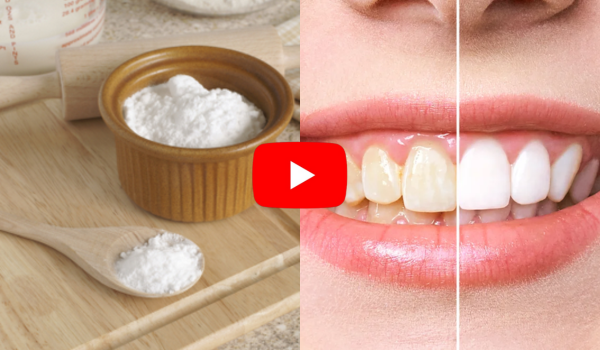

A bright, sparkling smile is often one of the first things people notice. But with coffee, tea, wine, smoking, and everyday food habits, teeth can lose their natural whiteness over time.
While professional teeth whitening treatments are effective, they can be expensive and sometimes harsh on enamel.
That’s where baking soda for teeth whitening comes in as a simple, cost-effective, and natural alternative that has been trusted for generations.
In this guide, we’ll explore everything you need to know about using baking soda for teeth whitening, including how it works, benefits, risks, tips for best results, and other ways to maintain a healthy, bright smile.
What is Baking Soda?
Baking soda, scientifically known as sodium bicarbonate, is a versatile compound used in cooking, cleaning, and personal care.
It has mild abrasive properties, making it an excellent choice for removing stains from teeth without causing significant damage when used correctly.
Composition of Baking Soda
-
Chemical Formula: NaHCO₃
-
Properties: Mildly alkaline, slightly abrasive, odor-neutralizing
-
Common Uses: Baking, deodorizing, cleaning, oral hygiene
Its gentle abrasive nature allows it to remove surface stains from teeth caused by food, drinks, or smoking. Additionally, its alkaline nature helps neutralize acids in the mouth, promoting overall oral health.
The Science Behind Baking Soda Whitening
Baking soda whitens teeth through a cleaning and polishing process rather than chemical bleaching. Its microscopic crystals act as a gentle abrasive that lifts surface stains from coffee, tea, wine, and food pigments without being harder than tooth enamel.
This makes it effective at brightening while remaining relatively safe when used occasionally.
Because baking soda is alkaline, it helps neutralize acids in the mouth that weaken enamel and encourage staining.
A more balanced pH protects the outer tooth surface and slows the buildup of discoloration. It also helps loosen plaque, which traps stain particles and dulls the appearance of teeth.
As plaque and surface stains are removed, enamel becomes smoother and reflects light more evenly, which is why teeth look cleaner and brighter.
Importantly, baking soda does not change the internal color of teeth like peroxide whiteners. It improves appearance by restoring the natural brightness of enamel through gentle mechanical cleaning.
How Does Baking Soda Whiten Teeth Work?
The whitening effect of baking soda comes from mechanical and chemical actions:
Abrasive Action
- Baking soda’s fine particles act like a gentle scrub, removing plaque and surface stains from teeth. This is effective for discoloration caused by coffee, tea, wine, and tobacco.
Neutralizing Acids
- Baking soda is alkaline, which helps neutralize acids produced by balancing bacteria in the mouth. Acidic environments can weaken enamel and contribute to tooth discoloration, so baking soda helps maintain a healthier pH balance in the mouth.
Breaking Down Stains
- The mild chemical reaction of baking soda with stains can help break them down, making them easier to remove through brushing.
Freshening Breath
- While whitening is the main benefit, baking soda also neutralizes odors, giving you fresher breath.
Benefits of Using Baking Soda for Teeth Whitening
- Cost-Effective – Baking soda is inexpensive and easily available, making it a budget-friendly alternative to costly professional whitening treatments.
- Natural and Safe – It is a natural substance with minimal side effects, unlike chemical-based whitening products, making it safe when used correctly.
- Reduces Plaque and Tartar – Regular brushing with baking soda removes plaque and prevents tartar buildup, which helps maintain overall oral health.
- Fights Bad Breath – Baking soda neutralizes acids and odors in the mouth, leaving breath fresh and clean.
- Gentle on Enamel – Its mild abrasive action removes surface stains without damaging enamel when used in moderation, unlike stronger chemical whiteners.
Why Baking Soda for Teeth Whitening?
Baking soda is a popular choice for teeth whitening because it is a natural, safe, and effective way to brighten your smile
Its mild abrasive action gently removes surface stains caused by coffee, tea, wine, and smoking, while its alkaline properties neutralize acids in the mouth to protect enamel.
In addition to whitening, baking soda helps freshen breath by reducing odor-causing bacteria and promotes overall oral health.
Best of all, it is a cost-effective and easily accessible alternative to expensive professional whitening treatments, making it a simple solution for maintaining a healthy, radiant smile at home.
How to Use Baking Soda for Teeth Whitening?
There are several methods to safely whiten teeth with baking soda.
Baking Soda Toothpaste
Ingredients:
-
1 teaspoon baking soda
-
A few drops of water
Instructions:
-
Mix baking soda and water to form a paste.
-
Apply the paste to your toothbrush.
-
Brush gently for 2 minutes.
-
Rinse thoroughly with water.
Baking Soda and Hydrogen Peroxide
Hydrogen peroxide is a natural bleaching agent. Combining it with baking soda enhances whitening.
Ingredients:
-
1 teaspoon baking soda
-
A few drops of 3% hydrogen peroxide
Instructions:
-
Mix to form a paste.
-
Brush gently for 1-2 minutes.
-
Rinse thoroughly.
Baking Soda and Lemon Juice
Lemon juice contains citric acid, which can help whiten teeth naturally.
Ingredients:
-
1 teaspoon baking soda
-
A few drops of lemon juice
Instructions:
-
Mix to form a paste.
-
Brush gently for 1 minute.
-
Rinse thoroughly.
Commercial Baking Soda Toothpaste
Many toothpaste brands include baking soda as a primary ingredient. These are formulated to be gentle on enamel and are a safe daily option for whitening.
Additional Tip For the Bet Result
- Use only 1–2 times per week: Baking soda is mildly abrasive. Overuse can wear enamel, so treat it like an occasional polish, not a daily toothpaste replacement.
- Mix with water, not lemon: Acidic ingredients weaken enamel. Plain water keeps the paste gentle while still helping remove surface stains.
- Brush softly, never aggressively: Light circular motions protect gums and enamel. Pressure does not equal better whitening.
- Rinse thoroughly after brushing: Leftover residue can dry the mouth. A clean rinse keeps your mouth balanced and comfortable.
- Follow with fluoride toothpaste: After whitening, brush with regular toothpaste to strengthen enamel and maintain oral protection.
- Avoid if you have sensitive teeth: If you feel irritation or sensitivity, stop use and consult a dentist before continuing.
Conclusion
Baking soda for teeth whitening is a safe, natural, and cost-effective method to brighten your smile.
With its gentle abrasive action, ability to neutralize acids, and proven stain-removal properties, it’s a popular choice for those seeking a home-based solution.
-
Use baking soda 2-3 times a week.
-
Brush gently and rinse thoroughly.
-
Combine with regular oral hygiene practices.
-
Avoid excessive acidic foods and beverages that stain teeth.
While baking soda is excellent for surface stain removal, it may not replace professional whitening for deeper discoloration.
Start incorporating baking soda into your oral care routine today and enjoy the confidence of a brighter, healthier smile.
.
