7 Day Nail Fungus Treatment – Fast & Effective Results
7 Day Nail Fungus Treatment (🔥INSTANT RELIEF!) Helps Reduce Fungus, Restores Nail Clarity, and Supports Healthier Nails Fast With Easy, Mess-Free Care.
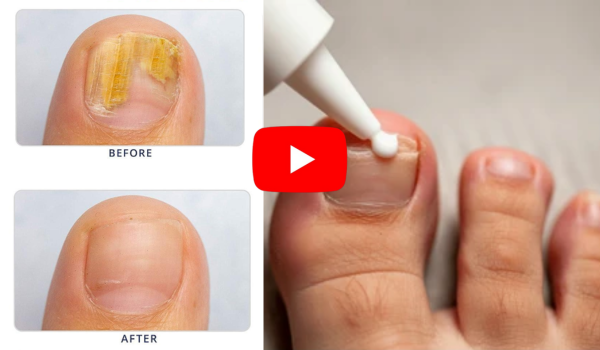

Nail fungus is more than just a cosmetic issue. It can affect confidence, comfort, and overall nail health if left untreated.
Discolored, thickened, brittle, or foul-smelling nails are common signs that a fungal infection has taken hold. Many people delay treatment, thinking it will resolve on its own, but nail fungus rarely disappears without proper care.
With growing interest in quick and effective solutions, the concept of a 7-day nail fungus treatment has gained significant attention.
People want faster results, visible improvement, and practical methods that fit easily into daily routines.
While nail fungus traditionally takes weeks or even months to fully clear, the right approach within the first 7 days can dramatically reduce symptoms, stop the spread, and set the foundation for complete recovery.
What Is Nail Fungus?
Nail fungus is a microbial infection of the fingernails or toenails caused mainly by microscopic organisms called dermatophytes. Yeasts and molds can also be responsible, especially in individuals with compromised immune systems.
This infection typically starts as a white or yellow spot under the tip of the nail and gradually spreads deeper into the nail bed. Over time, the nail becomes thickened, discolored, brittle, crumbly, and sometimes painful.
Though not life-threatening, nail fungus can be persistent and emotionally distressing, especially when it interferes with daily life or self-confidence.
The Science Behind Nail Fungus Treatment
Nail fungus survives by feeding on keratin and thriving in warm, moist environments. Antifungal agents disrupt the fungal cell membrane, stopping growth and reproduction.
Regular cleaning and drying reduce moisture, while improved penetration allows treatments to reach the infection and support healthy nail regrowth.
Fungi Thrive in Moist, Warm Environments
- Fungal organisms proliferate where sweat accumulates, and ventilation is poor. By drying feet and improving air flow, we slow fungal growth dramatically.
Antifungal Agents Interrupt Cell Walls
- Topical antifungals work by blocking the fungal cell membrane synthesis. When used consistently, this interrupts growth and leads to fungal cell death.
Exfoliation Exposes the Fungal Colony
- Removing dead nail layers allows antifungals to penetrate deeper. Think of it like removing a shield so treatment reaches its target.
pH Matters
- Fungi prefer a slightly acidic to neutral pH. Certain natural acids in topical preparations create an unfavorable environment for fungal growth.
Nail Growth and Renewal
- Healthy nails grow approximately 1 mm per week (toenails grow more slowly than fingernails). By reducing fungal infection quickly, the new growth is healthier and less porous, making it harder for fungus to reinfect.
How Nail Fungus Develops?
Understanding how nail fungus forms helps explain why early and intensive treatment works best. Nail fungus develops when microscopic fungi enter the nail through small cracks or cuts.
Warm, moist environments like sweaty shoes allow fungi to multiply, infecting the nail bed and causing discoloration, thickening, and brittleness over time.
Fungi thrive in warm, dark, and moist environments. Common risk factors include:
-
Wearing tight or non-breathable footwear
-
Sweaty feet or poor foot hygiene
-
Walking barefoot in public places
-
Nail injuries
-
Weakened immune system
-
Prolonged exposure to moisture
-
Reusing contaminated nail tools
Once fungi settle beneath the nail, they multiply slowly, making early intervention essential.
The conditions that contribute to nail fungus are fairly predictable:
-
Warm, humid environments – fungi thrive in sweat, moisture, and heat.
-
Tight, closed footwear – reduces ventilation, increases sweating.
-
Repetitive trauma or injury to the nail – cracked or damaged nails provide an entry point.
-
Weakened immune system – diabetes, aging, chemotherapy, and circulatory issues.
-
Communal spaces- gyms, locker rooms, pools, and shower floors.
-
Poor hygiene or damp feet left undried.
Essentially, nail fungus grows where skin and nails struggle to stay dry and healthy.
How Nail Fungus Progresses?
Early Infection
- Nail fungus begins with a small white or yellow spot under the nail tip. The nail may look dull or slightly discolored, but pain is usually absent at this stage.
Mild Spread
- The discoloration spreads across the nail surface. The nail slowly thickens, loses shine, and the texture becomes rough, signaling that the fungus is growing deeper.
Moderate Infection
- At this stage, the nail becomes brittle and crumbly. A mild odor may develop, and the nail can start lifting from the nail bed, causing discomfort.
Severe Infection
- The nail becomes severely thick, misshapen, and painful. Inflammation and redness may occur, with partial or complete nail detachment affecting daily comfort.
Types of Nail Fungus
Understanding the type of fungus helps determine how to treat it:
Dermatophyte Onychomycosis
- This is the most common type, caused by fungi that digest keratin, the main protein in nails.
Yeast Infection
- Yeasts like Candida can infect nails, especially fingernails.
Non-dermatophyte Molds
- These may infect nails after trauma or in immunocompromised patients. Symptoms vary slightly, but all types cause discoloration, thickness, and potential crumbling.
Benefits of a 7 Day Approach
- Rapid Reduction in Symptoms – A focused 7-day plan helps reduce discoloration, thickness, and discomfort quickly, allowing visible improvements that encourage confidence and early relief.
- Infection Control – Aggressive early treatment limits fungal growth, stops deeper nail penetration, and helps prevent the infection from spreading to surrounding nails.
- Psychology of Progress – Seeing noticeable results within one week boosts motivation, making people more likely to continue treatment consistently until full recovery.
- Better Penetration – A structured routine improves antifungal absorption by thinning the nail surface, allowing treatments to reach the fungus more effectively.
- Establishes Healthy Habits – Daily care routines promote better hygiene, dryness, and nail maintenance, creating long-term habits that reduce the risk of future infections.
Additional Tips For the Best Result
Keep Nails Dry & Breathable
- Fungus thrives in moisture. After bathing, dry nails thoroughly, especially between toes. Wear breathable shoes or sandals when possible and change socks if they get damp.
Disinfect Nail Tools
Avoid Nail Polish During Treatment
- Polish can trap moisture and block antifungal solutions from reaching the nail. Let nails breathe until the infection clears.
Boost Hygiene Habits
- Wash feet daily with mild soap, dry carefully, and rotate shoes to allow them to air out. Sprinkle antifungal powder inside shoes if needed.
Support Healing From Inside
- Eat foods rich in zinc, biotin, and protein to strengthen nails. A healthy immune system helps fight fungal infections more effectively.
Final Thoughts
A 7-day nail fungus treatment is not a miracle cure, but it is a powerful, structured approach that significantly reduces fungal infection intensity and jump-starts healing.
What makes this strategy so effective?
- It targets the fungus at multiple levels, cleaning, exfoliating, penetrating, and preventing it
- combines science-based antifungal action with disciplined habit changes. It empowers you
- with daily goals and measurable progress
Remember, true nail health takes time. Nail growth is slow. Full clearance may take weeks or months, depending on severity.
However, by starting with a focused 7-day plan, you put yourself in the best position to beat fungus faster and prevent it from returning.
Whether you want healthier toes for sandals, more confidence, or relief from discomfort, a 7-day nail fungus treatment can be your launchpad.
Stick with the process and give your nails the attention they’ve been missing.
.
.
.